The Pros of Corporations Explained: A Comprehensive Guide for 2026
Forming a corporation offers significant advantages for businesses looking to scale, including robust limited liability protection for owners, the ability to raise capital through the sale of stock, and a perpetual legal existence that...
Forming a corporation offers significant advantages for businesses looking to scale, including robust limited liability protection for owners, the ability to raise capital through the sale of stock, and a perpetual legal existence that continues regardless of ownership changes. These structural benefits make the corporation the preferred entity for high-growth startups and established global enterprises alike.
Contents
Navigating the landscape of business structures is a foundational step for any entrepreneur or executive. While options like LLCs and sole proprietorships exist, the "corporation"—specifically the C-corporation and S-corporation models—remains the gold standard for many commercial applications. As we move through 2026, the legal and financial frameworks surrounding these entities have matured, offering a predictable environment for long-term growth and asset protection.
The Foundation of Limited Liability Protection
The most significant advantage of incorporating is the creation of a separate legal entity. Under the law, a corporation is a "person" distinct from its owners (shareholders). This separation creates what is known as the corporate veil, which serves as a protective barrier between business liabilities and personal assets.
Safeguarding Personal Wealth
In a sole proprietorship or a general partnership, the owners are personally responsible for the business's debts. If the business is sued or defaults on a loan, creditors can pursue the owner’s personal bank accounts, vehicles, and real estate. In a corporation, the financial exposure of a shareholder is typically limited to the amount they have invested in the company’s stock. If the corporation faces bankruptcy or legal judgments, the individual shareholders’ personal assets remain protected, provided the corporation has been managed according to legal formalities.
Maintaining the Corporate Veil
To enjoy this protection, the corporation must act as a separate entity. This involves maintaining separate bank accounts, recording minutes of board meetings, and ensuring that business and personal funds are never commingled. In 2026, courts continue to uphold these protections strictly, but they may "pierce the corporate veil" if owners use the corporation to commit fraud or fail to respect the entity's formal structure.
Unparalleled Access to Capital
For businesses with ambitious growth plans, the corporate structure is often a requirement rather than a choice. This is primarily due to the flexibility and familiarity of corporate stock.
Issuing Stock and Attracting Investors
Corporations have the unique ability to raise funds by selling shares of ownership. This can be done through private placements or, eventually, an Initial Public Offering (IPO). Institutional investors, such as venture capitalists and private equity firms, almost exclusively prefer investing in C-corporations. The standardized nature of corporate shares makes it easy to value the company, distribute equity to employees via stock options, and bring in new partners without disrupting operations.
Debt Financing Advantages
Lenders often view corporations as more stable and permanent than other business forms. Because corporations are required to follow strict reporting and governance standards, they often find it easier to secure commercial loans and lines of credit. Additionally, large corporations can issue bonds—a form of debt security—to raise capital directly from the public or institutional markets, a feat that is virtually impossible for smaller, non-corporate entities.
Perpetual Existence and Stability
Unlike a sole proprietorship, which ceases to exist if the owner passes away or retires, a corporation is built for longevity. It has perpetual existence, meaning the entity continues to exist until it is formally dissolved by the shareholders or the government.
Seamless Ownership Transfers
The ownership of a corporation is represented by shares of stock. These shares can be bought, sold, or gifted without affecting the daily operations of the business. If a major shareholder wants to exit the company, they simply sell their shares to another party. This ease of transferability ensures that the business remains a "going concern," providing stability to employees, customers, and vendors who rely on the brand’s continuity.
Succession Planning
The corporate structure simplifies succession planning. Because the roles of the Board of Directors, officers (like the CEO), and shareholders are clearly defined by the corporate bylaws, a change in leadership does not require a legal overhaul of the entire company. This institutional stability is a primary reason why many family-owned businesses eventually transition into corporations to ensure the legacy of the brand across generations.
Strategic Tax Advantages and Flexibility
While "double taxation" is a common critique of C-corporations, the reality of corporate taxation in 2026 offers several strategic pathways that can lead to significant tax savings, depending on the business’s goals.
C-Corporations and Retained Earnings
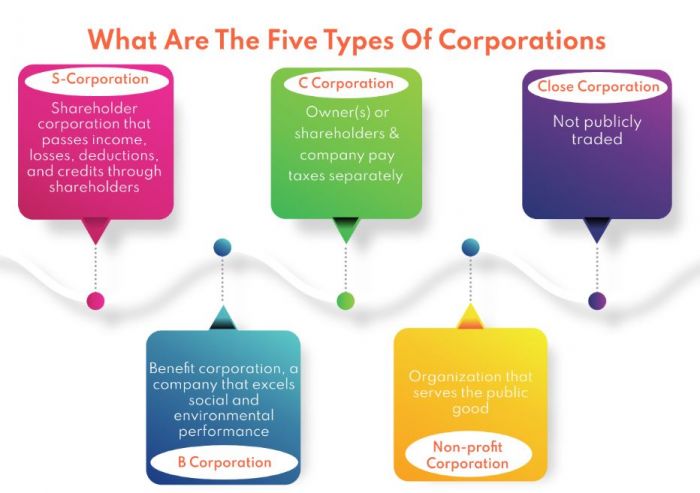
A C-corporation pays a flat federal corporate income tax rate (currently 21% in the United States). For businesses that intend to reinvest their profits back into the company rather than distributing them as dividends, this flat rate can be lower than the top individual income tax brackets. This allows the company to grow its capital base more efficiently than a "pass-through" entity where the owner might be taxed at a much higher individual rate.
The S-Corporation Election
For smaller corporations that meet specific IRS eligibility requirements, the S-corporation election allows the business to avoid double taxation. In an S-corp, profits and losses "pass through" to the shareholders' personal tax returns, similar to a partnership. This is particularly advantageous for owners who want the legal protection of a corporation but prefer to be taxed at individual rates. Furthermore, S-corp owners can potentially save on self-employment taxes by splitting their income between a "reasonable salary" and shareholder distributions.
Deductible Expenses
Corporations can deduct a wide range of business expenses, including employee salaries, health insurance premiums, and retirement plan contributions. In many cases, the cost of providing fringe benefits to employees and owners is fully deductible for the corporation and tax-free for the recipient, a benefit that is more restricted in other business structures.
Enhanced Credibility and Professional Image
In the global marketplace of 2026, the "Inc." or "Corp." suffix carries a weight of professionalism and permanence. This perceived legitimacy can be a tangible asset for a growing brand.
- Trust with Vendors: Many suppliers are more willing to offer favorable credit terms to corporations because of the perceived financial transparency and regulatory oversight associated with the structure.
- Government Contracting: Many local, state, and federal government contracts are easier to navigate or require the formal structure of a corporation.
- Customer Perception: For B2B (business-to-business) companies, being incorporated can be a prerequisite for doing business with larger enterprise clients who require their vendors to meet specific legal and insurance standards.
Comparative Overview: Corporations vs. Other Entities
To understand the specific advantages, it is helpful to see how the corporation compares to the Limited Liability Company (LLC) and the Sole Proprietorship in 2026.
| Feature | C-Corporation | S-Corporation | LLC | Sole Proprietorship |
|---|---|---|---|---|
| Liability | Limited | Limited | Limited | Unlimited |
| Taxation | Double (Entity & Shareholder) | Pass-through | Pass-through (usually) | Pass-through |
| Capital Raising | High (Public stock/VC) | Moderate (Shares limited) | Low/Moderate | Very Low |
| Ownership Limits | Unlimited | Max 100 (US citizens) | Unlimited | Single owner |
| Formalities | High (Minutes, Bylaws) | High (Minutes, Bylaws) | Low/Moderate | None |
| Perpetual Life | Yes | Yes | Depends on Operating Agreement | No |
Strategic Considerations for 2026
While the pros are substantial, forming a corporation is a strategic decision that requires a commitment to administrative rigor. In the current regulatory environment, the cost of incorporation and ongoing compliance (such as filing annual reports and franchise tax payments) must be weighed against the benefits of capital access and liability protection.
For most tech startups and companies planning to expand internationally, the C-corporation remains the most viable path. The ability to issue different classes of stock (such as preferred stock for investors and common stock for founders) allows for sophisticated control and funding structures. Conversely, for service-based businesses or smaller ventures looking for asset protection without the complexity of corporate tax filings, an S-corporation or an LLC may be more appropriate.
Disclaimer: This information is for educational purposes and does not constitute legal, financial, or tax advice. Laws vary by jurisdiction and are subject to change. Consult with a qualified professional before making business formation decisions.
Frequently Asked Questions
What is "double taxation" and can it be avoided?
Double taxation occurs when a C-corporation pays taxes on its profits at the corporate level, and then shareholders pay personal income taxes on the dividends they receive from those same profits. This can be avoided by electing S-corporation status (if eligible) or by reinvesting profits back into the business as "retained earnings" rather than distributing them as dividends.
Is a corporation better than an LLC for a small business?
It depends on your goals. An LLC offers similar liability protection with fewer administrative requirements. However, if you plan to seek venture capital or eventually take your company public, a corporation is almost always the better choice because investors prefer the standardized legal framework of corporate stock.
Can one person form a corporation?
Yes. In most jurisdictions, a single individual can hold the roles of sole shareholder, director, and officer. This is often referred to as a "closely held" or "one-person" corporation. It still provides the same limited liability benefits as a large corporation, provided the owner maintains the required legal formalities.
What are the main disadvantages of a corporation?
The primary drawbacks are the increased administrative burden and higher setup costs. Corporations must follow strict rules regarding board meetings, shareholder meetings, and record-keeping. Failure to adhere to these rules can result in the loss of limited liability protection.
How does a corporation protect my personal assets?
A corporation acts as a legal "shield." Because the business is its own legal entity, it owns its own assets and is responsible for its own debts. If the business is sued, the lawsuit is directed at the corporation, not the individual owners. Your personal home, savings, and assets are generally off-limits to business creditors.
Next Steps for Business Owners
If the advantages of a corporation align with your business trajectory for 2026, your next action should be a consultation with a corporate attorney and a tax professional. You will need to draft Articles of Incorporation for filing with your state’s Secretary of State and create Bylaws to govern your internal operations. Establishing these foundations correctly today ensures that your "corporate veil" remains impenetrable and your business is structured for maximum growth potential.
Image Gallery