What Makes Auto Insurance Total Loss Protection Work
Auto insurance total loss protection works by bridging the gap between a vehicle’s depreciated actual cash value and the remaining balance on an auto loan or lease, ensuring policyholders are not left paying out-of-pocket for a car the...
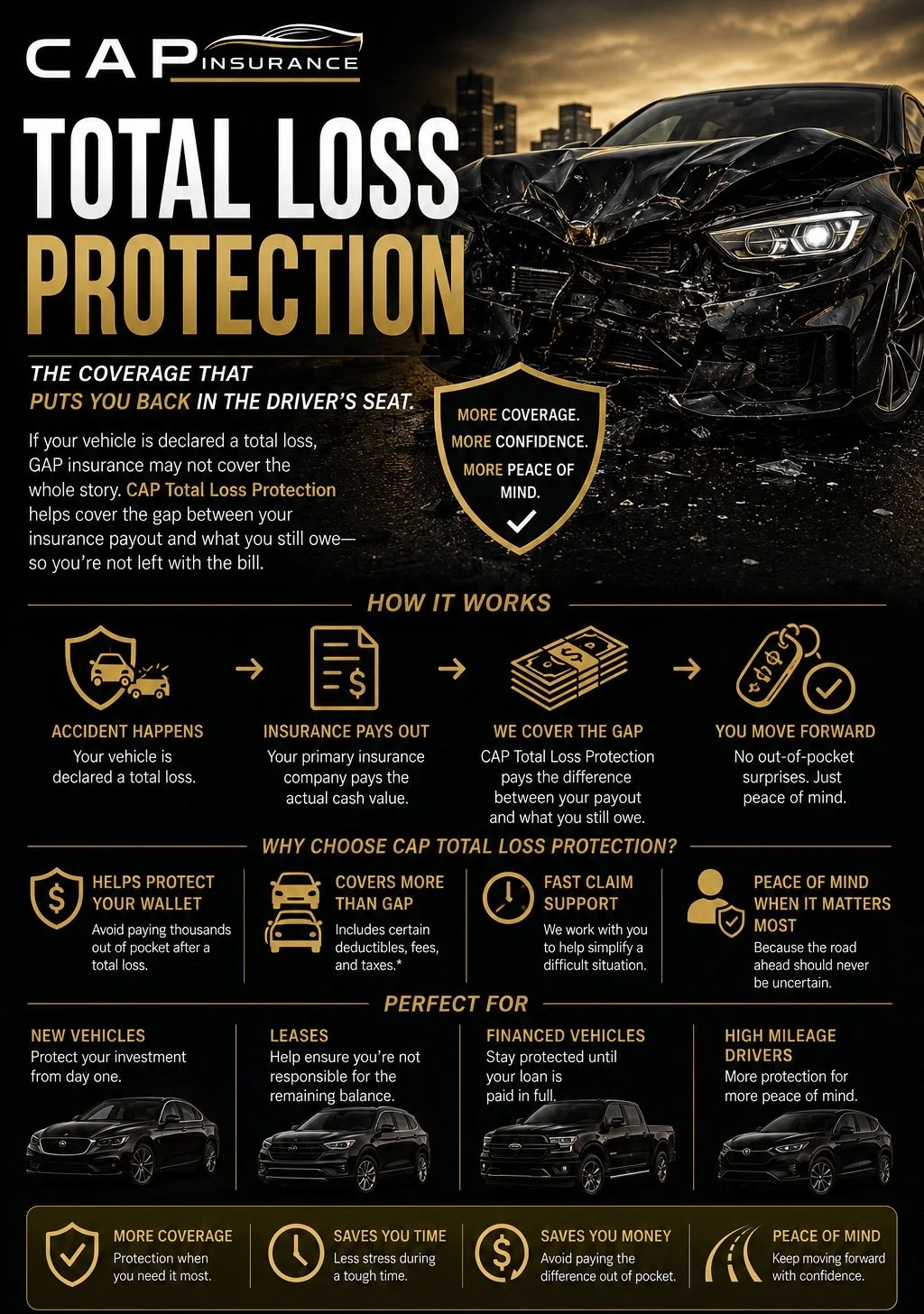
Auto insurance total loss protection works by bridging the gap between a vehicle’s depreciated actual cash value and the remaining balance on an auto loan or lease, ensuring policyholders are not left paying out-of-pocket for a car they can no longer drive. When a vehicle is deemed a total loss due to an accident, theft, or severe weather event, standard insurance policies typically pay out only the current market value. Supplemental coverages like gap insurance or new-car replacement endorsements function through precise contractual triggers, valuation formulas, and regulatory frameworks to resolve this financial shortfall.
Contents
Navigating the mechanics of total loss settlements requires a clear understanding of vehicle valuation, insurance policy riders, and the claims adjustment process. As vehicle depreciation accelerates rapidly in the first few years of ownership, understanding how these protections operate helps vehicle owners secure financial stability and maintain a safety net against unexpected automotive losses.
The Core Mechanics of a Total Loss Declaration
A total loss protection mechanism begins long before a claim is filed, rooted in the foundational definition of when a vehicle is considered a "total loss" by an insurance carrier. Insurance adjusters evaluate the cost to repair a damaged vehicle against its pre-accident actual cash value (ACV).
Most state insurance departments establish a total loss threshold—often expressed as a percentage, ranging anywhere from 70% to 100% of the vehicle's ACV. If the estimated repair costs exceed this statutory or policy-defined threshold, the insurer declares the vehicle a total loss rather than authorizing repairs.
Once a total loss is declared, standard auto insurance steps in to provide the ACV payout. However, ACV accounts for depreciation, wear and tear, and mileage. Because new vehicles lose a substantial portion of their value the moment they are driven off the dealership lot, the ACV is almost always lower than the remaining balance on an auto loan or lease contract, especially during the initial years of financing when principal payments are low and interest makes up a large share of monthly bills.
How Gap Insurance and Endorsements Solve the Shortfall
To protect against the financial gap between the ACV and the loan balance, specialty coverages must be integrated into the insurance policy or purchased separately as a guaranteed asset protection (gap) waiver or policy.
Guaranteed Asset Protection (Gap Insurance)
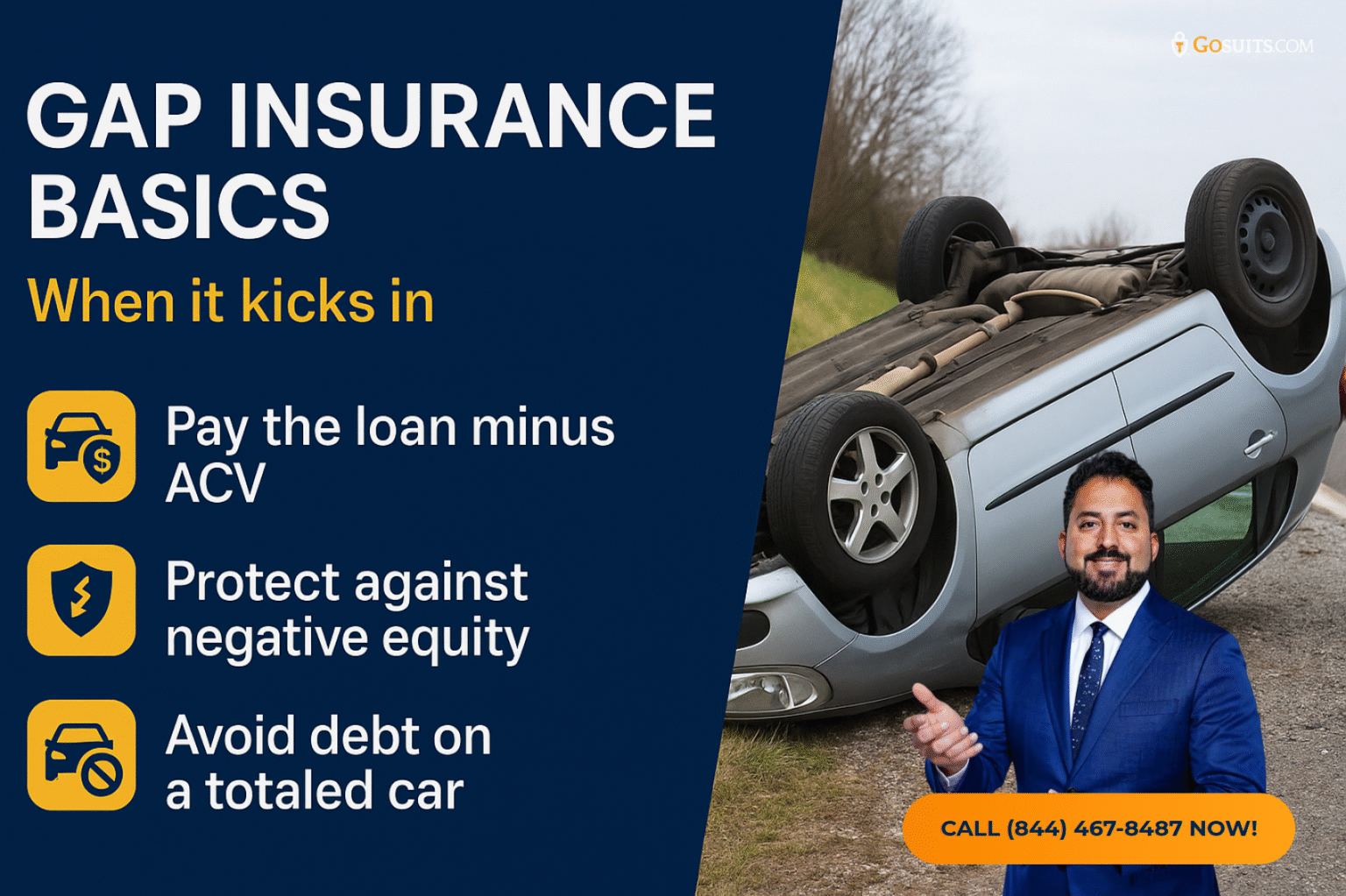
Gap insurance is specifically engineered to cover the numerical difference—the "gap"—between what the primary auto insurance company pays based on the ACV and the remaining payoff amount on the auto loan or lease.
- The Claim Trigger: The primary auto insurer processes the accident and issues an ACV payout to the lienholder (the bank or credit union financing the vehicle).
- The Calculation: The gap provider calculates the outstanding loan principal, subtracting any delinquent payments, late fees, or refundable items like extended warranties or credit life insurance.
- The Payout: The gap insurance covers the exact mathematical difference, paying the remaining balance directly to the lender so the consumer's debt is cleared.
New-Car Replacement Endorsements
An alternative or supplementary mechanism is a new-car replacement endorsement. Rather than paying off a loan balance, this coverage steps in when a relatively new vehicle is totaled within a specified timeframe (such as the first model year or under 15,000 to 24,000 miles, depending on the insurer's guidelines). Instead of offering the depreciated ACV, the insurer pays what it costs to purchase a brand-new vehicle of the same make, model, and equipment, or the original purchase price.
Valuation Factors and the Role of Actual Cash Value
The effectiveness of total loss protection relies heavily on how actual cash value is determined. Insurers do not simply guess a vehicle's value; they rely on third-party valuation services (such as CCC Intelligent Solutions or Mitchell International) to generate a comprehensive market valuation report.
These reports analyze several key data points:
- Comparable Vehicles: Recent sales prices of identical or highly similar vehicles sold within the local geographic market.
- Vehicle Condition: Adjustments made for the pre-accident condition of the vehicle, including mileage, previous damage, mechanical upgrades, and interior wear.
- Trim and Options: Verification of factory-installed features, packages, and technological additions that enhance market desirability.
Policyholders have the right to review this valuation report. If an owner believes the ACV is undervalued, they can present independent evidence—such as local dealership listings for comparable vehicles or receipts for recent major mechanical repairs—to negotiate a higher baseline payout before gap coverage is even applied.
Comparison of Total Loss Protection Options
| Protection Type | Primary Function | Typical Eligibility | Key Limitation |
|---|---|---|---|
| Standard ACV Coverage | Pays current market value of the vehicle at the time of loss. | Standard requirement for all registered vehicles. | Does not cover depreciation or loan balances exceeding market value. |
| Gap Insurance Waiver | Covers the difference between ACV and loan/lease payoff. | Financed or leased vehicles; often requires comprehensive and collision coverage. | Does not cover negative equity rolled over from a previous loan. |
| New-Car Replacement | Pays for a brand-new vehicle of the same or similar make and model. | New vehicles within a specific age or mileage limit (e.g., under 1 year / 15,000 miles). | Premium rates are higher; expires once age/mileage thresholds are crossed. |
Common Limitations and Exclusions in Total Loss Policies
While total loss protection provides a crucial safety net, consumers must be aware of contractual limitations and exclusions that can restrict payouts.
Negative Equity Roll-Over
A frequent complication occurs when a car buyer rolls over negative equity (unpaid balance from a trade-in vehicle) into a new auto loan. Many standard gap insurance contracts include caps limiting payouts to a certain percentage of the vehicle's MSRP or ACV (often capped at 125% or 150%). If the loan balance significantly exceeds the vehicle's market value due to rolled-over debt, the gap waiver may not cover the entire shortfall.
Lapsed Primary Coverage
Gap insurance and total loss endorsements are strictly secondary coverages. They require an active primary auto insurance policy featuring comprehensive and collision coverage to trigger. If the primary policy lapses due to non-payment or is denied due to policy exclusions (such as intentional damage or commercial use of a personal policy), the total loss protection becomes inactive.
Excluded Fees and Add-Ons
When a loan is paid off by a gap waiver, certain financial add-ons purchased at the dealership are typically excluded from the settlement. Extended service contracts, GAP protection bought separately from third parties with distinct refund policies, and credit insurance products are often factored out, leaving the consumer responsible for securing prorated refunds directly from those specific providers.
Frequently Asked Questions
Does gap insurance cover my deductible?
Most standard gap insurance policies do not cover the primary insurance deductible. However, some specialized endorsements or comprehensive gap policies may cover up to a certain dollar amount (often $500 or $1,000) of your collision deductible, depending on the specific insurance carrier's contract terms.
Can I purchase gap insurance after buying a car?
Yes, but options may be limited. While dealerships offer gap insurance at the point of sale, standalone insurance companies often allow you to add gap coverage to your existing policy within a specific window after vehicle purchase, provided you already carry comprehensive and collision coverage.
What happens to my total loss protection if I pay off my loan early?
If you pay down your auto loan faster than the depreciation curve—meaning your vehicle's ACV is higher than your remaining loan balance—gap insurance is no longer functionally active because there is no financial gap. In such cases, you can contact your insurer or lender to cancel the coverage and stop paying the associated premium.
Does total loss protection cover rental cars while waiting for a settlement?
Total loss protection specifically addresses the vehicle valuation and loan payoff gap. Rental car reimbursement is a separate policy endorsement. Unless you have specifically purchased rental reimbursement coverage, a total loss claim settlement does not automatically cover the cost of a temporary rental vehicle.
How long does a total loss claim take to resolve?
The timeline depends on several factors, including the complexity of the vehicle valuation report, communication between the lienholder and the insurance company, and state-specific regulatory deadlines. Typically, a straightforward total loss settlement can be processed and paid out within one to three weeks after the vehicle inspection and receipt of the signed power of attorney and title documents.
Next Actions for Vehicle Owners
Reviewing your current auto insurance declarations page is the most effective step to confirm whether your financed or leased vehicle is adequately protected. If you owe more on your auto loan than the vehicle is currently worth on the open market, contact your insurance provider or lender to inquire about adding a gap waiver or loan/lease payoff endorsement. Ensure you maintain comprehensive and collision coverage to keep these secondary protections active and valid.
Image Gallery