Understanding the Context and Documentation of Travis Alexander Photos
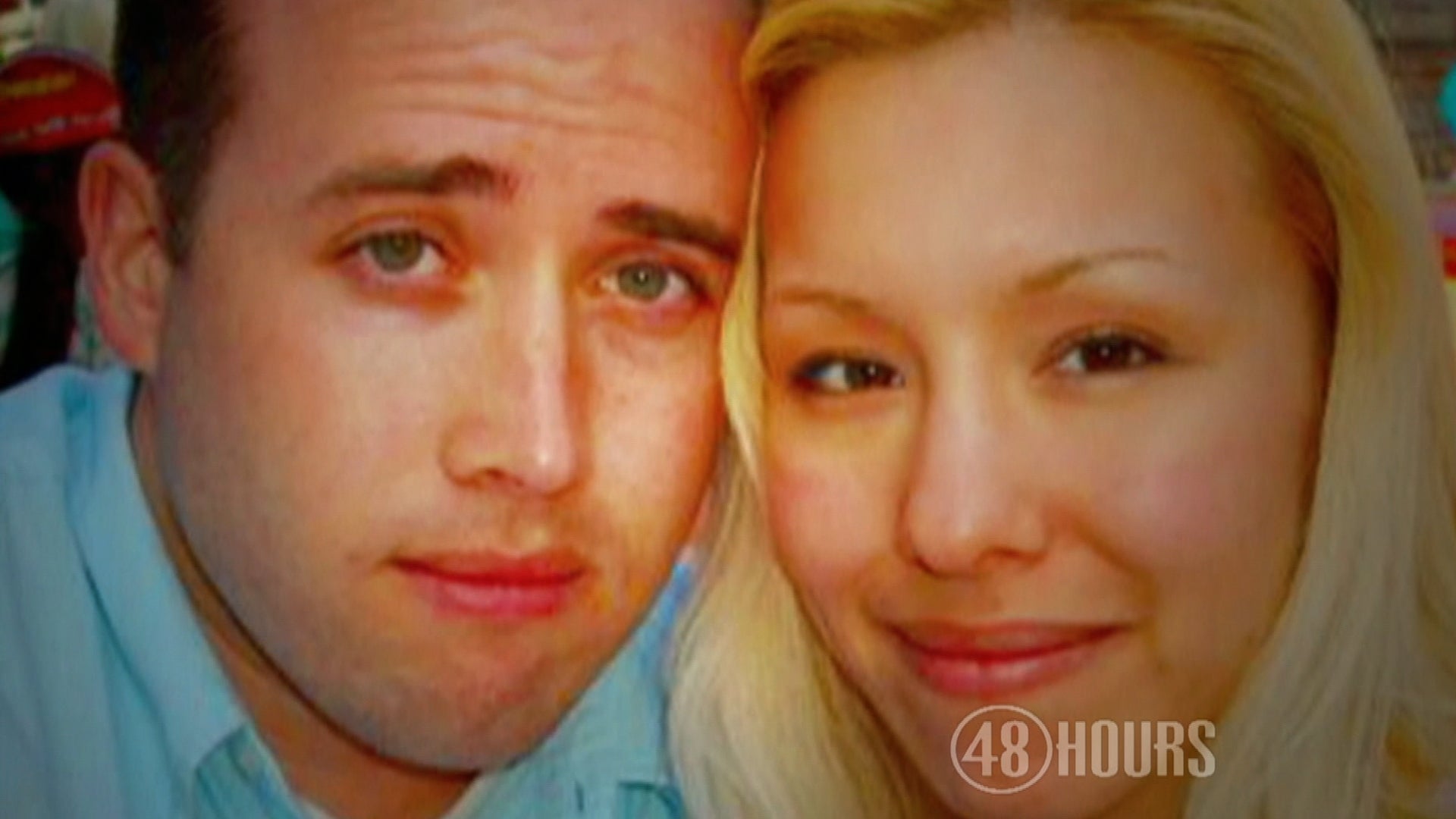
The search for Travis Alexander photos refers to the visual evidence documented during the high-profile 2008 homicide case of Travis Alexander, which became a significant subject of public record during the subsequent 2013 trial of Jod...
The search for Travis Alexander photos refers to the visual evidence documented during the high-profile 2008 homicide case of Travis Alexander, which became a significant subject of public record during the subsequent 2013 trial of Jodi Arias. These images, frequently cited in legal archives and media coverage, served as critical evidentiary exhibits in the judicial proceedings.
Contents
The Role of Photographic Evidence in the 2013 Legal Proceedings
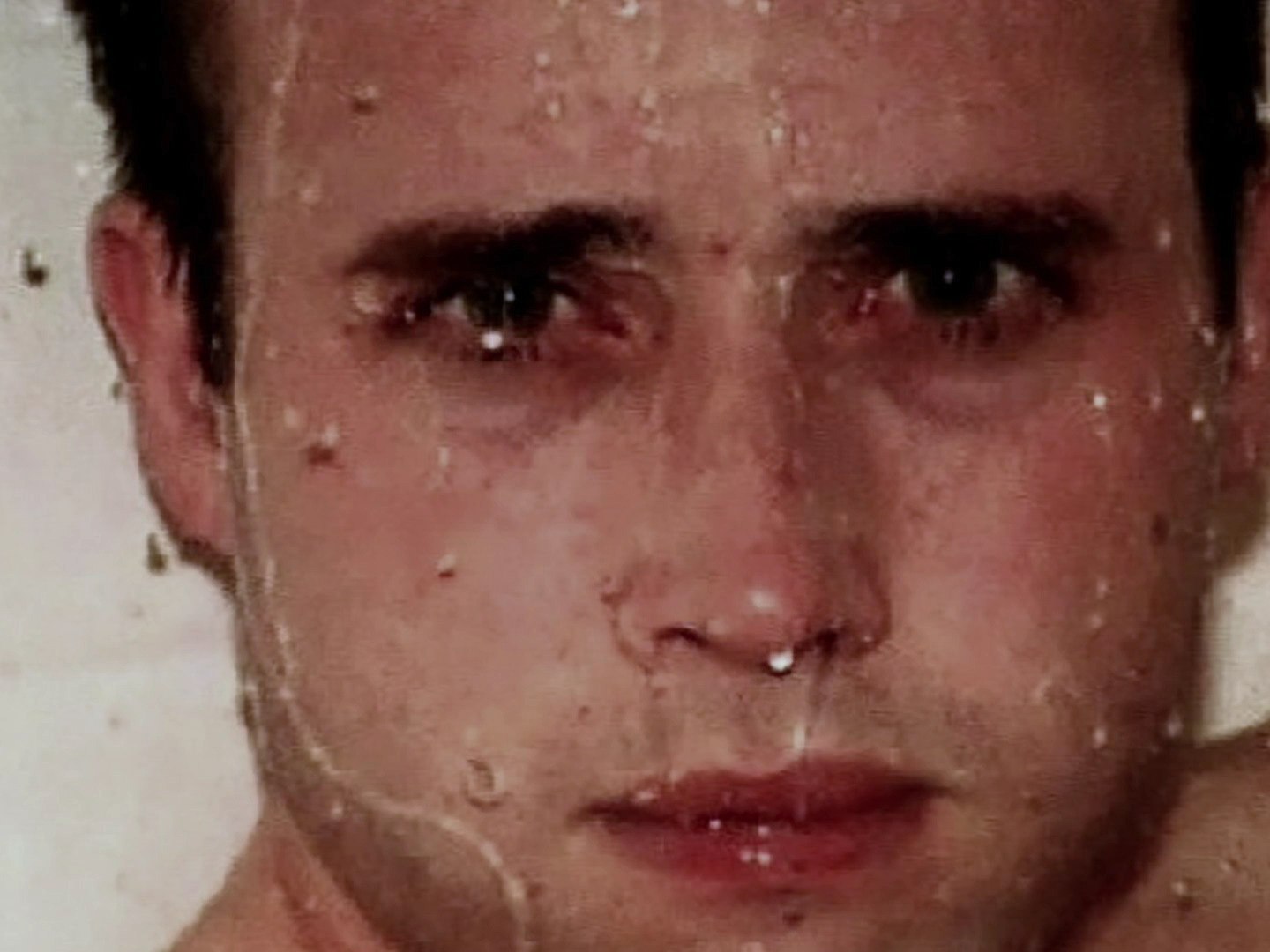
In the context of the state of Arizona versus Jodi Arias, photographic evidence played a pivotal role in establishing the timeline, intent, and nature of the events that occurred on June 4, 2008. The prosecution utilized digital images recovered from a camera found at the scene to reconstruct the moments leading up to the death of Travis Alexander.
These images were categorized by forensic investigators and presented to the jury to contrast the defense’s claims against the physical reality discovered in the residence. Because these materials were entered into the public record as trial exhibits, they transitioned from private personal documentation to accessible court documents, subject to the regulations governing the Arizona Superior Court for Maricopa County.
Procedural Handling of Court Exhibits and Public Access
When sensitive evidence is introduced in a capital murder trial, it is managed under strict chain-of-custody protocols. Once the trial concludes, these exhibits are archived. As of 2026, access to such materials is governed by state-level public records laws and judicial policies regarding the distribution of sensitive or graphic crime scene documentation.
Legal professionals and researchers analyzing this case must navigate specific administrative requirements when requesting archived evidence. The following table outlines the standard procedures for accessing historical judicial records within the Arizona court system.
| Procedural Stage | Requirement | Responsibility |
|---|---|---|
| Request Initiation | Formal Public Records Request (PRR) | Requester |
| Document Review | Redaction of protected sensitive content | Clerk of the Court |
| Access Verification | Identification and intent disclosure | Administrative Office |
| Material Delivery | Digital or physical copy processing fee | Records Department |
Forensic Significance and Digital Recovery
The digital recovery of photos from Travis Alexander’s camera was a landmark technical operation for the Maricopa County Sheriff’s Office. Forensic analysts were required to perform data extraction on a damaged device that had been subjected to the elements at the crime scene. The successful retrieval of these files provided the prosecution with a temporal map, as the metadata associated with the images included timestamps that directly contradicted the alibis provided by the defendant.
For forensic experts and legal students, the case study of this recovery process highlights the evolution of digital forensic standards. By 2026, the methodologies used in the 2008-2013 era have been refined, but the fundamental principle—that metadata (EXIF data) serves as the "silent witness"—remains a cornerstone of criminal investigation.
Ethical Considerations in Digital Media and True Crime
The public fascination with the photographs associated with this case has sparked ongoing dialogue regarding the ethics of "true crime" consumption. As digital archives remain accessible, media organizations and private researchers are often tasked with balancing the right to public information with the dignity of the victim.
Institutional Guidelines for Ethical Media Usage
Victim Sensitivity and Respect The publication of crime scene imagery requires a stringent ethical filter. Professional standards dictate that material should only be utilized when it provides a necessary educational or historical value that outweighs the potential for sensationalism.
Verification of Source Integrity Researchers must verify that materials are sourced from official court transcripts or reputable legal repositories. Distinguishing between genuine, court-verified evidence and unauthorized, digitally altered, or speculative imagery is essential for maintaining accurate documentation.
Frequently Asked Questions Regarding the Case Documentation
What is the status of the evidence photos in 2026? The evidence remains part of the archived case file in the Maricopa County Superior Court. While the trial is long concluded, the records are maintained for historical and legal purposes according to state document retention schedules.
Are the photos available for public download? General public access is often restricted to protect the privacy of the victim's family and to prevent the misuse of sensitive materials. Individuals seeking specific items must typically demonstrate a valid legal or research purpose when submitting a formal request to the Clerk of the Court.
Did the camera's metadata play a definitive role in the conviction? Yes, the timestamps embedded in the recovered photos were instrumental in disproving the defendant's timeline. The digital evidence served as a primary anchor for the prosecution's argument regarding premeditation.
Where can one view official court transcripts related to these exhibits? Official transcripts are maintained by the Arizona judicial branch and can be accessed through the official Maricopa County Clerk of the Court’s online portal or through authorized legal research databases that host public record trial documents.
Legal and Technical Best Practices for Researchers
For those conducting research on this case, adherence to technical and ethical standards is paramount. Ensure that any data being referenced is cross-referenced with the official trial exhibits list. Avoid relying on third-party forums or speculative media outlets that may host mislabeled or altered images.
If you are a student or professional working on a legal analysis, prioritize the following:
- Locate the official Trial Exhibit Index for the 2013 case.
- Utilize only verified court-released documents for evidentiary claims.
- Observe all copyright and usage restrictions imposed by the jurisdiction of the Arizona Superior Court.
- Maintain a clear citation trail linking back to the original court filing to ensure your research remains credible and fact-based.
Engaging with historical legal records requires a commitment to accuracy and respect for the judicial process. Always consult with the Clerk of the Court if you are uncertain about the classification or availability of a specific document or image.
Image Gallery