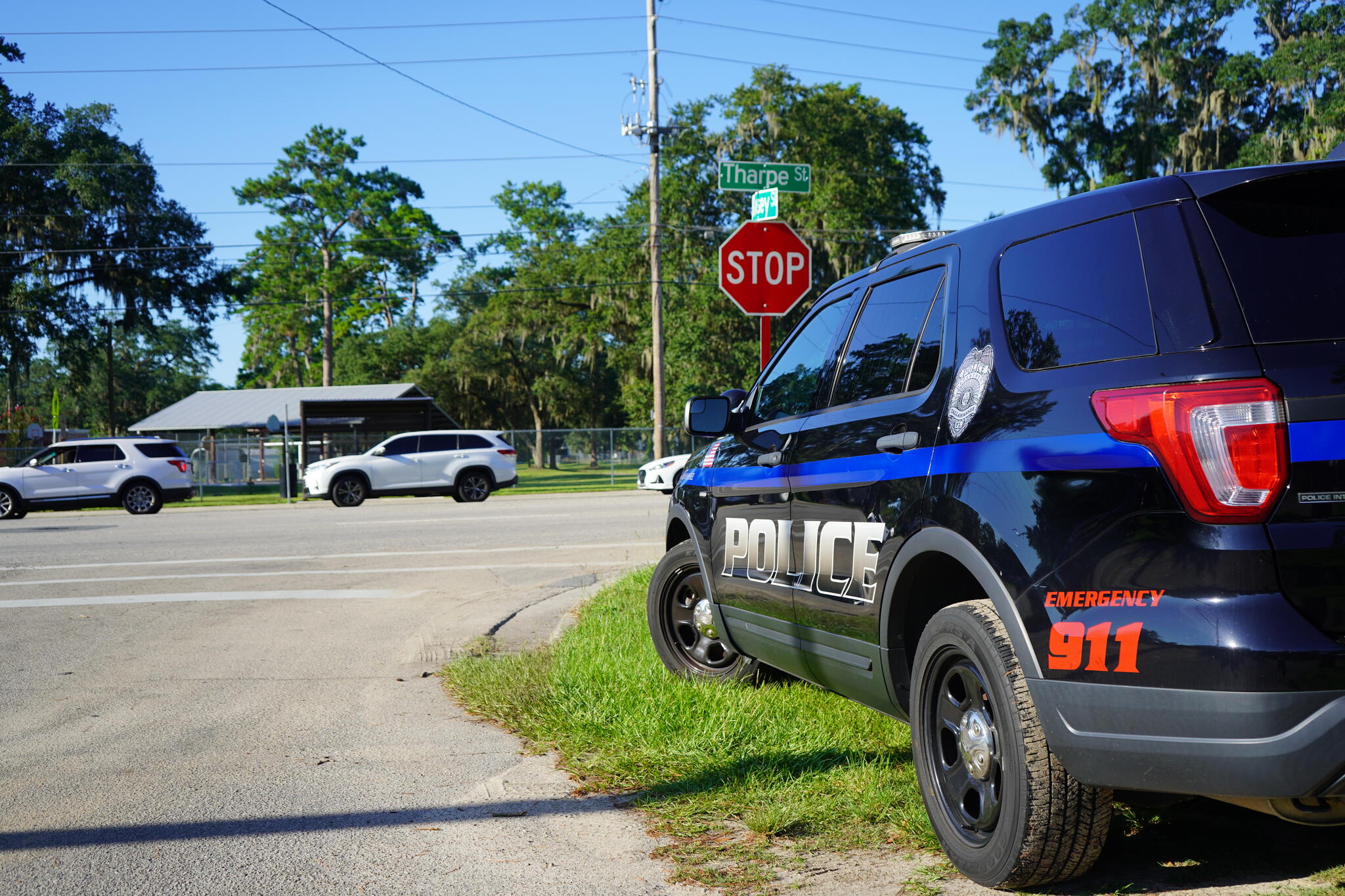
Tallahassee Online Police Statistics: Accessing Crime Data and Public Records in 2026
Accessing Tallahassee online police statistics requires navigating the public data portals provided by the Tallahassee Police Department (TPD) and the Leon County Sheriff's Office. These platforms offer citizens, researchers, and local...
Accessing Tallahassee online police statistics requires navigating the public data portals provided by the Tallahassee Police Department (TPD) and the Leon County Sheriff's Office. These platforms offer citizens, researchers, and local businesses real-time insights, interactive crime mapping tools, and historical incident reports to maintain community awareness and transparency.
Contents
Understanding Tallahassee Police Statistics and Public Records Access
Navigating municipal crime data in Florida's capital city involves understanding how local law enforcement agencies collect, classify, and publish incident information. The Tallahassee Police Department operates within the city limits, while the Leon County Sheriff's Office handles unincorporated areas and county facilities. For comprehensive research, both jurisdictions utilize standardized reporting mechanisms to ensure data integrity.
Public access to these records is governed by Florida Statute Chapter 119, commonly known as the Public Records Act. This legislation mandates that most records maintained by public agencies—including police reports, 911 audio logs, and crime statistics—are open for inspection and copying by any person, with specific redactions applied for juvenile offenders, active criminal investigations, and victim privacy protections.
Primary Platforms for Viewing Tallahassee Crime Data Online
Locating accurate digital crime statistics involves utilizing official web-based portals specifically maintained for public transparency. Modern dashboards replace static PDF reports with dynamic filtering capabilities, enabling users to sort data by date range, specific neighborhoods, and offense categories.
- Tallahassee Police Department Transparency Portal: The primary hub for city-specific crime data, featuring interactive mapping tools and standardized National Incident-Based Reporting System (NIBRS) summaries.
- Leon County Sheriff's Office Crime Mapping: Supplements city data by providing incident logs and mapping for areas surrounding Tallahassee proper.
- Florida Department of Law Enforcement (FDLE): Offers statewide UCR (Uniform Crime Reporting) and NIBRS archives that allow users to compare Tallahassee crime trends against state and national averages.
- Third-Party Aggregators: Commercial platforms that pull raw police logs to generate neighborhood safety scores, though users should always cross-reference these with official TPD portals for absolute accuracy.
How to Navigate the Tallahassee Police Department Incident Mapping Tools
Using the digital mapping systems provided by law enforcement agencies requires a structured approach to filter out irrelevant data and pinpoint specific metrics.
| Tool Feature | Functionality | Best Use Case |
|---|---|---|
| Geographic Filtering | Restricts data by zip code, neighborhood, or custom boundary box | Researching localized safety within specific residential subdivisions |
| Temporal Range | Adjusts timeframes from past 24 hours up to multi-year trends | Evaluating seasonal crime spikes or long-term safety trajectories |
| Offense Categories | Separates Part 1 violent crimes from property crimes and minor infractions | Analyzing specific risk factors like residential burglaries versus vehicle thefts |
| Export Utilities | Downloads raw datasets into CSV or spreadsheet formats | Conducting academic research, real estate analysis, or journalistic reporting |
To execute a targeted search, users should first select their desired date parameters on the interactive map interface. Next, applying filters for specific NIBRS offense codes ensures that only relevant classifications—such as aggravated assault, larceny, or motor vehicle theft—appear in the results list.
Interpreting NIBRS and Uniform Crime Reporting Standards
Data published on Tallahassee online police portals adheres strictly to federal reporting standards. Transitioning from the legacy Summary Reporting System, agencies nationwide now rely on NIBRS, which provides deeper granularity for every single crime incident reported.
Understanding these classifications prevents misinterpretation of raw numbers. Part 1 offenses are categorized into two distinct groups, each requiring specific analytical approaches when reviewing local trends.
- Violent Crimes: Includes murder, rape, robbery, and aggravated assault. These incidents involve force or threat of force against a person and receive priority tracking by TPD specialized units.
- Property Crimes: Encompasses burglary, larceny-theft, motor vehicle theft, and arson. These offenses account for the vast majority of reported crime in urban environments like Tallahassee.
- Contextual Factors: High-density student populations surrounding Florida State University and Florida A&M University frequently influence local property crime statistics, particularly during academic semesters and major event weekends.
Comparative Overview of Tallahassee Crime Reporting Resources
| Resource Platform | Updating Frequency | Primary Data Type | Accessibility |
|---|---|---|---|
| TPD Interactive Map | Daily / Near Real-Time | Geocoded incident points | Free online public access |
| FDLE Annual Reports | Annually | Validated statistical summaries | Publicly downloadable PDFs |
| Public Records Request Portal | As processed (Days to Weeks) | Full narrative police reports | Available via formal public records submission |
| Local Media Crime Logs | Daily | High-profile incident briefs | Subscription or ad-supported web views |
Step-by-Step Guide to Requesting Official TPD Police Reports
While interactive dashboards display aggregate statistics, individuals often require specific incident or crash reports for insurance claims, legal proceedings, or personal records. Obtaining these documents follows a standardized administrative procedure.
- Gather Incident Details: Collect the case number, date, time, and specific location of the incident. If a case number is unavailable, note the exact names of the involved parties and the responding agency.
- Determine Record Eligibility: Verify that the requested report is public under Florida law. Active investigative files and juvenile records remain restricted until cases are closed or statutory conditions are met.
- Access the Online Records Portal: Navigate to the official City of Tallahassee online records request system or the third-party portal utilized by TPD for electronic report fulfillment.
- Submit the Formal Request: Complete the digital form detailing the parameters of the report. Pay any applicable statutory duplication fees, which are typically calculated based on the number of pages or digital file size.
- Receive Documentation: Download the securely transmitted PDF or arrange for physical pickup at the Tallahassee Police Department records division located at public safety headquarters.
Common Limitations and Data Discrepancies in Online Crime Stats
Users frequently notice discrepancies between real-time online maps and final annual crime reports published by state or federal authorities. Recognizing these operational realities prevents analytical errors.
- Preliminary vs. Verified Data: Online mapping tools often display raw, unverified CAD (Computer-Aided Dispatch) logs or preliminary incident reports before detectives complete full investigations.
- Reclassification of Offenses: An incident initially dispatched as a robbery may later be reclassified as a civil dispute or a different property crime after investigation, altering statistical totals.
- Geocoding Errors: Automated mapping software occasionally misplots street addresses due to formatting inconsistencies, placing incidents a block away from their actual occurrence.
Analyst Note: Always utilize finalized annual reports from the Florida Department of Law Enforcement when compiling formal historical research or conducting academic studies on Tallahassee crime rates, as these documents undergo rigorous multi-tier validation checks.
Frequently Asked Questions About Tallahassee Police Statistics
How frequently are Tallahassee online police statistics updated?
Online mapping portals and incident dashboards are typically refreshed daily, though minor delays can occur during system maintenance or high-volume reporting periods. Real-time mapping reflects initial dispatch logs, whereas aggregated statistical summaries undergo weekly or monthly quality assurance reviews by departmental analysts.
Can I access crime data specific to FSU and FAMU campus areas?
Yes, but jurisdiction dictates the source. While the Tallahassee Police Department covers the surrounding city neighborhoods, campus-specific incidents are primarily managed and reported by the Florida State University Police Department and the Florida A&M University Department of Campus Safety.
Are juvenile crime statistics viewable on the public TPD portal?
No, juvenile suspect and victim information is strictly protected under Florida state law. While juvenile-involved incidents may appear generally on aggregate heat maps, identifying details and specific narrative reports involving minors are redacted from public view.
What is the difference between a CAD log and an offense report?
A CAD (Computer-Aided Dispatch) log represents the raw record of a 911 call and the immediate dispatch of officers to a scene. An offense report is the finalized document completed by the investigating officer after verifying the facts of the incident.
How do I request a formal traffic crash report in Tallahassee?
Traffic crash reports can be requested online through state-designated crash portals or directly through the Tallahassee Police Department records division, usually requiring the driver's name, date of crash, and report number. By Florida law, traffic crash reports are confidential for the first 60 days following the crash except to parties directly involved and their legal representatives.
Are historic crime statistics available for multi-year trend analysis?
Yes, the Florida Department of Law Enforcement maintains historical archives dating back decades. These archives allow researchers to track long-term crime rate fluctuations across Tallahassee and Leon County relative to population growth.
Optimizing Community Safety Through Data Awareness
Leveraging Tallahassee online police statistics empowers residents and business owners to make informed security decisions based on empirical evidence rather than anecdotal perceptions. By utilizing official TPD portals, understanding NIBRS classifications, and following proper public records protocols, stakeholders can actively engage with local law enforcement transparency initiatives. To evaluate safety conditions in your specific neighborhood, visit the official Tallahassee Police Department transparency portal today to review current incident maps and community safety resources.
Image Gallery