How to Access Blount County AL Arrest Records in 2026
Accessing arrest records in Blount County, Alabama, involves navigating public information laws governed by the Alabama Open Records Act. As of 2026, the Blount County Sheriff’s Office maintains primary jurisdiction over local detentio...
Accessing arrest records in Blount County, Alabama, involves navigating public information laws governed by the Alabama Open Records Act. As of 2026, the Blount County Sheriff’s Office maintains primary jurisdiction over local detention data, which remains available to the public for transparency purposes, provided that the request does not compromise ongoing criminal investigations or sensitive victim privacy protections.
Contents
Understanding Public Access to Criminal Records in Alabama
In Alabama, arrest records are generally classified as public records. The legal framework supporting this is the Alabama Open Records Act, which allows individuals to inspect and copy public writings under the custody of a government agency. However, "public" does not always mean "instantly available online."
While many counties have transitioned to digital portals, the Blount County Sheriff's Office (BCSO) operates with specific protocols regarding the dissemination of booking photos and arrest logs. Understanding the distinction between an arrest record and a criminal conviction is crucial for researchers, as an arrest does not imply a final judicial outcome. Always verify the current status of a case through the Alabama Judicial Information System (AJIS) or the local Circuit Clerk’s office to determine if charges were dismissed, diverted, or led to a conviction.
Step-by-Step Procedure for Requesting Records
To obtain accurate documentation, follow these established channels. Attempting to bypass these official paths by using third-party data aggregators often results in outdated or inaccurate information that can misrepresent a person's legal status.
- Identify the Agency: Most records originate from the Blount County Sheriff's Office or the Oneonta Police Department. Determine which agency performed the arrest.
- Prepare Necessary Information: Have the full legal name, date of birth, and, if possible, the specific date of the arrest ready. Providing a case number significantly accelerates the search process.
- Submit a Formal Request: For non-urgent requests, a written inquiry submitted to the Sheriff's Office Records Division is the standard procedure.
- Clarify Fees: Be prepared for nominal administrative fees. In 2026, government agencies in Alabama are authorized to charge reasonable costs for the retrieval, duplication, and mailing of physical records.
- Verify Against Judicial Records: Once you have the arrest record, cross-reference it with the Blount County Circuit Clerk’s office to see if a court case was ever opened.
Official Sources for Verification
Relying on official, government-run portals is the only way to ensure the data you receive is compliant with the Fair Credit Reporting Act (FCRA) and state privacy regulations.
| Source | Primary Function | Access Method |
|---|---|---|
| Blount County Sheriff's Office | Daily Booking Logs | Direct inquiry / Records Request |
| Alabama Judicial Information System (AJIS) | Court Case Status | Public Portal / Terminal Access |
| Alabama Law Enforcement Agency (ALEA) | Statewide Criminal History | Fingerprint-based Background Check |
| Blount County Circuit Clerk | Official Dockets | In-person search or official inquiry |
Limitations and Legal Protections
It is critical to note that not all records are universally accessible. Under Alabama law, certain records are exempted from public disclosure, including:
- Records pertaining to active, ongoing criminal investigations where disclosure would prejudice the case.
- Information involving juvenile offenders, which is strictly shielded by federal and state law.
- Expunged records. If an individual has successfully petitioned the court to expunge their arrest record, that record is removed from public view and should no longer appear in standard background checks conducted by the state.
Frequently Asked Questions Regarding Blount County Records
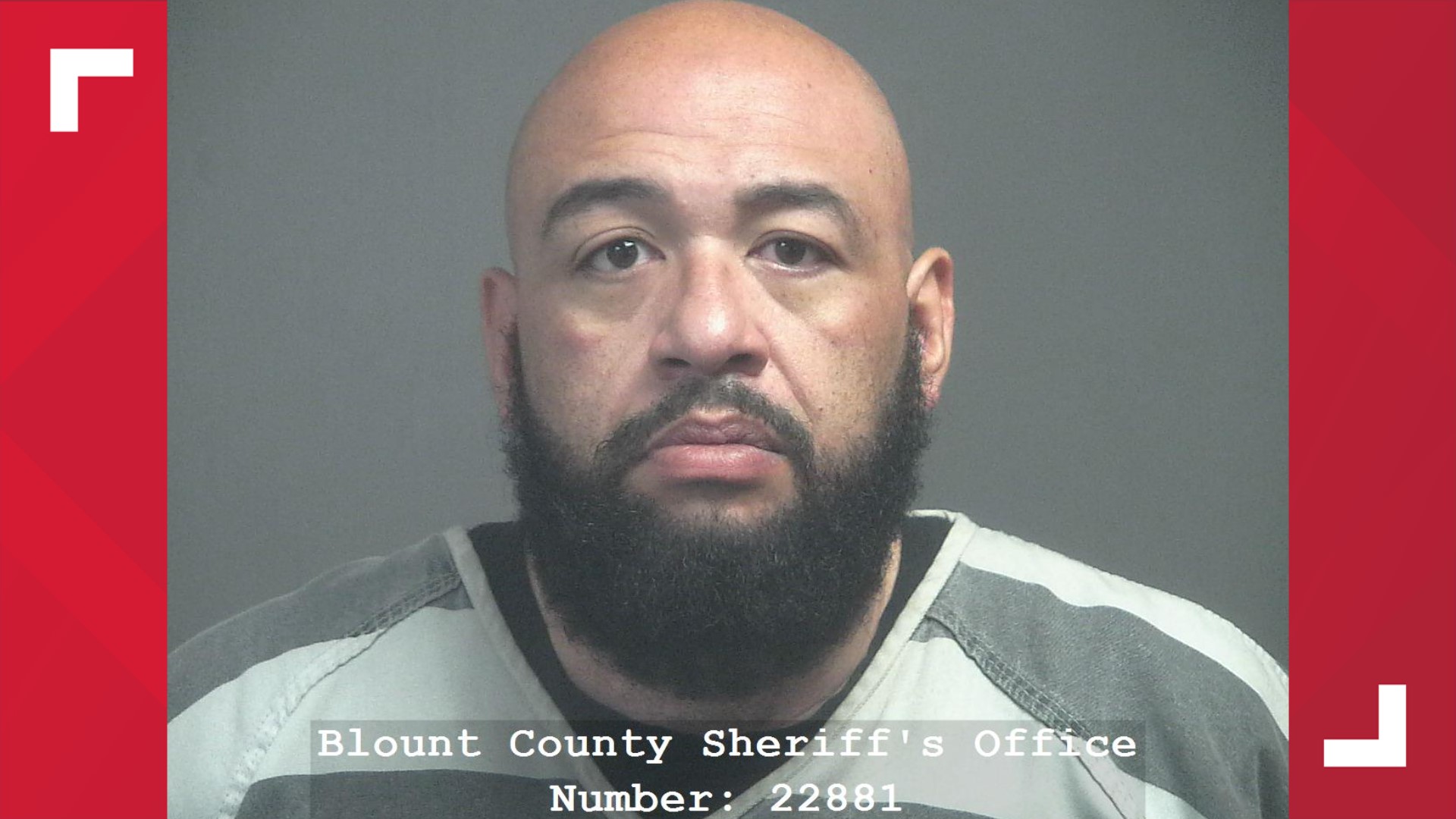
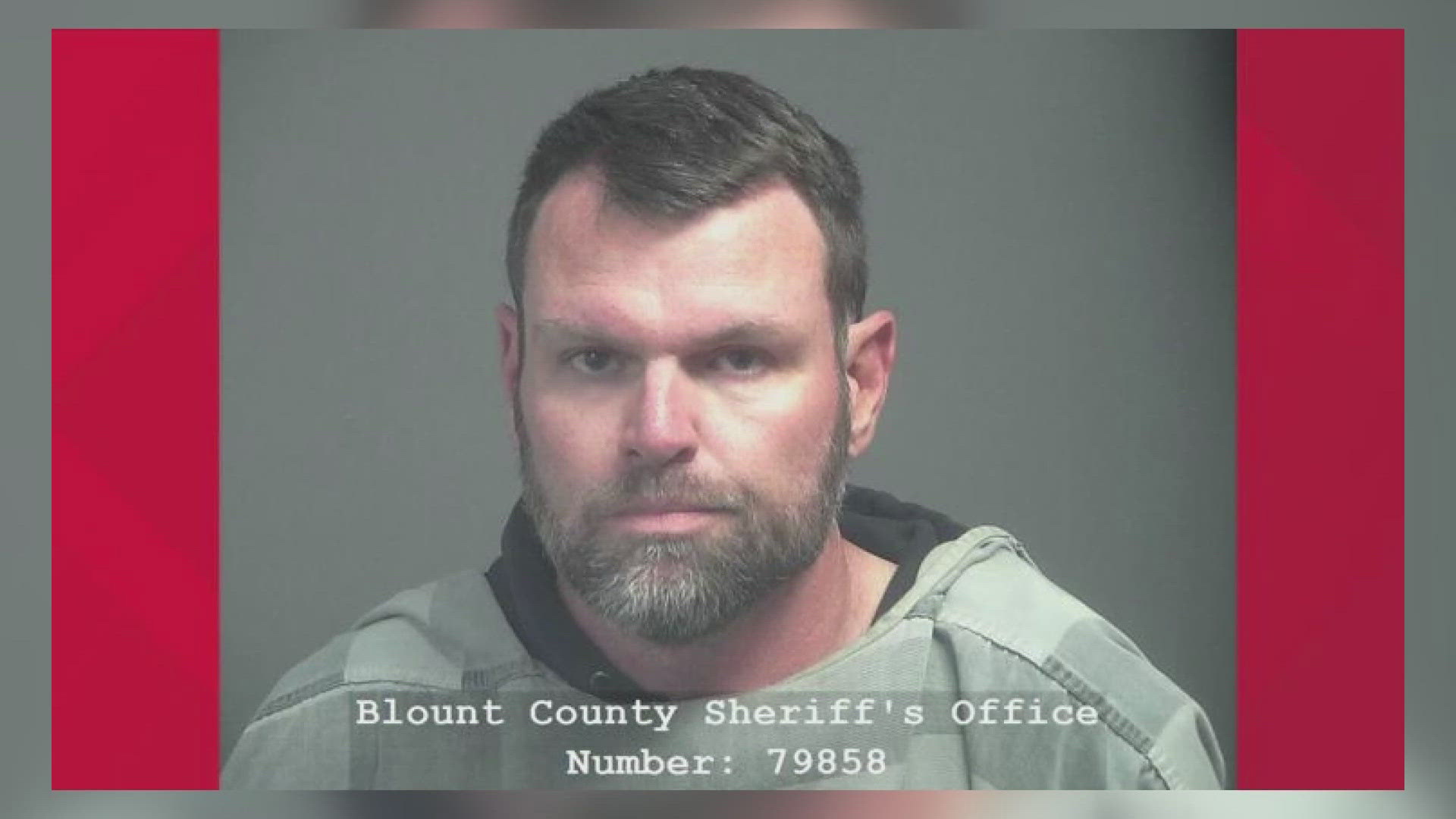
Are mugshots from Blount County available online to the public? While some agencies publish booking photos, the Blount County Sheriff’s Office generally reserves the right to manage the release of images to protect the integrity of investigations. Always check the official sheriff's website for their current policy on public photo release.
How do I confirm if a charge was dismissed in Blount County? You should contact the Blount County Circuit Clerk’s office. They hold the official court dockets which record the final disposition of every case, including dismissals, acquittals, or guilty pleas.
Can I perform a background check through the sheriff's office? Local sheriff offices are generally not the authorized entities for comprehensive background checks. For employment or housing, you should utilize the Alabama Law Enforcement Agency’s (ALEA) official criminal history background check service.
Are there fees associated with requesting records in 2026? Yes. Public agencies in Alabama are permitted to charge for the actual cost of document production, including personnel time for labor-intensive searches and the cost of paper or digital media used for the output.
What should I do if my public record is inaccurate? If you discover a clerical error, such as a case listed as "active" when it was dismissed years ago, you must contact the Clerk of the Court where the case originated. They are the only body authorized to update or correct judicial record entries.
Navigating Privacy and Ethics
Accessing arrest records carries a moral and legal weight. Information obtained via public record requests should never be used to harass, intimidate, or unlawfully discriminate against individuals. Employers, in particular, must ensure they are in compliance with the Equal Employment Opportunity Commission (EEOC) guidelines, which restrict how criminal history is used in hiring decisions.
In 2026, the shift toward "clean slate" legislation across the United States means that more attention is being paid to the lifecycle of a criminal record. If you are conducting research for legal or investigative purposes, maintain a strict adherence to the data provided by official sources and avoid relying on secondary databases that often lack the required judicial updates to reflect case dismissals or expungements.
Final Recommendations for Data Accuracy
When seeking information, prioritize primary sources. If you are a resident or a legal representative, the most reliable way to obtain information is through a formal Freedom of Information Act (FOIA) or state-level equivalent request directed specifically to the records custodian of the Blount County Sheriff's Office or the Clerk of the Court. This ensures that you receive the most current, verified documentation possible, minimizing the risks associated with third-party, unverified data sources.
Image Gallery