Navigating Grifols Freedom Plasma Donation Center in Wichita: A 2026 Guide for Donors
The Grifols Freedom Plasma Donation Center in Wichita provides a critical healthcare service by collecting source plasma used to manufacture life-saving protein therapies. Prospective donors must meet specific physical and health eligi...
The Grifols Freedom Plasma Donation Center in Wichita provides a critical healthcare service by collecting source plasma used to manufacture life-saving protein therapies. Prospective donors must meet specific physical and health eligibility requirements, follow registration protocols, and prepare for a medical screening process to ensure donor safety and product compliance.
Contents
Understanding the Role of Plasma Donation in 2026
Plasma is the straw-colored liquid portion of blood that contains essential proteins, antibodies, and clotting factors. Unlike whole blood donation, plasma donation uses a process called plasmapheresis. During this procedure, blood is drawn, the plasma is separated via a centrifuge, and the remaining red blood cells and platelets are returned to your body along with a saline solution to help you rehydrate.
In 2026, the medical demand for plasma remains high. Pharmaceutical companies like Grifols utilize this plasma to develop treatments for patients with rare and chronic conditions, such as primary immunodeficiencies, hemophilia, and alpha-1 antitrypsin deficiency. By choosing to donate at a licensed facility in Wichita, you are participating in a regulated bioscience supply chain that adheres to strict FDA oversight and plasma protein therapeutics industry standards.
Eligibility Criteria and Medical Prerequisites
Before your first visit to the Wichita center, it is essential to understand the basic requirements. Donors must be in good general health and meet specific biological benchmarks to ensure both their safety and the safety of the end-patient.
- Age and Weight Requirements: You must be at least 18 years old and typically weigh a minimum of 110 pounds.
- Identification: You are required to provide valid, government-issued photo identification, proof of Social Security number, and proof of your current Wichita area address (such as a utility bill or lease agreement).
- Health History: You will undergo a comprehensive medical history review. You must disclose any recent surgeries, tattoos, piercings, or travel to regions with specific infectious disease risks.
- Testing: During your initial visit and periodically thereafter, staff will test your blood for total protein levels, hematocrit (red blood cell volume), and markers for infectious diseases such as HIV and Hepatitis.
The Donation Process: A Step-by-Step Overview
Understanding the workflow at the Wichita center helps streamline your experience and reduces wait times. The facility operates under strict Standard Operating Procedures (SOPs) designed to maintain a sterile and efficient environment.
- Registration and Check-in: Upon arrival, you will use the facility’s donor portal or kiosk to check in. Ensure you have your ID and relevant documentation ready.
- Medical Screening: A trained technician will perform a physical exam, which includes checking your blood pressure, temperature, and pulse. They will also perform a finger-stick test to check your protein and hematocrit levels.
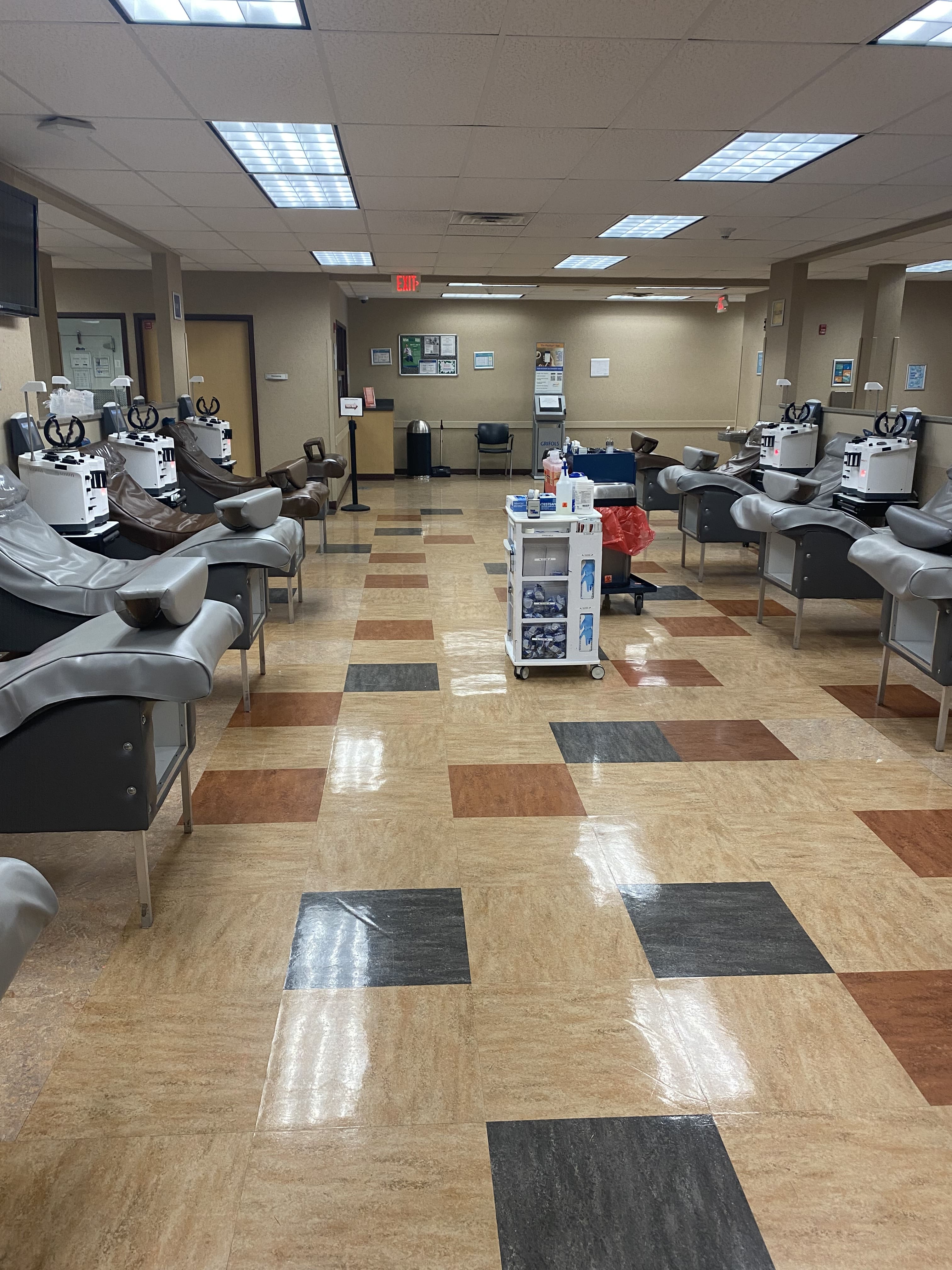
- The Donation Procedure: Once cleared, you will be seated in a collection chair. The technician will perform a venipuncture. The entire procedure generally takes between 60 to 90 minutes depending on your body weight and the volume of plasma collected.
- Post-Donation Recovery: After the machine alerts the technician that the cycle is complete, you will be monitored for a short period to ensure you are feeling well before leaving the facility.
Comparison of Donation Benefits and Requirements
The following table outlines the operational standards for plasma donation centers in the United States, including the Wichita location, as of 2026.
| Feature | Requirement / Status |
|---|---|
| Minimum Age | 18 Years Old |
| Minimum Weight | 110 Pounds |
| Primary Requirement | Valid Photo ID & Proof of Address |
| Health Screening | Mandatory at every visit |
| Plasma Separation | Automated Plasmapheresis |
| Regulatory Body | FDA (Food and Drug Administration) |
Preparing for Your Appointment
To ensure your iron and protein levels are within the acceptable range for a successful donation, preparation begins hours, if not days, before your appointment.
Nutritional Guidelines for Donors Hydration Strategy: Aim to drink at least 16 to 20 ounces of water or electrolyte-rich fluids before your appointment. Proper hydration makes the vein easier to locate and facilitates a faster collection cycle. Dietary Recommendations: Consume a meal rich in iron and protein within two hours of your visit. Avoid high-fat foods, as elevated lipids in your blood can make the plasma appear cloudy, potentially rendering it unusable for manufacturing. Lifestyle Considerations: Refrain from alcohol consumption for at least 24 hours prior to donating, and avoid smoking or intense physical exercise immediately before or after your session to prevent lightheadedness.
Common Operational FAQs
Donors often have questions regarding the safety and compensation aspects of the donation process. Below are the most frequent inquiries.
Is it safe to donate plasma regularly? Yes, provided you follow the health guidelines provided by the center. The equipment used in 2026 is strictly sterile, and all disposables, including needles and tubing, are single-use only, ensuring that there is zero risk of blood-borne pathogen transmission.
How often can I donate at the Wichita center? FDA regulations limit the frequency of plasma donation to no more than twice in any seven-day period, with at least one full day of rest in between donations. The computerized tracking system at the center will automatically prevent you from scheduling if you have reached this limit.
What happens if I fail the initial health screening? If your iron or protein levels are outside the acceptable range, you will be deferred. This is not necessarily a permanent ban; usually, it is a temporary hold to allow your body to recover. You will be advised on how to adjust your diet or hydration and encouraged to return once your levels stabilize.
Does the center accept health insurance? No, plasma donation centers do not interact with your health insurance. You are not a patient at the center; you are a donor. Therefore, no medical coverage, including Medicare or Medicaid, is applicable or required for the donation process.
Can I donate if I am taking medication? Most common medications, such as birth control or mild blood pressure management drugs, are acceptable, but you must disclose all medications during your screening. Some drugs, such as certain antibiotics or blood thinners, may result in a temporary or permanent deferral based on the specific manufacturing requirements for the plasma.
Expert Recommendations for Long-Term Donors
To maintain your eligibility and ensure the best physical experience, track your donor health data through the official Grifols donor app. This tool allows you to monitor your donation frequency and manage your compensation payments.
If you experience any adverse effects, such as a hematoma at the puncture site or prolonged dizziness, report these to the center staff immediately. They are trained to provide guidance on site care, such as applying ice or pressure, and to record these incidents to ensure you remain a healthy and compliant donor. For further technical specifications regarding the safety of plasmapheresis, refer to the guidance documents published by the Plasma Protein Therapeutics Association (PPTA).
Image Gallery