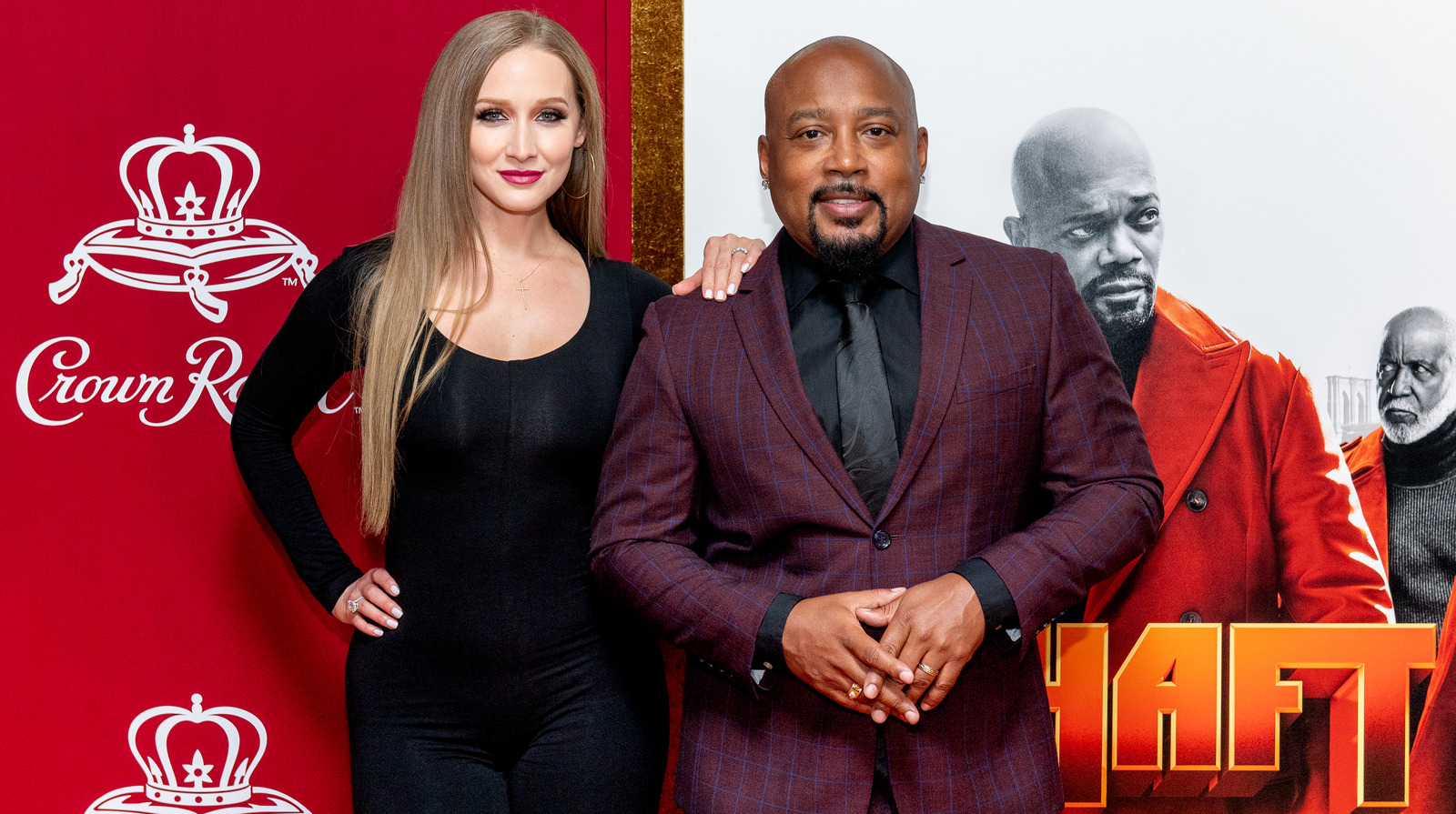
Daymond John Net Worth in the Shark Tank Era
As of 2026, Daymond John’s net worth is estimated to be between $350 million and $400 million. While he achieved initial fame as the founder of the hip-hop apparel brand FUBU, his financial trajectory during the Shark Tank era has been...
As of 2026, Daymond John’s net worth is estimated to be between $350 million and $400 million. While he achieved initial fame as the founder of the hip-hop apparel brand FUBU, his financial trajectory during the Shark Tank era has been defined by aggressive portfolio diversification, high-value consulting through The Shark Group, and the massive scaling of investments like Bombas.
Contents
Daymond John’s transition from a fashion mogul to a global venture capitalist represents one of the most successful brand pivots in modern American business. Known as "The People's Shark," John entered the ABC reality series in 2009 with a fortune primarily tied to the legacy and licensing of FUBU. Over the subsequent seventeen seasons, his wealth has shifted from being concentrated in a single industry to a broad-based empire encompassing retail, food and beverage, technology, and professional services.
The Foundation: FUBU and Pre-Shark Tank Wealth
To understand Daymond John’s financial standing in 2026, one must acknowledge the "Power of Broke" philosophy that fueled his initial rise. Founded in 1992 in his mother’s basement in Queens, FUBU (For Us, By Us) became a cultural phenomenon that defined 1990s streetwear. At its peak, the company was generating over $350 million in annual revenue.
By the time Shark Tank premiered in 2009, John had already experienced the full cycle of a fashion brand—explosive growth, global saturation, and eventual stabilization through licensing. While FUBU's primary relevance in the U.S. market shifted toward nostalgia and specific retail partnerships, its international licensing remained a steady source of cash flow. This liquidity allowed John to position himself as a venture capitalist, providing the "dry powder" necessary to compete with the likes of Mark Cuban and Kevin O’Leary on national television.
The Shark Tank Portfolio: Driving the Growth
During the Shark Tank era, John has invested millions of dollars across more than 100 companies. While not every deal closed on the show survives the due diligence phase or the rigors of the market, his "winners" have significantly outpaced his losses, contributing to a net worth that has remained resilient through various economic cycles.
The Bombas Phenomenon
Perhaps the most significant contributor to Daymond John's wealth during this era is his investment in Bombas, a comfort-focused apparel brand. John invested $200,000 for a 17.5% stake in the company during Season 6. Since then, Bombas has surpassed $1 billion in cumulative revenue. As a lead investor in one of the show's most profitable companies, John's equity value in Bombas alone accounts for a substantial portion of his liquid and paper wealth. The brand’s expansion from socks into t-shirts and underwear has further solidified its valuation, proving that John’s expertise in apparel remains his strongest competitive advantage.
Diversification into Food and Logistics
Beyond apparel, John has used the Shark Tank platform to enter sectors with high repeat-purchase rates. His investment in Bubba’s-Q Boneless Ribs (owned by former NFL player Al "Bubba" Baker) showcased his ability to scale a niche product into national grocery chains. Similarly, his investment in Mission Belt, a "no-holes" belt company, capitalized on his deep knowledge of the accessory supply chain. These investments operate on a high-volume, low-margin-to-high-scale model that provides consistent dividend distributions.
The Shark Group: Monetizing the Persona
A critical but often overlooked component of John’s net worth in 2026 is The Shark Group. Based in Manhattan, this brand management and consulting agency was born directly from his elevated profile on Shark Tank. The agency works with Fortune 500 companies to develop integrated marketing strategies, celebrity partnerships, and brand extensions.
The Shark Group effectively allows John to monetize his expertise without the capital risk associated with direct equity investments. By charging high-level consulting fees and retainers, he has created a service-based revenue stream that complements his investment income. This business model leverages his "Shark" persona, making his presence on the show a massive lead-generation engine for his private consulting work.
Books, Speaking, and Intellectual Property
The Shark Tank era also transformed Daymond John into a New York Times bestselling author. His books, including The Power of Broke, Rise and Grind, and Powershift, serve dual purposes: they generate direct royalty income and increase his value on the global speaking circuit.
As of 2026, John remains one of the most sought-after keynote speakers in the entrepreneurial space. With fees often ranging from $50,000 to $100,000 per engagement, his speaking career provides a high-margin revenue stream that is independent of market fluctuations or the performance of his portfolio companies. Furthermore, his production deals and appearances on other media platforms contribute to a diversified "personal brand" revenue stack.
Financial Breakdown of the Shark Tank Era Assets
The following table outlines the estimated distribution of Daymond John's financial interests as of 2026.
| Asset Category | Primary Components | Estimated Role in Net Worth |
|---|---|---|
| Legacy Brand | FUBU global licensing and trademarks | Significant (Passive Cash Flow) |
| Venture Portfolio | Bombas, Mission Belt, Bubba's-Q, 100+ startups | Dominant (High Equity Value) |
| Professional Services | The Shark Group (Consulting & Marketing) | High (Consistent Annual Revenue) |
| Intellectual Property | Book royalties, Masterclasses, Speaking fees | Moderate (High Margin) |
| Real Estate | Commercial and residential holdings (NY, FL) | Moderate (Asset Stability) |
Comparison Within the Shark Tank Ecosystem
In the hierarchy of the "Sharks," Daymond John occupies a unique middle ground. While his net worth does not match the multi-billion-dollar status of Mark Cuban or the vast manufacturing-derived wealth of guest sharks like Daniel Lubetzky, he consistently outranks the net worth of several other regular cast members.
John’s wealth is characterized by brand equity. Unlike some investors who focus on SaaS (Software as a Service) or fintech, John’s portfolio is heavily weighted toward consumer packaged goods (CPG). This makes his net worth more susceptible to retail trends but also provides him with a tangible asset base that is easier to market to the "Shark Tank" audience. His ability to identify "hustle-based" businesses—those that require heavy branding and personality—has allowed him to extract maximum value from companies that might not fit the investment criteria of a traditional Silicon Valley venture capitalist.
Long-Term Asset Management and Sustainability
By 2026, Daymond John has increasingly focused on wealth preservation and legacy. This includes significant philanthropic efforts through the NAACP and various entrepreneurial programs for underrepresented youth. From a financial perspective, this shift is often accompanied by a transition from high-risk seed investing to more stable, mid-market private equity plays.
He has also maintained a disciplined approach to his lifestyle expenses, often citing his early failures with money during the first wave of FUBU’s success as a lesson in fiscal responsibility. This discipline ensures that his net worth remains insulated from the "lifestyle creep" that often affects high-profile celebrities.
Frequently Asked Questions
What is Daymond John's most successful Shark Tank investment? The most successful investment in Daymond John’s portfolio is Bombas. Initially a sock company with a buy-one-give-one mission, it has grown into a massive apparel brand with over $1 billion in lifetime sales. John’s early $200,000 investment is now worth significantly more, contributing a large percentage to his overall net worth.
How much does Daymond John get paid per episode of Shark Tank? While exact contracts are private, it is estimated that the primary Sharks earn upwards of $50,000 per episode as of the mid-2020s. However, for an investor like John, the per-episode salary is secondary to the branding opportunities and the deal flow the show provides for his other businesses.
Does Daymond John still own FUBU? Yes, Daymond John remains the founder and a primary stakeholder in FUBU. While the brand is no longer the dominant force in American retail that it was in the 1990s, it maintains significant value through international licensing deals and periodic "throwback" collections with major retailers.
Is Daymond John the richest Shark on the show? No, Daymond John is not the richest Shark. Mark Cuban, with a net worth in the billions, holds that title. However, John is consistently among the top three or four wealthiest regular Sharks, often cited alongside Kevin O’Leary and Lori Greiner.
How does The Shark Group contribute to his wealth? The Shark Group is a consulting firm that allows John to leverage his fame to help established corporations with branding and marketing. This provides a steady, high-margin income that does not require him to risk his own capital, unlike his venture capital investments on Shark Tank.
Practical Recommendation for Aspiring Entrepreneurs
For those looking to emulate Daymond John’s financial success, the key takeaway from his Shark Tank era is the importance of brand diversification. John did not rely solely on his fashion background; he used his platform to build a service business (The Shark Group) and a media presence (Books and Speaking).
To build a resilient net worth, entrepreneurs should focus on creating multiple streams of income: one based on equity (investments), one based on expertise (consulting/speaking), and one based on legacy assets (licensing). By following this "three-pillar" approach, you can maintain financial stability even when a specific industry—like retail or fashion—undergoes a downturn.
Image Gallery