Is Campbell’s Chicken Noodle Soup Good for Diarrhea?
When dealing with a bout of acute gastrointestinal distress, reaching for a comforting bowl of Campbell’s chicken noodle soup is a longstanding household tradition. However, while warm broths can provide necessary fluid replenishment,...
When dealing with a bout of acute gastrointestinal distress, reaching for a comforting bowl of Campbell’s chicken noodle soup is a longstanding household tradition. However, while warm broths can provide necessary fluid replenishment, classic canned condensed soup contains high amounts of sodium, processed noodles, and added preservatives that may not be ideal for a sensitive, inflamed digestive tract.
Contents
Understanding Diarrhea and Nutritional Needs
Diarrhea occurs when food and liquids pass through the colon too quickly, preventing the body from absorbing water and essential nutrients properly. This rapid transit leads to frequent, loose, or watery stools and significantly increases the risk of dehydration and electrolyte imbalances, particularly loss of sodium and potassium.
When managing acute diarrhea, dietary intervention focuses primarily on two goals: preventing severe dehydration and avoiding foods that irritate the intestinal lining or stimulate excessive bowel motility. Medical guidance typically recommends consuming clear broths, diluted fruit juices, electrolyte solutions, and bland, low-fiber foods that require minimal digestive effort.
Heavy, greasy, spicy, or high-sugar items are universally discouraged because they can draw more water into the gut via osmosis or accelerate gut transit time, worsening symptoms. Understanding how a processed food item like Campbell’s Chicken Noodle Soup fits into these parameters requires a closer look at its specific ingredients and nutritional profile.
Nutritional Profile of Campbell’s Chicken Noodle Soup
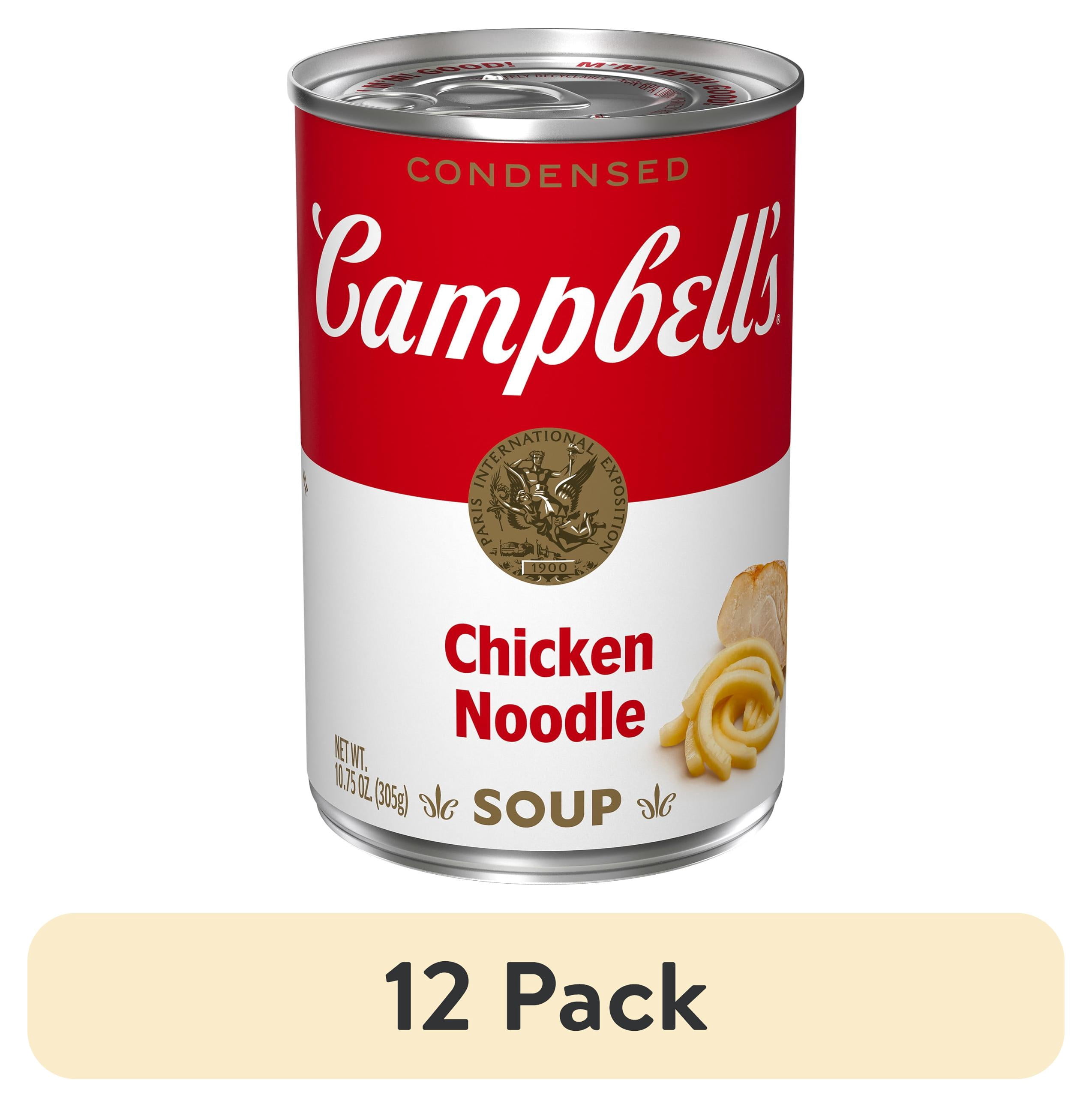
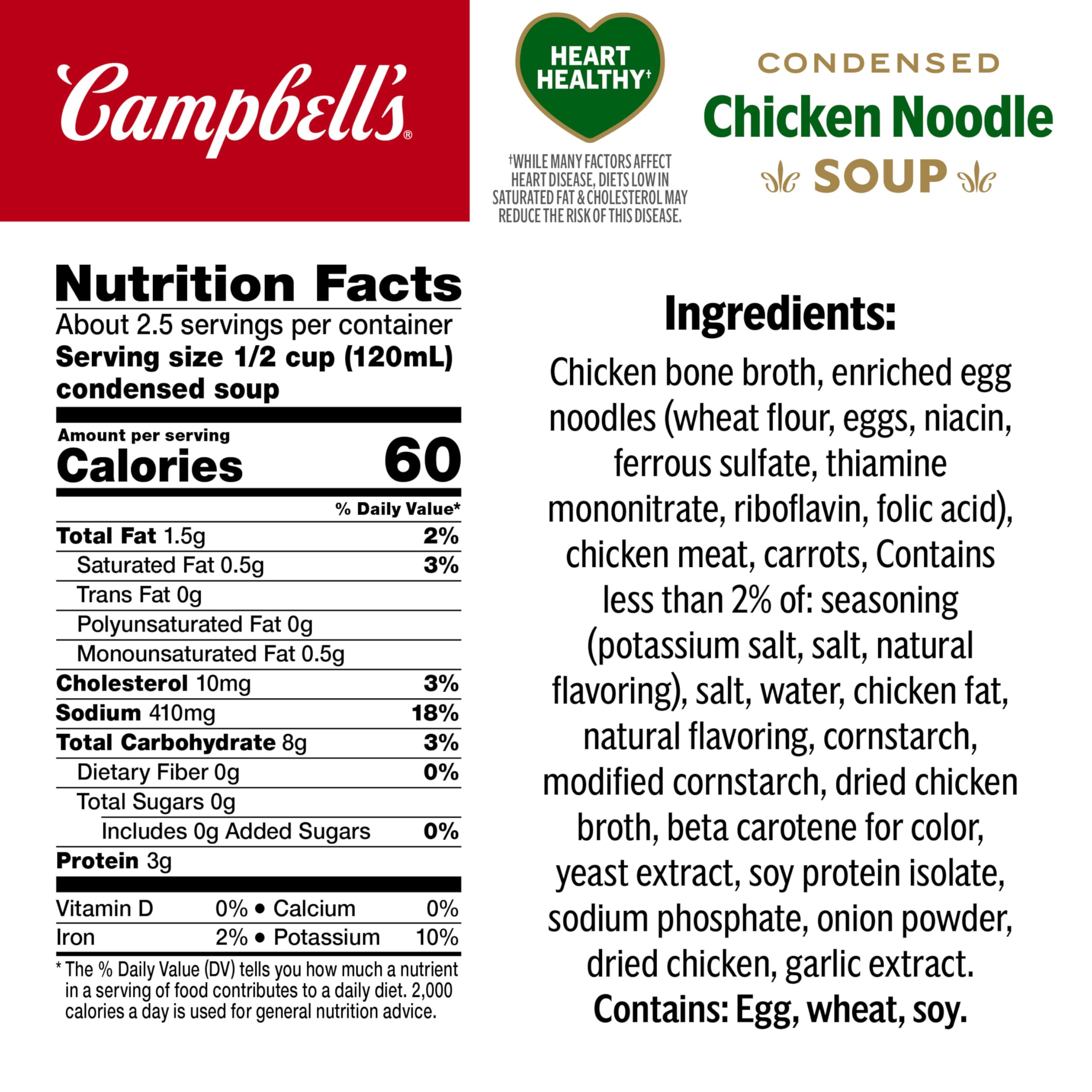
To determine whether Campbell's classic canned soup is a good choice during digestive upset, it is necessary to examine what the can actually contains. A standard serving (typically half a can of the condensed variety, prepared with water) delivers a specific mix of macronutrients, sodium, and additives.
Sodium and Fluid Balance
One of the primary physiological concerns during diarrhea is the rapid depletion of electrolytes, especially sodium and chloride. Broths are frequently recommended because they supply salt, which helps the body retain water. Campbell’s chicken noodle soup is relatively high in sodium, with a single serving often containing a substantial percentage of the recommended daily intake. While this sodium content can help replace lost salts, the extreme concentration in commercially canned soups can sometimes cause osmotic shifts in a sensitive stomach, potentially leading to cramping or worsening loose stools if consumed without dilution.
Fats, Lipids, and Digestion
Fatty foods are notorious for triggering contractions in the colon, which can exacerbate diarrhea. Fortunately, traditional Campbell's chicken noodle soup is relatively low in total fat, containing minimal amounts of saturated fat from the chicken broth and small pieces of chicken. This low-fat profile is a distinct advantage over creamy soups or fried foods, making it gentler on a compromised digestive system.
Carbohydrates and Fiber Content
The soup contains enriched egg noodles, which provide easily digestible carbohydrates for quick energy. However, these are refined white flour noodles rather than whole grains, meaning they are very low in dietary fiber. In the context of diarrhea, this is actually beneficial; low-fiber, bland carbohydrates add bulk to stool without irritating the intestinal mucosa or accelerating bowel movements, unlike high-fiber vegetables or whole grains.
Potential Drawbacks of Canned Soup During GI Distress
Despite its comforting reputation, a standard can of Campbell’s chicken noodle soup comes with several formulation aspects that may not agree with someone experiencing acute gastrointestinal illness.
- High Sodium and Additives: The heavy reliance on salt and flavor enhancers can sometimes irritate an already inflamed stomach lining.
- Processed Ingredients: Monosodium glutamate (MSG), preservatives, and artificial flavorings are often included in commercial canned soups. These chemical additives can occasionally trigger adverse reactions or exacerbate nausea in sensitive individuals.
- Hidden Spices and Aromatics: While marketed as a simple comfort food, the broth frequently contains onion powder, garlic powder, celery extract, and black pepper. During active diarrhea or gastritis, these aromatic alliums and spices can act as localized irritants, causing cramping or acid reflux.
- Lack of Complete Electrolytes: While it provides sodium, it lacks adequate potassium and magnesium—key electrolytes lost during prolonged bouts of diarrhea that are better replenished by oral rehydration solutions, bananas, or broths made from scratch.
Comparing Dietary Options for Upset Stomachs
When choosing a liquid or semi-solid meal during a bout of gastroenteritis, comparing commercially processed canned soup against alternative options highlights the best choices for recovery.
| Food or Beverage Option | Sodium Content | Fat Level | Ease of Digestion | Best Used For |
|---|---|---|---|---|
| Campbell’s Chicken Noodle Soup | High | Low | Moderate | Mild symptoms, hydration support, and comfort |
| Plain Homemade Chicken Broth | Adjustable | Very Low | High | Initial hydration, electrolyte replacement, severe nausea |
| Oral Rehydration Solutions (Pedialyte) | Balanced (Specific) | Zero | Very High | Preventing dehydration and severe electrolyte loss |
| Plain White Rice / BRAT Diet Foods | Low | Low | High | Binding stools and providing slow-release energy |
| Creamy or Dairy-Based Soups | Variable | High | Low | Avoid (worsens diarrhea and cramping) |
Better Ways to Consume Canned Soup During Illness
If you already have Campbell’s chicken noodle soup on hand and wish to use it during recovery, modifying how it is prepared and consumed can significantly reduce the risk of aggravating your digestive tract.
Dilution and Moderation
Consider diluting the condensed soup with a slightly higher ratio of water than recommended on the label, or mix it with plain chicken broth. This reduces the concentration of sodium, preservatives, and spices per spoonful, making it much gentler on the stomach lining while still providing adequate warmth and fluid intake.
Focus on the Broth and Noodles
When eating the soup, focus primarily on consuming the clear broth and the soft noodles while leaving behind the dense pieces of chicken or any heavily seasoned vegetable bits if your stomach feels particularly raw. The liquid provides necessary hydration, and the soft noodles supply easily assimilated carbohydrates without overworking the gastrointestinal tract.
Temperature and Pace
Consume the soup when it is warm rather than piping hot. Extreme temperatures can stimulate the digestive tract and trigger spasms. Eat slowly, taking small spoonfuls over an extended period, rather than consuming a large bowl quickly, which can stretch the stomach and provoke sudden bowel movements.
Frequently Asked Questions
Can canned chicken noodle soup cause diarrhea to get worse?
Yes, in some cases. The high sodium concentration, added preservatives, and hidden spices like onion and garlic powder found in commercial brands like Campbell’s can irritate an inflamed gut lining or cause osmotic shifts that maintain loose stools.
Is homemade chicken soup better than Campbell’s for diarrhea?
Generally, yes. Homemade chicken soup allows you to control the exact ingredients, keeping sodium levels moderate and omitting heavy spices, synthetic preservatives, and processed flavor enhancers that might upset a sensitive digestive system.
What should I eat alongside chicken noodle soup when sick?
Sticking to the traditional bland diet principles works best. Simple foods like plain white rice, boiled potatoes without skin, plain toast, and bananas complement chicken soup by providing binding properties and steady energy without stressing the gut.
When should I stop eating soup and see a doctor for diarrhea?
You should consult a healthcare professional if your diarrhea persists for more than 48 hours without improvement, if you notice signs of severe dehydration (such as extreme thirst, dizziness, or dark urine), if you experience high fever, or if you see blood or black stools.
Conclusion and Next Actions
While a warm bowl of Campbell’s chicken noodle soup offers psychological comfort and some fluid intake during a minor illness, it is not a specialized medical remedy for diarrhea. Its high sodium and processed additive content mean it should be consumed cautiously, preferably diluted, or substituted with plain broths and targeted oral rehydration solutions during the acute phase of gastrointestinal distress. Focus on gentle hydration, listen to your body’s response, and transition back to a normal diet gradually as symptoms subside.
Image Gallery