The Taylor Swift Pregnant Shirt Explained: Decoding the Viral Fashion Moments and Fandom Culture
The "Taylor Swift pregnant shirt explained" search query refers to the viral internet discourse, fan memes, and specific satirical or customized clothing items that have circulated online falsely implying pregnancy announcements, along...
The "Taylor Swift pregnant shirt explained" search query refers to the viral internet discourse, fan memes, and specific satirical or customized clothing items that have circulated online falsely implying pregnancy announcements, alongside the actual designer pieces worn by the pop superstar that have sparked massive public speculation.
Contents
Understanding the Phenomenon of Viral Celebrity Fashion and Fandom Speculation
Celebrity culture exists in a perpetual state of hyper-analysis, where every wardrobe choice, subtle gesture, and accessory is scrutinized for hidden meanings, easter eggs, and future announcements. Among global superstars, few artists command the level of forensic attention directed at Taylor Swift. Within her massive, deeply engaged fandom, clothing is rarely treated as mere fabric; it is viewed as a canvas for storytelling, narrative progression, and cryptographic signaling.
When phrases like the "Taylor Swift pregnant shirt" trend across search engines and social media platforms like TikTok, X (formerly Twitter), and Instagram, they usually stem from a mix of satirical merchandise sold by independent creators, AI-generated imagery, and misinterpretations of high-end designer garments worn during public appearances. To understand why these fashion items capture public imagination, one must examine the intersection of internet meme culture, the mechanics of viral merchandise production, and the boundaries of privacy surrounding public figures.
The Origins of the "Pregnant Shirt" Rumors in Fandom Culture
Fandom speculation regarding Taylor Swift's personal life is a persistent aspect of contemporary pop culture. Over the years, internet users have frequently analyzed her stage costumes, street style, and red-carpet ensembles for signs that might align with life milestones. However, the specific focus on a "pregnant shirt" typically points to a few distinct cultural touchpoints rather than an official statement or verified wardrobe malfunction.
Custom and Novelty Merchandise
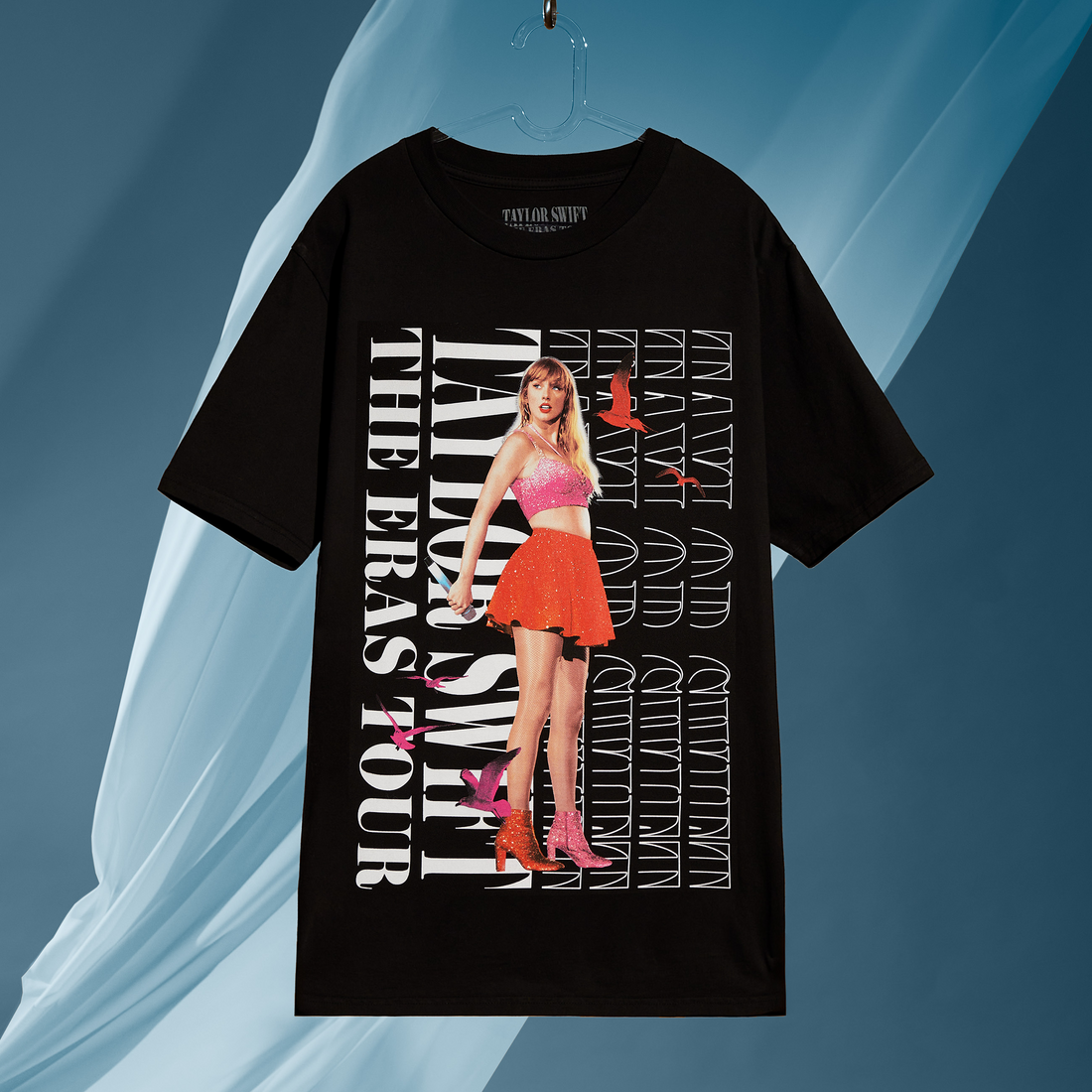
A significant driver of search traffic surrounding pregnancy-themed shirts involves third-party novelty items. Independent creators on marketplaces like Etsy, Redbubble, and Teespring frequently capitalize on viral moments, tour themes, and fan inside jokes. Shirts bearing slogans, satirical graphics, or altered album art playfully hinting at pregnancy rumors are often created as gag gifts for concerts, such as the Eras Tour. When fans wear these items to stadium shows, photos or videos of them frequently circulate online out of context, leading casual observers to mistake fan-made humor for actual news.
Misinterpreted High-Fashion Silhouettes
High fashion frequently employs avant-garde cuts, voluminous draping, and non-traditional tailoring that can distort natural silhouettes when photographed from awkward angles or under harsh lighting. On several occasions, loose-fitting designer shirts, billowy blouses, or structured corsetry worn by Swift have been subjected to intense scrutiny by tabloid media and speculative online communities. These garments, designed purely for aesthetic impact or comfort, are often sensationalized by clickbait headlines, generating widespread searches for clarity regarding what she wore and why she wore it.
Designer Outfits vs. Novelty Merchandise: A Comparative Breakdown
To separate fact from fiction, it is helpful to look at how high-end fashion choices are misconstrued compared to how fan-made novelty items enter the digital ecosystem. The table below outlines the primary categories of shirts associated with these viral moments, their origins, and how they influence public perception.
| Category | Typical Origin | Purpose and Intent | Public Reaction and Misinterpretation |
|---|---|---|---|
| High-Fashion Designer Shirts | Luxury fashion houses (e.g., Vivienne Westwood, Stella McCartney) | Red-carpet appearances, music videos, or high-profile public outings. | Often feature complex draping or oversized fits that tabloids speculate about, leading to unfounded rumors. |
| Eras Tour Novelty Merch | Third-party independent sellers and creators | Fan self-expression, concert humor, and community inside jokes. | Frequently mistaken by outsiders for official merchandise or literal personal announcements when posted on social media. |
| AI-Generated Imagery | Anonymous digital creators using generative tools | Engagement bait, click-farming, or satirical commentary. | Spreads rapidly across social platforms, tricking algorithms and viewers into believing fake clothing items exist in reality. |
The Mechanics of Viral Misinformation and AI Imagery
In recent years, the rise of advanced generative artificial intelligence has fundamentally altered how rumors about public figures spread. Fabricated images depicting celebrities in specific outfits—including customized or text-heavy shirts—can be generated in seconds and shared widely before being debunked.
When a viral image of a celebrity in a questionable or unexpected shirt surfaces, search engine queries spike as users look for context. Fact-checking communities, fan archives, and entertainment journalism outlets generally rush to trace the origin of the image, comparing red-carpet photography archives with the viral claims. In almost all instances involving the "pregnant shirt" searches, the imagery is traced back to digital manipulation, fan-edited concert photos, or entirely unrelated garments whose silhouettes were exaggerated by camera angles.
Navigating Tabloid Culture and Parasocial Relationships
The intense focus on a pop star's body and wardrobe highlights broader conversations regarding parasocial relationships—the one-sided psychological bonds that media consumers form with public figures. When fans or media outlets obsess over physical appearance or read too deeply into loose clothing, it reflects a persistent cultural fascination with milestones like marriage and children.
Entertainment analysts and privacy advocates frequently criticize the rapid spread of body-speculation trends, noting that projecting life events onto a public figure based on clothing choices invades personal boundaries. Understanding the context behind these viral searches helps contextualize how internet algorithms reward sensationalism over factual reality.
Frequently Asked Questions
Did Taylor Swift release an official pregnancy announcement shirt?
No. There has never been an official merchandise item released by Taylor Swift's official store indicating a pregnancy. Any official apparel is strictly tied to album releases, eras, tours, and standard music merchandise.
Why do rumors about celebrity pregnancies start from clothing choices?
Tabloid media and speculative internet subcultures often rely on confirmation bias, interpreting standard fashion choices—such as oversized shirts, empire waistlines, or layered winter clothing—as deliberate hidden messages or physical changes.
Are novelty shirts sold at the Eras Tour?
While official merchandise trucks sell authorized tour hoodies, t-shirts, and canvas bags, unofficial fan-made merchandise is frequently worn by concertgoers. These independent items often feature humorous or satirical slogans designed by fans for the stadium environment.
How can you verify if a viral celebrity photo is real?
To verify a viral image, check reputable news outlets, official social media accounts, and high-resolution photo agencies like Getty Images. If a major life event or unique wardrobe choice occurred, it will be documented by primary news sources rather than anonymous social media accounts.
What should I do if I see clickbait headlines about celebrity clothing?
Readers should approach sensationalized headlines with skepticism, looking for original sources, unedited video footage, and verification from established entertainment journalism standards before accepting speculative claims as fact.
Practical Next Actions
If you encounter viral posts, videos, or shopping links claiming to reveal exclusive context behind celebrity fashion items, verify the source before sharing. Support independent creators who clearly label fan-made novelty items, and rely on verified photo archives to distinguish between real designer garments, satirical merchandise, and artificially generated imagery.
Image Gallery