Finding a Dental Provider in Florida: Your 2026 Complete Search and Selection Guide
Finding a dental provider in Florida requires navigating a diverse healthcare landscape encompassing private practices, large dental support organizations (DSOs), federally qualified health centers, and specialized insurance networks....
Finding a dental provider in Florida requires navigating a diverse healthcare landscape encompassing private practices, large dental support organizations (DSOs), federally qualified health centers, and specialized insurance networks. Whether you hold private PPO coverage, state-backed Medicaid, or Medicare Advantage benefits, understanding how to verify credentials, evaluate network participation, and assess clinical quality will streamline your search across the Sunshine State.
Contents
Understanding the Florida Dental Landscape and Provider Networks
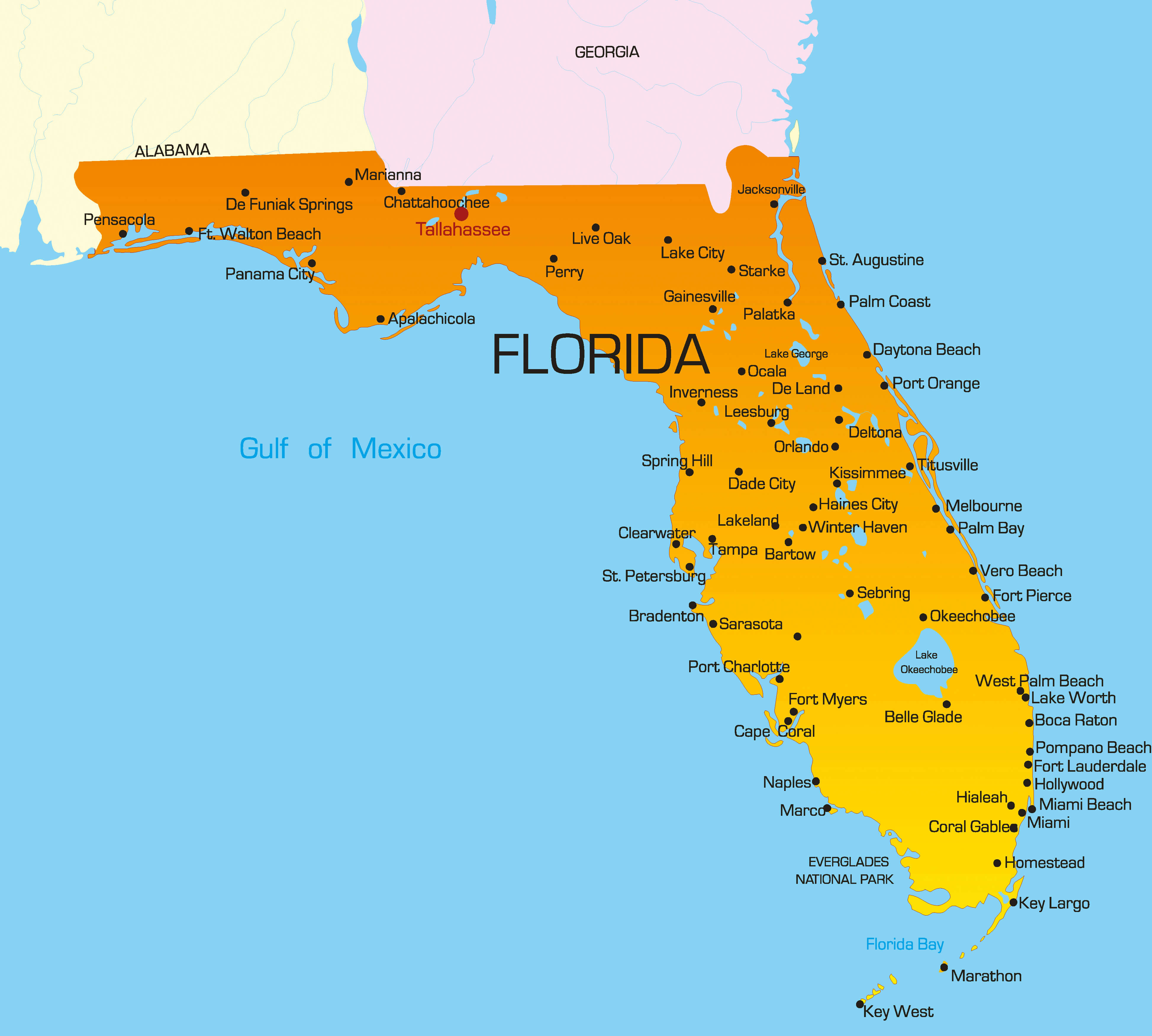
The dental care ecosystem in Florida features a high concentration of practitioners, particularly in metropolitan hubs like Miami-Dade, Broward, Palm Beach, Orange, and Hillsborough counties. However, availability varies significantly between urban centers and rural regions such as the Panhandle or the heartland communities around Lake Okeechobee.
When searching for a dentist in Florida, you must first determine how your care will be financed. Dental plans generally fall into three distinct categories:
- Dental Health Maintenance Organization (DHMO): Requires you to select a primary care dentist from a specific network. Referrals are typically mandatory for specialist care like endodontics or oral surgery, but out-of-pocket costs for routine preventive visits are often low or zero.
- Preferred Provider Organization (PPO): Offers greater flexibility by allowing you to visit any licensed dentist, though visiting in-network providers maximizes your annual benefit limits and reduces coinsurance percentages.
- Discount Dental Plans: Not insurance, but subscription-based arrangements where participating dentists agree to provide services at predetermined, discounted rates.
Verify whether a prospective dental office maintains active contracts with your specific carrier. Florida is home to major regional and national insurers including Delta Dental of Florida, Cigna Dental, UnitedHealthcare, and Humana. Always cross-reference the dentist's name directly on the official insurance carrier portal rather than relying solely on the dental office's website, as network participation updates frequently.
Key Factors to Evaluate When Choosing a Florida Dentist
Selecting the right oral health professional involves more than confirming insurance acceptance. Evaluating clinical competency, office technology, and practice environment ensures long-term satisfaction and optimal oral health outcomes.
Professional Credentials and Licensing Verification
Every practicing dentist in Florida must hold an active license issued by the Florida Department of Health (FLDOH) via the Board of Dentistry. You can verify a dentist's licensure status, check for any historical disciplinary actions, and confirm their educational background through the FLDOH online portal. Additionally, look for memberships in professional organizations such as the Florida Dental Association (FDA) and the American Dental Association (ADA), which indicate a commitment to continuing education and ethical standards.
Technological Integration and Modern Procedures
Modern dental practices leverage advanced diagnostic and treatment technologies to improve patient comfort and clinical precision. When evaluating a clinic, inquire about their use of:
- Digital Radiography: Reduces radiation exposure and provides instant image processing for accurate diagnostics.
- Cone-Beam Computed Tomography (CBCT): Essential for precise implant planning, root canal evaluations, and complex oral surgery.
- Intraoral Scanners: Replaces traditional, uncomfortable physical impression trays with rapid digital 3D mapping.
- CAD/CAM Systems: Enables same-day ceramic crowns and restorations, eliminating the need for temporary crowns and multiple appointments.
Comparing Dental Practice Models in Florida
| Practice Type | Advantages | Potential Drawbacks | Best Suited For |
|---|---|---|---|
| Solo Private Practice | Highly personalized care, consistent provider relationship, tailored treatment pacing. | Limited operating hours, potential staffing shortages, fewer specialized services under one roof. | Patients seeking long-term continuity and individualized attention. |
| Dental Support Organizations (DSOs) | Extended hours, modern facilities, multi-specialty collaboration within a single location. | Higher staff turnover, corporate-driven production pressures. | Busy professionals and families requiring convenience and comprehensive scheduling. |
| Community Health Centers (FQHCs) | Sliding-fee scales, income-based adjustments, comprehensive safety-net services. | High patient volume, longer wait times for non-emergency appointments. | Uninsured, underinsured, or low-income residents requiring subsidized care. |
| University Dental Clinics | Significantly reduced fees for treatments performed by dental students under faculty supervision. | Appointments take considerably longer as work is reviewed step-by-step by supervising professors. | Patients with flexible schedules seeking affordable complex restorative or surgical care. |
Step-by-Step Guide to Finding and Booking a Dentist in Florida
Finding and securing an appointment with a qualified dental provider involves a structured sequence of actions designed to prevent unexpected expenses and mismatched clinical expectations.
- Audit Your Coverage and Budget: Review your dental insurance policy details, deductible status, annual maximums, and waiting periods for major procedures. If uninsured, calculate your out-of-pocket budget or explore accredited discount dental savings programs.
- Compile a Shortlist of Local Providers: Search within a reasonable geographic radius from your home or workplace. Utilize your insurance provider directory, local consumer reviews, and word-of-mouth recommendations from neighbors or colleagues.
- Verify Active Licensure and Standing: Access the Florida Department of Health consumer portal to confirm that your shortlisted dentists maintain clean licenses without current disciplinary restrictions.
- Conduct Telephone Inquiries: Call the front desk of prospective offices to ask targeted operational questions:
- Are you currently accepting new patients under my specific insurance plan?
- What is the current wait time for a routine new patient exam and cleaning?
- Do you offer payment plans or financing options (such as CareCredit) for major restorative treatments?
- Schedule an Initial Comprehensive Exam: Book an initial consultation, which typically includes diagnostic imaging, a periodontal charting assessment, and a discussion of your immediate and long-term oral health goals.
Navigating Special Considerations: Medicaid, Medicare, and Emergency Care
Accessing specialized dental care in Florida requires understanding specific program structures and emergency protocols.
Florida Medicaid and KidCare Dental Coverage
Adult dental coverage under Florida Medicaid (Managed Medical Assistance programs) is historically restricted primarily to emergency pain relief and limited restorative services, though coverage rules vary by contracted health plan (such as Sunshine Health, Molina, or Simply Healthcare). Conversely, the Florida KidCare program provides robust dental benefits for children under 21, covering preventive, diagnostic, and therapeutic treatments with minimal copayments. Always verify your specific managed care plan's dental subcontractor before booking.
Handling Dental Emergencies in Florida
Severe toothaches, facial swelling, avulsed (knocked-out) teeth, or traumatic oral injuries require immediate intervention. While hospital emergency rooms can manage severe systemic infections and facial trauma, they rarely have dentists on staff to perform extractions, root canals, or restorative repairs. Identify an emergency dental clinic in your area that offers walk-in availability or after-hours telephone triage.
Frequently Asked Questions About Finding a Dentist in Florida
How can I verify if a Florida dentist has disciplinary actions on their record?
You can verify a dentist's disciplinary history by visiting the Florida Department of Health's online license verification portal. The database details any administrative complaints, final orders, or license restrictions issued by the Florida Board of Dentistry.
Does standard Medicare cover routine dental care in Florida?
No, Original Medicare (Parts A and B) does not cover routine dental exams, cleanings, fillings, tooth extractions, or dentures. Some Medicare Advantage (Part C) plans offered in Florida include supplemental dental benefits, but coverage limits and network restrictions apply.
What should I do if I have a severe toothache and no dental insurance?
Look for local Federally Qualified Health Centers (FQHCs) or county health department dental clinics that offer sliding-fee scale services based on household income. Additionally, state university dental school clinics in Florida provide emergency screening and discounted urgent care.
Are dental discount plans a viable alternative to traditional insurance in Florida?
Yes, dental discount plans are a popular option for individuals without employer-sponsored insurance, particularly seniors or self-employed residents. You pay an annual membership fee to access a network of dentists who agree to reduced fee schedules for services, with no waiting periods or annual maximums.
How often should I schedule routine dental exams in Florida?
Standard clinical guidelines recommend a professional dental exam and cleaning every six months. However, patients with active periodontal disease, high caries risk, or specific systemic conditions may require more frequent maintenance visits every three to four months as advised by their dentist.
Secure Your Oral Health Today
Finding the right dental provider in Florida ensures your smile remains healthy and functional for years to come. Begin by clarifying your insurance network or budgetary requirements, verify provider credentials through state regulatory boards, and schedule an initial comprehensive evaluation to establish a proactive preventive care routine.
Image Gallery