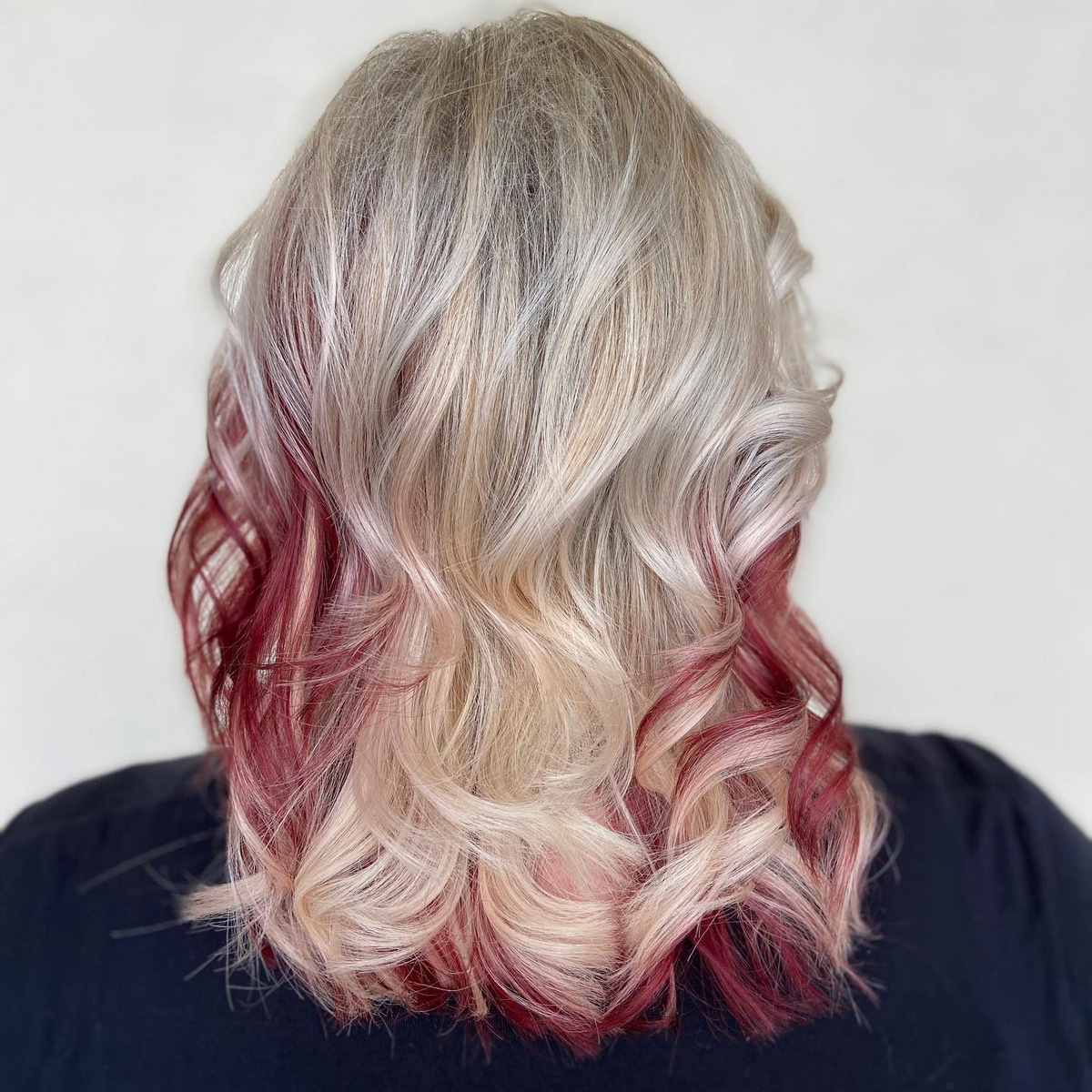
Mastering the Platinum Blonde Dark Undernight Look: Color Theory, Maintenance, and Technical Execution in 2026
Achieving a platinum blonde top with a dark underlayer requires meticulous bleach-and-tone chemistry, precise sectioning, and high-contrast color placement. This dimensional styling creates striking visual depth while preserving hair s...
Achieving a platinum blonde top with a dark underlayer requires meticulous bleach-and-tone chemistry, precise sectioning, and high-contrast color placement. This dimensional styling creates striking visual depth while preserving hair structural integrity through advanced bond-building technology and strategic maintenance regimens tailored for high-contrast color blocking.
Contents
Understanding the Anatomy of High-Contrast Dimensional Color
The platinum blonde dark underneath aesthetic relies on a fundamental split in color theory and structural hair zoning. By dividing the hair into distinct upper and lower tiers, colorists can isolate the high-maintenance lifting process of platinum blonde from the low-maintenance, rich saturation of a dark shadow layer. This technique minimizes scalp sensitivity during application and reduces overall hair breakage compared to a full-head bleach out.
The upper tier encompasses the crown, top sections, and face-framing pieces, requiring a level 10 or higher lift. The underlayer—stretching from the occipital bone down to the nape of the neck—is typically colored to a deep level 2 through 4, utilizing permanent or demi-permanent formulations to ensure maximum light absorption and longevity.
Core Benefits of the Hidden Dark Layer Technique
- Scalp Protection: Application of heavy lightener is concentrated away from the lower nape, reducing irritation risks.
- Structural Integrity: Only a fraction of the total hair volume undergoes extreme chemical lightening, preserving tensile strength.
- Versatility in Styling: Half-up styles, braids, and ponytails dramatically showcase the dual-tone contrast.
- Root Mitigation: Natural regrowth on the dark underlayer blends seamlessly, requiring less frequent touch-ups.
Pre-Service Assessment and Hair Preparation Protocols
Before applying any chemical agents, a professional diagnostic assessment is mandatory to evaluate hair elasticity, porosity, and historical chemical treatments. Hair that has undergone previous box dye or relaxer treatments requires a modified lifting strategy to prevent catastrophic chemical breakage.
Strand Testing and Porosity Mapping
- Elasticity Check: Pull a wet strand gently; if it stretches and returns to normal, it is healthy. If it stretches and snaps or stays stretched, chemical processing is contraindicated.
- Porosity Evaluation: Porous ends absorb toner and lightener rapidly, necessitating a sequential application timeline.
- Incompatibility Testing: Check for metallic salts or henna residues that react violently with hydrogen peroxide and persulfates.
Professional Technical Note: Always perform a multi-point strand test on the occipital area before executing a full platinum transformation. This verifies the achievable lift level and ensures the hair structure can withstand the double-process required for clean platinum tones.
Step-by-Step Technical Application Guide
Executing this dual-zone color service requires precise zoning, timing management, and barrier application to prevent color bleeding between the platinum top and dark underlayer.
| Phase | Zone | Primary Product / Chemical | Processing Time |
|---|---|---|---|
| Phase 1 | Dark Underlayer | Level 2-4 Permanent / Demi-Permanent Color | 30 - 45 Minutes |
| Phase 2 | Platinum Top & Sides | Lightener (Bleach) + 20/30 Volume Developer | 20 - 50 Minutes (Visual Check) |
| Phase 3 | Rinsing & Cleansing | Chelating Shampoo + Acidic Sealer | 5 - 10 Minutes |
| Phase 4 | Toning | Violet / Pearl Toner + 10 Volume Developer | 5 - 20 Minutes (Visual Check) |
Detailed Execution Workflow
- Sectioning the Head: Cleanly partition the hair using a horseshoe section from temple to temple around the crown. Clip the top platinum zone entirely out of the way to secure a clean working canvas for the dark underlayer.
- Applying the Dark Undernight: Mix your chosen dark shade with the appropriate developer. Apply meticulously from the nape up to the parting line, ensuring complete saturation without overlapping onto previous dark treatments if performing a touch-up.
- Foil or Meche Separation: Once the dark layer is processed and rinsed (or isolated safely with foils depending on technique), release the top section. Apply the lightener using precise weaving or slicing foils, keeping the product clear of the dark boundary line.
- Emulsifying and Toning: Rinse the lightener thoroughly with lukewarm water once a pale yellow, inner-banana color stage is reached. Apply a bond-rebuilding treatment, followed by your targeted toner to neutralize unwanted warmth.
Comparison of Dark Underlayer Formulations
Choosing the right color family for the underneath section dictates maintenance frequency and fading behavior.
| Formulation Type | Longevity | Maintenance Required | Best Used For |
|---|---|---|---|
| Permanent Color | 6 - 8 Weeks | Low root maintenance, high color retention | Covering grays or achieving deep, light-resistant blacks and espressos. |
| Demi-Permanent | 4 - 6 Weeks | Moderate fading, ultra-high shine | Adding a temporary dark contrast without long-term commitment. |
| Direct Dye / Semi | 2 - 4 Weeks | High fading, vibrant jewel tones | Experimenting with vivid colors (e.g., midnight blue, emerald green) under platinum. |
Advanced Maintenance and Home Care Regimens
Maintaining both a level 10 platinum blonde and a rich dark underlayer requires a dual-action home care routine. Using standard shampoos can strip the dark toner or over-deposit purple pigments onto the dark section, muddying the contrast.
Daily and Weekly Care Best Practices
- Split-Washing Technique: When washing, tilt your head backward or wash the top section separately if possible to prevent dark color runoff from staining the porous platinum strands.
- Bond-Building Shampoos: Incorporate molecular bond-builders into your wash routine to repair internal disulfide bonds broken during the lightening process.
- Thermal Protection: Platinum hair is exceptionally vulnerable to heat styling up to 350°F (175°C) and above. Always apply a professional-grade thermal protectant spray before blow-drying or flat-ironing.
- Color-Safe Cleansers: Use sulfate-free, pH-balanced shampoos formulated specifically for color-treated hair to lock down the cuticle on the dark underlayer.
Troubleshooting Common Color Bleed and Fading Issues
Even with precise application, technical challenges can arise during and after the service. Understanding how to correct these issues ensures long-term satisfaction with the dual-tone look.
Addressing Color Bleed at the Parting Line
If dark color migrates into the platinum zone during rinsing, do not panic. Apply a clarifying shampoo directly to the affected damp strands and emulsify gently. For stubborn dark spots on porous platinum, use a low-volume lightener wash (soap cap) for 2 to 5 minutes under strict visual observation.
Managing Undesirable Warmth in Platinum
If the platinum top begins to turn brassy due to hard water minerals or UV exposure, utilize a professional violet or silver-depositing mask once every two weeks. Avoid overuse, as excessive purple pigment can dull the brightness of the blonde and create an ash-gray cast.
Frequently Asked Questions
How do I keep the dark underlayer from bleeding into my platinum blonde when washing?
Wash your hair with cool or lukewarm water and use a specialized split-washing technique or color-locking shampoo. Keeping the water temperature low prevents the cuticle of the dark hair from swelling and releasing excess pigment onto your bright blonde strands.
Can I do the platinum blonde and dark underneath technique on box-dyed hair?
Doing this at home on box-dyed hair is strongly discouraged due to the risk of unpredictable chemical reactions and severe breakage. A professional colorist must perform a color correction consultation to safely strip or lift artificial dark pigments without destroying hair elasticity.
How often do I need root touch-ups for this style?
The platinum top typically requires root touch-ups every 4 to 6 weeks to prevent severe band formation during lifting. The dark underlayer can go 8 to 12 weeks between applications, depending on your natural base color and grey coverage needs.
Will the bleaching process ruin my hair texture?
When executed by a licensed professional utilizing integrated bond-building additives and proper developer volumes, hair structural integrity can be successfully maintained. However, platinum blonde hair requires lifelong intensive hydration and protein balancing.
Can I use vivid fashion colors for the dark underneath section?
Yes, vibrant semi-permanent shades like deep purple, midnight blue, or emerald green look striking underneath platinum blonde. Keep in mind that fashion colors require more frequent refreshing and cool-water washes to prevent premature fading.
Schedule a professional consultation with an advanced color specialist today to map out a customized platinum blonde and dark underneath transformation tailored to your hair type and lifestyle.
Image Gallery