CVSA International Roadcheck 2026 Inspection Guide: Requirements, Out-of-Service Criteria, and Compliance Checklist
The Commercial Vehicle Safety Alliance (CVSA) International Roadcheck is a high-visibility, 72-hour enforcement initiative across North America where certified inspectors conduct targeted roadside inspections on commercial motor vehicl...
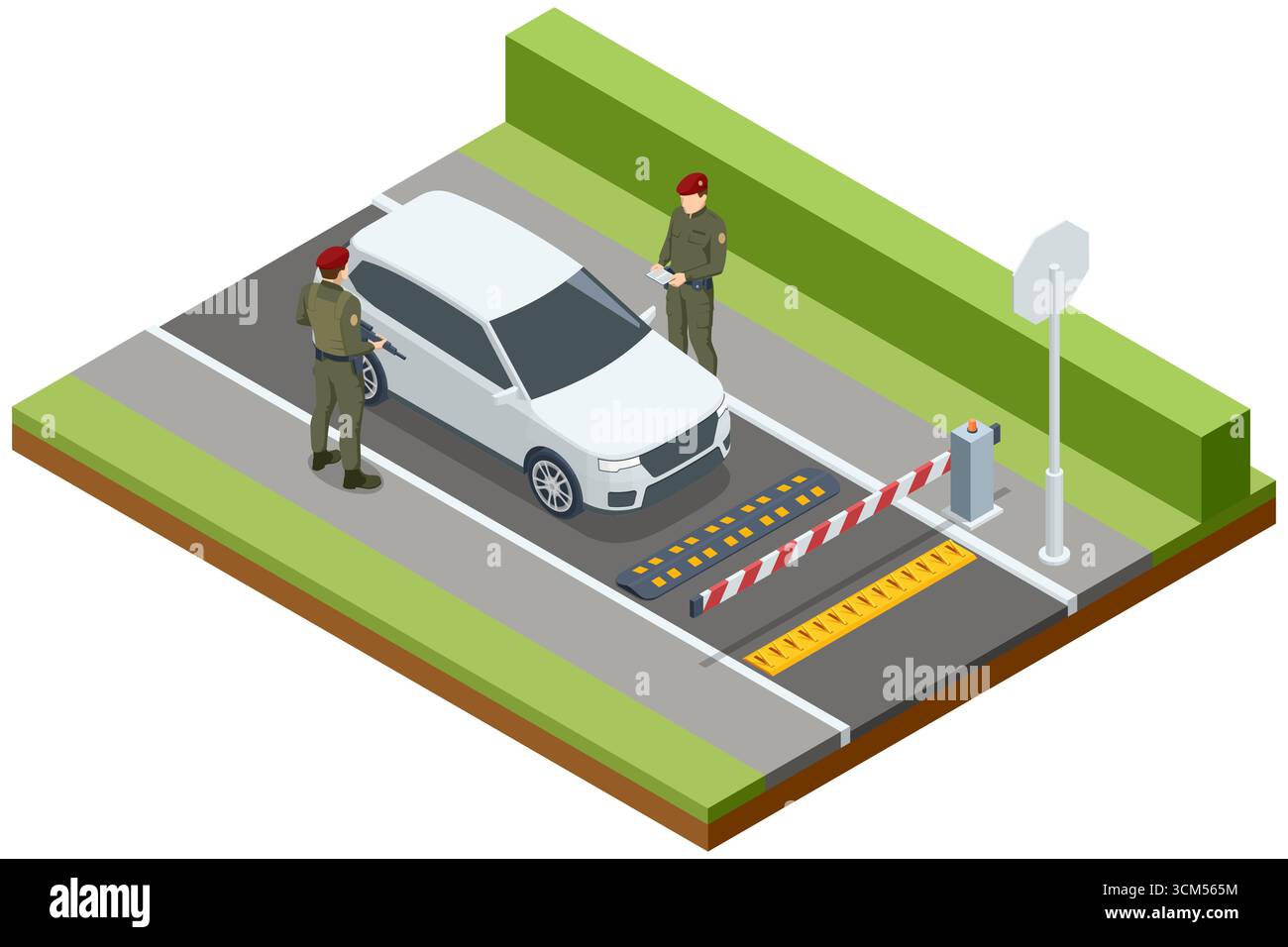
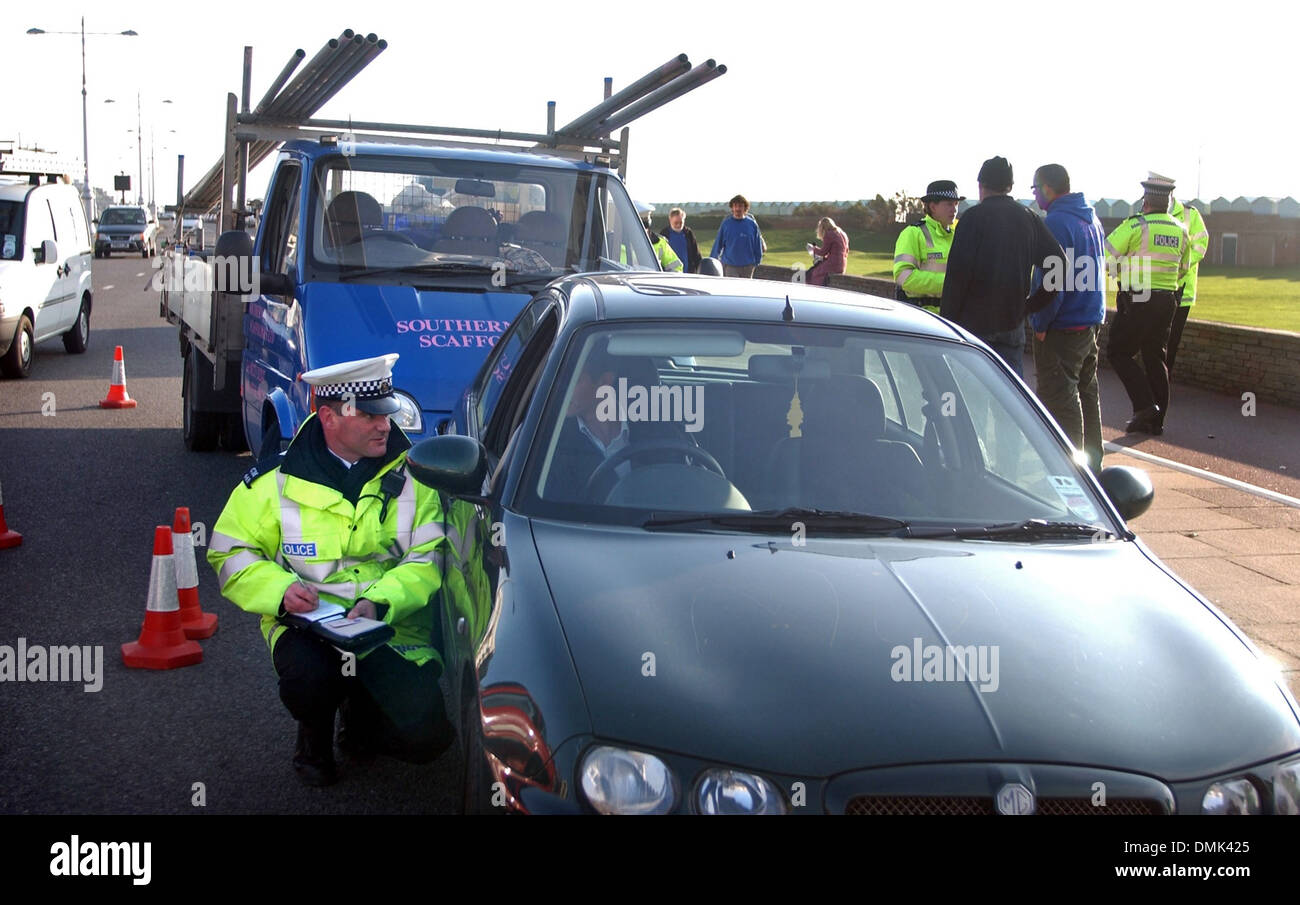
The Commercial Vehicle Safety Alliance (CVSA) International Roadcheck is a high-visibility, 72-hour enforcement initiative across North America where certified inspectors conduct targeted roadside inspections on commercial motor vehicles and drivers. During this event, inspectors evaluate vehicle mechanical fitness, driver credentials, and hours-of-service compliance against North American Standard Out-of-Service Criteria. While the term road check can also refer to routine law enforcement traffic checkpoints, in commercial transportation it specifically designates this annual high-volume regulatory audit.
Contents
Understanding the Scope of International Roadcheck
International Roadcheck is the largest targeted enforcement program on commercial motor vehicles in North America. During the annual 72-hour period, an average of 15 commercial vehicles are inspected every minute across the United States, Canada, and Mexico. Participating agencies include state highway patrols, provincial transport enforcement officers, the Federal Motor Carrier Safety Administration, and municipal commercial vehicle units.
The primary objective of the program is to audit operational compliance, enforce safety regulations, reduce commercial vehicle crashes, and remove unsafe drivers and equipment from public roadways. Vehicles that pass a Level I or Level V inspection without any critical vehicle inspection item violations receive an official CVSA decal. This decal, valid for up to three months, generally exempts the vehicle from further routine inspections during that quarter.
Conversely, when inspectors discover critical violations designated under the CVSA North American Standard Out-of-Service Criteria, the vehicle or driver is placed Out of Service (OOS). A vehicle placed out of service cannot be moved until all identified mechanical defects are fully repaired. A driver placed out of service is prohibited from operating any commercial motor vehicle until their compliance condition—such as completing a mandatory off-duty rest period or updating expired credentials—is completely resolved.
Primary Focus Areas for the 2026 Enforcement Event
While inspectors review all standard safety components during a roadside check, the CVSA targets specific operational focus areas during each annual campaign to address emerging safety trends and persistent regulatory infractions.
1. Tractor and Trailer Braking Systems
Brake components consistently account for the largest percentage of all vehicle out-of-service violations during roadside inspections. Inspectors check for:
- Air system pressure drop rates and low-pressure warning devices.
- Pushrod stroke length on S-cam brake systems to ensure proper adjustment limits.
- Thickness and condition of brake linings or pads, auditing for oil/grease contamination or cracks exceeding critical thresholds.
- Audits of automatic brake adjusters (ABAs) to verify proper operation without manual over-adjustment.
- Integrity of brake hoses and tubing, checking for chafing, kinks, or audible air leaks.
2. Driver Fitness and Hours-of-Service (HOS) Compliance
Driver-related violations frequently trigger immediate out-of-service orders. Key verification steps include:
- Electronic Logging Device (ELD) Integrity: Verifying that the ELD is a registered device, operating properly, transferred data successfully upon request, and contains required diagnostic materials on board.
- Record of Duty Status (RODS): Assessing driver logs for unassigned driving time, duty status falsification, or failure to produce current-day logs along with the previous seven consecutive days.
- Credentials: Validating Commercial Driver's License (CDL) status, medical examiner’s certificates, record of CDL endorsements (e.g., HazMat, Tanker, Doubles/Triples), and status in the FMCSA Drug and Alcohol Clearinghouse.
3. Wheel Assemblies, Tires, and Suspension
Wheel end failures present catastrophic risks on highway corridors. Inspection protocols include:
- Tread depth measurements: minimum 4/32-inch on steer axle tires and 2/32-inch on all other positions.
- Auditing for inner dual tire flat conditions, sidewall bulges, exposed fabric/ply cords, or regrooved non-compliant tires.
- Inspecting wheel fasteners (lug nuts) for tightness, rust trails indicating looseness, cracked stud holes, or damaged rims.
- Examining leaf springs, U-bolts, torque arms, and air springs for cracks, shifting, or deflated air bags.
Breakdown of CVSA North American Standard Inspection Levels
Roadside checks are categorized into distinct levels, ranging from full mechanical under-carriage audits to administrative credential reviews. The following matrix details the standard inspection levels executed by law enforcement personnel.
| Inspection Level | Name & Focus Scope | Primary Components Inspected | Average Time | Out-of-Service Decal Eligible? |
|---|---|---|---|---|
| Level I | North American Standard Inspection | Comprehensive 37-step audit: Vehicle mechanics, under-carriage, brake adjustment, frame, cargo securement, driver credentials, HOS/ELD logs, and medical status. | 45–60 Minutes | Yes (if passed without critical violations) |
| Level II | Walk-Around Driver/Vehicle Inspection | Includes all items where full inspection can be conducted without physically getting under the vehicle chassis. Driver credentials, visible mechanics, lighting, and tires. | 30–45 Minutes | No |
| Level III | Driver-Only Credentials & Administrative Audit | Focuses exclusively on driver licensing, medical examiner certificates, Skill Performance Evaluation (SPE), ELD data transfer, seatbelt compliance, and RODS records. | 15–20 Minutes | No |
| Level IV | Special Targeted Inspection | One-time examination of a specific feature, component, or operational factor (e.g., targeted brake stroke audit or seatbelt enforcement campaign). | 10–20 Minutes | No |
| Level V | Vehicle-Only Inspection | Complete mechanical inspection matching Level I standards, conducted without the driver present (typically at motor carrier terminals or fleet maintenance facilities). | 30–45 Minutes | Yes (if passed without critical violations) |
| Level VI | Inspection for Transuranic Waste & Radioactive Materials | Specialized audit for select radiological shipments (HRCQ). Includes enhanced radiological limits, defect-free requirements, and specialized decal application. | 60–90 Minutes | Yes (Specialized Level VI Decal) |
Essential Commercial Vehicle Inspection Checklist
To maximize operational uptime during high-intensity enforcement periods, fleets and owner-operators must perform rigorous pre-trip and post-trip inspections. Utilizing a systematic physical checklist ensures full alignment with the Commercial Vehicle Safety Alliance North American Standard Out-of-Service Criteria.
Vehicle Systems Pre-Check Checklist
- Air Brake System: Measure pushrod stroke; verify low-air warning light & buzzer activate at/above 60 PSI; confirm air pressure buildup rate from 85 to 100 PSI within 45 seconds.
- Coupling Devices: Inspect fifth-wheel jaw lock around kingpin; check mounting bolts, pintle hooks, safety chains, drawbar eyes, and slider locking pins.
- Tires & Wheels: Check inflation pressure with gauge; verify steer tread >= 4/32", drive/trailer >= 2/32"; verify zero wheel rim cracks or missing lug nuts.
- Suspension Systems: Inspect spring assemblies for broken main leaves or missing U-bolts; verify air springs are inflated and free of severe dry rot.
- Steering System: Test steering wheel play (max 2 inches on 20-inch wheel); inspect pitman arm, drag link, tie rod ends, and power steering fluid level.
- Lighting & Reflectors: Ensure 100% functionality of headlamps, turn signals, brake lights, clearance markers, and retroreflective conspicuity tape.
- Fuel System: Verify fuel tank mounting integrity, cap seal tightness, and confirm zero active leaks from fuel lines or crossover hoses.
- Cargo Securement: Verify tie-down counts, working load limits (WLL), web strap integrity (zero cuts), chain tension, and dunnage stability.
Driver Credentials and Documentation Checklist
Drivers must keep all administrative paperwork organized and instantly accessible within the cab to avoid unnecessary delays or administrative out-of-service orders:
- Commercial Driver's License (CDL): Valid, unexpired, with correct class and active endorsements matching the vehicle configuration and hazardous materials payload.
- Medical Examiner’s Certificate: Valid physical card or active self-certification status updated in the state licensing agency's Commercial Driver's License Information System (CDLIS).
- Electronic Logging Device (ELD) Documentation: An active ELD instruction sheet, an ELD data transfer instruction card, an emergency supply of blank paper logbooks (minimum 8-day supply), and documentation for any active ELD malfunction.
- Vehicle Registration and Insurance: Current cab card registration and active liability insurance certificates matching the motor carrier's operating authority (USDOT number).
- Hazardous Materials Shipping Papers: Accessible within immediate arm's reach of the driver while restrained by the seatbelt, containing accurate emergency response contacts and proper shipping descriptions.
Mechanics of Out-of-Service (OOS) Violations and CSA Scores
Understanding how roadside inspection results affect a carrier's operational status requires analyzing the FMCSA Safety Measurement System (SMS) under the Compliance, Safety, Accountability (CSA) program.
Impact of Out-of-Service Orders on Fleet Operations
When an inspector issues an Out-of-Service order, the vehicle or driver is immediately grounded. Operating a vehicle marked out-of-service before mandatory repairs are completed results in severe criminal penalties, high fines, and significant points assigned to the motor carrier's record. Furthermore, out-of-service violations carry a heavy severity weight within the CSA BASICs framework, directly increasing a fleet's risk of interventions, comprehensive facility audits, or safety rating downgrades.
How Roadside Check Violations Impact CSA BASICs
Roadside check violations are recorded on the Driver/Vehicle Inspection Report (DVIR) and fed directly into the FMCSA SMS database, populating across seven Behavior Analysis and Safety Improvement Categories (BASICs):
- Unsafe Driving: Speeding, improper lane changes, seatbelt violations, and texting/distracted driving.
- Crash Indicator: Historical crash data and patterns (not publicly displayed).
- Hours-of-Service (HOS) Compliance: ELD falsification, operating beyond 11-hour driving limits, or 14-hour duty windows.
- Vehicle Maintenance: Mechanical defects including brakes, lighting, tire tread depth, exhaust leaks, and frame integrity.
- Controlled Substances/Alcohol: Operating under the influence or possession of restricted substances in the cab.
- Hazardous Materials Compliance: Improper packaging, missing placards, leaking containers, or incomplete shipping papers.
- Driver Fitness: Operating without a valid CDL, proper class endorsement, or valid medical certification.
Each violation is assigned a Severity Weight (ranging from 1 to 10) and a Time Weight multiplier. Violations occurring within the last 6 months carry a time weight multiplier of 3; violations between 6 and 12 months carry a multiplier of 2; violations between 12 and 24 months carry a multiplier of 1. If an out-of-service order is issued, an additional Out-of-Service Weight Penalty of 2 is added directly to the base severity score.
$$\text{Total Points} = (\text{Violation Severity Weight} + \text{OOS Weight Penalty}) \times \text{Time Weight Multiplier}$$
For instance, a brake adjustment violation (severity weight of 4) that results in an out-of-service order (OOS penalty of 2) within the first 6 months (time weight of 3) generates a total CSA impact score calculation of:
$$(4 + 2) \times 3 = 18 \text{ CSA Points}$$
High point accumulations elevate a fleet's percentile ranking above FMCSA intervention thresholds, triggering warning letters, targeted roadside checks, operational audits, and potential downgrades to a "Conditional" or "Unsatisfactory" safety rating.
Step-by-Step Roadside Inspection Guide for Drivers
When directed into an inspection station or pulled over during an enforcement road check, professional drivers should follow a structured sequence to ensure safety, clear communication, and efficiency.
Roadside Inspection Flowchart
- Step 1: Safe Stopping & Cab Preparation
- Turn on hazard lights, bring vehicle to a smooth stop, set parking brakes.
- Turn off engine, roll down window, turn on interior cab lights (if at night).
- Step 2: Professional Officer Engagement
- Keep hands visible on the steering wheel until instructed.
- Maintain professional interaction; present CDL, Medical Card, and Registration.
- Step 3: Administrative & ELD Data Transfer
- Initiate ELD web/email data transfer upon officer's request.
- Provide paper log backup or ELD instruction card if system malfunction occurs.
- Step 4: Physical Vehicle Inspection Execution
- Follow inspector's explicit directions for brake application, light checks, and steering movement.
- Do NOT operate vehicle controls until clearly instructed by the officer.
- Step 5: DVIR Review & Resolution Procedures
- PASS (No Defects): Receive report. Apply CVSA decal if Level I or Level V audit.
- PASS (Minor Defects): Receive report. Violations noted; repairs required within 15 days.
- OUT OF SERVICE (OOS): Vehicle/driver grounded. Authorized technician must repair OOS defect on-site prior to vehicle movement.
Actionable Steps During the Stop
- Initial Station Entrance and Cab Protocol: Upon entering a scale house lane or stopping on a highway shoulder, turn off the engine, engage spring parking brakes, and place the key on the dash if requested. Turn on interior lighting during night operations so the officer has clear line-of-sight into the cab.
- Credential Presentation: Have your CDL, medical card, vehicle registration, and shipping documents arranged in a dedicated cab binder. Delivering organized documentation demonstrates professional operational standards.
- ELD Electronic Data Transfer: Initiate the electronic data transfer protocol (via Telematics Web Services or Email) directly from your ELD interface. If connectivity issues arise in remote areas, demonstrate the display screen directly to the officer and present your backup ELD user manual and blank paper logs.
- Cooperation During Mechanical Audits: During Level I or Level II walk-around checks, follow the officer's exact commands for applying service brakes, toggling high/low beam headlights, signaling turn indicators, or pumping air pressure down to verify warning alarms. Never move the vehicle while an inspector is beneath the chassis.
- Post-Inspection Review: Carefully review the resulting Driver/Vehicle Inspection Report (DVIR). If minor non-OOS violations are identified, the motor carrier must correct those defects within 15 days and certify completion back to the issuing jurisdiction. If an Out-of-Service condition is issued, contact your fleet dispatch or maintenance manager immediately to arrange mobile repair service.
Operational Strategies: Fleets vs. Owner-Operators
Maintaining full compliance during annual enforcement checks requires specific organizational workflows tailored to operational scale.
Fleet Management Strategies
- Predictive Maintenance Cycles: Implement 30-day preventative maintenance checks that match CVSA Level I parameters, rather than relying solely on standard oil-change intervals.
- Pre-Enforcement Fleet Sweeps: Conduct internal yard audits 30 days prior to major enforcement periods to inspect brake stroke limits, wheel end play, and lighting arrays across all power units and trailers.
- Data-Driven Driver Training: Monitor internal telematics for hard braking, speeding, and log edits. Provide targeted retraining for drivers who record recurring maintenance or administrative infractions.
- DataQs Challenge Workflow: Systematically review every roadside inspection report. If an officer issues a violation unsupported by 49 CFR regulations or records an incorrect vehicle identification number, submit a formal DataQs challenge through the FMCSA portal to remove erroneous data from the carrier profile.
Owner-Operator Compliance Tactics
- Daily Hands-On Pre-Trip Inspections: Never skip under-carriage visual checks. Use a pushrod stroke tool or mark-and-measure method to verify brake chamber adjustment before departure.
- Tire and Pressure Management: Invest in calibrated tire pressure gauges and tread depth indicators. Check dual tire pressures daily; underinflated inner duals are easily overlooked during visual inspections but immediately detected by roadside officers.
- ELD Backup Preparedness: Carry a dedicated binder containing your ELD manual, data transfer instructions, and at least 8 blank paper logbook pages. Technical failures without manual backups result in immediate driver out-of-service orders.
- Clean Wheel Ends and Frame Care: Keep wheel hubs, brake assemblies, and under-carriage components clear of excessive road grime and oil accumulation. Clean machinery allows immediate visual inspection of cracking, loose fasteners, or fluid leaks, building inspector confidence during walk-around checks.
Frequently Asked Questions
What happens if a commercial vehicle fails a roadside check?
If a vehicle fails an inspection due to minor violations, the defects are documented on the Driver/Vehicle Inspection Report (DVIR), and the carrier must repair them within 15 days. However, if inspectors detect a violation meeting CVSA North American Standard Out-of-Service Criteria, the vehicle or driver is placed Out of Service immediately and cannot operate until the condition is corrected.
How long does a CVSA roadside inspection decal remain valid?
A CVSA decal remains valid for up to three months after issuance. It is applied to vehicles that undergo a Level I or Level V inspection without any critical vehicle inspection item violations. Vehicles displaying a valid decal are generally exempt from additional routine roadside inspections during that three-month window.
Can an owner-operator perform their own annual vehicle inspection?
Yes, an owner-operator or fleet mechanic can perform the annual periodic inspection required under 49 CFR 396.19, provided they meet the inspector qualification standards. They must understand the inspection criteria set forth in Part 396, be qualified through a training program or trade experience, and possess the necessary tools to perform full mechanical evaluations.
What are the most common driver-related out-of-service violations?
The most frequent driver-related out-of-service violations include operating without a valid Commercial Driver’s License (CDL), expired medical examiner certificates, hours-of-service (HOS) violations, false logbook entries, operating an unlisted or non-compliant Electronic Logging Device (ELD), and failure to transfer log data upon request.
How does a roadside check violation affect a driver's PSP record?
Every roadside inspection result—both clean reports and recorded violations—is added to the driver’s Personal Safety Profile (PSP) in the FMCSA system. Driver violations remain on their PSP record for three years, regardless of whether the driver changes employers, and can be reviewed by potential motor carrier employers during the hiring process.
Achieving Continuous Fleet Readiness
Navigating commercial vehicle road checks successfully relies on adopting a permanent culture of maintenance and regulatory compliance rather than short-term preparation. Fleets and owner-operators that integrate rigorous pre-trip protocols, manage preventative brake and tire maintenance, and maintain precise digital driver logs consistently minimize out-of-service risks, protect their CSA safety ratings, and maintain optimal operational efficiency.
Image Gallery