Understanding the Barry Wood Link: Meme Evolution, Digital Safety, and Cultural Impact in 2026
The Barry Wood link refers to a pervasive internet "bait-and-switch" prank featuring an NSFW image of the late Wardell "Barry" Wood. While predominantly used as a shock-humor meme, the term "link" specifically highlights the method of...
The Barry Wood link refers to a pervasive internet "bait-and-switch" prank featuring an NSFW image of the late Wardell "Barry" Wood. While predominantly used as a shock-humor meme, the term "link" specifically highlights the method of distribution through disguised URLs, social engineering, and embedded media meant to surprise unsuspecting viewers. This guide focuses on the internet phenomenon and digital safety; it is distinct from any professional directories for individuals with the same name.
Contents
The Genesis and Longevity of the Barry Wood Phenomenon
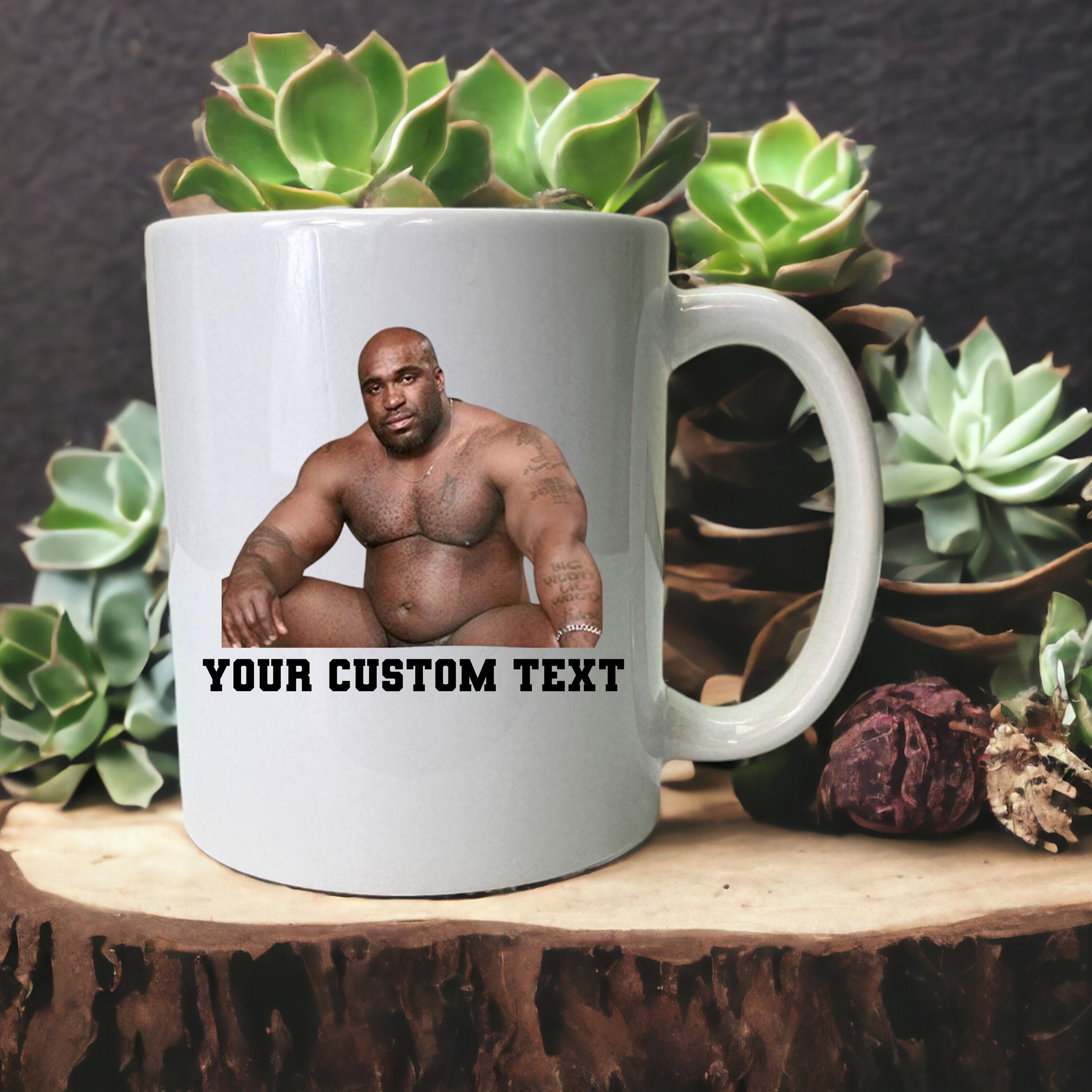
The "Barry Wood link" has secured its place in the pantheon of internet culture, alongside legendary bait-and-switch memes like the Rickroll. However, unlike the harmless musical stylings of Rick Astley, the Barry Wood meme centers on a specific, highly recognizable image of Wardell Wood (1961–2021). The meme typically functions by presenting a link or a thumbnail that promises something relevant—a breaking news story, a product discount, or a useful tutorial—only to reveal the full-frame image of Wood sitting on the edge of a bed.
By 2026, the meme has evolved beyond simple image sharing. It is now deeply integrated into various digital formats, including:
- Disguised QR Codes: Frequently found in physical public spaces or on social media flyers.
- Encrypted Messaging Pranks: Scripts that trigger the image to appear when specific keywords are typed in private groups.
- Deepfake Variations: Using AI to animate the image for even more jarring transitions in video content.
- Redirect Chains: Complex URL shortening sequences designed to bypass automated content filters on platforms like Discord or X (formerly Twitter).
Understanding the "Barry Wood link" requires a look at both its cultural resilience and the technical mechanisms used to proliferate it across the modern web.
The Technical Mechanics of Bait-and-Switch Links
The effectiveness of the Barry Wood prank relies on the technical manipulation of user expectation. In 2026, where digital literacy is higher, pranksters have become more sophisticated in how they mask these links.
URL Shorteners and Obfuscation
The most common method involves URL shorteners. By using services that provide a clean, "vanity" URL, a prankster can hide the destination domain. Advanced users often use "double-hop" redirects where the first link leads to a benign-looking landing page that automatically triggers a second redirect to the meme.
Metadata Manipulation
On platforms that generate link previews (like Slack, Microsoft Teams, or WhatsApp), pranksters manipulate Open Graph (OG) tags. By setting the og:image and og:title to something professional—such as a link to a 2026 economic report—the preview looks legitimate. The actual destination, however, is the Barry Wood media file.
CSS and JavaScript Overlays
More complex versions of the "Barry Wood link" utilize web-based scripts. A user might visit a legitimate-looking blog post, but after five seconds of scrolling, a JavaScript trigger replaces the entire viewport with the meme image, often accompanied by loud audio.
Digital Safety and Cybersecurity Risks in 2026
While most Barry Wood links are intended as harmless (albeit crude) jokes among friends, they represent a significant vector for cybersecurity threats. The same psychological "clickbait" tactics used for the meme are used by malicious actors for phishing and malware distribution.
Critical Cybersecurity Warning
The Risk of Blind Clicking Any link that uses obfuscation to hide its destination is a potential security risk. In the professional landscape of 2026, clicking an unverified "Barry Wood link" can lead to more than just an embarrassing image; it can result in credential theft if the page is hosted on a malicious server designed to harvest browser cookies or session tokens.
Corporate Liability and HR Policies Displaying NSFW content in a workplace environment, even as a prank, is a violation of Acceptable Use Policies (AUP) in nearly all enterprise settings. In 2026, automated monitoring tools are highly efficient at flagging such media, which can lead to immediate disciplinary action or termination.
Comparative Analysis: Prank Links vs. Malicious Links
To better understand the landscape of link-based content in 2026, it is helpful to compare the characteristics of a typical meme prank link with more dangerous digital threats.
| Feature | Barry Wood Prank Link | Phishing/Malware Link |
|---|---|---|
| Primary Intent | Shock humor or social embarrassment | Financial gain or data exfiltration |
| Common Delivery | Social media, Discord, private groups | Email, SMS (Smishing), LinkedIn |
| Visual Content | NSFW Image/Video (Wardell Wood) | Fake login pages (Microsoft 365, Banks) |
| Technical Mechanism | Simple redirects or metadata spoofing | Hidden scripts, keyloggers, credential harvesters |
| Long-term Impact | Social awkwardness; potential HR issue | Identity theft; corporate data breach |
| Detection Ease | Moderate (often flagged by NSFW filters) | Difficult (often uses legitimate hijacked domains) |
How to Safely Inspect and Manage Suspicious Links
In 2026, protecting your digital environment from unwanted content or security breaches is a matter of utilizing the right tools and maintaining high situational awareness. If you encounter a "Barry Wood link" or any suspicious URL, follow these steps to verify its content without exposing yourself to the media or potential malware.
- Use a URL Unshortener: Services that "expand" shortened links allow you to see the final destination URL without actually visiting the site.
- Inspect the Source Metadata: If the link is on a social platform, hover over the link (on desktop) to see the status bar URL or use a "Link Inspector" browser extension to view the site's metadata.
- Utilize Sandbox Environments: If you must open a suspicious link for verification, use a virtualized browser or a "sandbox" tool that isolates the session from your primary operating system and network.
- Check Domain Reputation: Use 2026-standard security databases to check if the hosting domain has been flagged for malicious activity or host-unwanted content.
- Enable Content Filtering: Most modern browsers and ISP-level filters have "Safe Search" or "Workplace Protection" modes that can automatically block known Barry Wood image hashes.
The Cultural Significance of Wardell Wood
It is important to provide context regarding the man behind the meme. Wardell Wood, the individual in the photo, was an American who lived a private life until his image was appropriated by the internet. He passed away in 2021. The persistence of the "Barry Wood link" into 2026 is a testament to how the internet can transform a single piece of media into an immortal cultural artifact, often detached from the actual person's life and legacy.
The meme has survived through various "meta" phases:
- The Shock Phase: Initial viral spread based on the NSFW nature.
- The "Hidden Barry" Phase: Incorporating the image into complex optical illusions (e.g., "squint your eyes" images).
- The AI Phase: The 2025-2026 trend of generating "Barry-style" architecture or landscapes using generative AI.
Frequently Asked Questions
What is the origin of the Barry Wood link?
The image features Wardell Wood, an adult model, and first gained traction on message boards like 4chan and Reddit in the mid-2010s. It eventually transitioned into a "bait-and-switch" prank where links are disguised to trick people into viewing the image, becoming a staple of group chat culture.
Is clicking a Barry Wood link illegal?
Clicking the link itself is generally not illegal in most jurisdictions, as the content is typically a photograph of an adult. However, sharing such links in a workplace, school, or public setting can violate local laws regarding public indecency or harassment, and it almost certainly violates corporate "Acceptable Use" policies.
How can I stop these links from appearing in my Discord or Slack?
Most professional and social platforms allow for "Media Previews" to be disabled. Additionally, administrators can use bot-driven content moderation tools that scan for the specific hash of the Barry Wood image to automatically delete posts containing the link or the media file.
Can a Barry Wood link infect my computer with a virus?
While the image itself is just a file, the link used to deliver it can be malicious. Attackers often use the popularity of the meme to hide "drive-by download" scripts or phishing pages. Always treat any unsolicited or disguised link with the same level of caution as a suspicious email attachment.
Why is it still popular in 2026?
The meme persists due to its "inside joke" status and the simplicity of the prank. Like the Rickroll, it has become a rite of passage in certain online communities, though its NSFW nature makes it significantly more controversial and risky to share than other bait-and-switch memes.
Best Practices for Digital Interaction
As we navigate the interconnected landscape of 2026, the "Barry Wood link" serves as a reminder of the need for constant digital vigilance. Whether you are a casual browser or a corporate IT professional, the principles of link safety remain the same: verify before you click, maintain updated security software, and respect the boundaries of professional digital spaces.
By understanding the mechanics behind these links, users can avoid the embarrassment of the prank and the genuine danger of the underlying technical risks. Always prioritize security over curiosity, and ensure that your digital habits reflect the high-stakes environment of the modern web.
Image Gallery