Stephen Lang: The Definitive Guide to the Actor’s Career, Method, and Legacy
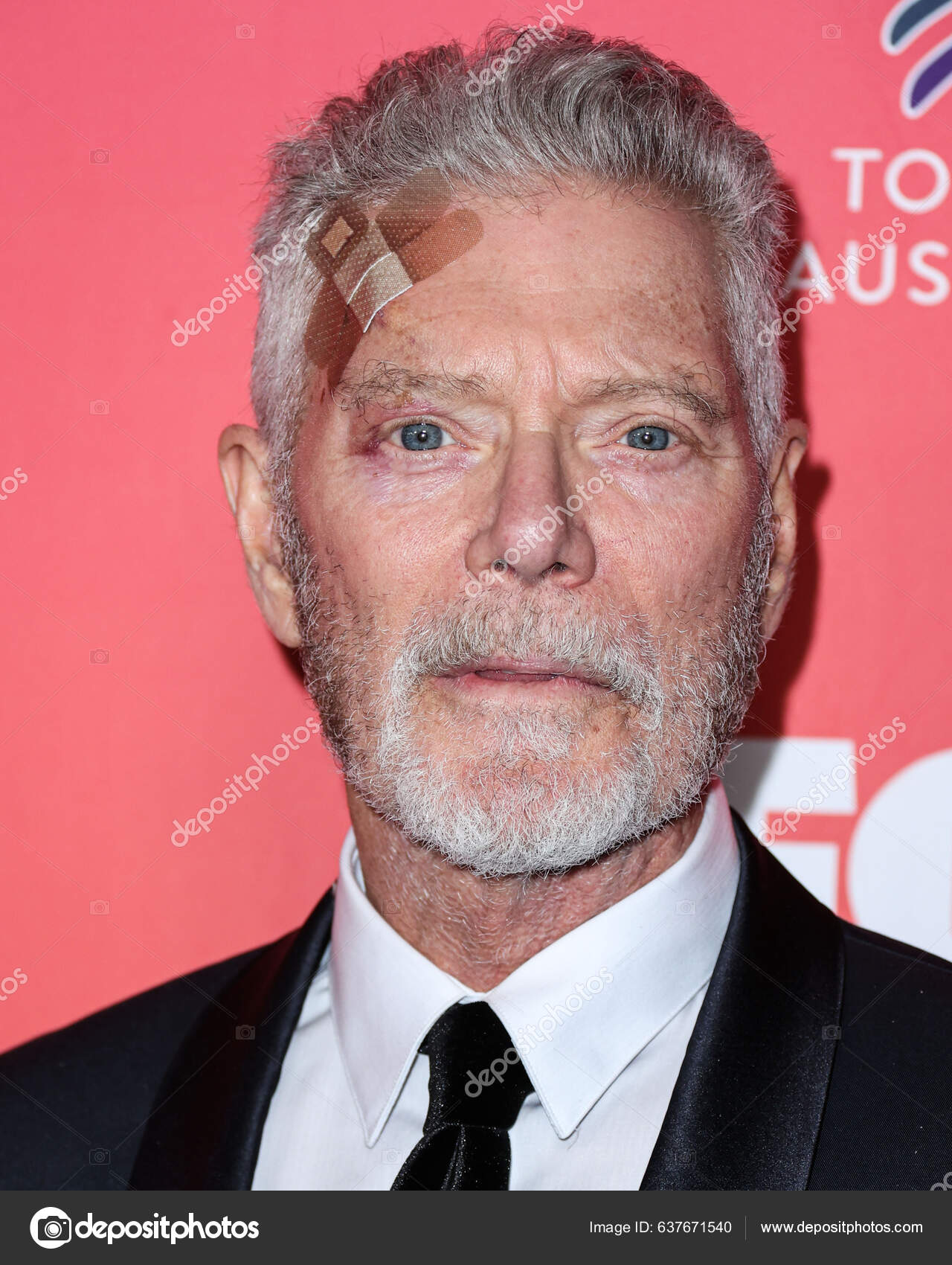
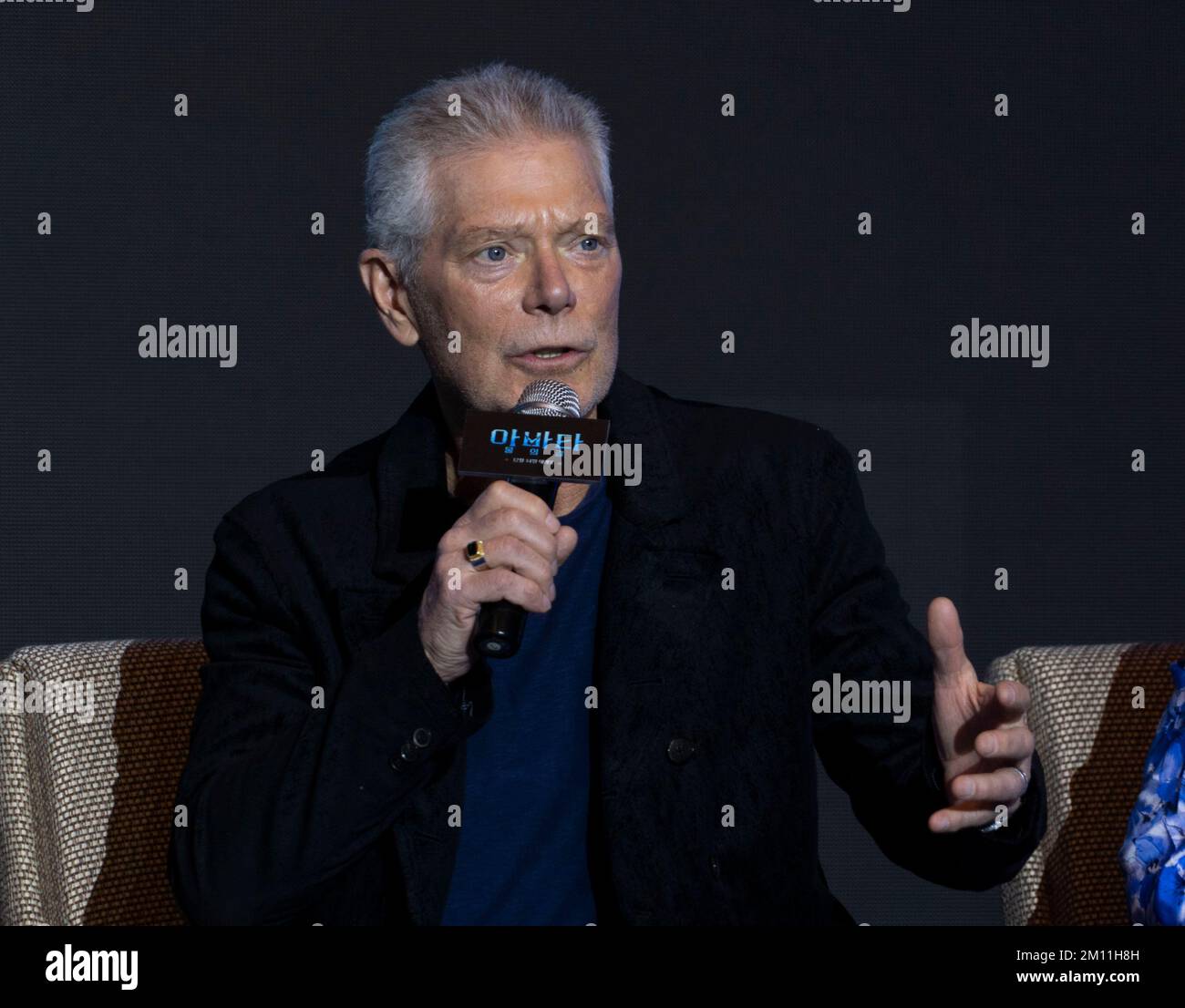
Stephen Lang is an acclaimed American stage and screen actor best known for his intense portrayals of authoritative and antagonistic characters. His most iconic roles include Colonel Miles Quaritch in James Cameron’s Avatar franchise a...
Stephen Lang is an acclaimed American stage and screen actor best known for his intense portrayals of authoritative and antagonistic characters. His most iconic roles include Colonel Miles Quaritch in James Cameron’s Avatar franchise and the formidable "Blind Man" in the Don't Breathe horror series, spanning a career of over four decades.
Contents
The Artistic Foundation: From Broadway to the Silver Screen
Stephen Lang’s journey as a performer did not begin in the blockbuster landscapes of Pandora, but on the disciplined boards of the New York stage. Born on July 11, 1952, in New York City, Lang was raised in a family that valued both education and the arts. He attended Swarthmore College, graduating in 1973 with a degree in English Literature. This academic background often informs his deep, analytical approach to character development—a trait that has made him a favorite among prestigious directors.
Lang’s early professional years were defined by the theater. He became a staple of Broadway and Off-Broadway productions, earning a Tony Award nomination in 1991 for his role in The Speed of Darkness. His stage work is characterized by a "physicality of thought," where his movements and presence convey as much information as his dialogue. This theatrical rigor allowed him to transition seamlessly into film during the mid-1980s, where he quickly gained a reputation as a "character actor with leading-man intensity."
One of his earliest notable film roles was as the sleazy tabloid reporter Freddy Lounds in Michael Mann’s 1986 thriller Manhunter. In this performance, Lang demonstrated his ability to inhabit characters that were inherently unlikeable yet undeniably magnetic. This role marked the beginning of a long-standing collaboration with Mann, later appearing in projects like Public Enemies (2009), where he played the stoic lawman Charles Winstead.
The Military Archetype and Historical Portrayals
Throughout the 1990s and early 2000s, Stephen Lang became the go-to actor for portraying military figures and historical icons. His ability to project command, discipline, and a sense of "old-world" duty led to some of the most memorable performances in the historical drama genre.
The Civil War Epics
Lang’s performance as Major General George Pickett in Gettysburg (1993) is frequently cited by historians and film critics alike for its accuracy and emotional resonance. He captured the flamboyant yet tragic nature of Pickett, making the character’s famous "Charge" a centerpiece of the film.
Years later, he returned to the same era in the prequel Gods and Generals (2003), but this time he took on the monumental task of playing Thomas "Stonewall" Jackson. Lang’s portrayal of Jackson was transformative; he leaned into the General’s religious fervor and eccentricities, moving away from the standard "war hero" trope to create a complex, often polarizing figure.
Why Lang Excels in Authority Roles
The "Lang Method" for playing authority figures involves more than just a stern voice. He utilizes a specific posture—shoulders back, core engaged—that suggests a life spent under the weight of a uniform. However, he often adds a layer of vulnerability or obsession that humanizes these figures. Whether it is the madness of Ike Clanton in Tombstone (1993) or the unwavering focus of a commander, Lang finds the "human engine" driving the external persona.
The Avatar Era: Colonel Miles Quaritch and the Global Spotlight
While Lang was already a respected veteran by 2009, James Cameron’s Avatar propelled him into a new level of global fame. As Colonel Miles Quaritch, the primary antagonist of the first film, Lang created one of the most recognizable cinematic villains of the 21st century.
Creating a Human Antagonist on Pandora
Quaritch was not a monster, but a man of absolute conviction. Lang worked closely with Cameron to ensure that the Colonel’s motivations—protecting his own species and following orders—were clear, even as he committed horrific acts against the Na’vi. His physical presence in the film, often appearing in a tank top while working out or piloting a massive AMP suit, became an enduring image of the franchise.
The Recombinant Return (2022–2026)
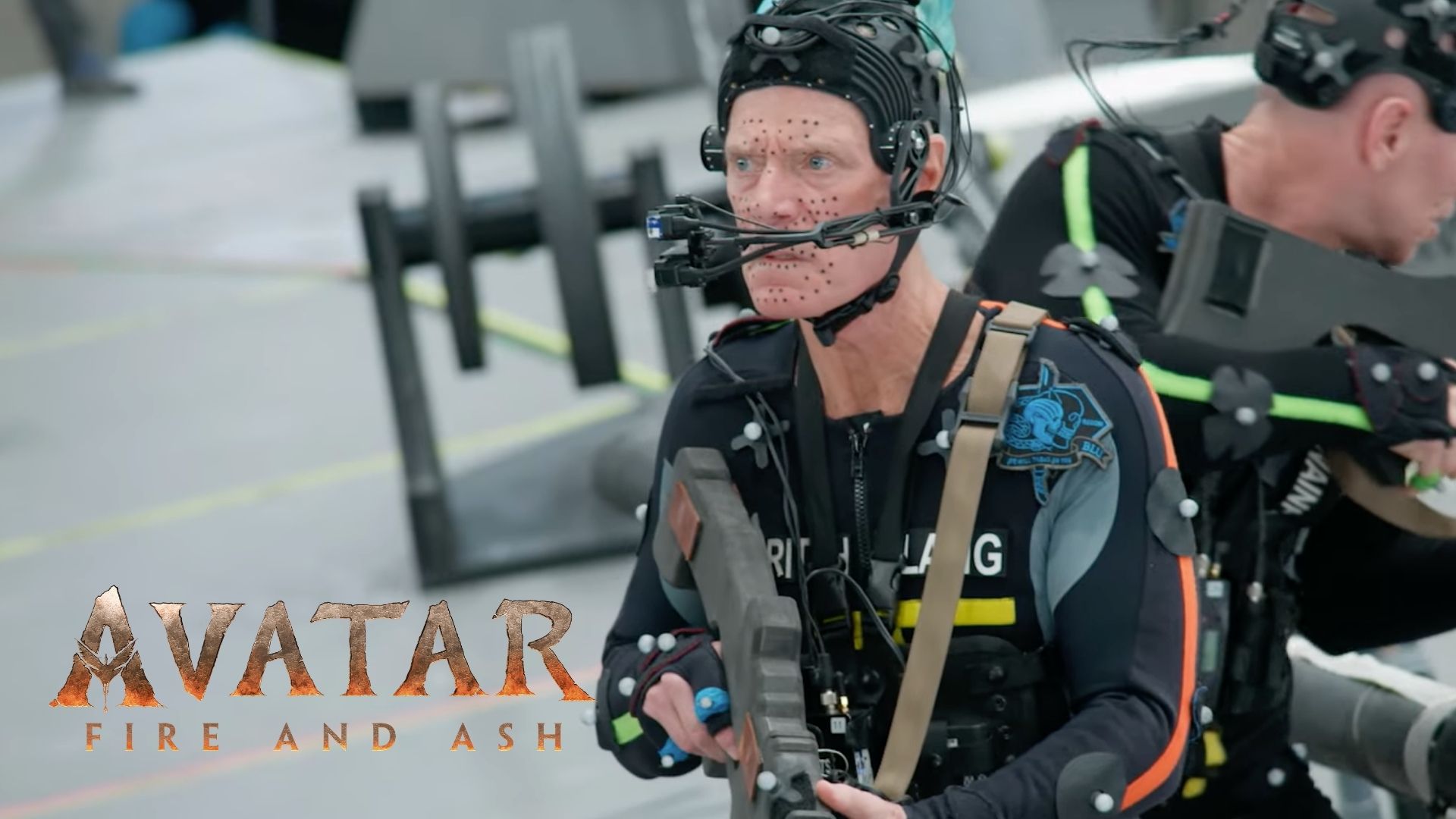
In Avatar: The Way of Water (2022) and the subsequent Avatar: Fire and Ash (released in late 2025), Lang’s character underwent a radical transformation. Through "Recombinant" technology, Quaritch’s memories were implanted into a Na’vi Avatar body. This allowed Lang to explore a fascinating duality: the mind of a human soldier trapped in the body of his greatest enemy.
As of 2026, Lang’s role in the Avatar saga remains a cornerstone of the franchise. His performance in the third installment has been praised for showing a more conflicted side of the character, as he grapples with his relationship with his "son," Spider, and the realization that he is no longer the man he once was.
Horror and the Late-Career Renaissance
In 2016, Stephen Lang surprised audiences by starring in the low-budget horror-thriller Don't Breathe, directed by Fede Álvarez. He played "The Blind Man" (Norman Nordstrom), a veteran who defends his home against teenage burglars.
The film was a massive critical and commercial success, largely due to Lang’s terrifying, near-silent performance. He utilized his physical training to move with predatory precision, turning a character who could have been a victim into a nightmarish force of nature. This role sparked a sequel, Don't Breathe 2 (2021), which further complicated the character's morality, shifting him into a dark anti-hero role.
This "late-career renaissance" demonstrated that Lang was not limited to the "tough military guy" box. He could lead a franchise in the horror genre and command an audience's attention without saying more than a few lines of dialogue.
Career Milestones and Key Filmography
To understand the breadth of Stephen Lang's work, it is helpful to look at the diversity of his roles across five decades. The following table highlights his most significant contributions to cinema and television.
| Year | Title | Role | Significant Contribution |
|---|---|---|---|
| 1986 | Manhunter | Freddy Lounds | Established his ability to play edgy, obsessive characters. |
| 1989 | Last Exit to Brooklyn | Harry | A raw, gritty performance in a cult classic adaptation. |
| 1993 | Tombstone | Ike Clanton | Showcased his range in Westerns as a volatile outlaw. |
| 1993 | Gettysburg | Maj. Gen. George Pickett | Defined the modern cinematic portrayal of the Civil War. |
| 2003 | Gods and Generals | Thomas "Stonewall" Jackson | A deep-dive character study of a historical icon. |
| 2009 | Avatar | Col. Miles Quaritch | Created a quintessential modern blockbuster antagonist. |
| 2016 | Don't Breathe | The Blind Man | Successfully transitioned into the horror/thriller genre. |
| 2022 | Avatar: The Way of Water | Quaritch (Recombinant) | Evolved a villain into a complex, non-human protagonist. |
| 2025 | Avatar: Fire and Ash | Miles Quaritch | Deepened the emotional stakes of the Avatar saga. |
Beyond Glory: The One-Man Show and Advocacy
Outside of high-profile films, Lang is deeply committed to the stories of veterans. His solo play, Beyond Glory, which he wrote and performed, is based on the book by Larry Smith. The play tells the stories of eight Medal of Honor recipients from World War II, Korea, and Vietnam.
Lang toured with this production for years, performing for troops at bases around the world. In 2015, a filmed version of the play was released, produced by James Cameron and Jon Landau. This work highlights Lang’s personal dedication to the themes of honor, duty, and the psychological cost of combat—themes that he has explored in many of his fictional roles.
Technical Skill and Physicality: The "Jacked" Actor
In the mid-2010s, images of a shirtless, incredibly fit Stephen Lang began circulating on the internet, often accompanied by fan requests for him to play characters like Cable in the Deadpool series. At an age when many actors transition to softer roles, Lang doubled down on his physical conditioning.
His fitness is not just for aesthetics; it is a tool for his craft. For the Don't Breathe films, he needed the stamina to perform his own stunts and the strength to realistically overpower younger actors. For Avatar, his physique helped ground the sci-fi setting in a tangible reality. He has often stated in interviews that a character’s "engine" starts with their physical state—how they breathe, how they stand, and how they carry their weight.
Frequently Asked Questions
Has Stephen Lang ever won an Oscar?
As of 2026, Stephen Lang has not won an Academy Award, though he has been the recipient of numerous other accolades. He won the Saturn Award for Best Supporting Actor for his role in Avatar and has received multiple nominations from various critics' circles for his work in both film and theater. His Tony nomination for The Speed of Darkness remains one of his most prestigious honors.
Is Stephen Lang actually blind in real life?
No, Stephen Lang is not blind. For his role as Norman Nordstrom in Don't Breathe, he wore specialized contact lenses that greatly reduced his vision, allowing him to authentically portray the character's lack of sight. He also worked with consultants from the blind community to ensure his movements and reactions were accurate and respectful.
What is Stephen Lang’s workout routine?
Lang is famous for maintaining an elite level of fitness well into his 70s. His routine typically includes a mix of heavy resistance training, yoga for flexibility, and cardiovascular work. He often emphasizes the importance of consistency and "functional" movements that allow him to remain mobile for his physically demanding roles.
How many Avatar movies is Stephen Lang in?
Stephen Lang is contracted for all five planned Avatar films. While his human character died in the first film, his "Recombinant" Na’vi version continues as a central figure throughout the sequels. As of 2026, he has appeared in the first three films, with the fourth and fifth in various stages of production.
Did Stephen Lang serve in the military?
Despite his frequent and convincing portrayals of military officers, Stephen Lang has never served in the armed forces. However, he is a staunch supporter of veterans’ causes and has received awards from various military organizations for his respectful and accurate portrayals of soldiers on stage and screen.
Final Perspective: The Legacy of a Veteran Performer
As we look at Stephen Lang’s career in 2026, it is clear that he occupies a unique space in Hollywood. He is a "bridge" actor—one who connects the classical training of the theater with the high-tech requirements of modern performance capture. His ability to maintain a consistent level of intensity across genres, from historical epics to sci-fi blockbusters, makes him one of the most reliable and compelling performers of his generation.
For those looking to explore his work beyond his most famous roles, his performances in independent films and his stage-to-screen project Beyond Glory offer the most profound insight into his dedication to the craft. Whether he is playing a villain, a hero, or something in between, Lang’s work is always marked by a profound sense of truth and a formidable presence that demands the audience's full attention.
Image Gallery