Dallas Inmate Lookup Guide: How to Find Someone in Jail for 2026
Navigating a Dallas inmate lookup requires knowing whether an individual is held in a municipal city jail or a county facility, as each system operates under entirely separate databases and jurisdictions. This comprehensive guide detai...
Navigating a Dallas inmate lookup requires knowing whether an individual is held in a municipal city jail or a county facility, as each system operates under entirely separate databases and jurisdictions. This comprehensive guide details official search portals, booking identification requirements, facility distinctions, and practical steps to locate and contact detainees in the Dallas area.
Contents
Understanding the Dallas Jail System and Jurisdiction Differences
Before initiating any search, it is critical to understand the division of law enforcement responsibilities across Dallas. The Dallas County jail system and the Dallas Police Department municipal holding facilities operate independently. Knowing the arresting agency dictates which database you must query to obtain accurate booking details.
When an arrest occurs within city limits by the Dallas Police Department (DPD), the individual is typically taken first to a municipal holding facility for booking, magistration, and initial processing. Depending on the nature of the charges, state-level warrants, or the expected length of detention, the inmate may subsequently be transferred to the Dallas County jail system managed by the Dallas County Sheriff's Department.
Key Jurisdictional Distinctions
- Dallas Police Department (DPD): Handles municipal arrests, temporary holding, and class C misdemeanors or municipal warrant execution. Inmates held here are usually processed quickly for release on bond, transfer to county, or appearance before a magistrate.
- Dallas County Sheriff's Department: Manages the main county jail complexes housing individuals awaiting trial, sentencing, or serving misdemeanor sentences under county jurisdiction.
- Municipal Suburbs: Cities surrounding Dallas—such as Garland, Irving, Plano, or Mesquite—operate entirely separate police departments and municipal holding cells. An arrest in these municipalities requires checking their respective local jail databases rather than Dallas County records.
Official Online Search Tools for Dallas County Inmates
The primary repository for individuals detained long-term in the area is the Dallas County Sheriff's Department. Locating an inmate requires specific identifiers to ensure accurate matching across common names.
Required Information for an Effective Search
- Full Legal Name: First and last name are mandatory. Middle names or initials significantly narrow results for common names.
- Date of Birth: Essential for differentiating individuals with identical names.
- Booking Number or SPN (System Person Number): A unique identifier assigned upon initial intake. If known, this yields immediate, exact results.
Step-by-Step Process to Use the Dallas County Inmate Search Portal
- Navigate to the official Dallas County Sheriff's Department Inmate Information Portal.
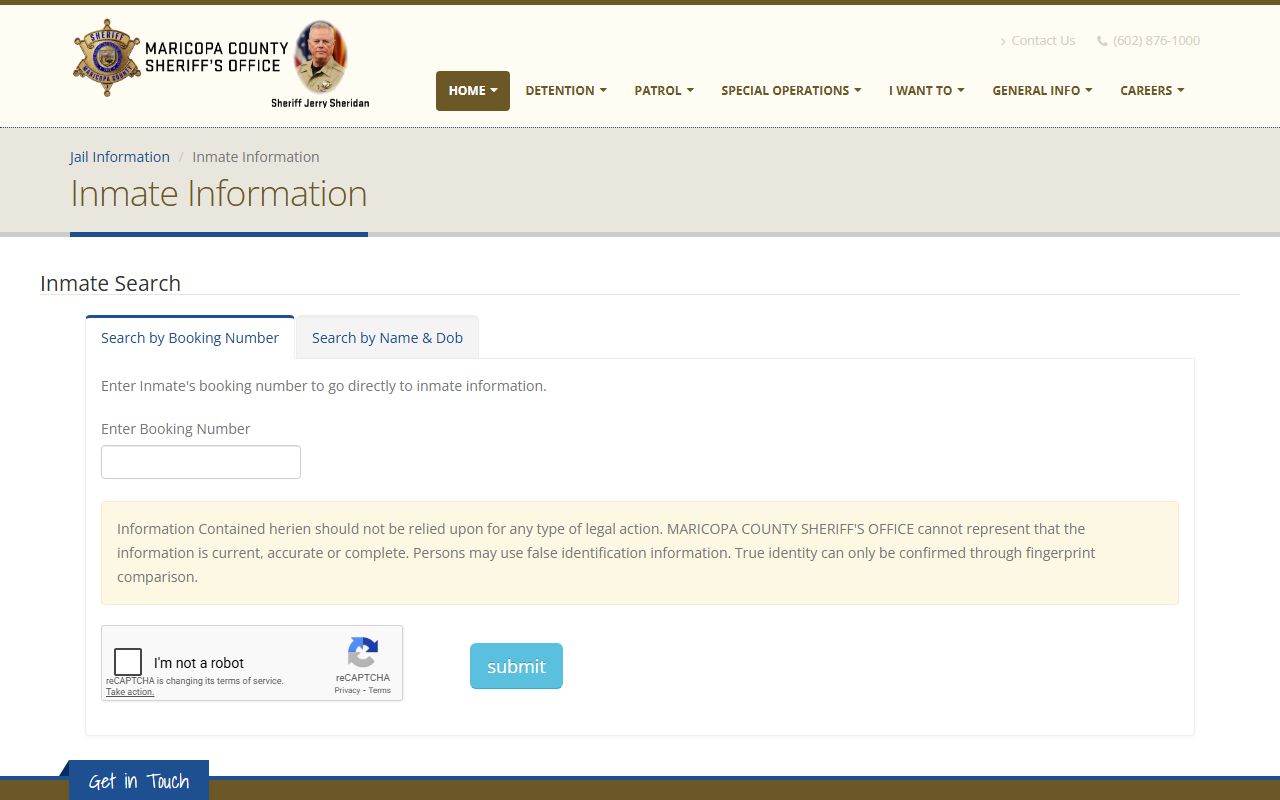
- Enter the inmate's first and last name into the designated search fields. Providing a date of birth is highly recommended.
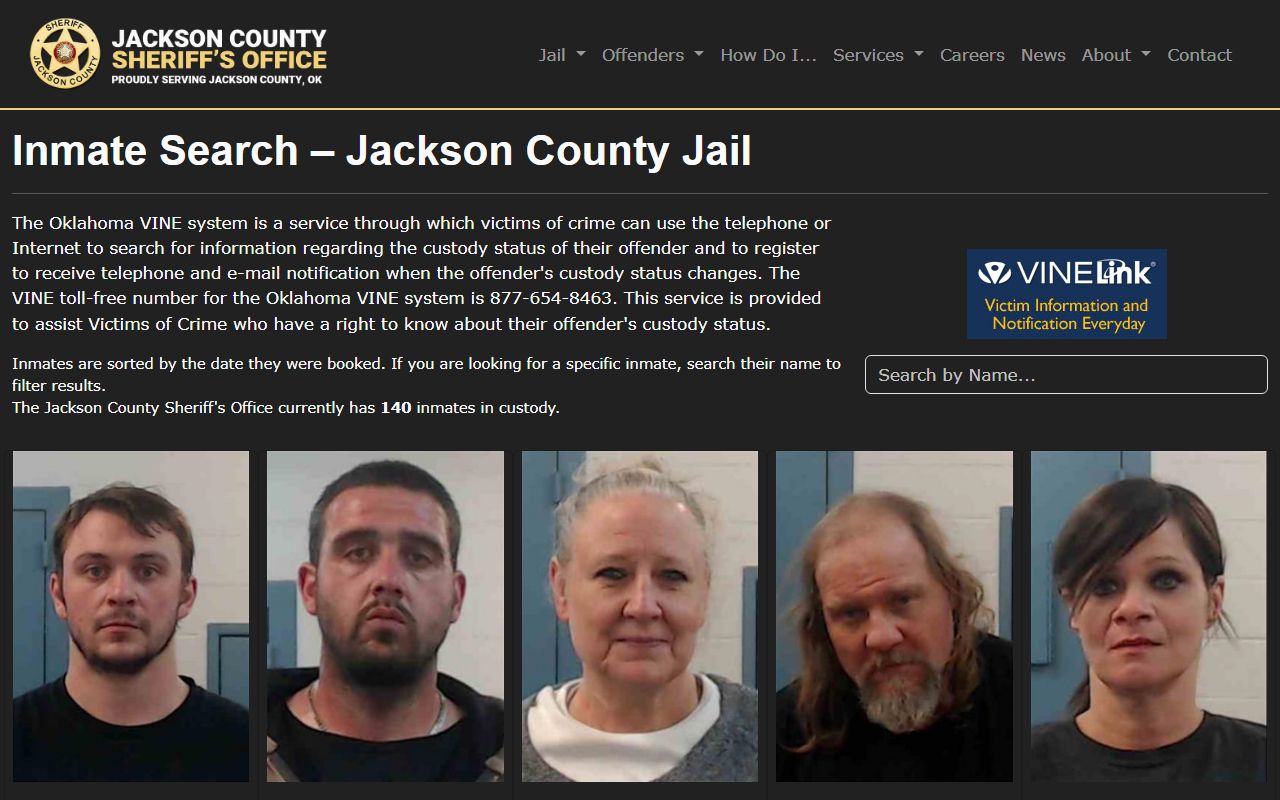
- Review the search results list, which typically displays the booking photo, full name, booking date, SPN, and current housing facility.
- Click on the individual's record to view detailed charges, bond amounts, bond types (e.g., cash, surety, personal recognizance), and scheduled court appearances.
Search Tips: If a search yields zero results, verify the spelling of the name or consider whether the arrest occurred within the last 2 to 4 hours. Newly arrested individuals may still be undergoing the intake and fingerprinting process before their information populates the public database.
Major Dallas Detention Facilities and Contact Details
When performing a Dallas inmate lookup, identifying the exact physical location of the detainee determines visitation rules, mail policies, and bond posting procedures. Dallas County operates primary correctional facilities designed to house varying classifications of inmates.
| Facility Name | Governing Agency | Primary Function | General Contact Information |
|---|---|---|---|
| Dallas County Jail (North Tower) | Dallas County Sheriff | Intake, housing, and general population | 111 W. Commerce St., Dallas, TX 75202 / (214) 653-3450 |
| Suzanne Kays Jail Facility | Dallas County Sheriff | Female inmate housing and processing | 1105 Municipal St., Dallas, TX 75215 / (214) 761-9025 |
| Lew Sterrett Justice Center | Dallas County Sheriff | Main judicial and administrative complex | 111 W. Commerce St., Dallas, TX 75202 / (214) 749-2111 |
| Dallas City Detention Center | Dallas Police Department | Temporary municipal holding | 1500 Marilla St., Dallas, TX 75201 / (214) 670-3011 |
Financial and Legal Obligations: Bonds, Fines, and Release Procedures
Once an inmate is located via a Dallas inmate lookup, families often need to address bond requirements to secure release pending trial. Bond conditions are established during magistration based on the severity of the alleged offense, criminal history, and flight risk.
Types of Bonds Recognized in Dallas County
- Cash Bond: The full bail amount must be paid in cash to the court clerk or jail cashier. This money is typically held until the case concludes and is subject to court fees and fines upon disposition.
- Surety Bond: Issued through a licensed bail bond company. The bail bondsman charges a non-refundable percentage fee (typically 10% of the total bond amount) and guarantees the court that the defendant will appear for all scheduled hearings.
- Personal Recognizance (PR) Bond: Released based on the defendant's promise to appear in court without requiring financial collateral. These are granted by a judge based on low risk and minor charge severity.
Visiting, Communicating, and Sending Funds to Inmates
Maintaining contact with an incarcerated individual requires strict adherence to institutional guidelines. Policies vary significantly between municipal holding cells and county correctional facilities.
Communication Guidelines
- Phone Calls: Inmates cannot receive incoming phone calls. Facilities utilize contracted telecommunication providers (such as Securus Technologies or Global Tel Link) that require setting up a prepaid account to accept calls from facility kiosks or housing unit phones.
- Mail and Correspondence: All incoming mail must follow strict formatting rules. Most county facilities require letters to be sent through standard postal mail with clear return addresses, prohibiting polaroids, colored paper, stickers, or contraband. Many jurisdictions now utilize digital mail scanning services where physical letters are scanned and delivered electronically to tablets.
- Trust Fund Deposits: Money can be deposited into an inmate's commissary account online, through dedicated facility lobby kiosks, or via approved mail-in money orders. Funds allow inmates to purchase hygiene items, writing supplies, and food snacks.
Common Pitfalls and Troubleshooting When Search Results Fail
Failing to locate an individual during a Dallas inmate lookup can cause unnecessary distress. Several administrative realities account for missing records.
Why an Inmate Might Not Appear in Online Databases
- Pending Intake Processing: If the arrest occurred very recently, the booking paperwork, fingerprinting, and mugshot upload may still be underway. Allow up to 6 hours post-arrest for database updates.
- Alias Usage: Individuals may provide an alias upon arrest. If the online search yields no results under their legal name, checking local arrest logs for aliases or physical description filters can help.
- Juvenile Status: Under Texas law, records concerning minors (individuals under 17 years of age) are sealed and excluded from public online inmate lookups to protect juvenile privacy.
- Federal Custody: Individuals arrested by federal agencies (such as the FBI, DEA, or ICE) within the Dallas area are held in federal holding units or contracted private facilities, requiring a search through the Federal Bureau of Prisons (BOP) or ICE detainee locator rather than county databases.
Frequently Asked Questions About Dallas Inmate Lookups
How long does it take for a newly arrested person to show up in the Dallas County inmate database?
Newly arrested individuals typically appear in the online Dallas County database within 4 to 6 hours after booking. This delay accounts for fingerprinting, background checks, and initial data entry by jail intake staff.
Can I look up Dallas inmates by using a physical description instead of a name?
Most online Dallas inmate search portals require at least a last name or a booking number to initiate a query. General public portals rarely support pure physical description searches, though some third-party aggregators attempt to do so with varying accuracy.
What is an SPN number and why is it important in Dallas County?
An SPN (System Person Number) is a unique identification number assigned by Dallas County to every individual processed through its system. Having the SPN ensures precise tracking across multiple arrests and court appearances.
Are mugshots publicly accessible for all Dallas inmates?
Mugshots are generally published on the Dallas County Sheriff's inmate search portal for active bookings. However, public display policies can change based on state legislative updates and court orders regarding unconvicted defendants.
How can I find out an inmate's scheduled court date in Dallas?
Court appearance dates, times, and courtroom locations are typically listed directly within the detailed record view on the official Dallas County inmate lookup portal or via the Dallas County District Clerk online records search.
What should I do if I suspect someone is being held in a suburban jail outside Dallas proper?
If the arrest occurred outside Dallas city limits, you must contact the specific municipal police department or county jail (such as Collin, Tarrant, or Denton County) where the arrest took place, as Dallas County databases only track individuals within their specific jurisdiction.
Conclusion and Official Next Steps
Conducting a successful Dallas inmate lookup relies on identifying the correct arresting agency, gathering accurate biographical details, and utilizing official county or municipal search tools. Always verify information through official channels, understand bond and visitation protocols before visiting facilities, and consult qualified legal counsel to navigate criminal proceedings effectively within Dallas County.
Image Gallery