How to Compare Life Insurance Types Based on Common Risks and Financial Concerns
Selecting the right life insurance policy requires matching specific financial risks—such as mortgage debt, loss of income, or estate taxes—with the appropriate policy structure. By identifying whether your concerns are temporary or li...
Selecting the right life insurance policy requires matching specific financial risks—such as mortgage debt, loss of income, or estate taxes—with the appropriate policy structure. By identifying whether your concerns are temporary or lifelong, you can determine if a low-cost term policy or a cash-value permanent policy best secures your family's future.
Contents
Life insurance is not a one-size-fits-all financial product. As of 2026, the landscape of personal finance has become increasingly complex, with individuals facing evolving economic pressures, shifting tax laws, and longer life expectancies. To navigate this, one must view life insurance through the lens of risk management. Every household carries a unique "risk profile" based on their age, debt levels, career stage, and long-term legacy goals.
Understanding the mechanics of different policy types—and how they align with these specific risks—is the first step toward building a resilient financial plan. This guide examines the primary categories of life insurance and evaluates them based on the most common financial anxieties families face today.
Identifying Your Primary Financial Risks and Concerns
Before comparing policy technicalities, you must audit the risks you are attempting to mitigate. Most life insurance shoppers fall into one of three risk categories:
1. The Risk of Income Replacement
This is the most common concern for young families and mid-career professionals. If the primary breadwinner were to pass away, the immediate risk is the loss of the salary required to pay for groceries, utilities, and daily living expenses. This risk is typically temporary, lasting until the children are grown or the spouse reaches retirement age.
2. The Risk of Unfunded Debt
Large liabilities, specifically mortgages and student loans, represent a significant threat to a survivor’s financial stability. If a home is not owned outright, the sudden loss of an income stream could lead to foreclosure. Like income replacement, this risk is usually finite, decreasing as the debt is paid down over 15 to 30 years.
3. The Risk of Estate Erosion and Final Expenses
For older individuals or high-net-worth households, the risk is not "lack of income" but the "erosion of assets." This includes the cost of funeral services, legal fees for probate, and, crucially in 2026, the impact of shifting estate tax exemptions. These risks are permanent; they do not disappear with time, requiring a policy that is guaranteed to pay out regardless of when death occurs.
Term Life Insurance: Mitigating Temporary, High-Impact Risks
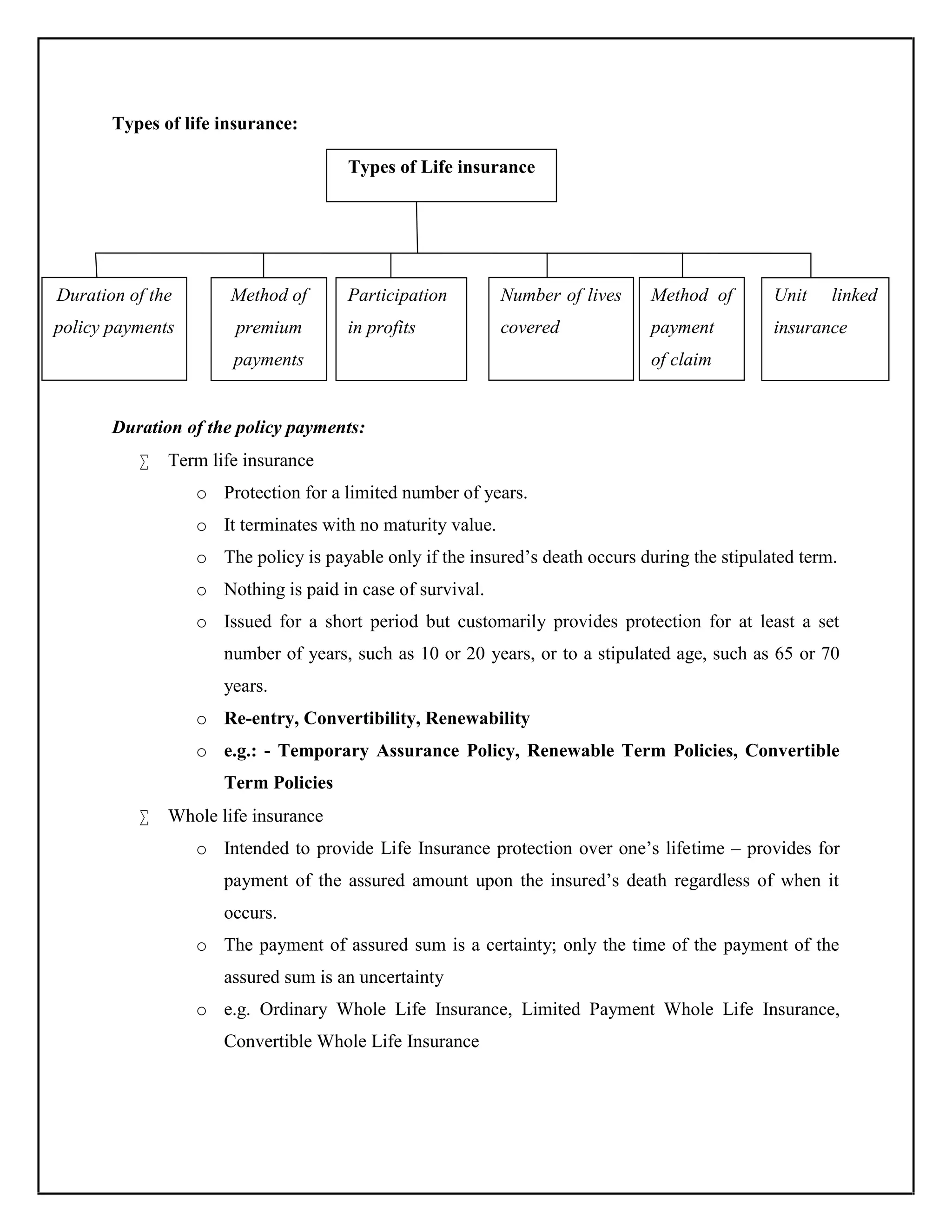
Term life insurance is the most straightforward form of coverage. It provides a death benefit for a specific period, typically ranging from 10 to 30 years. Because it does not build cash value and only pays out if the insured dies within the "term," it is significantly more affordable than permanent options.
Best For: Debt Protection and Child-Rearing Years
If your primary concern is ensuring your children can go to college or that your spouse can stay in the family home, term insurance is usually the optimal choice. It allows you to purchase a large amount of coverage (e.g., $1 million or more) for a relatively low monthly premium. This "leverage" is essential during the years when your financial responsibilities are highest but your liquid savings are lowest.
The Trade-off: The Risk of Outliving the Policy
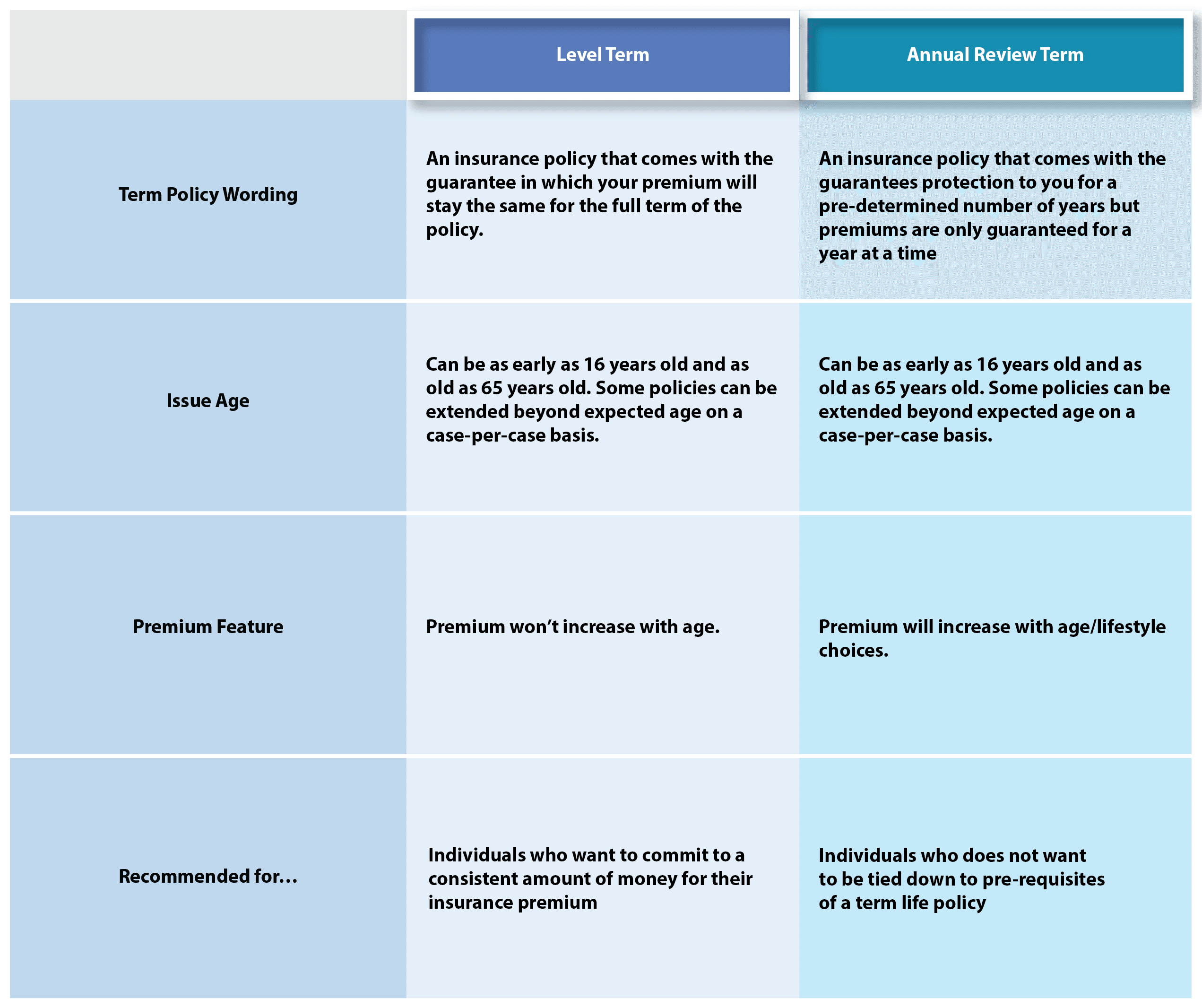
The main drawback of term insurance is that it eventually expires. If you are still in need of coverage at age 65 but your 20-year term has ended, purchasing a new policy will be exponentially more expensive due to your age and potential health changes. Some policies offer a "conversion rider," which allows you to switch to a permanent policy without a new medical exam—a vital feature for those whose long-term health risks are uncertain.
Whole Life Insurance: Addressing Permanent Needs and Legacy
Whole life insurance is a type of permanent coverage that stays in force for the insured’s entire life, provided premiums are paid. It includes a "cash value" component that grows at a guaranteed rate set by the insurer.
Best For: Estate Planning and Final Expenses
Whole life insurance is designed for risks that are certain to occur. For families concerned with leaving a guaranteed inheritance or covering funeral costs that might otherwise burden their children, the permanence of whole life is its greatest asset. In 2026, with the sunsetting of previous tax exemptions, many individuals use whole life insurance to provide the liquidity needed to pay estate taxes without forcing the sale of family businesses or real estate.
The Cost Factor: Premiums and Cash Value
The primary concern with whole life is the cost. Premiums can be five to ten times higher than term insurance for the same death benefit. However, the cash value acts as a "forced savings" vehicle. You can borrow against this cash value for emergencies or use it to pay future premiums. It is a tool for those who prioritize certainty and the accumulation of a conservative, tax-advantaged asset alongside their death benefit.
Universal Life Insurance: Flexibility for Shifting Financial Landscapes
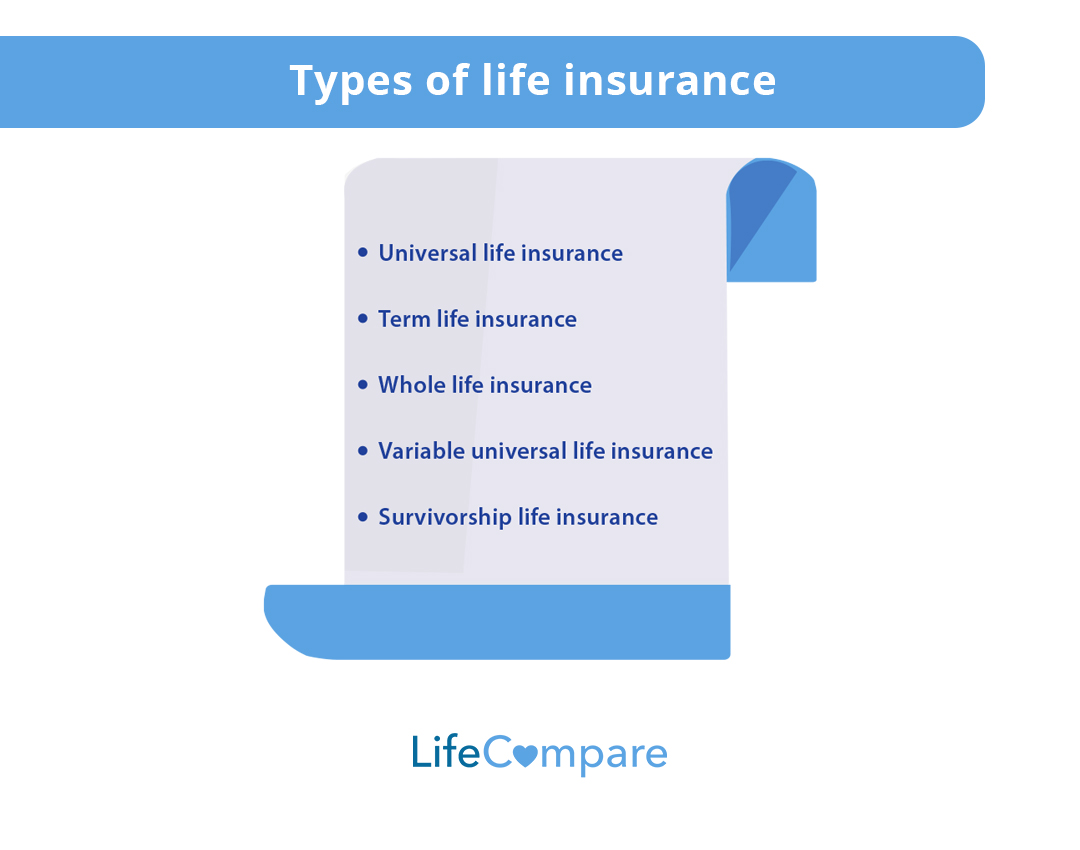
Universal Life (UL) insurance offers more flexibility than whole life. It allows policyholders to adjust their premiums and death benefits as their financial situation changes. There are several variations, including Indexed Universal Life (IUL) and Variable Universal Life (VUL).
Best For: Professionals with Fluctuating Incomes
If your concern is that you may not be able to afford high fixed premiums in the future—or conversely, that you want to overfund your policy during high-income years—Universal Life is a strong contender. It addresses the risk of "policy lapse" by allowing you to use accumulated cash value to cover premiums during lean years.
Understanding Market Risk
While Universal Life offers flexibility, it introduces new risks. In an IUL policy, the cash value growth is tied to a market index (like the S&P 500). While there is usually a "floor" to protect against losses, there is also a "cap" on gains. Variable policies (VUL) carry even more risk, as the cash value is invested directly in sub-accounts (similar to mutual funds). If the market performs poorly, you may need to pay significantly higher premiums to keep the policy from lapsing.
Comparing Policy Types Based on Specific Concerns
The following table summarizes how different life insurance structures align with common household risks.
| Risk/Concern | Recommended Policy Type | Why It Fits | Potential Drawback |
|---|---|---|---|
| Mortgage/Debt | Term Life | Matches the duration of the loan at a low cost. | No value remains once the debt is paid. |
| Young Children | Term Life | Provides maximum coverage for the lowest premium. | Coverage ends when children are adults. |
| Estate Taxes | Whole Life | Guaranteed payout provides liquidity for taxes. | Very high premium costs. |
| Funeral Costs | Final Expense (Whole) | Small face amounts are easy to qualify for. | Higher cost per $1,000 of coverage. |
| Market Upside | Indexed Universal | Offers potential for cash value growth. | Returns are capped; complex fees. |
| Business Buy-Sell | Term or Universal | Covers the transition period of ownership. | Requires regular policy reviews. |
Specialized Policies for High-Risk Groups
Not everyone qualifies for standard term or whole life policies due to health risks. In these cases, specialized products address the concern of "insurability."
Simplified Issue and Guaranteed Issue
For those with chronic illnesses or significant health histories, "Guaranteed Issue" life insurance removes the medical exam requirement. The primary concern here is that the individual might be "uninsurable" in the traditional market. These policies are generally whole life structures but come with lower death benefits (usually under $25,000) and higher costs. They often feature a "graded death benefit," meaning if the insured dies within the first two years, the beneficiaries may only receive a return of premiums plus interest rather than the full face value.
Final Expense Insurance
Also known as "burial insurance," this is a small whole life policy specifically designed for seniors concerned about the risk of leaving funeral costs to their grieving families. It focuses on ease of access rather than wealth accumulation.
Strategic Decision-Making: How to Choose
When comparing these types, follow a three-step verification process to ensure the policy meets your actual needs:
- Quantify the Time Horizon: Is your risk "fixed" (like a 20-year mortgage) or "infinite" (like the desire to leave a legacy)? If fixed, look at term. If infinite, look at permanent.
- Calculate the "Shortfall": Determine how much money your family would actually need to maintain their standard of living. This includes debt payoff, education funds, and income replacement.
- Assess Your Budget Stability: If you have a stable, high income, a permanent policy's cash value can be a powerful diversification tool. If your budget is tight, prioritizing the highest death benefit possible through term insurance is the most responsible move.
It is often beneficial to "ladder" policies. For example, a father might buy a $500,000 20-year term policy to cover the mortgage and a $100,000 whole life policy to ensure there is always a death benefit for his spouse, regardless of when he passes away.
Frequently Asked Questions
Can I change from a term policy to a permanent policy later?Yes, if your policy includes a conversion rider. This is a common feature that allows you to convert some or all of your term coverage into a permanent policy (like whole life) without undergoing a new medical exam. This is an excellent way to mitigate the risk of developing a health condition that would otherwise make you uninsurable later in life. However, your premiums will increase to the permanent insurance rates based on your age at the time of conversion.
What happens to my life insurance if I lose my job?If you have a policy through your employer (Group Life), it typically ends when your employment does. This creates a "coverage gap" risk. If you have an individual policy, it remains in force as long as you pay the premiums. For Universal Life policies, you may be able to use your accumulated cash value to pay the premiums temporarily while you are between jobs, providing a safety net that term insurance does not offer.
Is the death benefit from life insurance taxable?In most cases, the death benefit paid to beneficiaries is not subject to federal income tax. However, if the death benefit is paid to your "estate" rather than a named beneficiary, or if your total estate exceeds federal or state exemption limits, it could be subject to estate taxes. As of 2026, estate tax laws have shifted, making it vital to consult with a financial advisor regarding the use of Irrevocable Life Insurance Trusts (ILITs) to keep insurance proceeds out of the taxable estate. You can find more information on estate limits at the IRS website.
How does inflation affect my life insurance needs?Inflation reduces the purchasing power of your death benefit over time. A $500,000 policy purchased today will buy significantly less in 20 years. To combat this risk, some policyholders choose "Inflation Protection" riders or intentionally over-insure at the start. Alternatively, some Universal Life policies allow you to increase the death benefit over time to keep pace with the rising cost of living.
What is the "Free Look" period?Most states mandate a "Free Look" period, usually lasting 10 to 30 days after you receive your policy. During this time, you can review the contract and cancel it for a full refund of any premiums paid. This protects consumers from the risk of "buyer's remorse" or realizing the policy terms were not what they expected. For more on state-specific consumer protections, visit the National Association of Insurance Commissioners (NAIC).
Practical Recommendation
If you are currently uninsured or underinsured, your first action should be to secure a Term Life Insurance policy that covers your largest immediate risks (mortgage and income replacement). Once that foundational protection is in place, you can evaluate whether a Permanent Policy is necessary for long-term legacy or tax planning. Always request a "Policy Illustration" before signing, which shows how the cash value and premiums are projected to perform over several decades.
Image Gallery