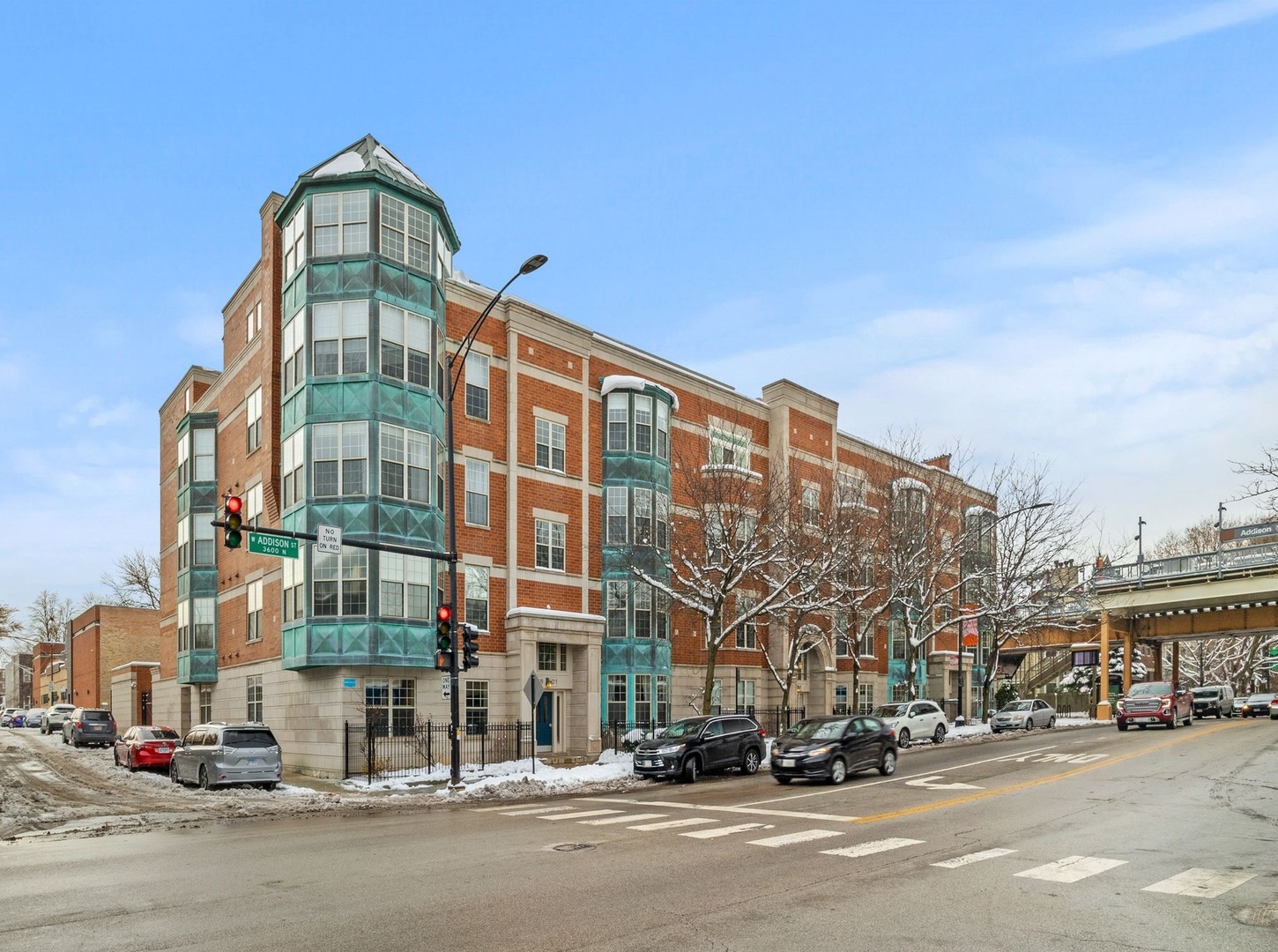
1801 Taylor St Chicago IL: Comprehensive Location, Facility, and Accessibility Guide
1801 Taylor St Chicago IL is a prominent urban address situated in the heart of the Illinois Medical District on Chicago's Near West Side. This location serves as a vital geographic and logistical hub for healthcare infrastructure, aca...
1801 Taylor St Chicago IL is a prominent urban address situated in the heart of the Illinois Medical District on Chicago's Near West Side. This location serves as a vital geographic and logistical hub for healthcare infrastructure, academic research facilities, and surrounding residential communities, offering strategic access to major regional transit corridors and medical networks.
Contents
Understanding the Geographic and Infrastructure Context of 1801 Taylor St
Navigating the Near West Side requires a solid grasp of Chicago's street grid system. The address 1801 Taylor Street places the property at the intersection of Taylor Street and South Wood Street, positioning it directly within one of the largest concentrations of healthcare and biotechnology institutions in the United States.
The Illinois Medical District (IMD) spans over 560 acres, encompassing world-class research hospitals, universities, and biotechnology labs. Real estate and facility management within this zone adhere to strict municipal zoning codes, architectural standards, and accessibility mandates.
Key Geographic and Structural Characteristics
- Grid Coordinates: Located approximately 3 miles west of downtown Chicago's Loop, making it easily accessible from both the financial district and western suburbs.
- Zoning and Land Use: Designated primarily for institutional, commercial, and medical-use developments under the City of Chicago Zoning Ordinance.
- Proximity to Arterials: Immediate access to major transportation arteries facilitates high-volume daily commuting for professionals, patients, and researchers.
Transportation, Parking, and Transit Accessibility
Reaching 1801 Taylor St Chicago IL efficiently requires understanding the multi-modal transit options available in the Illinois Medical District. Whether commuting via public transit, driving, or utilizing rideshare services, planning your route according to peak traffic hours ensures timely arrival.
Public Transit Routes
The Chicago Transit Authority (CTA) operates robust rail and bus services connecting the Near West Side to all parts of the city and surrounding suburbs:
- CTA Pink Line: The Polk station is located just a short walk from Taylor Street, providing direct rapid transit service from the Loop and the West Side.
- CTA Blue Line: The Illinois Medical District station on Racine Avenue offers another high-capacity rail option within walking distance.
- Bus Lines: CTA Bus Route #12 (Taylor) stops directly adjacent to the block, while Route #7 (Harrison) and Route #157 (Motor Row/Taylor) provide frequent east-west and north-south connections.
Parking Infrastructure and Vehicular Access
Street parking immediately surrounding 1801 Taylor Street is heavily regulated, often restricted to residential permit holders or metered spaces with strict time limits. Visitors and professionals typically rely on structured parking garages managed by adjacent medical centers and institutions.
Parking Best Practice: When visiting institutions within the Illinois Medical District, utilize designated structured parking garages rather than street parking to avoid municipal citations or towing, and inquire about validated parking programs if visiting affiliated medical offices.
Surrounding Medical and Institutional Ecosystem
The value of 1801 Taylor St Chicago IL is deeply tied to its immediate neighbors. The Illinois Medical District hosts major healthcare heavyweights, driving continuous economic activity and professional foot traffic to the area.
| Institution / Facility | Distance from 1801 Taylor St | Primary Focus / Services |
|---|---|---|
| University of Illinois Hospital (UI Health) | 0.3 miles East | Comprehensive academic health system, Level 1 trauma center |
| Rush University Medical Center | 0.5 miles North | Tertiary care, academic research, specialized surgical suites |
| John H. Stroger, Jr. Hospital of Cook County | 0.6 miles Northwest | Public health system, emergency care, county safety-net facility |
| Jesse Brown VA Medical Center | 0.4 miles West | Veteran-specific healthcare services, outpatient clinics |
These institutions maintain strict credentialing, safety protocols, and operational guidelines that influence the entire surrounding micro-economy, from commercial real estate leasing to local dining and housing demands.
Urban Planning and Real Estate Dynamics in the IMD
Properties near 1801 Taylor Street benefit from continuous revitalization efforts led by the Illinois Medical District Commission. Urban planning strategies focus on transforming the area into a mixed-use innovation district that blends clinical care, biomedical research, residential housing, and green spaces.
Development Trends and Regulations
- Life Sciences Expansion: Increased demand for wet labs and research-and-development (R&D) spaces has transformed older industrial footprints into modern tech-enabled facilities.
- Pedestrian Safety: Continuous city-funded infrastructure improvements enhance crosswalk visibility, bike lane connectivity, and ADA compliance along Taylor Street and Wood Street.
- Sustainability Standards: New constructions and major renovations within the district must align with the Chicago Sustainable Development Policy, emphasizing energy efficiency and stormwater management.
Navigating Local Regulations and Compliance
Operating, visiting, or developing property in the vicinity of 1801 Taylor St Chicago IL requires strict adherence to local, state, and federal regulatory frameworks.
Essential Compliance Categories
- Building and Fire Codes: Properties must comply with the Chicago Construction Codes, which incorporate modern life-safety provisions, sprinkler mandates, and stringent egress requirements.
- Environmental Controls: Given the concentration of medical facilities, medical waste disposal and hazardous material transport are strictly monitored by the Chicago Department of Public Health and the EPA.
- Accessibility Standards: All public-facing and commercial facilities must meet the Illinois Accessibility Code and the federal Americans with Disabilities Act (ADA) guidelines.
Frequently Asked Questions
What neighborhood is 1801 Taylor St Chicago IL located in?
1801 Taylor Street is located in the Near West Side neighborhood of Chicago, specifically within the designated boundaries of the Illinois Medical District (IMD). This area is renowned for its high concentration of medical, educational, and research institutions.
How do I get to 1801 Taylor St using public transportation?
You can easily reach the area via the CTA Pink Line (Polk station) or the CTA Blue Line (Illinois Medical District station). Additionally, CTA Bus Route #12 provides direct service along Taylor Street.
Are there public parking garages near 1801 Taylor St?
Yes, multiple secure structured parking garages are operated by neighboring medical centers such as UI Health and Rush University Medical Center, offering daily parking options for visitors and professionals.
What types of facilities dominate the area surrounding 1801 Taylor Street?
The surrounding area is heavily dominated by academic medical centers, hospitals, outpatient clinics, biotechnology research laboratories, and university housing facilities supporting medical and nursing students.
Is the neighborhood around 1801 Taylor Street accessible for pedestrians?
The area is highly walkable, featuring continuous sidewalks, ADA-compliant curb cuts, and dedicated bike lanes designed to handle heavy daily foot traffic from hospital staff, students, and patients.
Conclusion and Professional Recommendation
Successfully engaging with the area surrounding 1801 Taylor St Chicago IL—whether for medical, academic, or professional purposes—requires a clear understanding of its urban geography, transit network, and institutional density. Plan your transit routes ahead of time by utilizing real-time CTA tracking, leverage structured parking facilities when driving, and ensure full compliance with local municipal and zoning regulations for any property-related activities.
Image Gallery