CorVel US Workers’ Compensation TPA and Claims Administration: A Comprehensive 2026 Guide
CorVel Corporation is a leading provider of US workers’ compensation Third-Party Administration (TPA) and claims management services, specializing in an integrated approach that combines medical management with traditional claims proce...
CorVel Corporation is a leading provider of US workers’ compensation Third-Party Administration (TPA) and claims management services, specializing in an integrated approach that combines medical management with traditional claims processing. By 2026, their model focuses on leveraging real-time data and artificial intelligence to reduce total claim costs and improve return-to-work outcomes for self-insured employers and insurance carriers.
Contents
The Role of CorVel in the Modern Workers’ Compensation Landscape
In 2026, the workers’ compensation environment is characterized by rising medical costs, complex regulatory shifts, and an increased reliance on digital health. CorVel operates as a Third-Party Administrator (TPA), which means it handles the processing of insurance claims on behalf of self-insured organizations or traditional insurance companies that prefer to outsource the administrative burden.
What distinguishes CorVel from many traditional TPAs is its commitment to a vertically integrated service model. Rather than outsourcing medical bill review, pharmacy benefit management (PBM), or case management to external vendors, CorVel maintains these capabilities in-house. This "all-in-one" philosophy aims to eliminate the friction and communication gaps that often occur when multiple vendors handle a single claim.
The Significance of Third-Party Administration (TPA)
For many large corporations, self-insuring for workers’ compensation is a strategic financial decision. However, the legal and medical complexities of managing hundreds or thousands of workplace injuries are immense. CorVel steps in to provide:
- Adherence to State Statutes: Navigating the specific workers' comp laws of all 50 states.
- Financial Oversight: Managing the payment of indemnity (wage replacement) and medical benefits.
- Data Integrity: Providing employers with transparent views into their loss runs and safety performance.
Core Components of CorVel’s Claims Administration
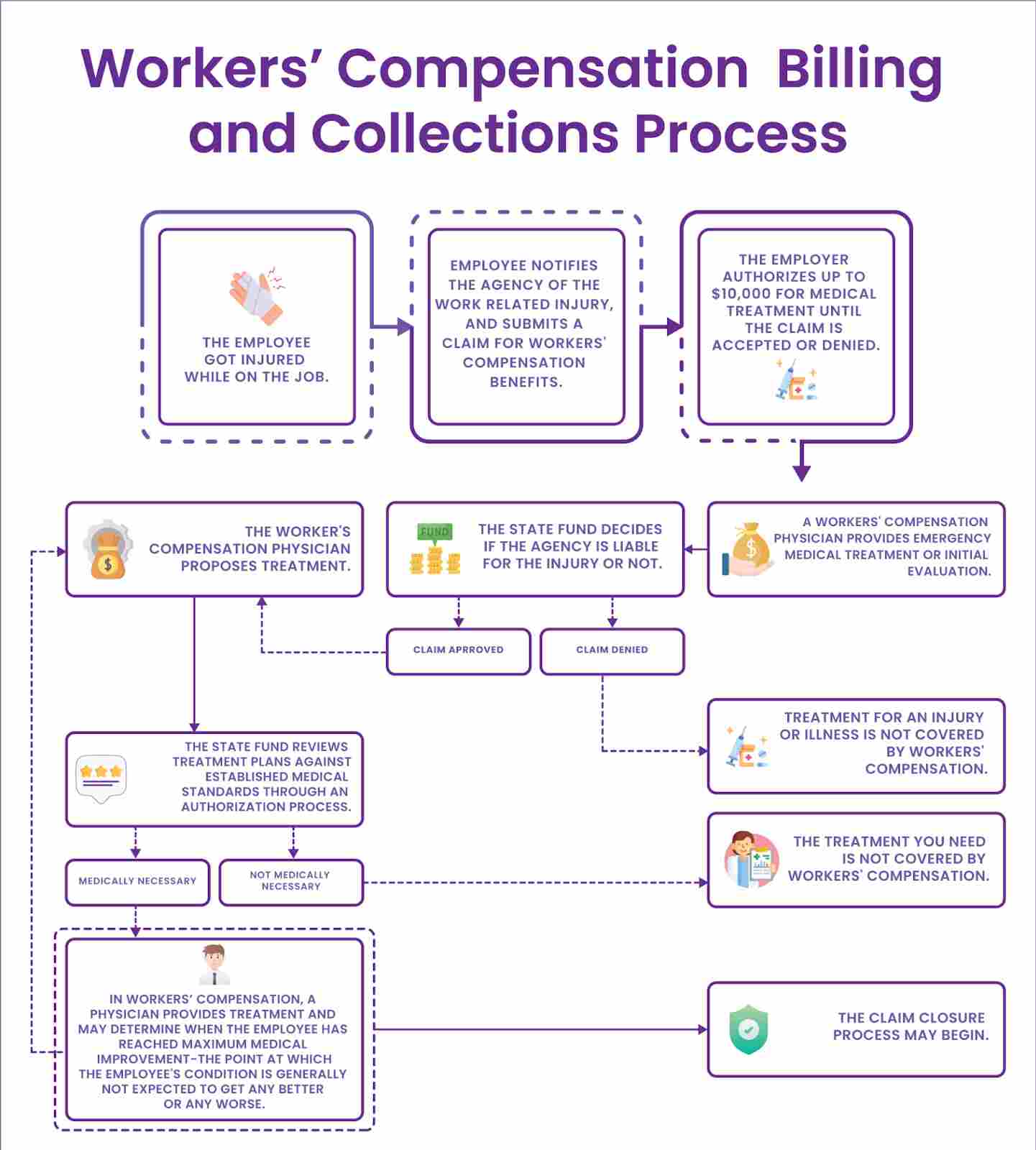
Effective claims administration is no longer just about cutting checks. In 2026, it requires a proactive strategy that begins the moment an injury is reported. CorVel’s suite of services is designed to address the lifecycle of a claim from "intake to closure."
1. 24/7 Nurse Triage and Immediate Intervention
One of the most critical elements of CorVel’s model is the immediate medical intervention provided through their telehealth and nurse triage services. When a worker is injured, they can immediately contact a registered nurse.
This early intervention serves two purposes:
- Direction of Care: The nurse determines if the injury requires an emergency room visit, an urgent care clinic, or simple first aid. This prevents unnecessary, high-cost ER visits.
- Biopsychosocial Support: By speaking with a professional immediately, the injured worker feels cared for, which significantly reduces the likelihood of "litigation fear"—a primary driver of claim costs.
2. Integrated Medical Management
CorVel integrates medical management directly into the claims workflow. This means the claims adjuster and the medical case manager work within the same software ecosystem, viewing the same notes in real-time. This integration includes:
- Utilization Review (UR): Ensuring that proposed medical treatments are necessary and follow evidence-based guidelines (such as ODG or ACOEM).
- Case Management: Assigning vocational or medical case managers to complex injuries to coordinate care and expedite the return-to-work process.
3. Pharmacy Benefit Management (PBM)
Prescription drug costs, particularly specialty meds and physician-dispensed topicals, remain a significant concern in 2026. CorVel’s in-house PBM allows for:
- Point-of-Sale Interruption: Blocking non-formulary or unauthorized medications at the pharmacy counter.
- Formulary Management: Using data to steer prescribing habits toward generic or more effective alternatives.
- Opioid Monitoring: Utilizing AI to flag potential addiction patterns or dangerous drug combinations early in the claim.
The CareMC Platform: Technology-Driven Results
At the heart of CorVel’s US workers’ compensation TPA services is CareMC, their proprietary web-based platform. In 2026, this platform has evolved beyond a simple database into a sophisticated decision-support engine.
Predictive Analytics and AI
CorVel utilizes predictive modeling to identify "creeping catastrophic" claims—those that appear minor initially but possess characteristics that suggest they will become high-cost, long-term liabilities. By analyzing thousands of historical data points, the system alerts adjusters to intervene early with specialized resources.
Transparency for Employers
The CareMC Edge provides employers with a dashboard that visualizes their data. Key performance indicators (KPIs) such as average claim duration, closing ratios, and medical savings are available at a glance. This transparency is vital for risk managers who must report to executive boards regarding the financial health of their workers' compensation programs.
Comparing CorVel’s Integrated Model to Traditional TPAs
To understand why an organization might choose CorVel over a traditional "unbundled" TPA, it is helpful to look at the operational differences.
| Feature | CorVel Integrated TPA | Traditional Unbundled TPA |
|---|---|---|
| Vendor Management | Single point of contact; in-house services. | Multiple vendors for PBM, Bill Review, etc. |
| Data Synchronization | Real-time; all parties see the same data. | Lag time due to data transfers between vendors. |
| Medical Bill Review | Automated and integrated into workflow. | Often a separate process with delayed visibility. |
| Telehealth Access | Built-in 24/7 Nurse Triage. | Often an add-on service from a 4th party. |
| Cost Structure | Typically bundled or transparent fees. | Potential for hidden "transactional" fees per vendor. |
| Reporting | Consolidated analytics. | Requires manual aggregation of disparate reports. |
Strategic Benefits of Vertical Integration
The primary argument for CorVel’s "Power of One" philosophy is the reduction of "leakage"—the administrative and medical costs that occur when a claim is handled inefficiently.
Reducing Duration and Indemnity Costs
The longer a claim stays open, the more expensive it becomes. By integrating the medical and claims sides, CorVel ensures that medical milestones (like maximum medical improvement) are immediately recognized by the adjuster. This allows for faster settlement negotiations and reduces the number of indemnity payments made after a worker is technically fit to return to some form of duty.
Medical Bill Review Savings
CorVel’s bill review services go beyond simple PPO (Preferred Provider Organization) discounting. They employ deep-packet auditing to look for:
- Unbundling: When providers charge separately for procedures that should be billed as a single code.
- Upcoding: When a provider bills for a more complex service than was actually performed.
- State Fee Schedule Compliance: Ensuring every line item matches the maximum allowable reimbursement in that specific jurisdiction.
Regulatory Compliance and National Reach
CorVel provides US workers' compensation TPA services across all 50 states. This is a significant undertaking because workers’ compensation is regulated at the state level, not the federal level.
Navigating State Variances
In 2026, states like California and New York continue to have highly complex, frequently changing regulations. CorVel maintains regional offices staffed with experts who understand local "case law" and administrative rules. For a national employer, having a single TPA that can manage a claim in Seattle with the same technological rigor as a claim in Miami is a major operational advantage.
Security and Data Privacy
As a TPA handling sensitive medical and financial data, CorVel must adhere to strict security standards. This includes HIPAA compliance for medical data and SOC 2 Type II audits for their data processing environments. In an era of increased cyber threats, their investment in secure, cloud-based infrastructure is a prerequisite for corporate partnerships.
Common Challenges and Considerations
While the integrated model offers many benefits, it is not without its considerations. Potential clients often evaluate CorVel based on:
- Network Penetration: While CorVel has a vast PPO network, some specialized regions may have higher "out-of-network" usage, which can impact savings.
- Customization vs. Standardization: Because CorVel uses its own proprietary systems, employers who require highly specific, non-standard workflows may need to work closely with CorVel’s implementation teams to ensure the CareMC platform is configured correctly.
- Internal vs. External Expertise: Some risk managers prefer to choose "best-of-breed" vendors for each individual service (e.g., a specific PBM they love). Choosing CorVel usually means committing to their entire ecosystem to get the most value.
Implementation: What to Expect
Moving to CorVel as a TPA is a multi-step process that typically spans 90 to 120 days.
- Data Conversion: Historical claim data from the previous TPA is cleaned and migrated into CareMC.
- Workflow Design: Defining "Special Handling Instructions" (SHIs) so CorVel adjusters know exactly when to contact the employer or which doctors are preferred.
- Training: Ensuring the employer’s HR and safety teams know how to use the reporting tools.
- Go-Live and Stabilization: Monitoring the initial claims to ensure the 24/7 triage and intake processes are functioning smoothly.
Frequently Asked Questions
Does CorVel only handle workers’ compensation?
While workers’ compensation is their primary focus and the area where their integrated model is most mature, CorVel also provides claims management and medical review services for auto liability, general liability, and disability programs.
How does CorVel’s bill review differ from an insurance company’s internal department?
CorVel’s bill review is often more technologically advanced, utilizing proprietary rules engines that are updated in real-time as state fee schedules change. Because they are a specialist, they often find "edge case" savings that a generalist carrier might overlook.
Can CorVel help with "legacy" or "tail" claims?
Yes. Many employers move to CorVel specifically to have their "tail" claims (old claims that won't close) reviewed by CorVel’s specialized "Claim Resolution" teams, who use clinical modeling to find a path toward settlement.
Is telehealth mandatory in CorVel’s claims administration?
No, but it is highly recommended. In 2026, telehealth is the fastest way to get a medical professional’s eyes on an injury, which is the single biggest factor in preventing a minor injury from escalating into a major financial loss.
How does CorVel handle litigation management?
CorVel adjusters work closely with defense counsel. Because the adjuster has all medical and pharmacy data in one place (CareMC), they can provide defense attorneys with a more complete "fact file," often leading to faster and less expensive legal resolutions.
Final Recommendation for Risk Managers
When evaluating CorVel for US workers’ compensation TPA and claims administration in 2026, organizations should focus on the "Total Cost of Risk" (TCOR) rather than just the administrative fee. While a low-cost TPA might save money on the "per-claim" fee, the lack of integrated medical management often leads to much higher medical and indemnity payouts over the life of the claim.
The CorVel model is most effective for organizations that value data transparency and are willing to embrace a technology-first approach to employee health. By utilizing their 24/7 nurse triage and the CareMC platform, employers can ensure their workers receive appropriate care immediately, which remains the most effective way to control workers' compensation costs in the modern era.
Image Gallery