Victoria’s Secret Angel Card vs. Standard Credit Cards: A 2026 Financial Comparison
Deciding between a Victoria’s Secret Angel Card and a standard bank-issued credit card depends on your shopping frequency and credit management goals. The Angel Card offers store-specific rewards, such as birthday gifts and exclusive a...
Deciding between a Victoria’s Secret Angel Card and a standard bank-issued credit card depends on your shopping frequency and credit management goals. The Angel Card offers store-specific rewards, such as birthday gifts and exclusive access to sales, whereas traditional credit cards generally provide broader, more flexible cash-back or travel rewards redeemable across various merchants.
Contents
Understanding the Victoria’s Secret Angel Card Infrastructure
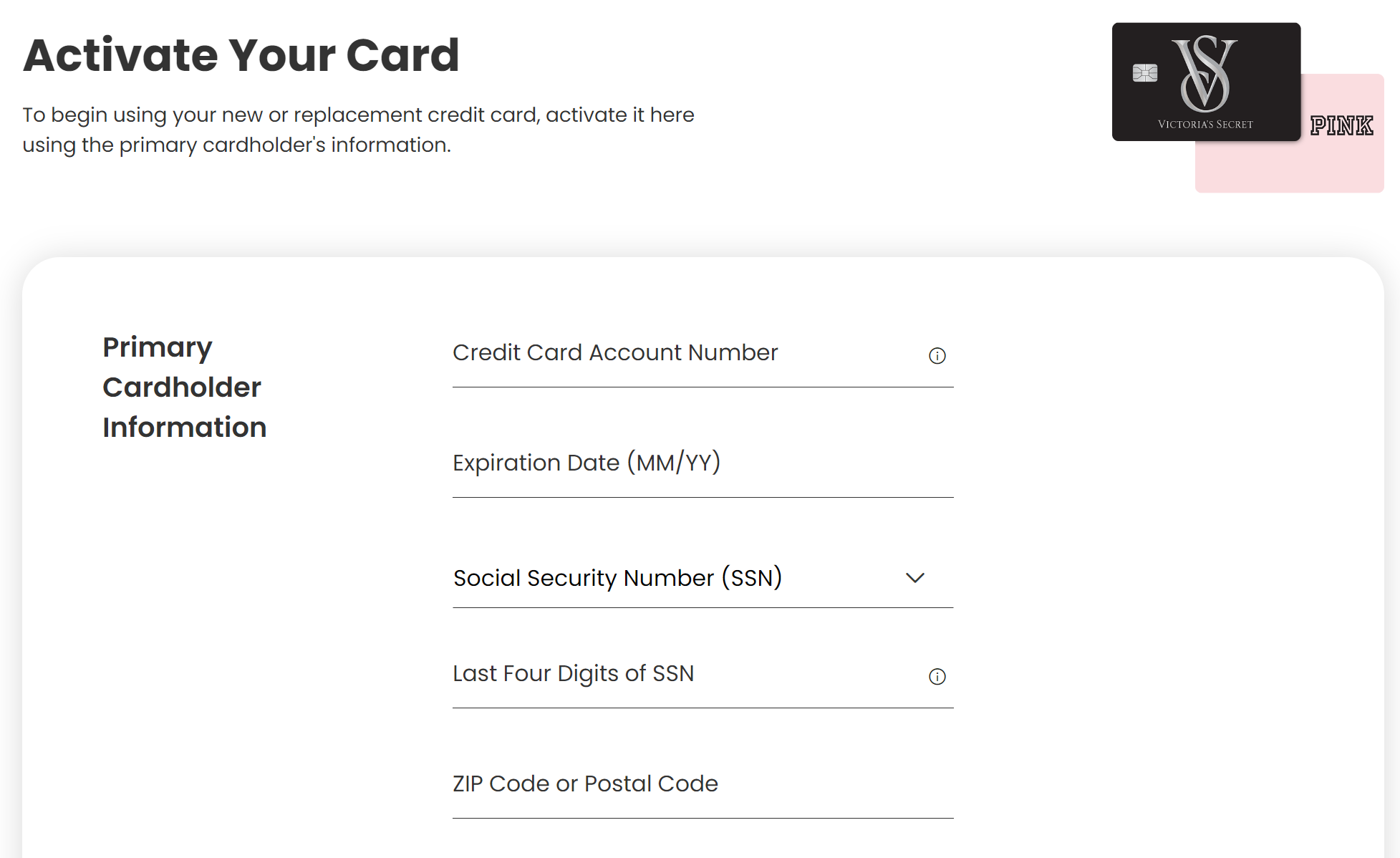
The Victoria’s Secret Angel Card, issued by Comenity Bank, is a closed-loop store credit card. This means it can only be used for purchases within Victoria’s Secret and PINK stores or their respective online platforms. In 2026, the program remains tethered to the Victoria’s Secret & PINK Collective rewards ecosystem.
The primary mechanism for value accumulation is the points system, which translates store spending into reward certificates. Unlike general-purpose cards that earn points on all transactions, the Angel Card is designed specifically to incentivize loyalty to the brand.
Core Distinctions Between Store Cards and General Credit Cards
To evaluate the utility of the Angel Card, one must compare its architecture against standard bank cards (Visa, Mastercard, or American Express). The differences are found primarily in the scope of use, interest structures, and reward flexibility.
| Feature | Victoria’s Secret Angel Card | Standard Bank Credit Card |
|---|---|---|
| Acceptance | Limited to Victoria’s Secret / PINK | Universal (Visa/MC/Amex Network) |
| Reward Scope | Store-exclusive certificates | Cash back, travel, or points |
| Annual Fee | $0 | Varies (Some $0, some premium) |
| Credit Building | Primarily for retail/store credit | Reports to all three bureaus |
| APR | Fixed high retail rate | Variable market-based rates |
Financial Implications and Interest Rates
As of 2026, the Angel Card maintains a high Annual Percentage Rate (APR). Because store cards are often accessible to individuals with varying credit profiles, they carry higher interest rates compared to traditional bank cards. It is a fundamental rule of personal finance to never carry a balance on a store-branded card. If you do not pay the statement balance in full every month, the accrued interest will rapidly exceed the monetary value of any loyalty rewards earned.
Crucial Interest Rate Warning
Avoiding High-Interest Debt The Angel Card is intended as a loyalty tool, not a financing vehicle. If you find yourself unable to pay off your balance in full by the end of the billing cycle, the interest charges will negate any savings from promotional discounts. Treat this card as a payment method for planned purchases only, ensuring the funds are already available in your checking account.
The Collective Rewards Ecosystem
The integration with the Victoria’s Secret & PINK Collective program is the primary driver for cardholders. In 2026, the tiers—Silver and Gold—are defined by annual spend.
- Silver Tier: Standard entry-level rewards for basic spending.
- Gold Tier: Achieved through higher annual spend, providing expedited shipping, specialized birthday offers, and potential for early access to semi-annual sales.
While these perks enhance the shopping experience, they do not possess the liquidity of cash-back rewards. If your goal is to maximize your total household budget, a card offering 1.5% to 2% flat-rate cash back on all purchases will mathematically outperform the value of store-specific certificates for most consumers.
Strategic Decision: When to Choose the Angel Card
The Angel Card serves a specific demographic: the frequent brand shopper who manages credit responsibly. Consider applying only if the following conditions are met:
- High Brand Affinity: You shop at Victoria’s Secret or PINK at least four to six times per year.
- Planned Expenditures: You use the card only for items you would have bought regardless of reward incentives.
- Punctual Repayment: You possess the discipline to pay the balance in full before the due date every single month.
If you are looking to build a broader credit history, diversify your rewards, or require a card that functions globally, a standard credit card issued by a major bank is the superior choice.
Frequently Asked Questions
Does the Angel Card improve my credit score? Yes, like any other revolving credit line, the Angel Card is reported to the major credit bureaus. Responsible usage—defined by low credit utilization and on-time payments—will positively impact your credit score, while missed payments will harm it.
Can I use my Angel Card at other retailers? No, the standard Angel Card is a closed-loop store card. Unless you have obtained a specific co-branded version that carries a major network logo (like Mastercard), the card will be declined at any business outside of Victoria’s Secret or PINK.
What happens if I miss a payment? Missing a payment results in late fees and potential APR penalties. Because the interest rate on the Angel Card is typically high, a single missed payment can significantly impact your total balance due to compounding interest.
Is there an annual fee for the Angel Card? As of 2026, the Angel Card does not charge an annual fee. However, the absence of an annual fee should not be the sole reason for opening the account; the high APR remains the primary risk factor.
How do I maximize the value of my Angel Card? The most effective way to extract value is to wait for "Double Points" events or promotional periods where the store offers significant discounts. Combining these store offers with the reward certificates earned through your card usage maximizes your return on investment.
Final Recommendation
The Victoria’s Secret Angel Card is a specialized tool for brand loyalists. If your shopping habits are concentrated at this retailer, the card provides tangible benefits through its tiered rewards program. However, from a strictly financial standpoint, the inability to use the card at other merchants and the high-interest nature of retail credit lines make it inferior to a general-purpose cash-back or travel rewards credit card for the average consumer. Prioritize paying down your balance monthly to avoid the common pitfall of interest-based debt that often plagues retail credit programs.
Image Gallery