New York-Presbyterian Hospital Locations: 2026 Guide to Campuses and Specialties
New York-Presbyterian Hospital operates over ten world-class hospital campuses and hundreds of specialized outpatient clinics across the Greater New York area, including Manhattan, Brooklyn, Queens, and Westchester. As a premier academ...
New York-Presbyterian Hospital operates over ten world-class hospital campuses and hundreds of specialized outpatient clinics across the Greater New York area, including Manhattan, Brooklyn, Queens, and Westchester. As a premier academic medical system affiliated with Weill Cornell Medicine and Columbia University, New York-Presbyterian provides comprehensive care ranging from primary medicine to advanced quaternary surgical interventions at its strategically located facilities.
Contents
Choosing the right New York-Presbyterian (NYP) location depends on your specific medical needs, geographic proximity, and insurance network. In 2026, the system continues to lead the nation in clinical excellence, maintaining high CMS Star Ratings and top-tier rankings in U.S. News & World Report. Whether you require the specialized pediatric care of Morgan Stanley Children’s Hospital or the advanced oncology services at the David H. Koch Center, understanding the layout and specific offerings of each campus is essential for navigating one of the world's most complex and successful healthcare delivery systems.
Primary Academic Medical Centers in Manhattan
The core of the New York-Presbyterian system consists of two major academic medical centers located in Manhattan. these facilities serve as the primary teaching hospitals for two Ivy League medical schools and handle the most complex medical cases in the northeastern United States.
New York-Presbyterian/Weill Cornell Medical Center
Located on the Upper East Side (525 East 68th Street), this campus is the primary teaching hospital for Weill Cornell Medicine. It is renowned for its heart and vascular institute, burn center, and the Alexandra Cohen Hospital for Women and Newborns, which occupies the top floors of the David H. Koch Center nearby.
New York-Presbyterian/Columbia University Irving Medical Center
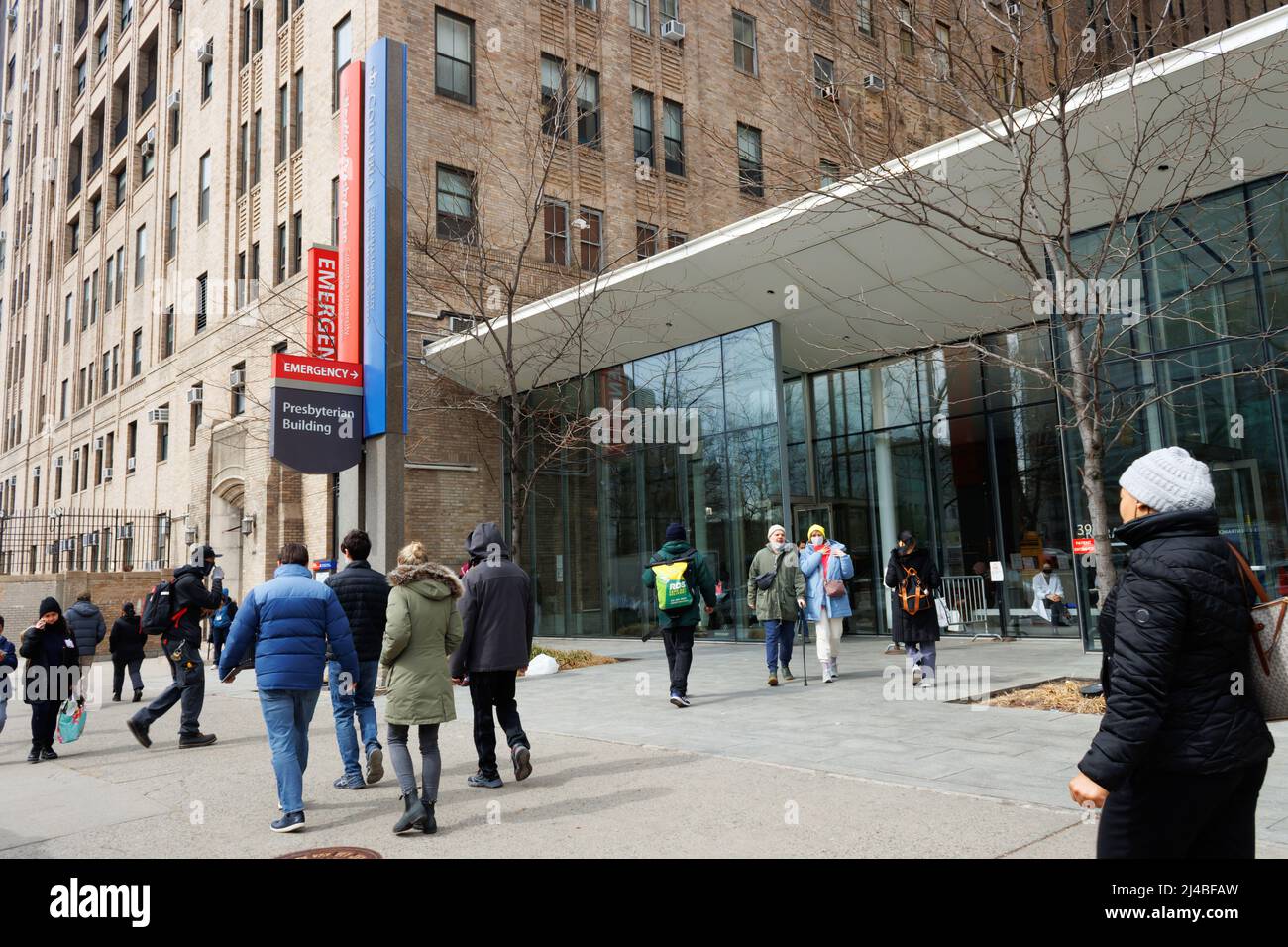
Situated in Washington Heights (177 Fort Washington Avenue), this campus is affiliated with the Columbia University Vagelos College of Physicians and Surgeons. It is a global leader in transplant surgery, neurology, and psychiatry. The campus also houses the Milstein Hospital Building and the Vivian and Seymour Milstein Heart Center, providing some of the most advanced cardiac care available in 2026.
New York-Presbyterian/Lower Manhattan Hospital
As the only full-service pharmaceutical and acute care hospital south of 14th Street, the Lower Manhattan location (170 William Street) serves the diverse populations of the Financial District, Chinatown, and Tribeca. It offers essential emergency services and a robust range of outpatient specialties tailored to the downtown community.
Specialized Centers of Excellence
Beyond general acute care, New York-Presbyterian has invested heavily in dedicated facilities for specific patient populations. These centers allow for highly concentrated expertise and state-of-the-art technology.
Morgan Stanley Children's Hospital
Located adjacent to the Columbia campus, this is one of the highest-rated pediatric hospitals in the country. It provides specialized neonatal intensive care (NICU), pediatric cardiology, and oncology services. The environment is specifically designed to be child-friendly, reducing the stress of hospitalization for younger patients.
New York-Presbyterian Westchester Behavioral Health Center
Located in White Plains, this historic campus provides comprehensive psychiatric care. In 2026, it remains a national leader in treating mood disorders, eating disorders, and geriatric psychiatry, offering both inpatient and intensive outpatient programs.
The David H. Koch Center
This ambulatory care center at the Weill Cornell campus represents the future of outpatient medicine. It integrates multidisciplinary teams for digestive diseases, cancer care, and infusion services. By focusing on outpatient procedures that once required overnight stays, the Koch Center improves patient recovery times and operational efficiency.
Regional and Community Hospital Locations
To ensure healthcare accessibility outside of Manhattan’s core, New York-Presbyterian has expanded its "Regional Hospital Network." These locations bring the expertise of academic medicine into local neighborhoods in Brooklyn, Queens, and Westchester County.
New York-Presbyterian Brooklyn Methodist Hospital
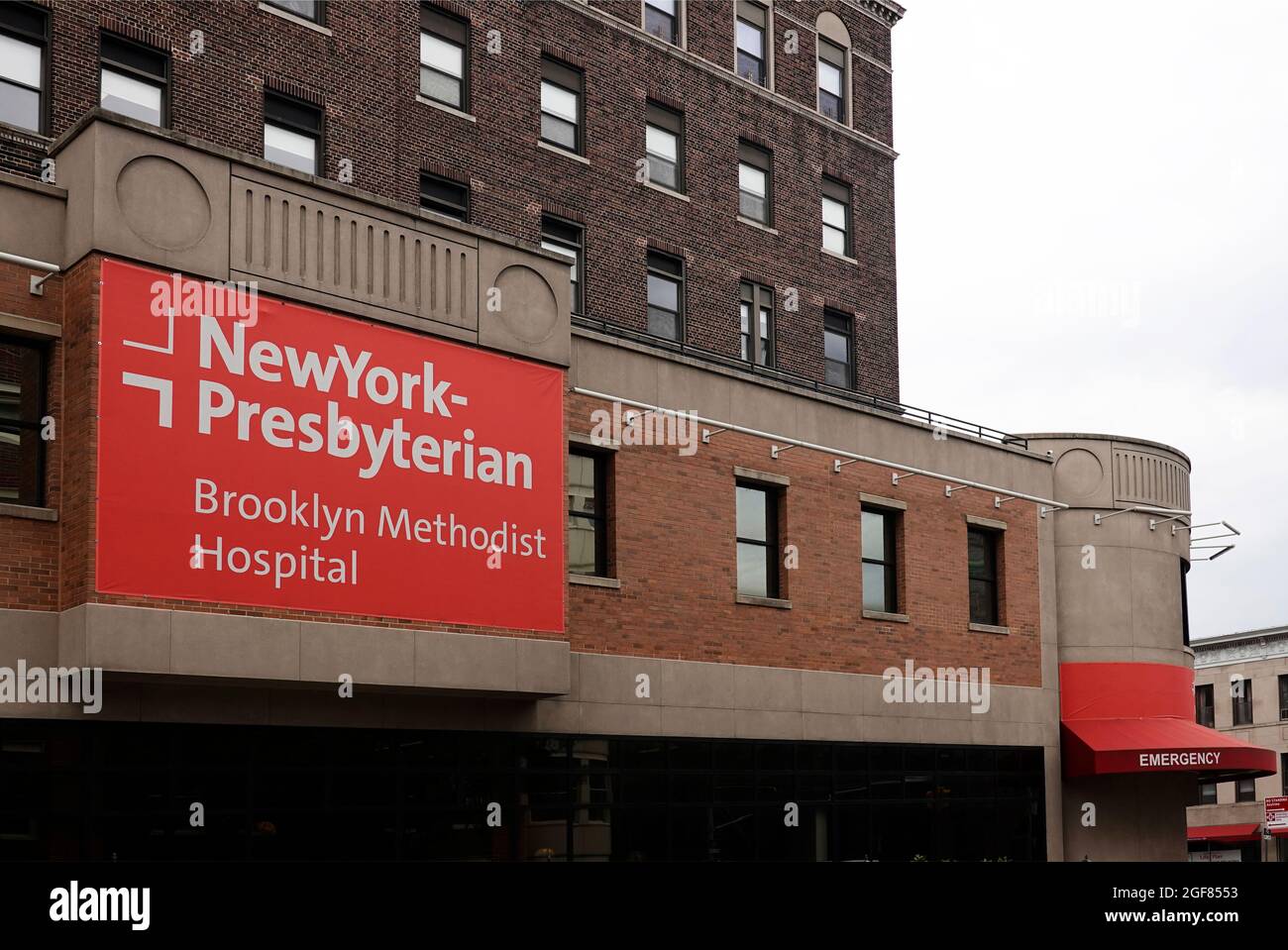
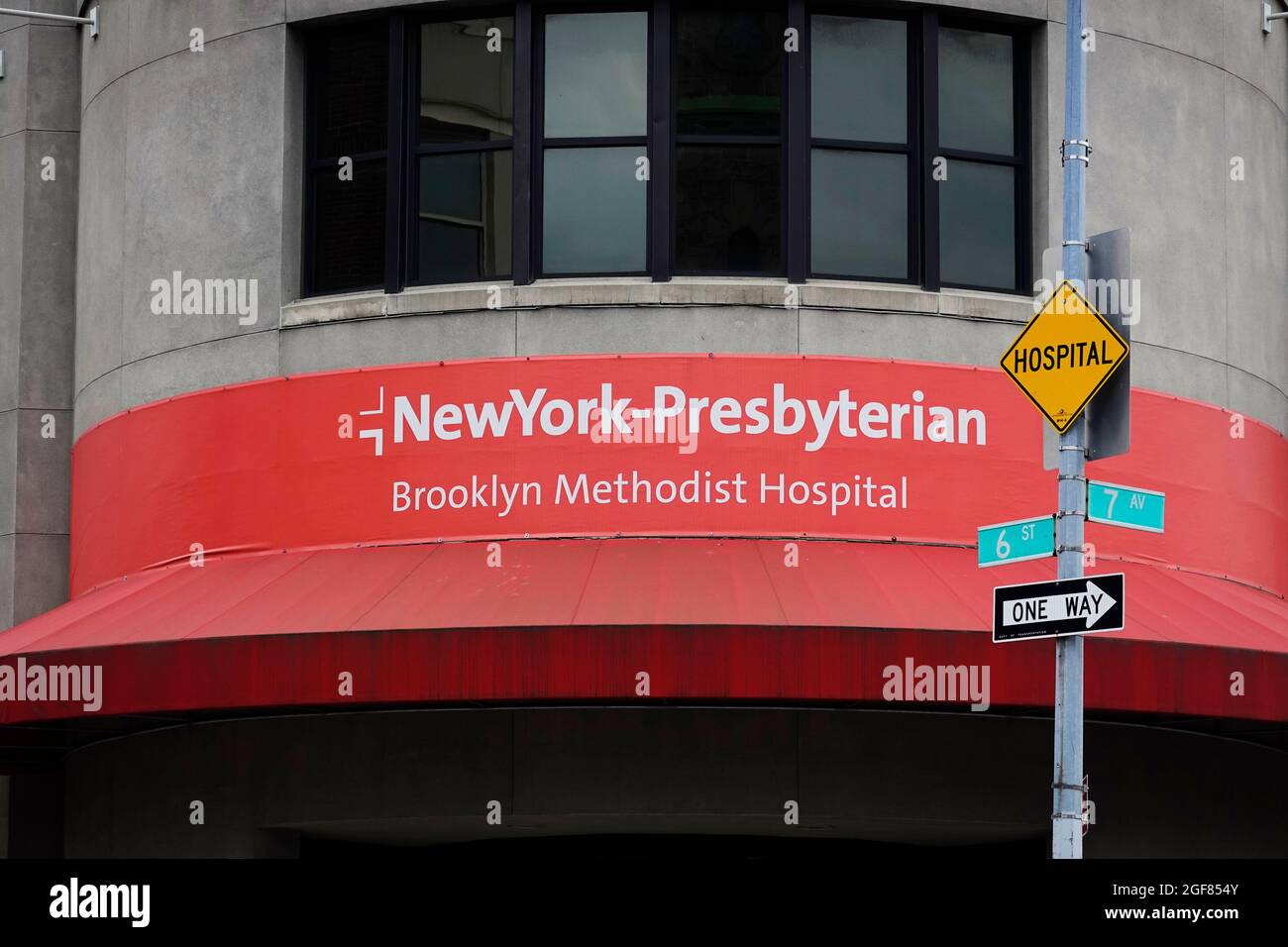
Located in Park Slope, Brooklyn, this facility provides comprehensive emergency, surgical, and maternity services. It serves as a vital anchor for the borough, offering specialized centers for neurosciences and orthopedic care without requiring patients to travel into Manhattan.
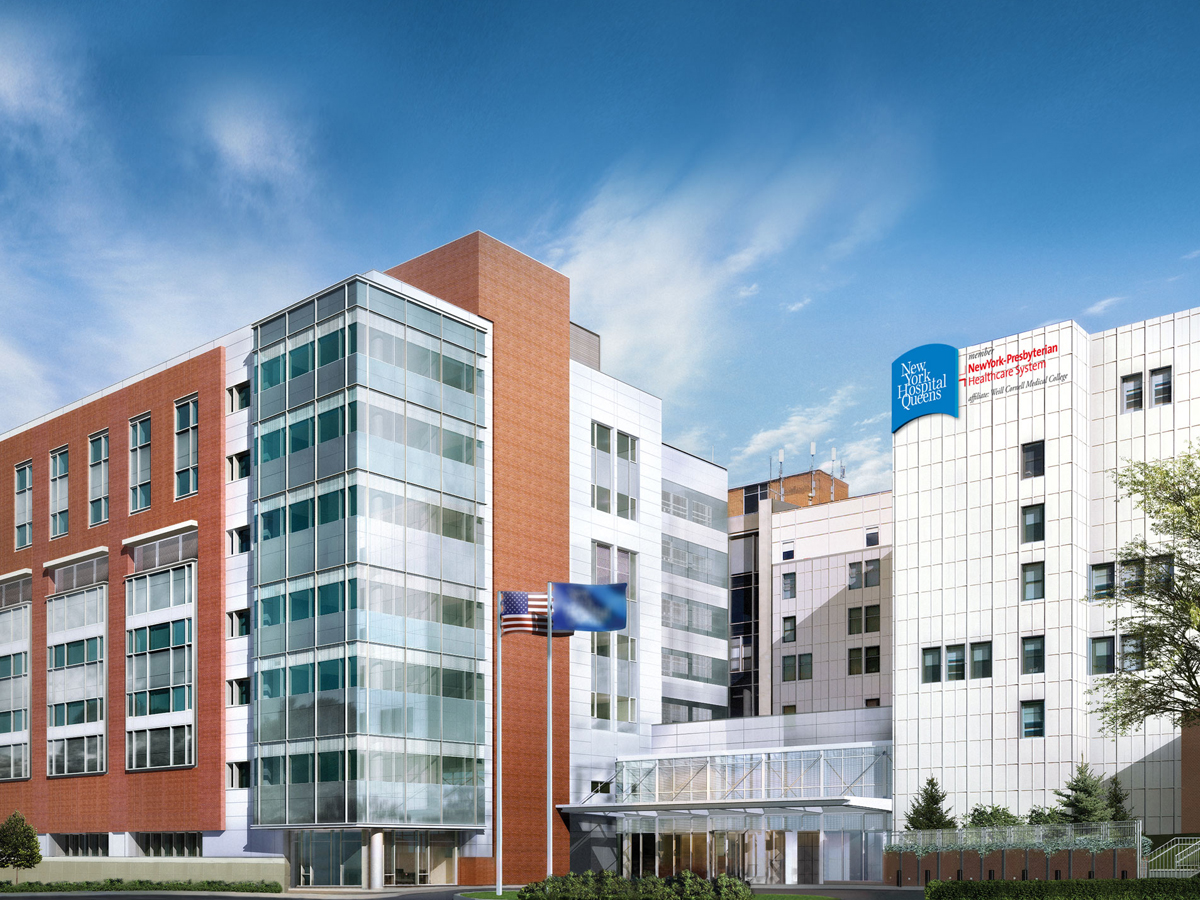
New York-Presbyterian Queens
Based in Flushing, this campus is a major healthcare provider for the most ethnically diverse county in the United States. It features a Level 1 Trauma Center and advanced programs in digestive health and cardiovascular medicine.
New York-Presbyterian Westchester (formerly Lawrence Hospital)
Located in Bronxville, this hospital provides high-quality care to Westchester residents. It features a state-of-the-art cancer center and specialized maternity suites. It serves as a primary point of entry for patients in the northern suburbs who require the resources of the NYP system.
New York-Presbyterian Hudson Valley Hospital
Situated in Cortlandt Manor, this location offers comprehensive care to the upper Hudson Valley region. Known for its "Magnet" designation for nursing excellence, it provides sophisticated surgical services and a highly regarded cancer center.
Comprehensive Comparison of Major NYP Facilities
The following table provides a quick reference for the primary hospital locations within the New York-Presbyterian system as of 2026.
| Facility Name | Primary Location | Key Specialty | Emergency Services |
|---|---|---|---|
| NYP/Weill Cornell | Upper East Side, Manhattan | Cardiology & Burn Care | Level 1 Trauma |
| NYP/Columbia | Washington Heights, Manhattan | Neurology & Transplant | Level 1 Trauma |
| NYP/Lower Manhattan | Financial District, Manhattan | Community Medicine | Full ER |
| NYP Brooklyn Methodist | Park Slope, Brooklyn | Orthopedics & Maternity | Full ER |
| NYP Queens | Flushing, Queens | Trauma & Cardiac Care | Level 1 Trauma |
| NYP Westchester | Bronxville, NY | Oncology & Maternity | Full ER |
| NYP Hudson Valley | Cortlandt Manor, NY | Digestive Health | Full ER |
| Morgan Stanley Children's | Washington Heights, Manhattan | Pediatrics | Pediatric ER |
| Westchester Behavioral | White Plains, NY | Psychiatry | Psychiatric ER |
Insurance Acceptance and Managed Care Logistics
Navigating the financial aspect of New York-Presbyterian is critical for patient access. In 2026, NYP remains a participating provider in a wide array of insurance networks, though specific plan tiers may vary.
Network Participation and Tiers
New York-Presbyterian is generally "in-network" for major national carriers including Aetna, BlueCross BlueShield (Anthem), Cigna, UnitedHealthcare, and Oxford Health Plans. However, patients enrolled in restrictive HMO plans or narrow-network Exchange plans must verify that their specific sub-plan includes NYP academic centers, as some lower-tier plans may only include the regional community hospitals.
Medicare and Medicaid Status
All New York-Presbyterian hospital locations accept Traditional/Original Medicare (Part A and Part B). For those with Medicare Advantage (Part C), NYP is contracted with most major plans, including those from UnitedHealthcare, Aetna, and Empire. NYP also accepts New York State Medicaid and various Managed Medicaid plans, though specialist availability within these plans may vary by campus.
The Importance of the PCP Referral
For patients using HMO or POS plans, a formal referral from a Primary Care Physician (PCP) is often a mandatory requirement before visiting an NYP specialist. Failure to secure this referral prior to an appointment can lead to claim denials or significantly higher out-of-pocket costs.
Technical Standards and Quality Metrics
The reputation of New York-Presbyterian is backed by rigorous data and adherence to international medical standards. In 2026, the system continues to meet and exceed several key performance indicators:
- Magnet Recognition: Most NYP campuses hold Magnet status from the American Nurses Credentialing Center (ANCC), representing the highest honor for nursing excellence and patient outcomes.
- CMS Star Ratings: The Centers for Medicare & Medicaid Services frequently award NYP locations 4 or 5 stars for patient safety, timely care, and effective treatments.
- Leapfrog Safety Grades: NYP facilities consistently aim for "A" grades in the Leapfrog Hospital Safety Grade, which monitors errors, injuries, accidents, and infections.
- Academic Integration: Unlike standard community hospitals, NYP locations utilize a "Physician-Scientist" model, where clinical care is directly informed by the latest research conducted at Weill Cornell and Columbia universities.
How to Navigate NYP Outpatient Locations
In addition to the large hospital campuses, the New York-Presbyterian Medical Group (NYPMG) operates hundreds of neighborhood offices. These are categorized into several regional groups:
- NYPMG Westchester: Serving communities like Scarsdale, Eastchester, and White Plains.
- NYPMG Hudson Valley: Covering Putnam and Northern Westchester counties.
- NYPMG Queens: Providing multi-specialty care throughout the borough.
- NYPMG Brooklyn: Focused on neighborhood-based primary and specialty care.
To find a specific doctor or outpatient office in 2026, the "Find a Doctor" tool on the official NYP website is the most accurate resource. It allows patients to filter by location, insurance accepted, language spoken, and clinical specialty.
Frequently Asked Questions
Which New York-Presbyterian location is best for heart surgery?
Both the Weill Cornell and Columbia University Irving Medical Center campuses are world leaders in cardiac surgery. Columbia is particularly noted for heart transplants and complex valve repairs, while Weill Cornell is a leader in minimally invasive cardiac interventions and vascular surgery.
Does New York-Presbyterian accept UnitedHealthcare?
Yes, New York-Presbyterian is a contracted provider for most UnitedHealthcare plans, including employer-sponsored insurance, Medicare Advantage, and Managed Medicaid. However, patients should always check their specific plan's provider directory to ensure the individual specialist is in-network.
What is the difference between NYP/Columbia and NYP/Weill Cornell?
The primary difference is their academic affiliation and geographic location. NYP/Columbia is affiliated with Columbia University and is located in Upper Manhattan. NYP/Weill Cornell is affiliated with Cornell University and is located on the Upper East Side. While both offer comprehensive care, they have different specialized research focuses.
Are all NYP locations open 24/7?
Main hospital campuses with Emergency Departments are open 24/7, 365 days a year. However, outpatient clinics, imaging centers, and the David H. Koch Center have specific operating hours, typically Monday through Friday, with limited weekend availability for urgent services.
How do I access my medical records from different NYP locations?
New York-Presbyterian uses a unified electronic health record system accessible through the "Connect" patient portal. Patients can view test results, schedule appointments, and message providers across all NYP campuses using a single login.
Patient Navigation and Practical Advice
When visiting any New York-Presbyterian location in 2026, preparation is key to a smooth experience. Due to the high volume of patients at academic centers, arriving 30 minutes early for registration is recommended.
- Parking and Transit: Manhattan campuses are notoriously difficult for parking. It is highly recommended to use public transportation (the "A," "C," or "1" trains for Columbia; the "Q" or "6" trains for Weill Cornell). Most locations offer valet parking, but costs are significant.
- Digital Check-In: Use the Connect portal to complete "eCheck-In" up to 24 hours before your appointment. This significantly reduces time spent in waiting rooms.
- Specialty Alignment: If you have a complex condition involving multiple organs (e.g., metastatic cancer or multi-system autoimmune disease), try to keep all your specialists within the same campus to ensure seamless communication between your care team.
For those seeking the highest level of medical intervention, New York-Presbyterian remains the gold standard in the 2026 healthcare landscape. By selecting the location that aligns with your specific clinical needs and insurance requirements, you ensure access to a network that consistently defines the cutting edge of modern medicine.
Image Gallery