Understanding D&D Fire Damage in Play: Mechanics, Spells, and Strategy
Fire damage is a foundational energy type in Dungeons & Dragons, representing intense heat produced by magical spells, alchemical reactions, or natural hazards. In play, it typically involves rolling specific damage dice—often associat...
Fire damage is a foundational energy type in Dungeons & Dragons, representing intense heat produced by magical spells, alchemical reactions, or natural hazards. In play, it typically involves rolling specific damage dice—often associated with Dexterity saving throws—while accounting for common creature resistances, environmental ignition, and tactical synergies between character abilities and the surrounding terrain.
Contents
The Fundamentals of Fire Damage in D&D
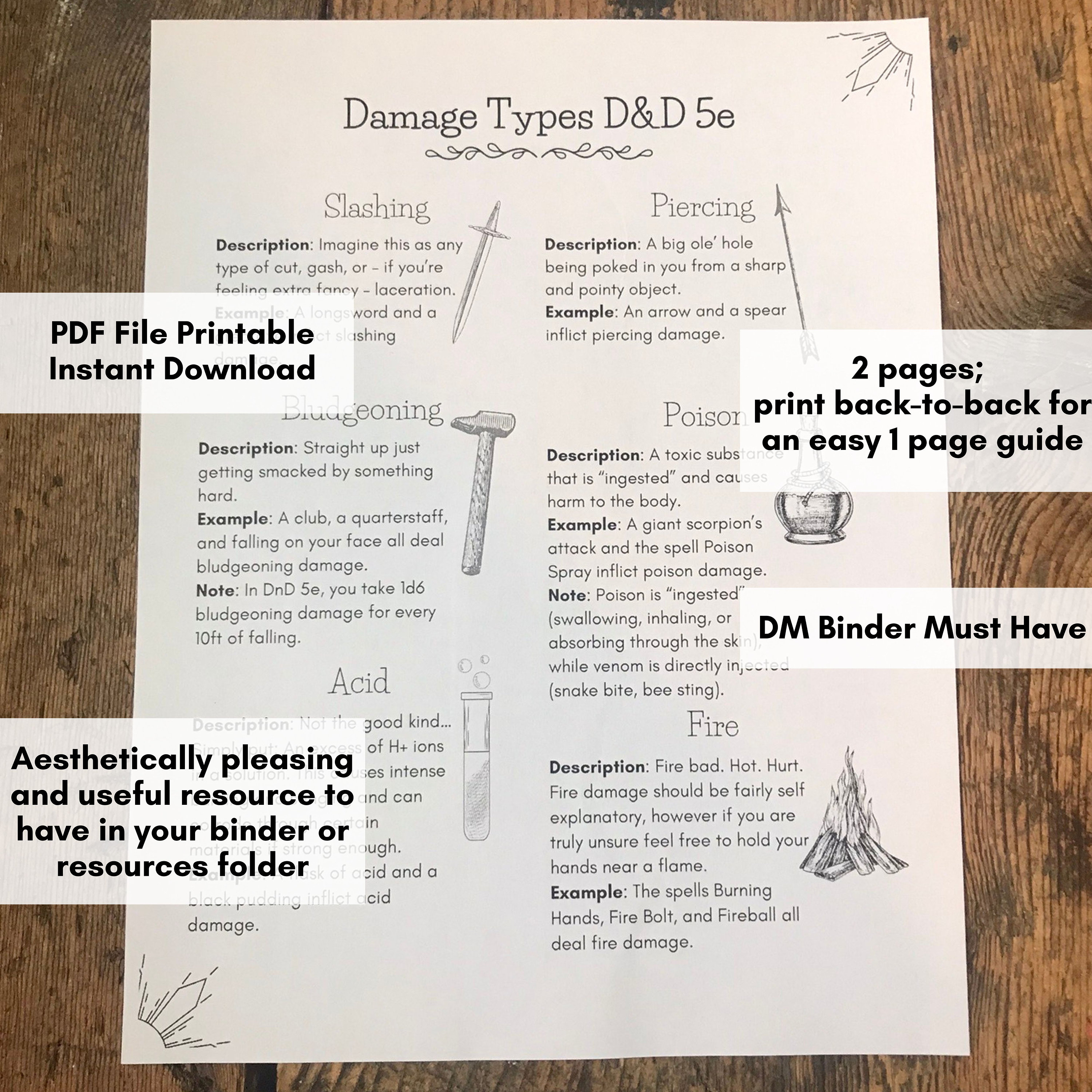
In the current landscape of tabletop gaming in 2026, fire damage remains the most prolific and recognizable elemental damage type in Dungeons & Dragons. Whether you are playing the 2024 revised core rules or a legacy 5e campaign, fire represents the raw, destructive power of combustion. Mechanically, fire damage is one of the thirteen discrete damage types. Unlike physical damage (bludgeoning, piercing, and slashing), fire damage ignores most non-magical armor considerations, instead targeting a creature's innate durability or its ability to dodge out of the way.
The primary delivery mechanism for fire damage is the Saving Throw. While some fire-based attacks, such as a Produce Flame cantrip or a Flame Tongue sword, require an attack roll, the majority of area-of-effect (AoE) fire spells require the target to make a Dexterity saving throw. This represents the target’s attempt to shield themselves or dive for cover as a burst of flame erupts. Success usually results in taking half damage, while failure results in taking the full amount.
Understanding the "why" behind fire damage is essential for both Dungeon Masters (DMs) and players. Fire is designed to be high-impact and visually cinematic. It is the go-to tool for crowd control and clearing "mobs" of low-health enemies, but it comes with a built-in balancing factor: it is one of the most widely resisted damage types in the Monster Manual.
Mechanics of Ignition and Ongoing Damage
One of the most frequent points of confusion in D&D is whether fire damage automatically sets targets on fire. According to the standard rules, fire damage only ignites objects that are not being worn or carried, unless the specific spell or ability text states otherwise. For example, the Fireball spell explicitly notes that it ignites flammable objects in the area that aren't being worn or carried.
However, many "damage over time" effects exist within fire's mechanical niche. Spells like Searing Smite or items like Alchemist's Fire introduce a "burning" state. In these instances, a creature takes a set amount of fire damage at the start or end of each of its turns until it (or an ally) uses an action to douse the flames.
Managing the "On Fire" Status
When a character or creature is ignited, the DM must track the ongoing damage separately from the initial burst. This creates a "clock" on the battlefield, forcing players to make a tactical choice: do they use their precious Action to stop the burning, or do they ignore the damage to keep attacking? In high-stakes encounters, this 1d4 or 1d10 of recurring fire damage can be the difference between maintaining concentration on a vital spell or losing it at a critical moment.
Mitigation: Resistance, Immunity, and Vulnerability
To master fire damage in play, one must understand how different creatures react to heat. The interaction between damage types and creature traits is the primary layer of tactical depth in D&D combat.
- Resistance: A creature with fire resistance takes only half the damage dealt. This is common among Tieflings, Red and Gold Dragons, and most Fiends (Devils and Demons). If a spell deals 20 fire damage, a resistant creature takes only 10.
- Immunity: A creature with fire immunity takes zero damage. This is typical for Fire Elementals, Iron Golems, and ancient Red Dragons. No matter how high you roll on your Meteor Swarm, an immune creature remains unscathed.
- Vulnerability: This is the rarest trait. A creature with vulnerability to fire takes double damage. This is most notably seen in creatures made of wood or ice, such as Treants or certain types of Fungi.
The Elemental Adept Solution
Because fire resistance is so common, many players who specialize in "pyromancy" builds take the Elemental Adept (Fire) feat. This feat allows the player to ignore fire resistance when casting spells, ensuring their damage remains consistent even against formidable foes like Hell Hounds or Fire Giants. It also allows the player to treat any 1 rolled on a fire damage die as a 2, slightly raising the average damage floor.
Iconic Fire Spells and Scaling
Fire damage spans the entire progression of a spellcaster’s career, from the humble Fire Bolt to the world-shaking Meteor Swarm. Each tier of play introduces new ways to manipulate heat.
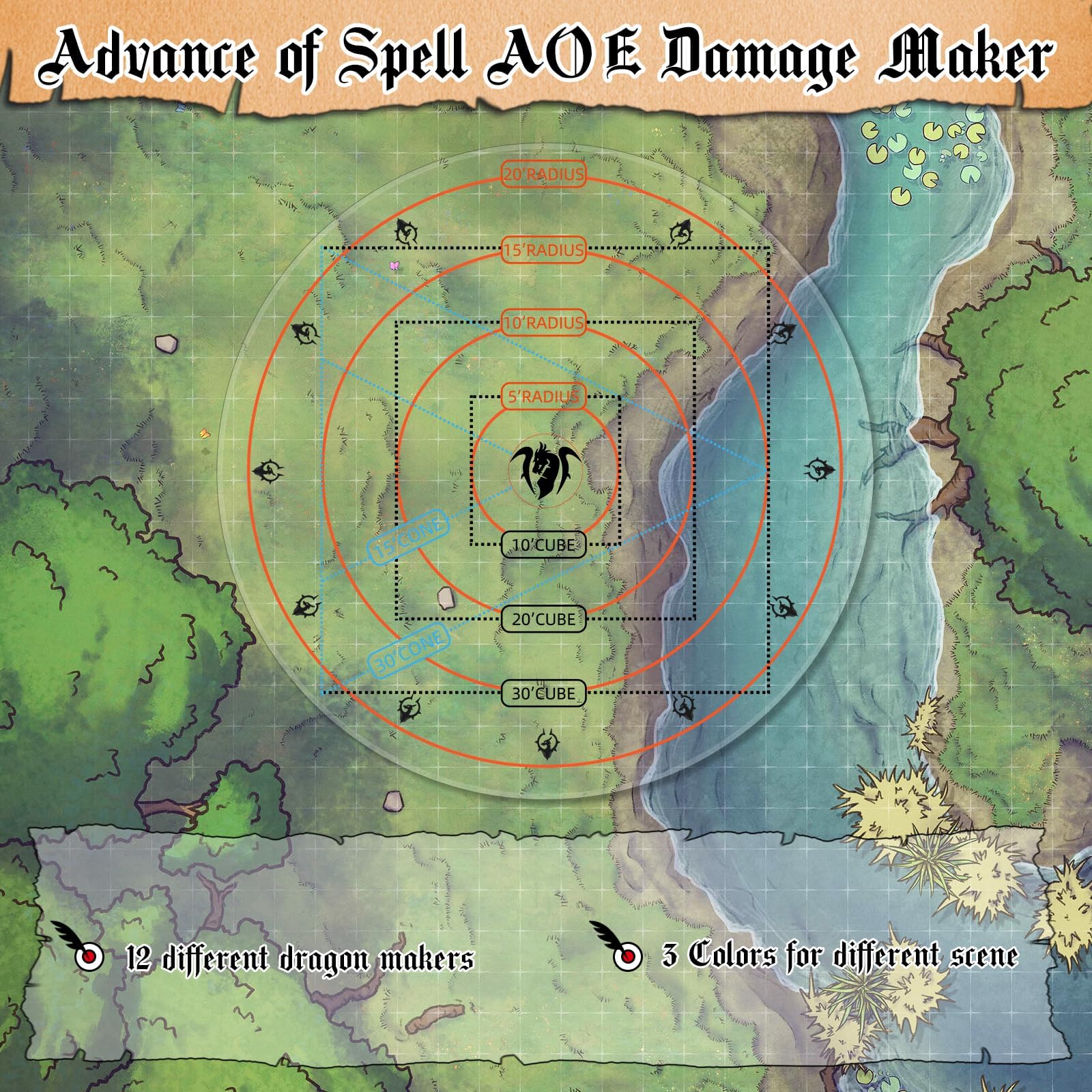
- Cantrips and Level 1: Fire Bolt is the bread-and-butter ranged attack for Wizards and Sorcerers, offering long-range and solid scaling. Burning Hands serves as the first major AoE tool, covering a 15-foot cone.
- Level 3 (The Fireball Tier): Fireball is the most famous spell in the game. It deals 8d6 fire damage in a 20-foot radius. Designers intentionally made Fireball slightly "overpowered" for its level because it is a legacy icon of the D&D experience.
- Mid-Level Utility: Wall of Fire provides battlefield control, creating a literal barrier of heat that punishes enemies for trying to cross specific lines.
- High-Level Destruction: Delayed Blast Fireball and Meteor Swarm represent the pinnacle of fire damage, capable of leveling entire buildings or wiping out armies in a single round.
Environmental Hazards and Mundane Fire
Not all fire damage comes from a spell slot. DMs often use the environment to add tension to an encounter. Understanding the scale of "natural" fire is vital for consistency in 2026 play sessions.
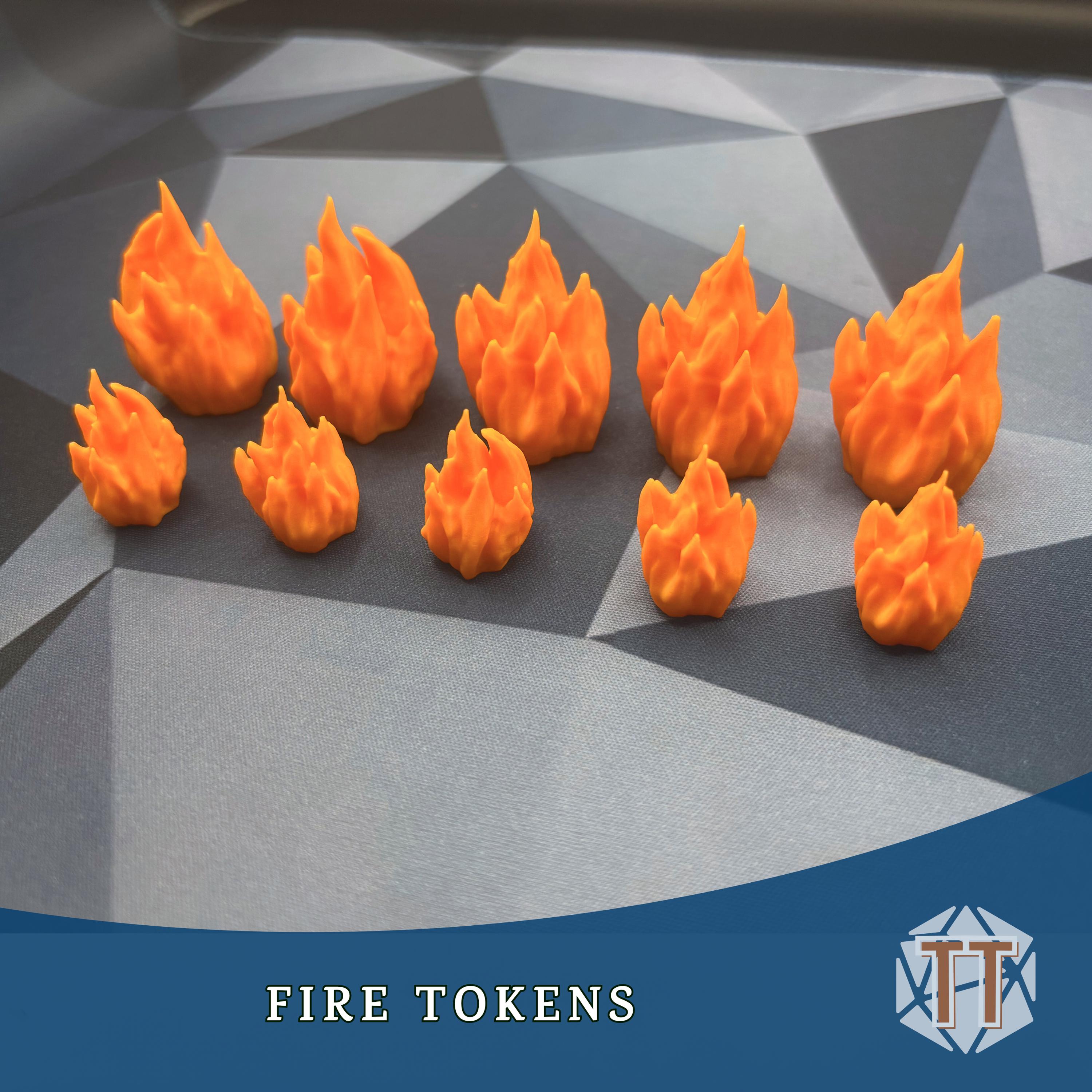
- Torches: A standard torch deals exactly 1 fire damage on a hit. It is more of a utility tool than a weapon, though it can ignite spilled oil.
- Oil Flasks: A favorite of low-level adventurers. Splashing a creature with oil and then hitting them with a fire source adds a flat +5 fire damage to the attack.
- Lava and Magma: These are the most dangerous environmental hazards. Stepping into lava typically deals 10d10 fire damage, while being completely submerged can deal 18d10 or more. This is essentially a death sentence for lower-level characters and a massive resource drain for high-level ones.
| Source Type | Typical Damage | Primary Save/Attack | Common Effect |
|---|---|---|---|
| Torch (Mundane) | 1 Point | Melee Attack | Ignites flammable objects |
| Alchemist's Fire | 1d4 per turn | Ranged Attack | Requires action to extinguish |
| Burning Hands | 3d6 | Dexterity Save | 15-foot cone |
| Fireball | 8d6 | Dexterity Save | 20-foot radius sphere |
| Fire Giant's Greatsword | 6d6 + Str + 2d6 Fire | Melee Attack | High burst physical + fire |
| Lava (Submerged) | 18d10 | None (Automatic) | Instant incineration risk |
Strategic Considerations for Players and DMs
When incorporating fire damage into a session, think about the narrative and tactical consequences. Fire is loud, bright, and messy. Using a Fireball in a dry forest or a library has repercussions that go beyond the initiative tracker.
For Players: Diversify Your Portfolio
Since many enemies are resistant to fire, a caster should never rely only on fire damage. Always keep a "plan B" damage type—such as cold, thunder, or force—to handle creatures like Magmin or Salamanders that thrive in heat. Use fire strategically to control movement; enemies will often avoid a Wall of Fire or a patch of burning oil, allowing you to "herd" them into your fighter’s reach.
For DMs: Use Fire to Set the Scene
Fire damage is an excellent way to put pressure on players without directly attacking their HP. A burning building provides a "round counter"—the players have five rounds to rescue the NPCs before the fire damage collapses the roof. Additionally, remember that fire emits bright light. A fire-based enemy or a blazing campfire can negate the advantage of creatures relying on Invisibility or darkness-based stealth.
Frequently Asked Questions
Does fire damage ignore temporary hit points?
No. Fire damage is subtracted from temporary hit points first, just like any other damage type. Unless a specific ability states that it bypasses "wards" or "shields," fire damage must chew through any temporary HP before it affects a creature's actual health pool.
Can fire damage work underwater?
In D&D 5e and subsequent 2024 updates, creatures and objects that are fully submerged in water have resistance to fire damage. This represents the water absorbing the heat before it can reach the target. While you can still cast a Fireball underwater (the magic creates the heat), the effectiveness is significantly dampened.
What is the difference between fire damage and radiant damage?
While both involve light and energy, they are mechanically distinct. Fire is chemical or elemental heat. Radiant damage is "holy" or "divine" energy, often associated with the sun or the upper planes. Many creatures (like Undead) that are not affected by fire are highly vulnerable to the scorching effect of radiant damage.
Does a "Natural 20" on a fire spell save mean I take no damage?
By standard Rules as Written (RAW), a natural 20 on a saving throw does not have special properties—it is simply the highest possible roll. You still take half damage on a success unless you have a specific class feature like Evasion (common to Monks and Rogues), which reduces half-damage successes to zero damage.
Can fire damage destroy magical items?
Most magical items are remarkably durable. Unless the item's description says otherwise or the fire is of extreme intensity (like the breath of an Ancient Dragon or the fires of Mount Doom), magic items are generally resistant to being destroyed by standard fire spells.
Final Recommendation for Play
To effectively handle fire damage in your games, focus on the interaction between the environment and the dice. Players should prioritize the Elemental Adept feat if they intend to focus on fire, while DMs should ensure that fire remains a "high-risk, high-reward" element by enforcing the rules for igniting the environment. Always keep a reference for resistance and immunity handy, as fire's prevalence means these traits will come into play in nearly every combat encounter involving magical or extra-planar foes.
Image Gallery