Dawn Brancheau Real Footage: Understanding the Facts, Media Misconceptions, and Safety History
Dawn Brancheau was a veteran senior trainer at SeaWorld Orlando who tragically lost her life in an incident involving a captive orca named Tilikum on February 24, 2010. Regarding the public search queries for real footage of this event...
Dawn Brancheau was a veteran senior trainer at SeaWorld Orlando who tragically lost her life in an incident involving a captive orca named Tilikum on February 24, 2010. Regarding the public search queries for real footage of this event, it is vital to note that authentic video recordings of the fatal interaction do not exist in the public domain out of respect for her family, legal restrictions, and strict media distribution policies enforced by SeaWorld and investigative agencies.
Contents
The Historical Context of the 2010 SeaWorld Orlando Incident
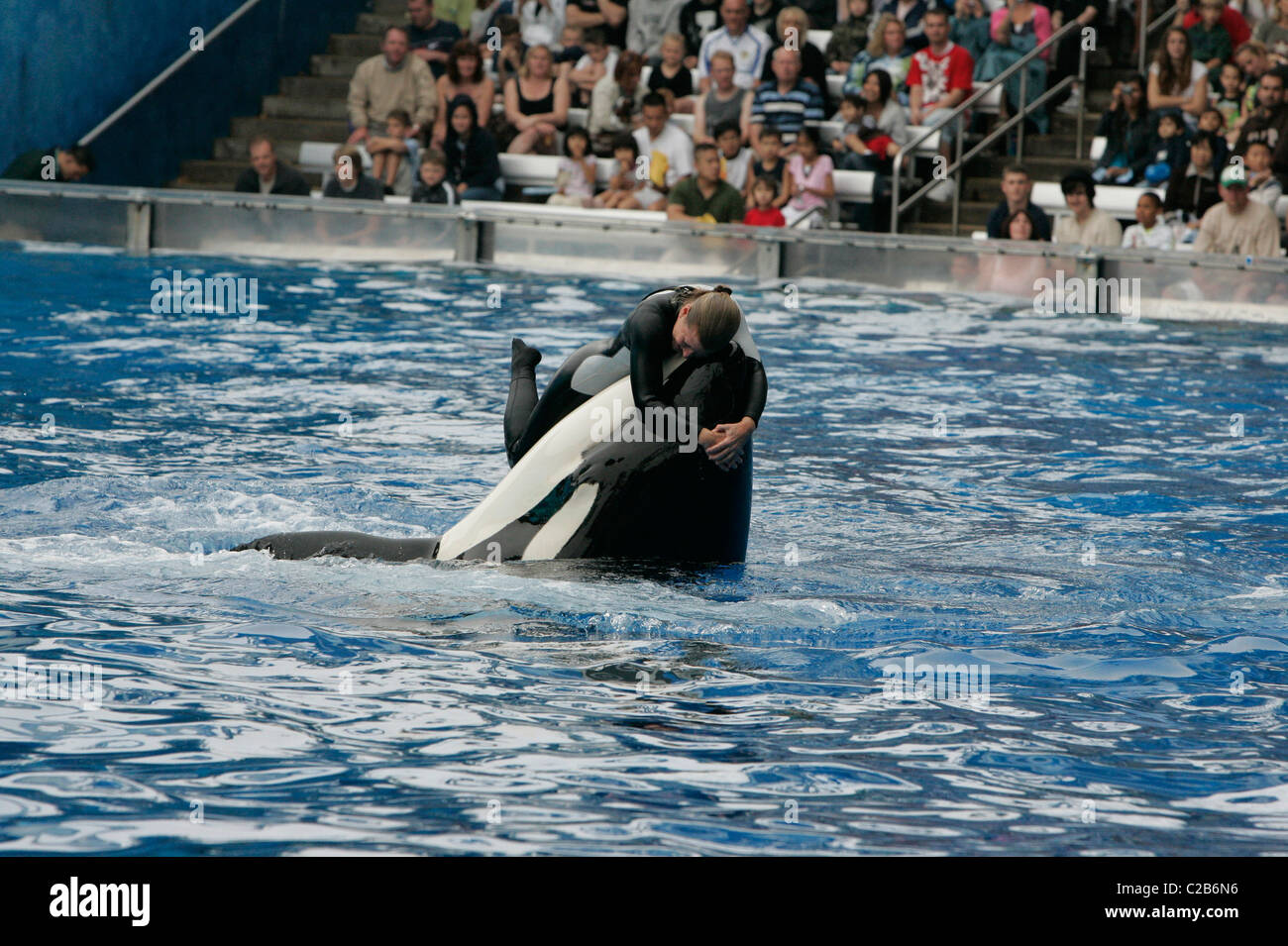
The tragedy involving Dawn Brancheau and Tilikum occurred following a "Dine with Shamu" educational presentation at SeaWorld Orlando. Brancheau, one of the park's most experienced and respected marine mammal trainers, was interacting with Tilikum in the poolside shelf area when the 12,000-pound bull orca pulled her into the water.
Official reports from the Occupational Safety and Health Administration (OSHA) and local law enforcement detailed the mechanics of the incident. Unlike standard public performances, which were heavily documented by tourist video cameras, the specific sequence in the trainer-led interaction area was largely obscured from direct spectator view. The absence of publicly accessible, graphic video footage has continuously driven online searches for unedited recordings, though ethical standards, privacy laws, and corporate policy prevent the release of such material.
- Date of Incident: February 24, 2010
- Location: SeaWorld Orlando, Florida (Shamu Stadium / Dining Area)
- Entities Involved: Dawn Brancheau, Tilikum (captive male orca)
- Primary Regulatory Finding: OSHA citations against SeaWorld for unsafe working conditions involving un-separated contact with killer whales.
Media Integrity and the Proliferation of Clickbait
The digital landscape surrounding high-profile historical tragedies is frequently saturated with misleading content, sensationalized thumbnails, and exploitative search results. When users search for real footage of marine incidents, they often encounter fabricated videos, compilation clips from documentaries, or unrelated whale encounters mislabeled for click-through rate manipulation.
Understanding how media platforms handle sensitive historical tragedies helps researchers and curious viewers navigate online searches safely. Ethical digital journalism and platform safety guidelines strictly prohibit the hosting or promotion of graphic violence or fatal personal injury media.
| Content Type Found Online | Actual Nature of the Material | Safety & Policy Status |
|---|---|---|
| "Unseen Real Footage" Videos | Typically film clips from the documentary Blackfish, news broadcasts, or unrelated marine accidents. | Often flagged or removed for misleading content or copyright infringement. |
| Documentary Excerpts (Blackfish) | Legitimate journalistic and cinematic analysis featuring news reports, interviews, and public training footage. | Fully accessible, monetized, and compliant with educational fair use standards. |
| OSHA Investigation Reports | Official government documentation, expert testimonies, and structural safety findings. | Public record, accessible via federal archives and government websites. |
| Memorial and Tribute Videos | Tributes focusing on Dawn Brancheau's conservation work and career achievements. | Respected community-led content honoring her legacy in marine science. |
OSHA Investigations and Industry-Wide Regulatory Reforms
The death of Dawn Brancheau served as a major turning point for marine zoological facilities worldwide. The subsequent OSHA investigation scrutinized the practice of waterwork—trainers entering the water to swim and perform alongside killer whales. SeaWorld contested OSHA's citations, leading to a high-profile legal battle that ultimately upheld restrictions preventing trainers from entering the water with killer whales without physical barriers or robust distance-protection protocols.
These regulatory changes permanently transformed how marine mammals are handled in professional human care environments. The focus shifted entirely toward protected contact models, where trainers interact with orcas exclusively from dry platforms, underwater viewing areas, or behind reinforced security walls.
Regulatory Impact on Marine Parks Operational Transformation: Following the 2010 findings, traditional in-water shows featuring acrobatic stunts with killer whales were phased out globally. Facilities transitioned toward medical conditioning behaviors, cognitive enrichment research, and educational presentations highlighting natural wild behaviors from a safe distance.
Comparative Analysis: Public Perception Versus Institutional Protocol
Public understanding of cetacean care and trainer safety is often shaped by popular media rather than operational reality. The release of investigative media brought intense scrutiny to the ethics of maintaining cetaceans in captivity, contrasting sharply with the internal safety protocols utilized by marine biologists and animal care professionals.
- Public Narrative: Often focuses on sensationalized media portrayals, emotional reactions to captivity, and the hunt for graphic primary-source footage.
- Zoological Standards: Centers on rigorous behavioral science, positive reinforcement training, veterinary medicine, and strict occupational safety compliance.
- Conservation Focus: Emphasizes public education, marine rescue operations, and scientific research contributing to the preservation of wild populations.
Frequently Asked Questions
Is there any real, unedited video footage of the incident available online?
No public, unedited video footage of the fatal interaction exists. Out of respect for Dawn Brancheau's family, privacy laws, and corporate policies, the primary recordings remain restricted to internal corporate investigations and law enforcement archives.
What caused the 2010 incident with Dawn Brancheau?
Official investigations by OSHA and local authorities concluded that the incident was caused by unpredictable animal behavior stemming from captivity stress, combined with the inherent risks of direct in-water contact with a mature bull orca.
How did SeaWorld change its training policies after 2010?
SeaWorld permanently ended all in-water performances where trainers swam alongside killer whales. All future interactions transitioned to protected contact protocols utilizing physical barriers and distance buffers to ensure human safety.
Where can I find factual information about the incident instead of clickbait?
Reliable information can be found in official OSHA investigative reports, peer-reviewed marine science journals, and reputable journalistic archives documenting the regulatory changes in marine parks.
What was Dawn Brancheau's legacy in marine mammal training?
Dawn Brancheau was widely recognized by her peers as a passionate conservationist and a dedicated senior trainer who heavily championed public education, animal enrichment, and high standards of marine mammal care throughout her career.
Practical Recommendations for Researchers and Viewers
For individuals conducting serious research into marine mammal safety, occupational health regulations, or the history of zoological parks, relying on verified institutional records is essential. Avoid unverified video links, social media clips promising exclusive footage, and sensationalized websites that exploit tragic historical events for traffic. Consult government oversight documents, accredited marine science publications, and official educational resources to maintain an accurate and respectful understanding of these historical events.
Image Gallery