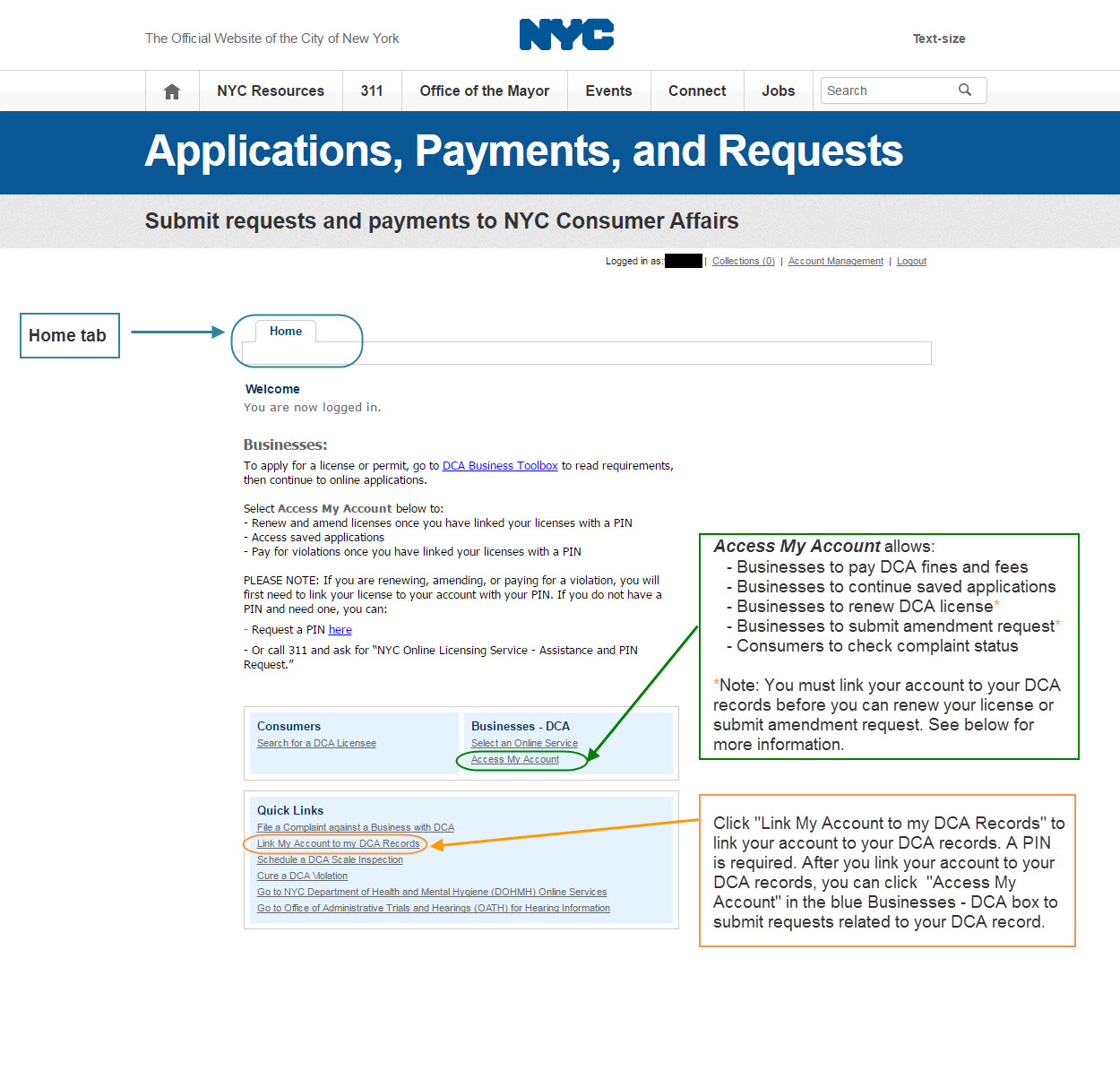
Complete Guide to Performing a DCA License Search in 2026
Performing a DCA license search allows consumers, employers, and business owners to verify the credentials, active status, and disciplinary history of professionals regulated by a Department of Consumer Affairs. Because "DCA" can refer...
Performing a DCA license search allows consumers, employers, and business owners to verify the credentials, active status, and disciplinary history of professionals regulated by a Department of Consumer Affairs. Because "DCA" can refer to various state-level departments of consumer affairs—such as the California Department of Consumer Affairs or the New Jersey Division of Consumer Affairs—verifying credentials requires navigating specific state portals, understanding license types, and interpreting public enforcement records to ensure regulatory compliance and consumer protection.
Contents
Understanding the Role of the Department of Consumer Affairs
The Department of Consumer Affairs operates as a state-level regulatory body tasked with protecting consumers by licensing and regulating millions of professionals across dozens of industries. These agencies establish entry standards, administer licensing examinations, investigate consumer complaints, and take disciplinary action against practitioners who violate state laws or professional codes of conduct.
Regulatory frameworks exist to maintain public safety, financial integrity, and professional competence. When you initiate a license search, you are interacting with a public database designed to maintain transparency.
- Consumer Protection: Ensures that individuals performing specialized services possess the legally mandated training, education, and background checks.
- Public Accountability: Provides a transparent record of any past or pending disciplinary actions, including revocations, suspensions, probations, or public reprovals.
- Business Verification: Allows employers to verify that incoming hires or contracted vendors maintain valid, unencumbered credentials to mitigate legal and financial liability.
Identifying Your Target Jurisdiction and Agency
Before diving into a license search, you must correctly identify the specific state and board governing the professional in question. Departments of Consumer Affairs are generally organized at the state level, and each state operates independently. For instance, the California Department of Consumer Affairs oversees dozens of distinct boards and bureaus—ranging from the Board of Registered Nursing to the Contractors State License Board—each maintaining its own verification portal.
Confusing state agencies or searching a national database for a state-specific license often results in error messages or inaccurate conclusions. Always verify the physical operating location of the professional or business you intend to investigate.
- State-Specific Portals: Most state DCA websites feature a centralized verification landing page or direct links to individual board databases.
- Umbrella Agencies vs. Standalone Boards: Some states house all professions under one massive umbrella department, while others separate medical boards, legal boards, and trade licensing into independent administrative bodies.
- License Prefix Recognition: State databases frequently utilize prefix codes within license numbers (e.g., "RN" for Registered Nurse, "LIC" for contractor) to categorize professions instantly.
Step-by-Step Guide to Conducting a DCA License Search
Executing an effective license search requires a methodical approach to ensure you locate the exact record without matching false positives or missing secondary disciplinary notices. Follow this structured process to complete your verification successfully.
- Gather Preliminary Information: Collect as many details as possible before starting your search, including the exact legal name, business name, license number (if known), city, zip code, and profession or board type.
- Access the Official State DCA Portal: Navigate directly to the official state government website (ending in .gov) for the relevant jurisdiction to avoid third-party lead-generation sites that may display outdated or incomplete data.
- Select the Correct Board or Bureau: Choose the specific professional board from the directory if the system is not universally searchable by name across all departments.
- Enter Search Criteria Strategically: Input the licensee's last name and first name. If the name is common, narrow the results by adding the city or county. Searching by license number yields the most direct and accurate result.
- Review the Detailed License Record: Click on the matching record to view comprehensive details, including issuance date, expiration date, address of record, and secondary authorized locations.
- Examine Public Disciplinary Documents: Look for links to public documents, accusations, citations, or settlement agreements if the record indicates any administrative history.
Key Data Fields Found in a DCA License Record
When you successfully locate a professional profile within a DCA database, the resulting data page provides a standardized set of administrative details. Understanding how to read these data fields ensures you do not misinterpret an active status or overlook critical probationary constraints.
| Data Field | Description | What to Look For |
|---|---|---|
| License Status | Indicates whether the credential is currently valid for practice. | Must read "Current," "Active," or "Clear" for legal operation. Watch for "Delinquent," "Expired," or "Cancelled." |
| Issue & Expiration Dates | The timeline of the credential's legal validity. | Ensure the expiration date has not passed. Renewals occur biennially or annually depending on the profession. |
| Public Disciplinary Actions | History of legal or administrative penalties imposed on the licensee. | Should state "None." If documents are linked, review them for probation terms, restrictions, or license revocation. |
| Address of Record | The official public mailing address registered with the board. | Useful for verifying physical storefronts, contractors' office locations, or medical practices. |
| Associated Entities | Corporations, partnerships, or qualifiers linked to the primary license. | Crucial for checking corporate compliance for contracting companies or multi-provider medical groups. |
Comparing Official DCA Portals vs. Third-Party Directories
Navigating license verification options often exposes users to third-party aggregation websites alongside official government portals. Evaluating the structural differences between these platforms highlights why relying on official state sources is critical for legal and professional accuracy.
- Official State DCA Portals (.gov):
- Pros: Real-time database connection, legally binding verification records, direct access to original disciplinary documents, and zero advertising bias.
- Cons: User interfaces can occasionally be dated or slow during high-traffic periods; requires knowing the correct state jurisdiction.
- Third-Party Aggregators and Review Sites:
- Pros: Broad multi-state search capabilities and aggregated consumer reviews.
- Cons: Data is often delayed or cached, leading to false "expired" or "active" statuses; potential upselling or lead-generation distractions; complete lack of primary source legal documents.
Common Pitfalls and Troubleshooting Failed Searches
Users frequently encounter obstacles when attempting to verify credentials online. Anticipating these roadblocks saves time and prevents inaccurate professional assessments.
- Name Variations and Spelling Errors: Minor discrepancies—such as hyphenated last names, maiden names, or common middle-name inclusions—frequently cause searches to fail. If a direct name search yields no results, search exclusively by license number or use wildcard searches (e.g., entering partial names with asterisks if supported by the portal).
- Jurisdictional Confusion: Attempting to search for a medical doctor on a general consumer affairs trade portal often yields zero results because medical boards are frequently separate from the Department of Consumer Affairs. Always double-check which state agency regulates the specific profession.
- Recently Issued Licenses: Newly approved licenses may experience a brief administrative delay before updating in the public-facing online database. If a professional insists they are licensed but the portal shows nothing, contact the specific licensing board directly via phone or email for manual verification.
Frequently Asked Questions About DCA License Searches
How do I perform a DCA license search?
To perform a DCA license search, visit the official government website of the state's Department of Consumer Affairs, navigate to their verification or license lookup portal, select the specific professional board, and enter the practitioner's name or license number. Official state portals provide real-time status updates and direct access to public disciplinary records.
What should I do if a license status shows as delinquent or expired?
If a license status is delinquent or expired, the individual or business is legally prohibited from practicing or offering services in that regulated field. You should immediately halt business dealings with them and report unauthorized practice to the relevant state board or consumer affairs division.
Are DCA license search records legally binding?
Yes, online verification records provided directly by state Department of Consumer Affairs portals serve as official public records of a professional's licensing status and disciplinary history. Employers and regulatory bodies routinely rely on these portals for primary-source verification and credentialing compliance.
Can I check for past disciplinary actions through a DCA lookup?
Most official DCA search portals display public disciplinary history, including citations, fines, suspensions, probations, and license revocations. If disciplinary action has occurred, the portal typically provides downloadable PDF links to the official legal accusations and settlement orders issued by the board.
What information is required to find a license if I do not have the license number?
If you do not know the license number, you can search using the individual's full legal name or business name, combined with supplementary criteria such as the city, zip code, or specific profession category to narrow down common names.
Image Gallery