How to Find My Old Mugshot: Complete 2026 Guide to Locating and Removing Booking Photos
Finding an old mugshot involves identifying which law enforcement agency, county jail, or booking facility captured the image, and then searching their public records or utilizing commercial third-party record scrapers that republish p...
Finding an old mugshot involves identifying which law enforcement agency, county jail, or booking facility captured the image, and then searching their public records or utilizing commercial third-party record scrapers that republish public arrest data. Because arrest records and booking photographs are classified as public records under laws like the Freedom of Information Act (FOIA) and state-level open records statutes, these images are frequently scraped, indexed by search engines, and displayed on commercial aggregator sites.
Contents
Understanding the Public Records Ecosystem Behind Booking Photos
To successfully locate an old mugshot, you must first understand how arrest records transition from local police databases into the public domain. When an individual is booked into a county jail or municipal holding facility, standard processing includes capturing fingerprints and taking a booking photograph.
Jurisdictional rules dictate how long these records remain accessible through official channels. While federal agencies and large municipal police departments maintain strict internal protocols, local county sheriff offices often publish daily booking logs directly to their official websites. Over time, independent data aggregators and mugshot publication websites scrape these official logs. These commercial entities intentionally index booking photos to rank high in search engine results for personal names, creating a persistent digital footprint long after cases are dismissed, charges are dropped, or records are expunged.
Public Record Status vs. Privacy Rights Official government databases operate under transparency laws designed to ensure public accountability. However, commercial third-party websites operate purely for profit, often demanding exorbitant removal fees to take down images that official agencies have long since archived or sealed.
Step-by-Step Process to Locate Your Old Mugshot
Locating your booking photograph requires a methodical, step-by-step approach starting from official government databases and moving outward to commercial aggregators.
Step 1: Identify the Exact Jurisdiction
Pinpoint the city, county, and state where the arrest occurred. Mugshots are rarely stored in a centralized national database accessible to the general public; they are housed at the local law enforcement level.
Step 2: Search Official County Sheriff and Police Department Databases
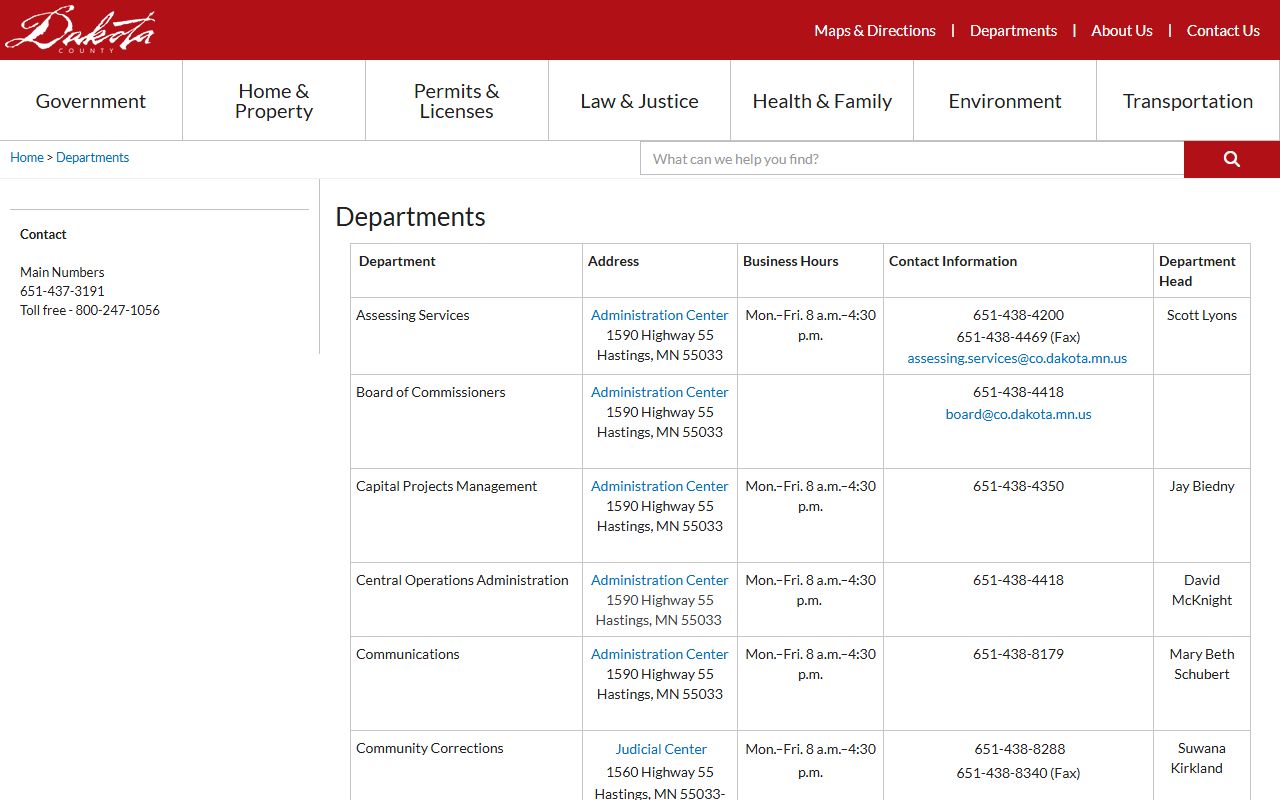
Navigate directly to the official website of the county sheriff's office or police department that executed the arrest. Most modern law enforcement agencies feature an inmate search tool, active booking log, or public records request portal. Review these databases using your full legal name, alias, and the approximate date of the arrest.
Step 3: Conduct Targeted Web Searches for Commercial Aggregators
If official databases no longer display the record or if you need to identify which commercial sites have scraped the image, perform precise web searches. Use quotation marks around your full name combined with terms like arrest, booking, or jail record to isolate third-party publication sites.
Step 4: Check Court Records and Case Portals
Access the county or municipal court clerk website where the legal case was processed. Case management portals often link docket numbers, charges, and associated media directly to the court file, helping verify the authenticity and current status of the legal matter.
Official Government Channels vs. Commercial Mugshot Websites
Navigating the landscape of arrest data requires distinguishing between official government repositories and predatory third-party scrapers. The table below outlines the primary operational differences between these entities.
| Feature / Metric | Official Government Agencies (Sheriff/Police/Courts) | Commercial Mugshot Aggregators |
|---|---|---|
| Legal Mandate | Bound by FOIA and state open records laws. | Protected under Section 230 of the Communications Decency Act as content publishers. |
| Cost to Access | Generally free or nominal fee for certified copy requests. | Free to view, but charges high extortion-style fees for removal. |
| Record Updates | Updated regularly; often removes or suppresses expunged records. | Often fails to update or sync with court dismissals and expungements. |
| Search Engine Indexing | Moderately indexed; prioritized for direct informational searches. | Highly optimized for personal name searches to drive advertising traffic. |
| Primary Purpose | Public safety, administrative tracking, and transparency. | Monetization through pay-to-remove services and programmatic ad revenue. |
Methods for Removing and Suppressing Old Mugshots
Once you have located your old mugshot, your primary objective is typically removal or suppression. Several distinct legal and technical mechanisms exist to achieve this, depending on the status of your legal case.
Expungement and Record Sealing
If your case resulted in a dismissal, acquittal, or completion of a diversion program, consult with a criminal defense attorney regarding expungement or record sealing. Once a judge grants an order of expungement, official law enforcement agencies and courts must seal or destroy the records.
Leveraging State Anti-Mugshot Legislation
A growing number of states have enacted specific legislation prohibiting commercial websites from charging fees to remove booking photographs. Furthermore, many states require publishers to remove booking photos immediately upon presentation of proof that the underlying charges were dropped or expunged. Violating these statutes can expose commercial operators to significant civil penalties and statutory damages.
Direct Removal Requests and Compliance
Most commercial mugshot directories maintain a removal policy page. If you possess official documentation proving an expungement, dismissal, or acquittal, submit a formal takedown request via their designated submission portal. While some sites comply voluntarily, others ignore requests, necessitating aggressive SEO suppression tactics or legal intervention.
Search Engine Demotion and Suppression
When direct removal fails, professional reputation management techniques can suppress negative search results. By generating high-authority positive content—such as professional profiles, personal websites, verified social media channels, and published articles—you can push unfavorable mugshot links down to page two or lower, where users rarely search.
Common Mistakes to Avoid When Searching for and Managing Mugshots
Navigating public records and third-party data aggregators can be stressful, leading to costly errors that compound privacy issues. Avoid these frequent pitfalls:
- Paying Extortion Fees Without Verification: Never pay commercial mugshot sites to remove an image without confirming their legitimacy. Many sites take the payment and either republish the image under a different URL or fail to remove it entirely.
- Ignoring State Legal Protections: Failing to check your specific state's laws regarding commercial mugshot extortion can cause you to miss free legal avenues for forced removal.
- Neglecting Court Dispositions: Attempting to clean up your digital footprint without first securing formal dismissal or expungement documents leaves you without the necessary legal leverage for takedown requests.
- Overlooking Social Media Footprints: Forgetting to audit active social media platforms can allow old public tags or shared news articles to keep the booking photo visible in image search results.
Frequently Asked Questions About Finding and Removing Old Mugshots
How can I find an old mugshot if the local sheriff's office has archived the record?
If a local sheriff's office has archived an old record, you may need to submit a formal Freedom of Information Act (FOIA) or state open records request directly to the agency's records division. Keep in mind that older records predating digital databases may require manual retrieval by agency staff.
Do all states allow commercial websites to publish booking photos?
No, state laws vary significantly. Several states have passed laws making it illegal for websites to charge a fee for removing mugshots, while others require automatic removal if the subject is not convicted.
Will an expungement automatically remove my mugshot from Google?
An expungement legally requires government agencies and courts to seal your records, but it does not automatically force private third-party websites to scrub their indexed copies. You must actively send the expungement order to those websites and submit removal requests to search engines like Google.
Can I file a copyright claim to take down my mugshot?
While some individuals attempt to claim copyright over their booking photo to force a takedown, this strategy generally fails. Government-produced booking photographs typically fall into the public domain and are not protected by individual copyright claims.
What should I do if a mugshot website ignores my removal request?
If a commercial website refuses to comply with valid removal requests or state anti-extortion laws, consult an attorney specializing in internet defamation and digital privacy. Legal counsel can issue formal cease-and-desist letters or file civil litigation against non-compliant operators.
Practical Next Steps for Securing Your Digital Privacy
Begin your search by systematically checking local county jail rosters and court portals where past incidents occurred. If your search reveals unauthorized publication on commercial aggregators, compile your court disposition documents, verify your state's specific privacy protections, and execute formal removal requests or hire a reputable digital privacy firm to manage the suppression process effectively.
Image Gallery