Tractor Supply Rentals Guide: Equipment, Pricing, and Availability for 2026
Tractor Supply rentals typically refer to equipment rental partnerships, such as the company's collaboration with Sunbelt Rentals, offering consumers and contractors access to heavy machinery, trailers, and outdoor power tools directly...
Tractor Supply rentals typically refer to equipment rental partnerships, such as the company's collaboration with Sunbelt Rentals, offering consumers and contractors access to heavy machinery, trailers, and outdoor power tools directly at select store locations. This service allows users to rent high-grade commercial equipment without the long-term maintenance and storage costs associated with ownership.
Contents
Navigating the logistics of equipment acquisition for landscaping, agricultural maintenance, or home construction projects requires a clear understanding of availability, operational requirements, and associated costs. Tractor Supply Company has strategically partnered with major equipment providers to establish rental hubs at select retail stores. This integration bridges the gap between massive industrial rental yards and local neighborhood hardware retail, streamlining how operators secure short-term machinery.
Understanding the Tractor Supply Rental Model and Partner Network
The operational framework of Tractor Supply rentals relies on strategic alignment with industry-leading equipment suppliers, most notably Sunbelt Rentals. Rather than managing localized fleets independently from every retail counter, Tractor Supply provides designated spaces on select store properties where customers can pick up and drop off machinery.
This symbiotic relationship benefits property owners, contractors, and DIYers by combining the widespread rural and suburban footprint of Tractor Supply with the deep inventory reserves of a dedicated equipment giant. When utilizing these services, renters interact with an integrated reservation system that manages fleet allocation, maintenance checks, and logistical transfers.
Understanding how this network operates prevents wasted trips and ensures access to the precise class of machinery required for a job. Equipment ranges from compact utility tractors to heavy excavators, trenchers, and concrete management tools. Each category carries specific operator requirements, safety protocols, and transit considerations that must be evaluated before signing a rental agreement.
Available Equipment Categories and Technical Specifications
The inventory accessible through Tractor Supply rental locations spans multiple operational sectors. Choosing the correct equipment class depends on project scale, soil conditions, lifting capacity, and site access limitations.
Earthmoving and Excavation Machinery
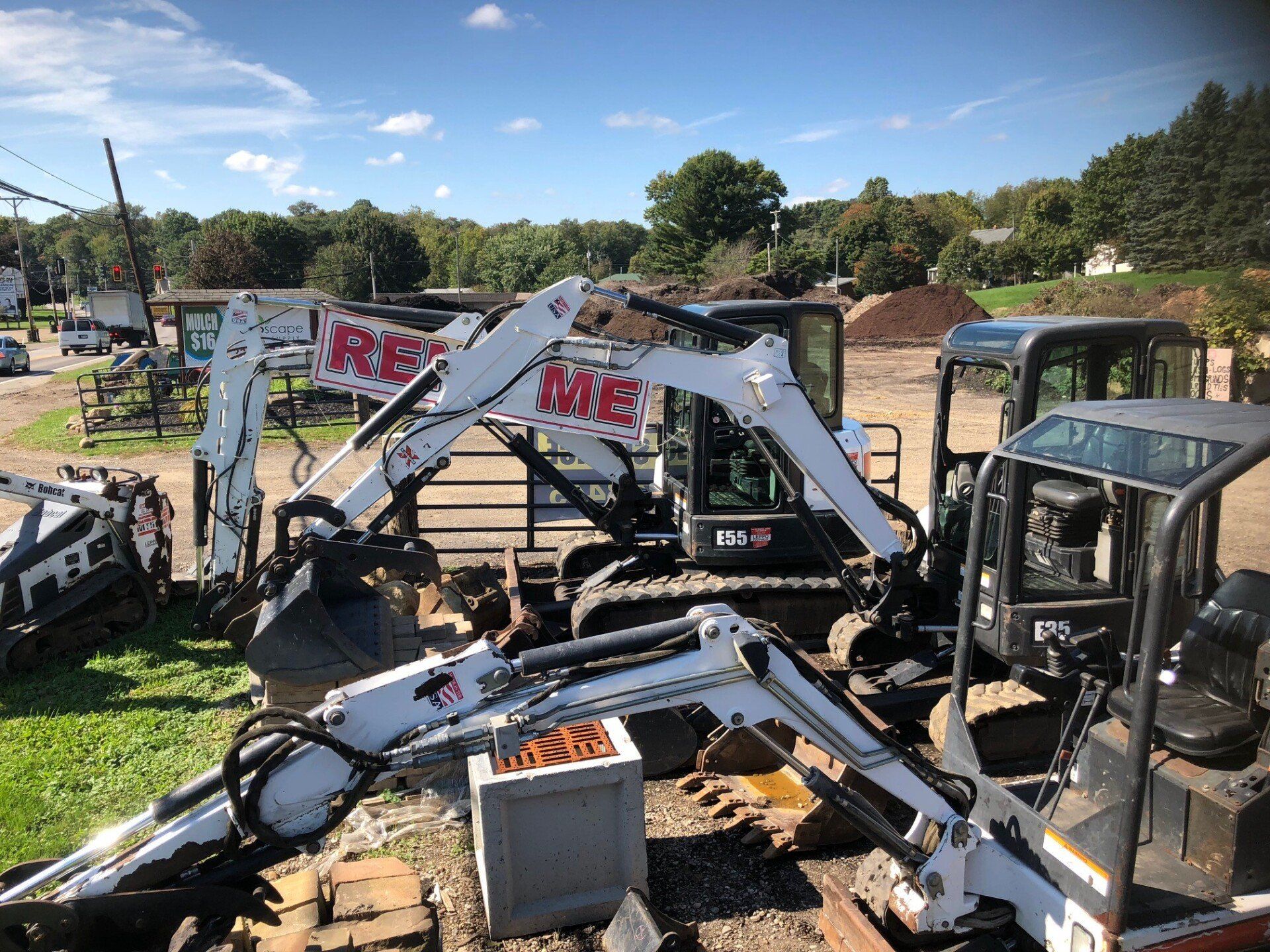
Compact track loaders, mini excavators, and wheeled skid steers form the backbone of the heavy equipment lineup. These machines handle grading, trenching, digging, and material loading.
- Mini Excavators: Ranging from 1 to 6 tons, these units feature zero-tail-swing capabilities for tight residential spaces, rubber tracks to minimize turf damage, and auxiliary hydraulics for hammer or auger attachments.
- Skid Steers and Track Loaders: Selected based on ground conditions. Wheeled loaders excel on hard-packed gravel and asphalt, while track loaders provide superior flotation and traction in muddy or loose soil conditions.
Hauling and Transport Solutions
Utility trailers, dump trailers, and enclosed cargo trailers are among the most frequently requested items.
- Dump Trailers: Typically equipped with hydraulic lift cylinders, dual axles, and high payload capacities (ranging from 7,000 to 14,000 gross vehicle weight rating [GVWR]), designed for hauling aggregate, brush, and construction debris.
- Utility Trailers: Open-deck configurations featuring ramp gates, tie-down anchors, and single or tandem axle builds suitable for transporting zero-turn mowers, ATVs, or building materials.
Landscaping and Grounds Maintenance Equipment
Property management requires specialized tools that are often cost-prohibitive to purchase outright for seasonal tasks.
- Trenchers: Walk-behind and ride-on trenchers capable of cutting utility lines, irrigation paths, and drainage channels up to 48 inches deep.
- Sod Cutters and Aerators: Heavy-duty walk-behind units designed to strip lawns or relieve soil compaction efficiently across large acreage.
Comparison of Rental Options: Tractor Supply Hubs vs. Traditional Rental Yards
Evaluating where to source machinery involves analyzing logistical convenience, pricing structures, equipment age, and inventory depth. The following table contrasts the Tractor Supply rental model with traditional commercial equipment yards.
| Feature / Metric | Tractor Supply Rental Hubs | Traditional Equipment Rental Yards |
|---|---|---|
| Geographic Footprint | Primarily suburban and rural retail locations | Industrial parks and urban commercial districts |
| Inventory Depth | Curated selection of high-demand residential and light commercial tools | Massive, deep inventory including specialized industrial machinery |
| Pickup and Drop-off | Integrated with retail store hours; streamlined local access | Dedicated rental counters, often with specialized commercial loading bays |
| Delivery Services | Available through partner network, dependent on local hub capacity | Standardized job-site delivery and pickup logistics fleet |
| Target Audience | DIYers, small contractors, property owners, landscapers | General contractors, industrial builders, municipal crews |
| On-Site Support | Retail staff assist with paperwork; technical support routed via partner | Dedicated mechanics and equipment specialists on-site |
Step-by-Step Guide to Reserving and Picking Up Equipment
Securing equipment through the Tractor Supply rental network requires a structured approach to ensure availability, proper vehicle towing compatibility, and compliance with security deposits.
- Verify Local Store Participation: Not every Tractor Supply retail location hosts an active equipment rental hub. Visit the official rental portal online to input your ZIP code and confirm which nearby stores maintain physical inventory or partner drop-off points.
- Select Equipment and Rental Duration: Choose the required tool and define the rental period. Options typically include 4-hour, daily, weekend, weekly, and monthly rates. Factor in potential project delays due to weather.
- Review Towing and Transport Prerequisites: If hauling a trailer, skid steer, or mini excavator yourself, verify that your tow vehicle possesses the appropriate towing capacity, hitch class, receiver size, and working 7-way or 4-way electrical trailer hookups.
- Complete Reservation and Identity Verification: Provide a valid government-issued photo ID, a major credit card matching the renter's name for security deposits, and proof of automobile liability insurance if towing machinery on public roadways.
- Inspect Equipment Upon Pickup: Conduct a thorough walk-around inspection with the yard attendant. Note any pre-existing scratches, dents, hydraulic leaks, or track wear on the checkout sheet before signing.
- Return Protocol: Clean excess mud, debris, or concrete off the machinery prior to return. Ensure fuel tanks are refilled to the agreed-upon level to avoid auxiliary refueling surcharges.
Financial Considerations, Deposit Structures, and Insurance Policies
Renting heavy equipment involves financial commitments beyond the base hourly or daily rate. Understanding these cost components prevents unexpected charges on your billing statement.
Security Deposits and Authorization Holds Rental providers place a temporary authorization hold on the renter's credit card at the time of pickup. This hold covers potential late returns, excessive cleaning requirements, unreturned fuel, or minor cosmetic damage. Funds are released back to the cardholder after the equipment passes check-in inspection.
- Damage Waivers: Most rental agreements offer an optional physical damage waiver for a small daily percentage fee. This waiver limits the renter's financial liability in the event of accidental machine damage during normal operation, though gross negligence or theft is typically excluded.
- Fuel Surcharges: Equipment dispatched with full fuel tanks must be returned full. Returning a machine with a depleted tank incurs premium per-gallon refueling fees charged by the rental provider.
- Late Return Penalties: Failing to return machinery by the agreed-upon timestamp results in hourly or daily overage charges automatically billed to the card on file.
Troubleshooting Common Rental Challenges and Operational Safety
Operating heavy machinery requires strict adherence to safety protocols and a basic understanding of troubleshooting common field issues.
- Hydraulic Pressure Lock: If auxiliary attachments on a skid steer or excavator fail to engage, ensure the machine is completely shut down and pressure is relieved in the auxiliary lines before attempting to reconnect hydraulic quick-disconnect couplers.
- Track Derailment Prevention: When operating track loaders or mini excavators on steep side-slopes or rocky terrain, avoid sharp pivot turns that can roll tracks off their guide rollers. Keep track tension properly adjusted according to manufacturer specifications.
- Trailer Sway Management: If a towed equipment trailer begins to sway at highway speeds, do not slam on the vehicle brakes. Instead, gently apply the manual trailer brake controller or accelerate slightly to straighten the trailer alignment, then safely pull over to redistribute cargo weight forward toward the tongue.
Frequently Asked Questions
Can I rent a heavy excavator directly inside any Tractor Supply store?
No, equipment rentals are restricted to select Tractor Supply locations that feature dedicated partnership hubs with inventory on-site. Renters should check online availability via the rental portal before visiting a physical store.
What documents do I need to bring to pick up my rental?
You must bring a valid driver's license, a major credit card in your name for the security deposit, and proof of insurance or vehicle registration if you are towing a trailer or machinery away yourself.
Does Tractor Supply deliver heavy rental equipment to my job site?
Delivery options vary by location and partner capabilities, though many hubs offer paid job-site delivery and pickup services for larger machinery like skid steers and trenchers.
What happens if the rented equipment breaks down during my project?
Contact the designated partner support line immediately. Do not attempt major mechanical repairs yourself, as service technicians will be dispatched to repair or swap out the malfunctioning unit.
Are fuel costs included in the standard rental rate?
No, fuel is not included. Equipment is provided with a full tank of fuel and must be refilled prior to return to avoid additional refueling service charges.
Image Gallery