Why Linda Porter Still Resonates: The Enduring Legacy of Hollywood’s Favorite Late Bloomer
Linda Porter resonates today because she embodied the "Second Act" success story, proving that artistic impact isn't reserved for the young. Her masterful deadpan delivery in Superstore and her surreal presence in Twin Peaks transforme...
Linda Porter resonates today because she embodied the "Second Act" success story, proving that artistic impact isn't reserved for the young. Her masterful deadpan delivery in Superstore and her surreal presence in Twin Peaks transformed minor character roles into cultural touchstones that continue to attract new fans through global streaming platforms.
Contents
The Architect of the Late-Career Pivot
In an industry often obsessed with youth and "overnight" success stories of twenty-somethings, Linda Porter stood as a defiant and charming counter-narrative. Porter did not begin her professional screen acting career until she was in her mid-50s, a time when many actors are considering retirement or struggling to find diverse roles. Her first credited roles appeared in the late 1980s, but it was the work she produced in her 70s and 80s that cemented her place in the cultural zeitgeist.
This late start is a primary reason she still resonates in 2026. For audiences navigating a modern workforce where career changes are frequent and "aging out" is a genuine fear, Porter serves as a lighthouse. She represents the late bloomer—an individual who finds their true calling and achieves peak visibility in the final chapters of their life. Her resonance is rooted in the hope that talent is not a perishable good and that the most recognizable work of one’s life might still be ahead.
Myrtle Vane and the Subversion of the Elderly Trope
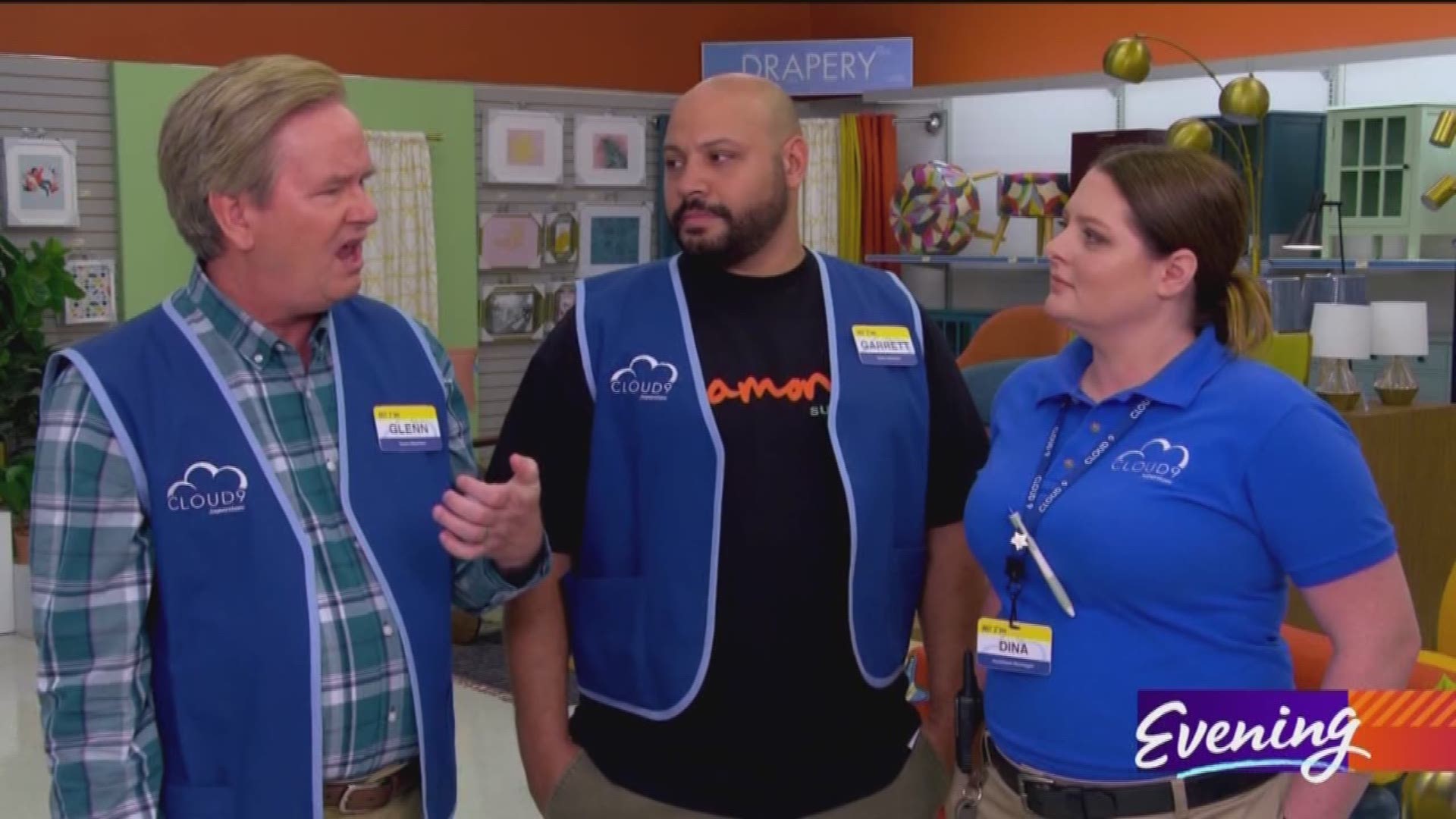
While Porter appeared in dozens of films and television shows, her portrayal of Myrtle Vane on the NBC sitcom Superstore (2015–2021) remains her most significant contribution to popular culture. Myrtle was not the typical "sweet grandmother" archetype often found in broadcast comedies. Instead, she was a complex, often confusing, and deeply funny character who became the heart of the fictional Cloud 9 store.
Myrtle resonated because she was used as a vehicle for sharp social commentary. As a long-term employee who had survived decades of corporate restructuring, she represented the precarious position of elderly workers in the retail sector. The show didn’t shy away from the harsh realities of her situation—such as her being fired by corporate for "low productivity" only to be rehired later as a ghost-like figure of the store’s history.
Porter’s performance was defined by deadpan delivery, a technical acting style where a performer delivers absurd or comedic lines with a completely neutral, serious expression. This contrast between her fragile, diminutive physical appearance and her often bizarre or slightly "off" dialogue created a unique comedic friction. Even in 2026, as Superstore remains a top-tier "comfort show" on streaming services, Myrtle’s character is frequently cited by viewers as the most authentic and consistently hilarious element of the ensemble.
The Lynchian Influence: Beyond the Sitcom
To understand why Porter’s resonance extends into the world of prestige drama and cult cinema, one must look at her collaboration with director David Lynch. In Twin Peaks: The Return (2017), Porter played the "Lady Slot-Addict" (officially credited as Jackpot Lady). Her character, a desperate woman in a casino who experiences a life-changing streak of luck thanks to the protagonist, became an instant icon of the series.
Her repetitive, high-pitched exclamation of "Helloooo-oooo-oooo!" as she hit jackpot after jackpot became a viral sensation. This role demonstrated her versatility; she could pivot from the grounded corporate satire of Superstore to the surrealist, haunting world of Lynchian horror-drama.
Porter possessed a specific quality often sought by directors of "weird" fiction: a singular presence. She didn't look like a Hollywood actor; she looked like someone you might see at a bus stop or a corner store, which made her participation in surrealist sequences even more jarring and effective. This duality—being both an "everywoman" and a "cult icon"—ensures her name stays relevant in discussions about high-art television.
The Economics and Art of the Character Actor
Linda Porter was the quintessential character actor. Unlike "stars" who often play versions of themselves or are cast for their leading-man or leading-lady looks, character actors are the backbone of the industry, hired to bring specific traits, eccentricities, or "lived-in" realism to a production.
The resonance of Linda Porter is also a tribute to this specific craft. In an era of CGI and AI-generated extras, the value of a distinct, irreplaceable human face like Porter’s has only increased. Her career illustrates several key aspects of why character actors are essential:
- Scene-Stealing Efficiency: Porter often had limited screen time but maximized every second. In films like Dude, Where’s My Car? or The House, she could establish a character's entire history with a single look.
- Narrative Texture: She provided a sense of history to the worlds she inhabited. Whether she was playing a patient, a neighbor, or a retail clerk, her presence suggested a world that existed outside the main plot.
- Reliability: For casting directors, Porter was a "safe bet" who could handle the technical rigors of a fast-paced television set while providing a consistent comedic or dramatic tone.
| Role/Project | Character Name | Why it Resonates | Key Technical Trait |
|---|---|---|---|
| Superstore | Myrtle Vane | Satire of corporate life and retail aging. | Deadpan Comedic Timing |
| Twin Peaks: The Return | Jackpot Lady | Represents hope and surrealism in a dark world. | Repetitive Vocal Performance |
| Dude, Where's My Car? | Mrs. Crabbleman | Quintessential "grumpy neighbor" trope subversion. | Physical Comedy |
| Gilmore Girls | Fran Weston | Personifies small-town history and quirkiness. | Sweet/Obsessive Duality |
| American Horror Story | Mary Hill | Showcases her range in the horror genre. | Atmosphere Building |
The Legacy of the "Invisible" Legend
When Linda Porter passed away in September 2019, the outpouring of grief from the Superstore cast and the wider industry was significant. However, her resonance has actually grown in the years following her death. This is partly due to the Streaming Long-Tail Effect. Because her work is preserved in high-quality, bingeable formats, younger generations are discovering her for the first time.
In 2026, we see her influence in how casting directors look for "the next Linda Porter"—meaning an actor who brings authentic aging and idiosyncratic humor to a role rather than a polished, "Hollywoodized" version of an elderly person. She paved the way for more nuanced portrayals of seniors in media, moving away from the "helpless" or "confused" stereotypes and toward characters with agency, wit, and a bit of mystery.
Furthermore, the "Myrtle" storylines in Superstore—specifically the episodes dealing with her firing and the subsequent unionization efforts by her coworkers—have become foundational texts for viewers interested in labor rights and workplace dynamics. Porter didn't just play a character; she became a symbol for the "essential worker" who is often undervalued by the systems they serve.
Frequently Asked Questions
What was Linda Porter’s most famous role?
Her most famous role was Myrtle Vane on the sitcom Superstore. She appeared in 35 episodes between 2015 and 2019. The character became so beloved that the show dedicated a special tribute episode to her after her passing, titled "Myrtle," which explored the character's legacy within the store.
How did Linda Porter get her start in acting?
Porter began her career later in life, making her debut in the late 1980s. She worked steadily in commercials and small guest spots on shows like Murphy Brown and Mad About You before landing more recurring roles in the 2000s and 2010s. Her career is often cited as an inspiration for those looking to change careers later in life.
What happened to Myrtle on Superstore after Linda Porter died?
Following Linda Porter’s death in 2019, the writers of Superstore chose to have her character, Myrtle, pass away as well. The show handled this with a mix of humor and heart, depicting the characters dealing with Myrtle’s sparse but strange "estate" and her complicated history at the store.
Was Linda Porter in Twin Peaks?
Yes, she appeared in the 2017 revival Twin Peaks: The Return directed by David Lynch. She played the "Jackpot Lady" in the casino scenes, a role that became a cult favorite among the series' fanbase for its surreal and repetitive nature.
Why is she considered a "character actor"?
A character actor specializes in playing distinct, often eccentric or unusual people, rather than leading roles. Linda Porter was a master of this, using her unique voice, small stature, and expressive face to create memorable "types" that felt like real, albeit quirky, individuals.
Guidance for Viewers Discovering Her Work
If you are just discovering Linda Porter in 2026, the best way to appreciate her range is to watch her work chronologically in reverse. Start with Superstore to see her mastery of modern ensemble comedy. Pay close attention to her timing; she often waits a beat longer than expected to deliver a line, which is why the humor lands so effectively.
Next, seek out her role in Twin Peaks: The Return (specifically Part 3) to see how she functions in a non-comedic, avant-garde setting. Finally, look for her guest appearances in early 2000s classics like Gilmore Girls. By observing her across these different genres, you can see how she maintained a consistent "self" while adapting to the unique demands of each director. Her career serves as a reminder that in the world of storytelling, there is no such thing as a "small" role—only actors who haven't yet found the right way to make them big.
Image Gallery