Yeezus First Week Sales: A Quiet Milestone in Kanye West’s Commercial Legacy
In its debut week, Kanye West’s sixth studio album, Yeezus, sold 327,000 copies in the United States, securing the number one spot on the Billboard 200. While this figure represented a 34% decline from his previous solo effort, it rema...
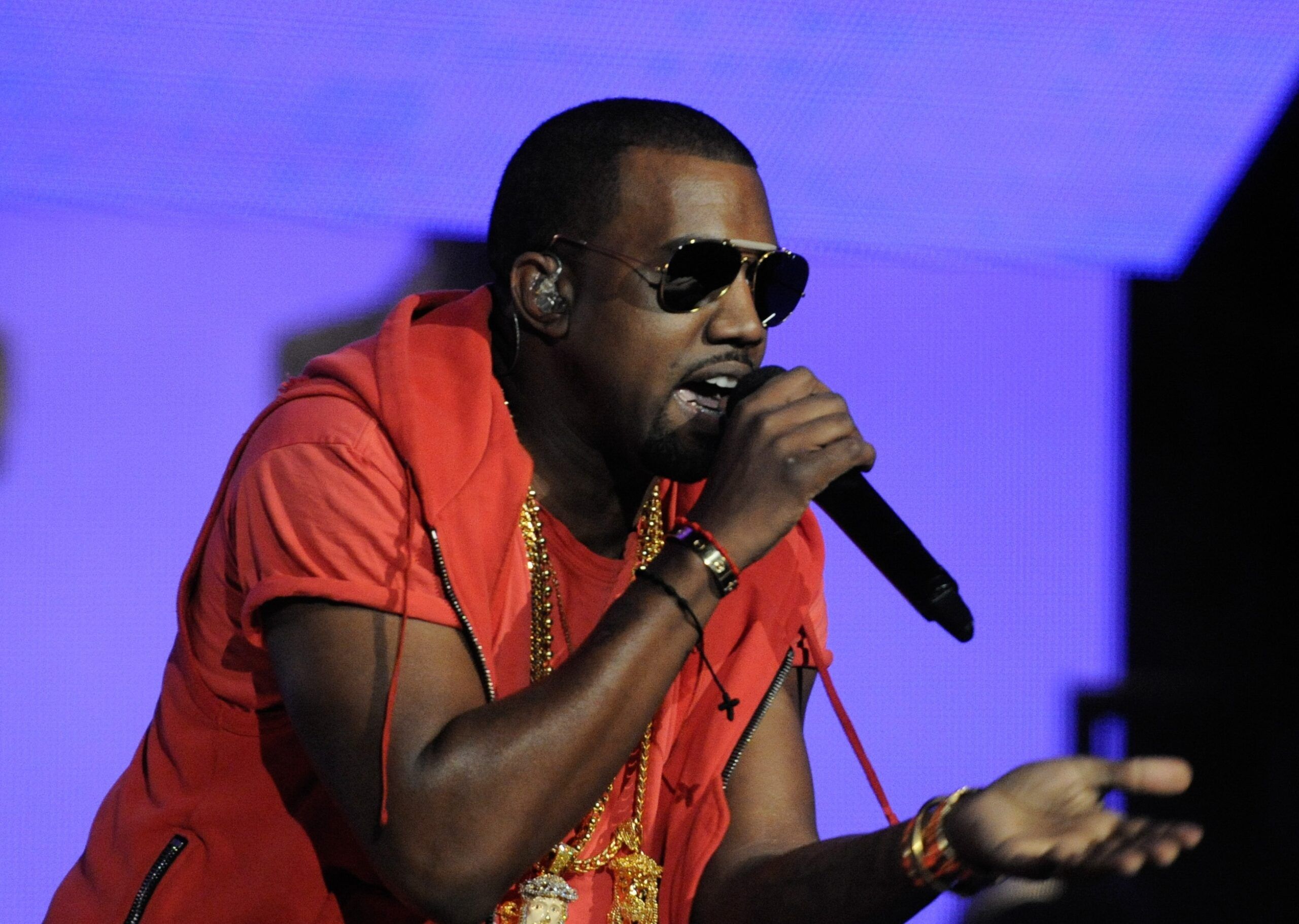
In its debut week, Kanye West’s sixth studio album, Yeezus, sold 327,000 copies in the United States, securing the number one spot on the Billboard 200. While this figure represented a 34% decline from his previous solo effort, it remains a "quiet milestone" for its successful defiance of traditional industry marketing and its pivot toward experimentalism.
Contents
The release of Yeezus on June 18, 2013, marked a definitive fracture in the career of Kanye West. Before this project, West was the undisputed king of the "maximalist" hip-hop era, culminating in the orchestral and lavish My Beautiful Dark Twisted Fantasy (2010) and the opulence of the Jay-Z collaboration Watch the Throne (2011). However, Yeezus arrived as a jarring, industrial, and aggressively minimalist counter-statement. When analyzing the 327,000 units sold in the first week, one must look beyond the raw data to understand why this specific number signaled a shift in how major artists approached commercial viability and artistic risk.
The Context of 2013: Expectations vs. Reality
Heading into the summer of 2013, the music industry was in a state of flux. Streaming services like Spotify were beginning to gain traction, but the industry still relied heavily on digital downloads via iTunes and physical CD sales. Kanye West was coming off a string of massive commercial successes. His previous solo album, My Beautiful Dark Twisted Fantasy, had moved 496,000 units in its first week, and Watch the Throne had moved 436,000.
Industry analysts initially projected that Yeezus would move upwards of 500,000 copies. These expectations were fueled by West’s status as a global superstar and the immense hype generated by his "New Slaves" video projections on 66 buildings across the globe. When the final tally of 327,000 was announced, some pundits labeled it a "disappointment." However, this perspective ignores the deliberate hurdles West placed in front of the album’s commercial potential.
The Anti-Marketing Campaign
The "quiet" nature of the Yeezus milestone is rooted in its lack of traditional promotion. In an era where labels spent millions on radio "payola," music videos, and glossy magazine covers, West opted for a strategy of subtraction.
- No Lead Single: Unlike Power or Stronger, Yeezus had no song serviced to radio before the album's release.
- No Album Cover: The physical release consisted of a clear jewel case with a single piece of red tape and no booklet, a stark contrast to the five interchangeable covers of his previous work.
- Minimal Press: West avoided the traditional late-night talk show circuit and standard interviews, opting instead for sporadic, confrontational public appearances.
By stripping away the machinery of a "pop" release, West essentially stress-tested his brand. The 327,000 people who purchased the album in the first week did so based on the strength of the artist’s reputation and the sheer audacity of the presentation, rather than the lure of a catchy radio hook.
Comparing the Numbers: A Historical Perspective
To understand why 327,000 was a significant, albeit quieter, milestone, it is helpful to compare it to West’s earlier and later career benchmarks. As of 2026, we can look back at these figures with the benefit of knowing how the industry transitioned fully into the streaming era.
| Album Title | Release Year | First Week Sales (US) | Top Single |
|---|---|---|---|
| Late Registration | 2005 | 860,000 | "Gold Digger" |
| Graduation | 2007 | 957,000 | "Stronger" |
| 808s & Heartbreak | 2008 | 450,000 | "Heartless" |
| MBDTF | 2010 | 496,000 | "Power" |
| Yeezus | 2013 | 327,000 | "Bound 2" |
| The Life of Pablo | 2016 | 94,000* | "Famous" |
*The Life of Pablo sales were initially suppressed due to its Tidal-exclusive release and unconventional update schedule.
The drop from nearly one million copies with Graduation to 327,000 with Yeezus illustrates the narrowing of West's "pop" appeal in exchange for "avant-garde" credibility. While the numbers were lower, the profit margins on Yeezus were reportedly higher due to the lack of expensive music videos and traditional marketing spends.
The Rick Rubin Effect and Sonic Minimalism
The "quietness" of the milestone also refers to the sonic density of the record. Just days before the album was due to be turned in, West brought in legendary producer Rick Rubin to "strip down" the tracks. Rubin, known for his work with the Beastie Boys and Johnny Cash, helped West remove layers of melody and percussion, leaving a raw, abrasive sound that was intentionally difficult for casual listeners.
This sonic gamble influenced the sales trajectory. While most blockbuster albums have a "long tail" supported by radio play, Yeezus saw an 80% drop in its second week—one of the largest in history at that time. However, this didn't signal a failure; it signaled a successful filtration of his fanbase. The album became a cult classic, influencing a generation of "SoundCloud rappers" and experimental artists who valued texture and aggression over radio-friendly structures.
The J. Cole Rivalry: Born Sinner vs. Yeezus
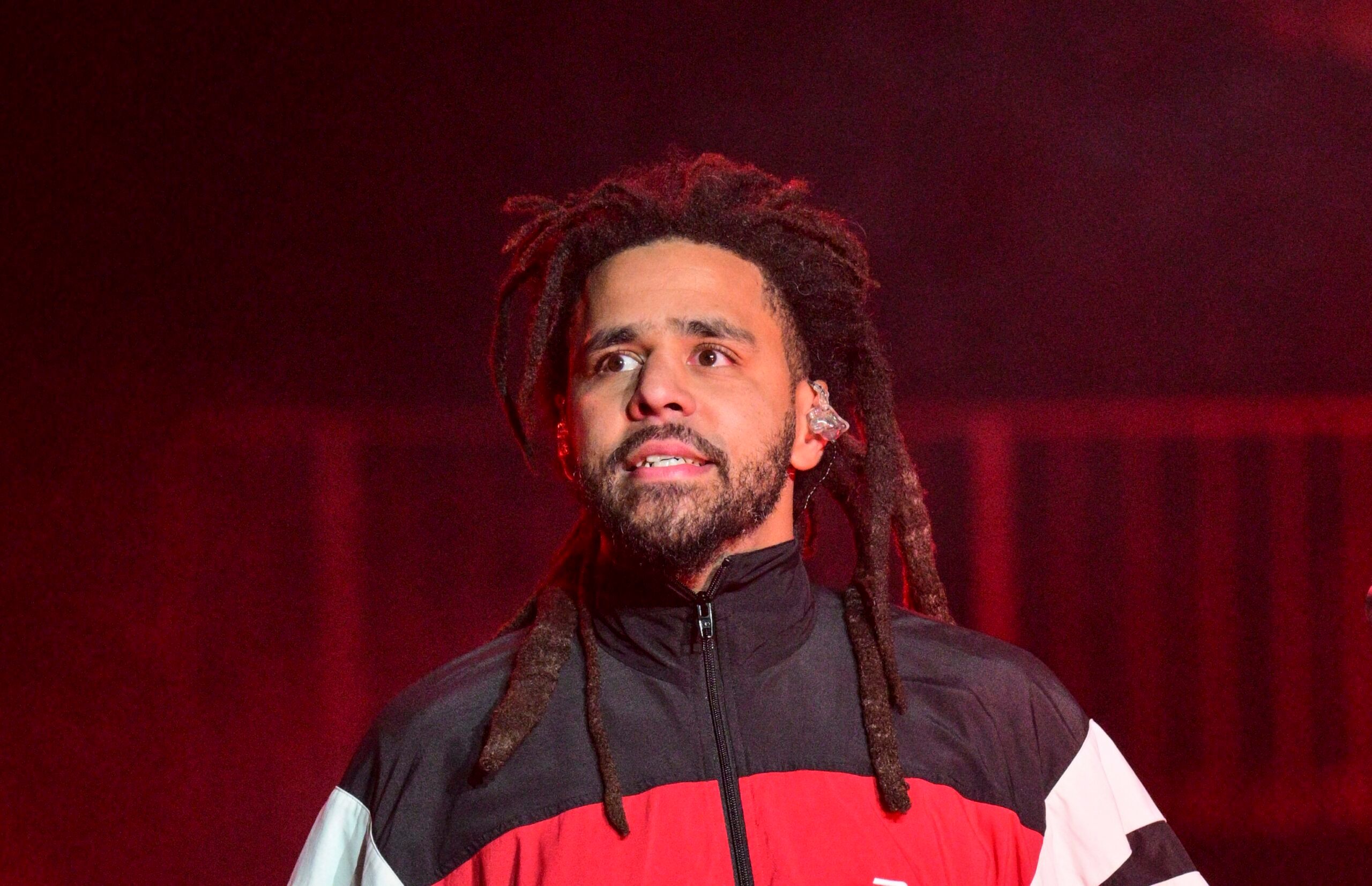
One cannot discuss the first-week sales of Yeezus without mentioning the "battle" with J. Cole. Cole moved his release date for Born Sinner to June 18 specifically to compete with West.
In the first week, Kanye West won the battle, with Yeezus (327k) beating Born Sinner (297k). However, in a rare turn of events, J. Cole’s album eventually outsold Yeezus in subsequent weeks and surpassed it in total sales shortly thereafter. This event was a milestone because it proved that while West could still command the "event" of a release week, his move away from accessible music opened a vacuum in the market for more traditional, lyrical hip-hop—a vacuum that J. Cole and Kendrick Lamar would eventually fill.
Why 327,000 is a "Quiet Milestone"
The term "quiet milestone" is an oxymoron that perfectly encapsulates Yeezus. It was a loud, abrasive, and controversial album that produced "quiet" numbers relative to West's superstar peers (like Drake or Eminem). Yet, it was a milestone for three primary reasons:
1. The Death of the "Standard" Rollout
Yeezus proved that an artist of a certain caliber did not need a radio single to debut at number one. This paved the way for the "surprise drop" era, popularized later by Beyoncé and Kendrick Lamar. It shifted the power from the radio programmers to the artist’s direct-to-consumer relationship.
2. Validation of Experimentalism
The fact that 327,000 people were willing to pay for an album that contained the screeching industrial sounds of "On Sight" and the dark, distorted samples of "Strange Fruit" in "Blood on the Leaves" validated the idea that the mainstream was ready for challenging art. It was a milestone for the "commercial avant-garde."
3. Cultural Longevity over Initial Units
In 2026, music critics often cite Yeezus as one of the most influential albums of the 2010s. Its first-week sales were the "quiet" entry point into a legacy that far outstripped the 327,000 units sold. The album eventually went Platinum, proving that while the initial reception was polarized, the work had "legs."
Frequently Asked Questions
Did Yeezus underperform commercially?
By the standards of 2013 and Kanye West’s previous sales history, it was considered an underperformance by about 15-20%. However, given the total lack of radio promotion and its experimental nature, many industry insiders viewed the 327,000 figure as a testament to West's immense brand loyalty.
Was Yeezus ever certified Platinum?
Yes. Despite the slower sales start compared to Graduation, Yeezus was certified Platinum by the RIAA on January 8, 2014, less than seven months after its release. It has since maintained a steady streaming presence.
Why did the sales drop 80% in the second week?
The steep decline was largely due to the polarized reaction from the general public. While die-hard fans bought the album on day one, the lack of a "radio hit" meant there was little incentive for casual listeners to pick it up in subsequent weeks. The aggressive sound also led to high "return" rates and negative word-of-mouth among those expecting another "Gold Digger."
How did the J. Cole rivalry impact the sales?
The rivalry likely boosted the sales for both artists. The "competition" created a narrative that forced hip-hop fans to choose a side or buy both. Without the rivalry, Yeezus might have seen even less urgency in its first-week numbers.
What was the significance of the "clear case" packaging?
The packaging was a physical manifestation of the album’s minimalist philosophy. By including no cover art, Kanye West was signaling that the music should be judged entirely on its own merit, without the distractions of visual branding. This was a "quiet" protest against the commodification of music.
Final Recommendation for Industry Analysts
When evaluating the success of a major artist's project, it is essential to weigh intent against outcome. Yeezus was never designed to be a diamond-selling pop record; it was designed to be a cultural disruptor. For those studying music marketing or artist development, the 327,000 first-week sales of Yeezus serve as the perfect case study in how to trade short-term commercial dominance for long-term cultural influence. The milestone wasn't in the number itself, but in the fact that such a number was achieved through pure, unadulterated artistic defiance.
Image Gallery