Complete Guide to Achieving the Perfect Dread Taper in 2026
A dread taper is a specialized hairstyle modification that blends tightly locked or neglected hair textures into shaved or closely cropped sides and back, creating a clean, modern silhouette while preserving the natural weight and form...
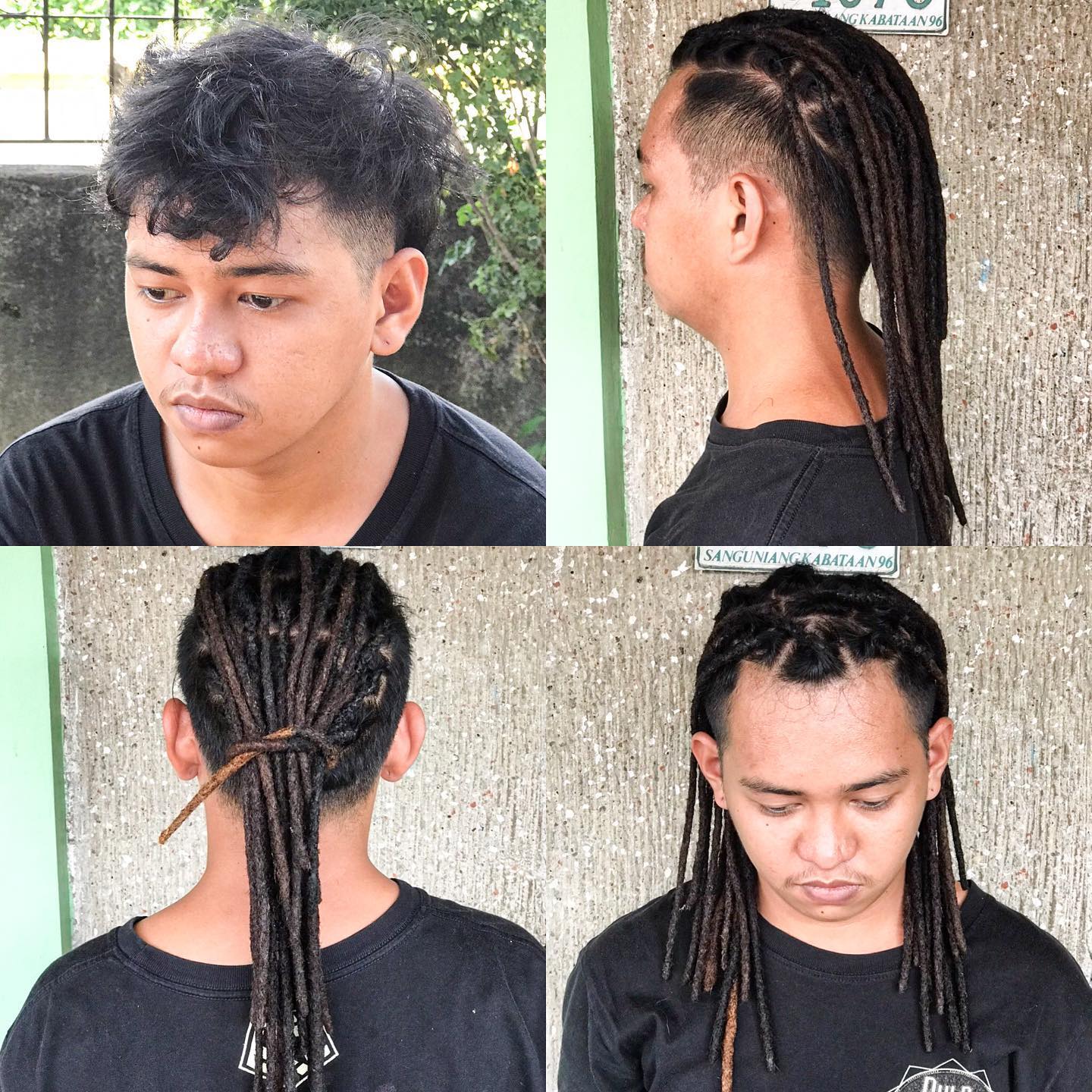
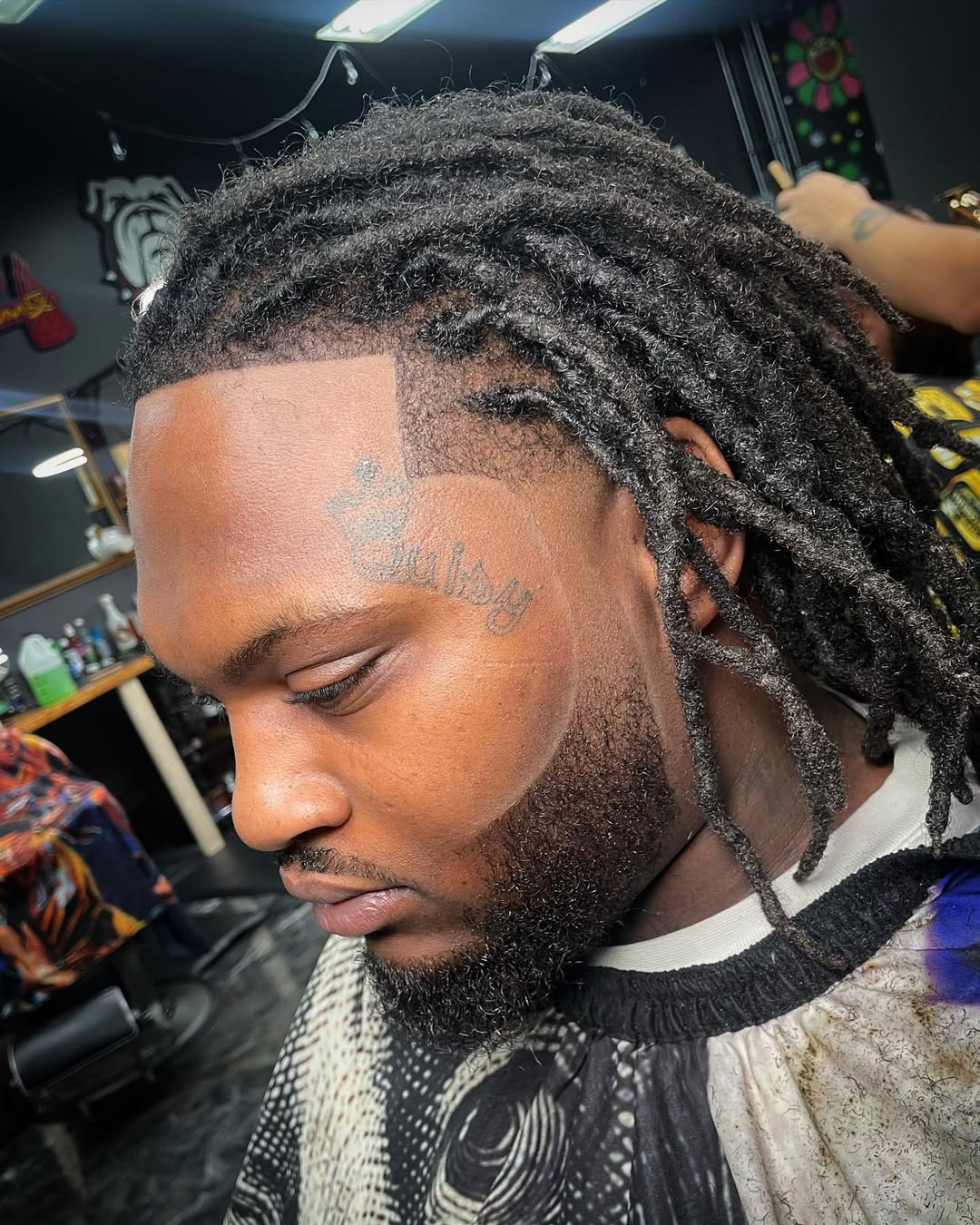
A dread taper is a specialized hairstyle modification that blends tightly locked or neglected hair textures into shaved or closely cropped sides and back, creating a clean, modern silhouette while preserving the natural weight and form of dreadlocks on top. This technique offers a sharp contrast that bridges the gap between raw, organic texture and precise barbering standards.
Contents
Understanding the Anatomy of a Dread Taper
The foundational mechanics of a dread taper rely heavily on geometric alignment, hair density management, and tension control. Unlike a standard fade on loose hair, working with locs requires accounting for the weight and root pull of mature or maturing dreadlocks. A professional loctician or skilled barber must evaluate how the hair falls naturally before laying down guidelines with clippers.
When executing this cut, the primary objective is to isolate the locs that will remain on the crown and top parietal ridge while systematically reducing the bulk along the temporal and occipital bones. This requires a calculated approach to prevent tension alopecia, a common risk when tight fades are applied too aggressively near heavy loc bases.
- The Baseline Perimeter: The lower boundary that outlines the neck and behind the ears, usually cut down to skin or a low guard for maximum contrast.
- The Transition Zone: The graduated gradient area where loose, short hair blends upward into the heavier, established dreadlocks.
- The Weight Line: The strategic perimeter where the locs hang over the faded skin, which must be maintained with precision to avoid accidental cutting of the locks.
Essential Prerequisites and Hair Preparation
Before applying any metal blades or electric shears to a head featuring locs, thorough preparation ensures the structural integrity of the style. Hair health remains paramount, especially given the friction and manipulation required during a tapering session.
Initiating the process on freshly washed and completely dry hair is non-negotiable. Damp locs trap moisture and alter perceived length and density, which frequently leads to uneven fading or accidental clipping of loc roots. Furthermore, a clean scalp allows the barber to inspect for any underlying tension bumps, dermatitis, or thinning areas that dictate how high or low the taper should be set.
Professional Preparation Note: Always clarify and thoroughly dry dreadlocks prior to any maintenance session. Moisture retention inside mature locs makes them susceptible to internal mildew and structural distortion when compressed by clipper guards or heavy hands.
Step-by-Step Execution Guide for Locticians and Barbers
Executing a clean dread taper demands a methodical approach that combines traditional barbering fade techniques with specialized loc management. Following a structured workflow minimizes errors and protects the client's hair investment.
- Consultation and Mapping: Examine the parting layout of the locs. Determine whether the client prefers a low, mid, or high taper, and establish where the natural weight line of the locks will rest.
- Securing the Locs: Use sectioning clips or elastic bands to pull all mature dreadlocks safely away from the working zones around the temples, sideburns, and nape.
- Setting the Bald Baseline: Create an initial guideline using a trimmer to clear the bottom third of the target fade zone, establishing the clean canvas against the skin.
- Graduation and Blending: Progress through clipper guards systematically, starting from the lowest guard and working upward. Use the "fading-up" or "fading-down" method depending on personal preference, ensuring no harsh lines remain beneath the weight line of the locs.
- Refining the Weight Line: Carefully lift the bottom row of locs and use blending shears or a trimmer to clean up stray hairs sprouting from the roots without clipping the structural body of the dreads.
- Edge-Up and Detail: Detail the c-cups, sideburns, and neckline with precision foil shavers and straight razors for a razor-sharp finish.
Comparing Dread Taper Variations
Choosing the right variation depends on face shape, hair density, and personal maintenance preferences. The following breakdown contrasts the primary styles utilized in modern grooming.
| Taper Style | Visual Profile | Maintenance Frequency | Best Suited For |
|---|---|---|---|
| Low Taper | Minimalist edge removal around the sideburns and lower nape; maximum loc volume retained. | Every 3 to 4 weeks | Round face shapes, beginner loc wearers, professional environments |
| Mid Taper | Balanced fade extending halfway up the ear line; moderate skin exposure. | Every 2 to 3 weeks | Oval and square face shapes, mature freeform or semi-freeform locs |
| High Taper | Aggressive fade reaching high above the ears and toward the crown; bold contrast. | Every 2 weeks | Well-established thick locs, athletic aesthetics, high-contrast styling |
| Drop Taper | Curved fade that dips low behind the ear following the natural skull contour. | Every 3 weeks | Elongated head shapes, wearers seeking a seamless wrap-around profile |
Managing Maintenance, Risks, and Common Mistakes
Maintaining a dread taper requires a disciplined schedule to prevent the style from looking overgrown or muddy. Because loose hair grows back rapidly against tightly locked hair, the crisp definition of the fade typically degrades within fourteen to twenty-one days.
A frequent error committed by inexperienced stylists is cutting too deeply into the base of the locs during the fading process. This weakens the root system, causing the loc to detach or thin out prematurely. Another common pitfall involves neglecting scalp care in the newly exposed areas, leading to razor burn or ingrown hairs. Regular moisturizing of the exposed skin combined with proper oiling of the loc roots preserves overall scalp health.
Pros and Cons of Integrating a Taper with Dreads
Evaluating the advantages and drawbacks helps wearers decide if this aesthetic aligns with their lifestyle and aesthetic goals.
Advantages
- Offers an immediate clean, polished look while maintaining long, organic dreadlocks.
- Reduces bulk around the neck and ears during warmer seasons, improving comfort.
- Allows individuals in corporate or formal settings to wear locs with a neat, structured appearance.
Disadvantages
- Requires frequent, ongoing maintenance visits to the barber shop or salon.
- Risk of tension stress or accidental cutting of loc roots if performed by an inexperienced technician.
- Growing out a taper requires transitioning through an awkward phase where short loose hair mingles with mature locs.
Frequently Asked Questions
What is the difference between a dread taper and a regular fade?
A regular fade is performed on loose hair of uniform texture, whereas a dread taper must transition from loose, short hair on the sides to heavy, locked hair on top without compromising the structural integrity of the dreadlocks. This requires specialized parting and weight-line management.
How often should a dread taper be touched up?
Most individuals require a maintenance session every two to four weeks to keep the lines sharp and prevent the faded skin areas from becoming overtaken by new growth.
Can I get a dread taper if my locs are brand new or starter locs?
Yes, but extreme care is necessary. Starter locs are fragile and prone to unravelling, so the barber must stay well clear of the delicate root matrices while executing the fade.
Will getting a taper make my locs fall out?
A professional taper will not cause loc loss. However, if the fade is cut too high into the roots or if excessive tension is applied during the clipping process, it can induce traction stress and localized thinning over time.
How do I style the transition zone between my fade and my locs?
The transition zone is naturally maintained by the barber's grading technique. Wearers can apply light holding gels or edge controls to the short hairs while keeping the locs moisturized with natural oils like jojoba or rosewater.
What should I look for when choosing a barber for a dread taper?
Seek out a professional who has explicit, proven experience working with textured hair and established locs. Ask to see a portfolio showcasing clean transitions underneath heavy dreadlocks to ensure they understand how to protect the weight line.
Schedule a consultation with a certified loctician or professional barber experienced in textured hair to determine the ideal taper height for your facial structure and loc maturity level today.
Image Gallery