Comprehensive Tips for Playing Basketball in 2026: Mastering Skills and Strategy
To improve at basketball, focus on mastering fundamental skills like shooting mechanics (BEEF), ball handling, and defensive positioning. Consistent practice of footwork, maintaining a high basketball IQ through court awareness, and pr...
To improve at basketball, focus on mastering fundamental skills like shooting mechanics (BEEF), ball handling, and defensive positioning. Consistent practice of footwork, maintaining a high basketball IQ through court awareness, and prioritizing physical conditioning are essential. Integrating modern recovery techniques and disciplined teamwork will significantly elevate your overall performance on the court in 2026.
Contents
Mastering the Fundamentals of Shooting
Shooting is arguably the most critical skill in basketball. Whether you are a point guard or a center, the ability to put the ball in the hoop creates gravity, drawing defenders toward you and opening up the floor for your teammates. In 2026, shooting mechanics have been refined through bio-mechanical analysis, but the core principles remain the same.
The BEEF method is the gold standard for shooting form:
- Balance: Your feet should be shoulder-width apart, usually with your dominant foot slightly ahead of the other. Your knees should be bent, providing a solid base to generate power from your legs rather than just your arms.
- Eyes: Focus your target on the basket. Some players prefer the front of the rim, while others look at the back or the center. Consistency is more important than which specific spot you choose.
- Elbow: Keep your shooting elbow tucked in, forming a "U" shape or a 90-degree angle. This ensures the ball travels in a straight line toward the hoop.
- Follow-through: After releasing the ball, keep your hand up in the air as if reaching into a cookie jar. This provides the necessary backspin, which helps the ball "soften" when it hits the rim, increasing the chance of a friendly bounce.
Beyond mechanics, range progression is vital. Many players make the mistake of practicing three-pointers before they have mastered the mid-range jumper. Start near the basket with the Mikan Drill or simple form shooting to build muscle memory. Only move further out once your form remains consistent under the pressure of distance.
Developing Elite Ball Handling and Dribbling
Ball handling is about more than just "fancy moves"; it is about ball security and the ability to navigate the court under pressure. Effective dribbling allows you to get to your spots on the floor and create scoring opportunities.
To improve your handle, you must practice active dribbling. This means dribbling with your fingertips rather than your palms, which provides greater control and tactile feedback. A common mistake among developing players is looking down at the ball. In 2026, coaches emphasize "eyes-up" training, often using visual cues or technology to ensure players are scanning the court for open teammates and defensive rotations while maintaining their dribble.
Variation in pace is the secret to beating defenders. A player who runs at one speed is easy to guard. However, a player who can transition from a slow, methodical walk to an explosive burst of speed is a nightmare for a defense. Practice "change of pace" drills, such as the hesitation dribble (the "hesi"), where you momentarily pause your movement to freeze the defender before accelerating past them.
Defensive Principles: The Art of Stopping Your Opponent
Defense is often more about effort and positioning than raw athleticism. While highlight reels focus on dunks, games are frequently won on the defensive end.
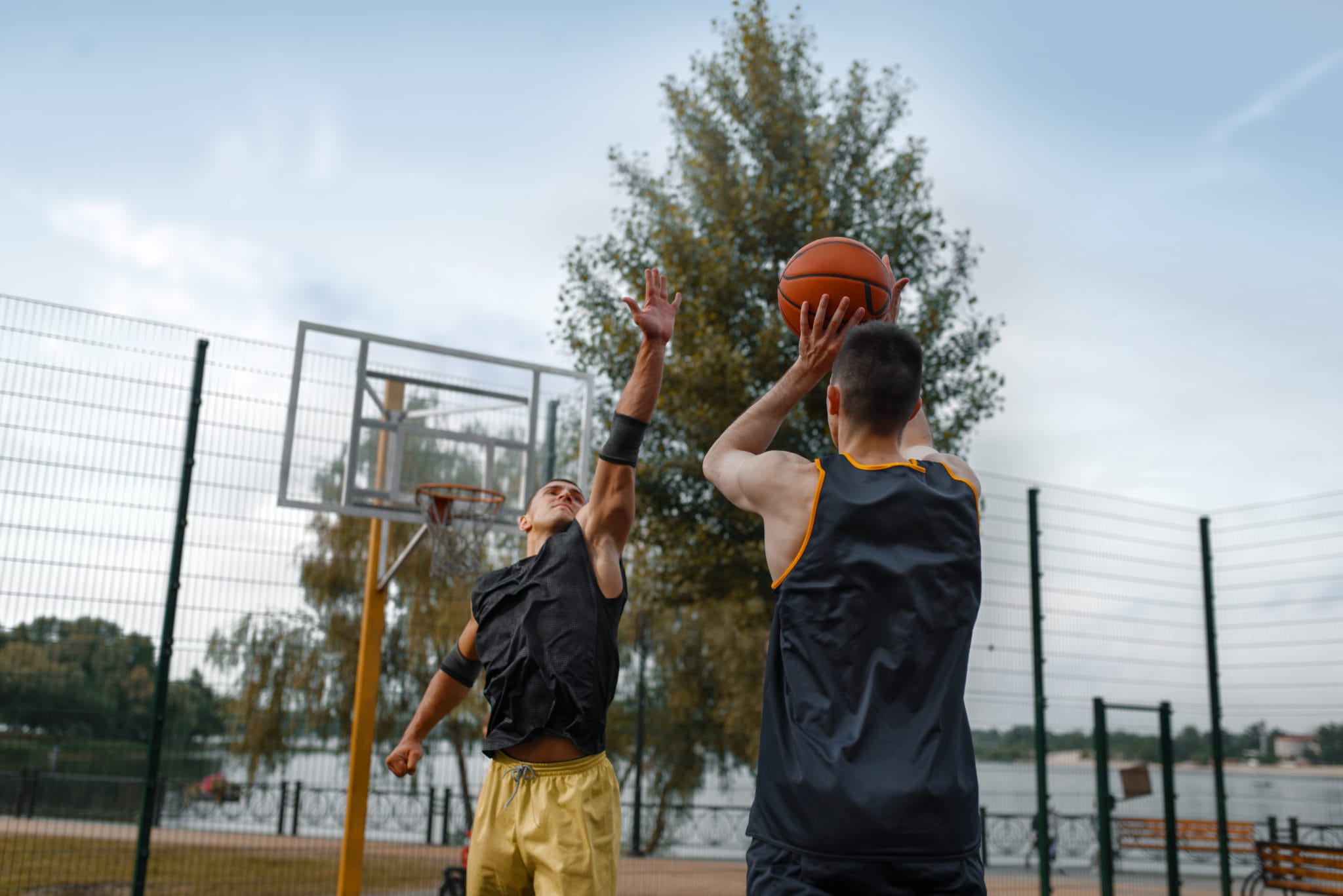
The foundation of good defense is the defensive stance. You should be low to the ground, weight on the balls of your feet, and arms wide. This increases your lateral quickness and makes you a larger obstacle for the offensive player. When guarding the ball handler, your goal is to stay between them and the basket, a concept known as "staying in front."
In team defense, communication is the most underrated skill. By 2026, the complexity of defensive rotations—such as "hedging" on screens or "switching" assignments—requires constant verbal cues. You must let your teammates know when a screen is coming ("Screen left!") or when you are "helping" in the paint.
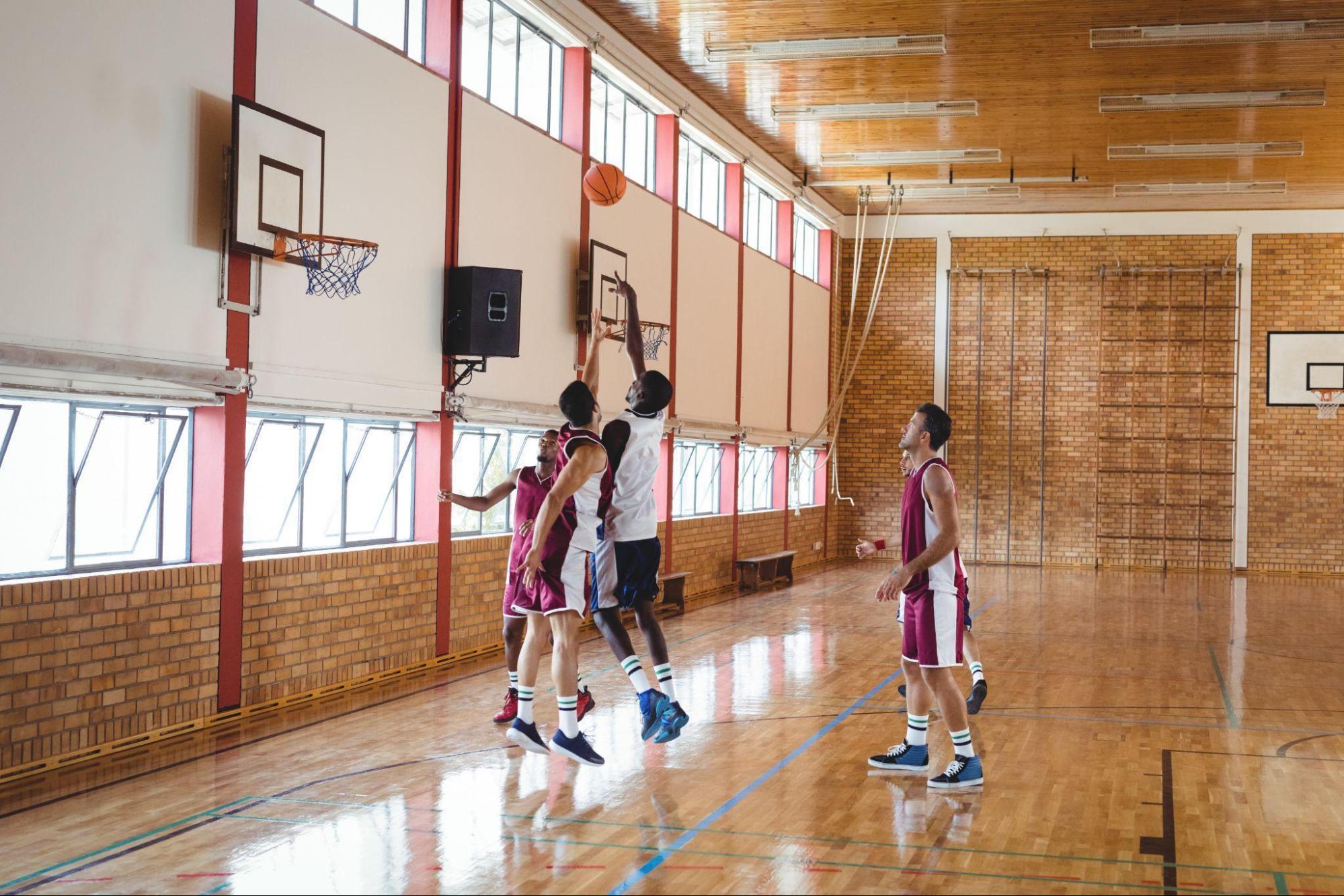
Boxing out is another essential defensive tip. When a shot goes up, your job isn't finished until your team has the ball. Locate your opponent, make physical contact, and use your lower body to hold them back while you track the rebound. This prevents "second-chance points," which are often the difference between winning and losing.
Basketball IQ and On-Court Awareness
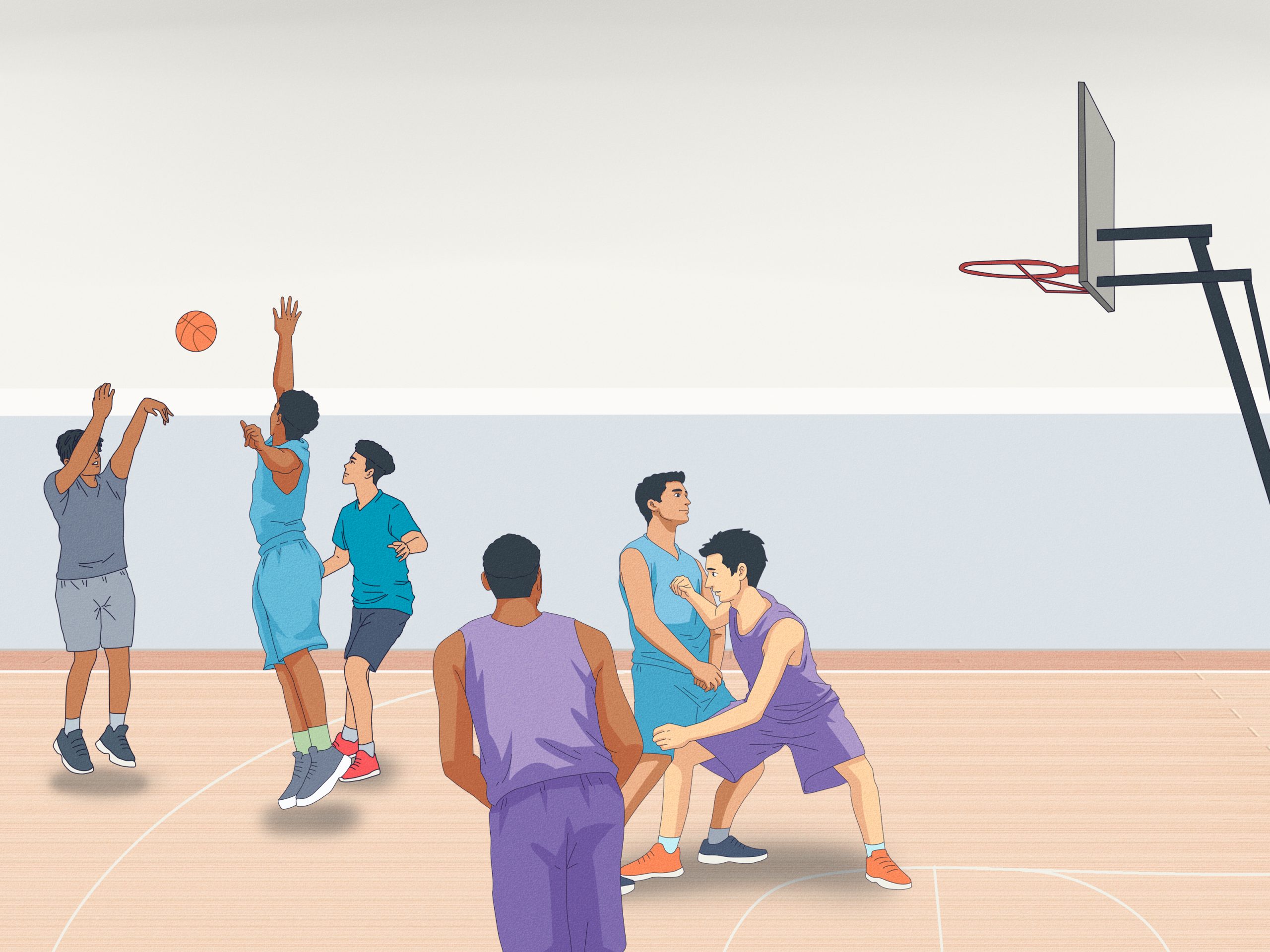
Basketball IQ refers to a player's ability to "read" the game and make the right decision in real-time. This includes understanding floor spacing, timing cuts to the basket, and knowing when to pass versus when to shoot.
One of the best ways to improve your IQ is to study the game. In 2026, high-level players use video analysis to review their own performances and study professional games. Pay attention to "off-ball" movement. If you don't have the ball, you should be looking for ways to help your team. This might mean setting a screen for a shooter, "cutting" to the rim when your defender falls asleep, or simply moving to a corner to provide spacing for a teammate who is driving to the hoop.
Understanding the Pick and Roll is essential in the modern game. As the ball handler, you must read how the defense reacts to the screen. If they "drop," you might have an open jump shot. If they "double-team" you, a pass to the rolling big man is the correct play. Developing this level of intuition takes hundreds of repetitions and a deep understanding of the Official FIBA Basketball Rules regarding player movement and contact.
Physical Conditioning and Injury Prevention
Basketball is a high-impact sport that requires a combination of aerobic endurance and anaerobic explosiveness. To stay competitive in 2026, your training regimen must be well-rounded.
- Plyometrics: Exercises like box jumps and lateral hops improve your vertical leap and lateral quickness. These explosive movements mimic the jumping and sliding required during a game.
- Conditioning: Basketball is a game of sprints, not a marathon. Incorporate "suicides" or interval training that involves high-intensity bursts followed by short rest periods.
- Strength Training: Focus on core strength and lower body stability. A strong core allows you to absorb contact while finishing at the rim, while strong ankles and knees help prevent common injuries.
Injury prevention is paramount. Always engage in a dynamic warm-up before playing to increase blood flow to the muscles. In 2026, recovery is treated with the same importance as training. Utilizing tools like compression gear, foam rollers, and ensuring adequate sleep helps the body repair itself. According to the NBA Health and Wellness guidelines, proper hydration and electrolyte balance are also crucial for maintaining peak neuromuscular function during long games.
Recommended Training Focus by Skill Level
To help you prioritize your development, use the following table to identify which areas to focus on based on your current experience.
| Skill Level | Primary Focus | Key Drill | Training Goal |
|---|---|---|---|
| Beginner | Basic Mechanics | Mikan Drill & Form Shooting | Develop consistent shooting form and layups. |
| Intermediate | Ball Control & Spacing | 3-on-3 No-Dribble Scrimmage | Improve passing and off-ball movement. |
| Advanced | Defensive Rotations | Help-Side Shell Drill | Master team-oriented defensive schemes. |
| Elite | Decision Making | 2-on-1 Fast Break Reads | Perfect the ability to exploit defensive gaps. |
Essential Equipment and Gear
While skill is the most important factor, the right equipment can enhance performance and prevent injury. By 2026, basketball footwear has advanced significantly to provide better traction and impact protection.
- Basketball Shoes: Look for shoes with high ankle support if you are prone to sprains, or low-top models for maximum mobility if you are a guard. Ensure the "outsole" has a herringbone pattern for optimal grip on hardwood floors.
- The Ball: Standard size 7 is used for men's professional play, while size 6 is the standard for women's play and youth leagues. Practice with a ball that matches the specifications of the league you intend to play in.
- Apparel: Moisture-wicking fabrics are essential to keep you cool and dry. Many players in 2026 also wear compression tights or sleeves to assist with blood flow and muscle stabilization.
- Wearable Technology: Many amateur and professional players now use wearable sensors to track heart rate, jump height, and distance covered. This data can be used to prevent overtraining and measure progress over time.
Frequently Asked Questions
Do I need to be tall to be good at basketball?
No, height is an advantage, but it is not a requirement for success. Many of the most influential players in basketball history have been under 6 feet tall. Smaller players can excel by developing elite speed, ball handling, outside shooting, and high-level basketball IQ. Focus on being the best in your specific role, whether that is a playmaker, a defensive specialist, or a knockdown shooter.
How often should I practice to see real improvement?
Consistency is more important than duration. Practicing for 30 to 60 minutes every day is generally more effective than practicing for five hours once a week. Daily practice helps build the muscle memory required for skills like shooting and dribbling. Ensure that at least half of your practice time is spent on "game-speed" drills rather than casual shooting.
What is the most important rule to know as a beginner?
The most fundamental rules to understand are "traveling" and "double dribble." Traveling occurs when you take more than two steps without dribbling or move your pivot foot. A double dribble occurs when you stop your dribble and then start again, or touch the ball with both hands simultaneously while dribbling. Mastering these will prevent frequent turnovers and help you stay on the court longer.
How do I stop getting tired so quickly during games?
Cardiovascular endurance is built through interval training. Instead of jogging at a steady pace, try "shuttle runs" where you sprint for 20 seconds and rest for 10 seconds. Additionally, learning how to breathe efficiently and managing your energy—such as not sprinting unnecessarily when the ball is on the other side of the court—will help you last until the fourth quarter.
Can I teach myself basketball or do I need a coach?
While you can learn the basics through self-practice and watching tutorials, a coach or experienced mentor provides immediate feedback that is difficult to get on your own. A coach can spot flaws in your shooting mechanics or defensive stance that you might not notice. Joining a local league or attending a skills camp is a great way to receive structured instruction.
Practical Recommendations for Next Actions
If you are looking to elevate your game, start by recording a video of your shooting form. Compare it to professional standards to identify areas for improvement. Next, find a local community center or gym and participate in "pick-up" games. Playing against real opponents is the only way to test your skills under pressure and improve your court awareness. Finally, create a structured weekly training schedule that balances skill development, strength training, and recovery. In 2026, the most successful players are those who treat their development with a professional mindset, regardless of their current level.
Image Gallery