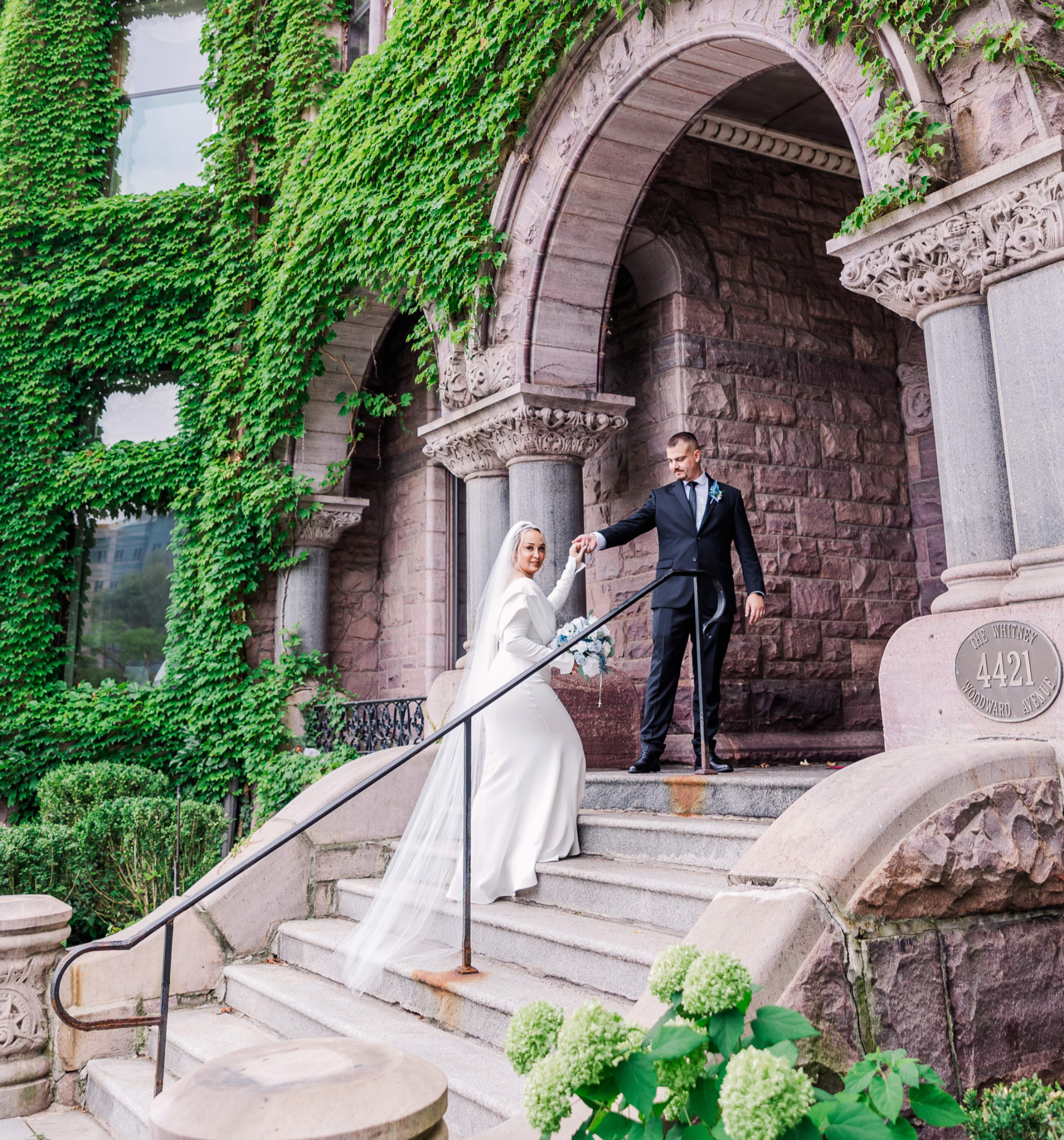
The Essential Event Venues in Detroit Guide for 2026: Top Locations for Every Occasion
Finding the perfect event venue in Detroit involves balancing the city's rich architectural heritage with modern industrial-chic spaces. Whether you are hosting a corporate gala at Huntington Place or an intimate wedding at the Shinola...
Finding the perfect event venue in Detroit involves balancing the city's rich architectural heritage with modern industrial-chic spaces. Whether you are hosting a corporate gala at Huntington Place or an intimate wedding at the Shinola Hotel, Detroit offers diverse options across the downtown core, Corktown, and the historic Riverfront to suit varying capacities and budgets.
Contents
Navigating Detroit’s Evolving Event Landscape
As of 2026, Detroit has firmly established itself as a premier destination for regional and international events. The city’s "comeback" narrative has matured into a sophisticated landscape where historic restoration meets cutting-edge infrastructure. Planning an event here requires an understanding of the distinct neighborhoods: the Central Business District (CBD) for high-end corporate needs, Corktown for trendy tech and industrial vibes, and Midtown for cultural and academic settings.
The demand for venues has increased alongside the city's residential and commercial growth. This means that for peak seasons—specifically late spring and early autumn—securing a venue at least 12 to 18 months in advance is now standard practice. The influx of new hotel stock, such as the Hudson’s Site developments and the expanded options at the Book Tower, has significantly increased the "room block" capacity, making Detroit more competitive for large-scale conventions that previously might have chosen Chicago or Indianapolis.
Premier Large-Scale and Convention Venues
For events requiring massive floor space, high-tech audiovisual capabilities, and proximity to major hotels, the downtown core offers world-class facilities. These venues are primarily utilized for trade shows, international summits, and large-scale charity galas.
Huntington Place
Formerly known as TCF Center and Cobo Center, Huntington Place remains the crown jewel of Detroit’s convention scene. In 2026, it continues to benefit from continuous upgrades to its digital infrastructure and sustainable energy systems. With over 723,000 square feet of exhibit space, it is one of the few venues capable of hosting the North American International Auto Show. The Grand Riverview Ballroom is particularly notable for its floor-to-ceiling windows offering panoramic views of the Detroit River and the Windsor, Ontario skyline.
Ford Field and Little Caesars Arena (LCA)
For planners seeking a high-energy, "stadium" atmosphere, both Ford Field and Little Caesars Arena offer specialized event spaces beyond the playing surfaces. Ford Field features the Adams Street Balcony and the South Club, which provide an upscale, industrial feel with views of the stadium interior. LCA offers the Via, a glass-roofed concourse that functions as a year-round "street" environment, perfect for massive product launches or indoor festivals.
Historic Gems and Architectural Masterpieces
Detroit’s history as the "Paris of the West" is reflected in its stunning array of preserved theaters and early 20th-century skyscrapers. These venues offer built-in decor through their intricate plasterwork, marble floors, and Art Deco details.
The Fox Theatre
A National Historic Landmark, the Fox Theatre is perhaps the most opulent venue in the Midwest. Its "Siamese Byzantine" style provides a breathtaking backdrop for award ceremonies and high-end performances. While the main auditorium is the primary draw, the Grand Lobby is frequently rented for cocktail receptions where the architecture itself serves as the main entertainment.
The Detroit Institute of Arts (DIA)
The DIA offers an unparalleled cultural atmosphere. The Diego Rivera Court, surrounded by the world-famous "Detroit Industry" murals, is one of the most sought-after spaces in the city for formal dinners. The museum’s Great Hall offers a more traditional European gallery feel. Planning an event here requires strict adherence to preservation guidelines, particularly regarding lighting and catering setups, to protect the priceless collections.
The Guardian Building
Known as the "Cathedral of Finance," the Guardian Building is an Art Deco masterpiece. Its lobby, filled with colorful Pewabic tile and Rookwood pottery, is ideal for corporate mixers or upscale weddings. Because it is an active office building, evening and weekend availability is the norm, providing a sense of exclusive access to one of the city's most beautiful interiors.
Industrial-Chic and Boutique Spaces in 2026
The "Detroit aesthetic"—characterized by exposed brick, timber beams, and large steel-framed windows—remains highly popular. These venues offer a "blank canvas" for creative planners to customize.
Eastern Market (Shed 3 and Shed 5)
Eastern Market is the heart of Detroit’s food and arts culture. Shed 3, with its high ceilings and open-air versatility (closable with massive glass doors), is a favorite for large-scale casual gatherings and markets. Shed 5 offers a more enclosed, climate-controlled space with an attached professional kitchen, making it a top choice for food-centric events.
The Factory at Corktown
Located near the revitalized Michigan Central Station, The Factory at Corktown embodies the neighborhood's shift toward tech and innovation. It provides a raw, energetic environment that appeals to startups and creative agencies. The proximity to Ford’s new mobility campus makes it a strategic location for industry networking events.
Waterview Loft at Port Detroit
For a modern, "clean" aesthetic, Waterview Loft provides a two-story glass-walled space right on the Detroit RiverWalk. It is a turnkey venue, often including high-end catering and modern lounge furniture in its rental packages, which simplifies the planning process for those who want a contemporary look without sourcing multiple vendors.
Comparative Overview of Top Detroit Venues
| Venue Name | Primary Style | Max Capacity (Seated) | Key Feature |
|---|---|---|---|
| Huntington Place | Modern/Convention | 5,000+ | Riverfront views & massive scale |
| The Fox Theatre | Historic/Opulent | 5,000 (Theater) | Gold-leaf Art Deco architecture |
| Detroit Institute of Arts | Cultural/Fine Art | 300 (Rivera Court) | Surrounded by world-class murals |
| Eastern Market Shed 3 | Industrial/Open-Air | 1,000+ | Authentic market atmosphere |
| Shinola Hotel | Boutique/Luxury | 180 (Biddle Hall) | High-end finishes & central location |
| The Guardian Building | Art Deco | 250 | Pewabic tile & historic grandeur |
| Waterview Loft | Modern/Nautical | 250 | Direct Detroit River views |
Logistical Considerations: Parking, Permits, and Labor
Hosting an event in Detroit in 2026 requires careful logistical planning, particularly regarding the city's unique infrastructure.
Transportation and Accessibility
Detroit Metro Airport (DTW) is roughly 20-30 minutes from downtown. For local transport, the QLine connects the CBD to Midtown and New Center, making it easy for guests to move between venues and hotels along the Woodward Avenue corridor. The Detroit People Mover provides a circular route around the downtown core, which is highly efficient for events centered near the Renaissance Center or Huntington Place.
Parking Logistics
While Detroit has many parking garages, large events can quickly saturate local capacity. It is highly recommended to contract with a valet service or pre-purchase "event "spots" in garages managed by Bedrock Detroit or the Detroit Municipal Parking Department.
Labor and Union Requirements
Planners should be aware that many of the larger venues and those located within hotels are union houses. This means that specific tasks, such as electrical rigging, stagehand work, and food service, must be performed by union members (e.g., IATSE or UNITE HERE). Always verify labor rules in the venue contract to avoid unexpected surcharges or jurisdictional disputes during setup.
Special Event Permits
If your event spills onto the sidewalk or requires a street closure (common in areas like Broadway Street or around Capitol Park), you must file a Special Events Application with the City of Detroit. In 2026, the city requires these applications at least 60 days in advance for small events and 120 days for major festivals.
Costs and Peak Season Fluctuations
Pricing for Detroit venues varies significantly based on the "tier" of the location and the time of year.
- Peak Season (May–June, September–October): These are the most expensive months due to mild weather. Expect higher venue rental fees and strict food and beverage (F&B) minimums.
- The "Auto Show" Effect: During major city-wide events like the North American International Auto Show or the Detroit Grand Prix, hotel and venue prices skyrocket. Check the Visit Detroit calendar before locking in dates.
- F&B Minimums: Most high-end hotel venues (Shinola, Westin Book Cadillac, MGM Grand) will waive or reduce the room rental fee if a substantial F&B minimum is met. In 2026, typical F&B minimums for a Saturday night wedding or gala range from $15,000 to $40,000.
Sustainability and Modern Standards
By 2026, sustainability has moved from a "nice-to-have" to a requirement for many corporate clients. Venues like Huntington Place have led the way with LEED Gold certification, offering robust recycling programs and energy-efficient lighting. When touring venues, ask about their waste diversion rates and whether they partner with local organizations like Forgotten Harvest to donate unserved food, which is a common practice in the Detroit event industry to combat local food insecurity.
FAQ
What is the best month to host an outdoor event in Detroit? September is widely considered the best month. The humidity of July and August has broken, and the "Michigan Fall" provides vibrant colors with temperatures typically ranging between 60°F and 75°F. June is also popular but carries a higher risk of rain and thunderstorms.
How far in advance should I book a Detroit venue? For "tier-one" venues like the DIA or the Fox Theatre, 18 months is recommended. For smaller boutique spaces or mid-range hotels, 12 months is usually sufficient. Weekday corporate events can often be booked with 6 months' lead time.
Are there venues in Detroit that allow outside catering? Yes, several industrial and community spaces like Eastern Market and certain galleries in the North End allow outside catering. However, most major hotels and historic venues (like the DIA or The Fillmore) have "exclusive" or "preferred" catering lists that you must use.
Is the QLine reliable for transporting event guests? The QLine is a great option for guests staying in Midtown who need to get Downtown. However, because it runs in mixed traffic, it can be delayed by congestion. For high-stakes schedules, private shuttle buses are still the preferred method for group transport.
What are the requirements for serving alcohol at a private event? If the venue does not have a liquor license, you or your caterer must obtain a "Special License" from the Michigan Liquor Control Commission (MLCC). This process takes at least 30-45 days and requires a sign-off from the Detroit Police Department.
Practical Recommendation
When selecting a venue in Detroit, prioritize proximity to the Woodward Avenue corridor. This central artery provides the best access to public transit, the highest concentration of hotels, and the easiest navigation for out-of-town guests. Always conduct an in-person site visit to verify the "load-in" logistics, as many of Detroit's historic buildings have small elevators or restricted alleyway access that can complicate setup for decorators and AV teams.
Image Gallery