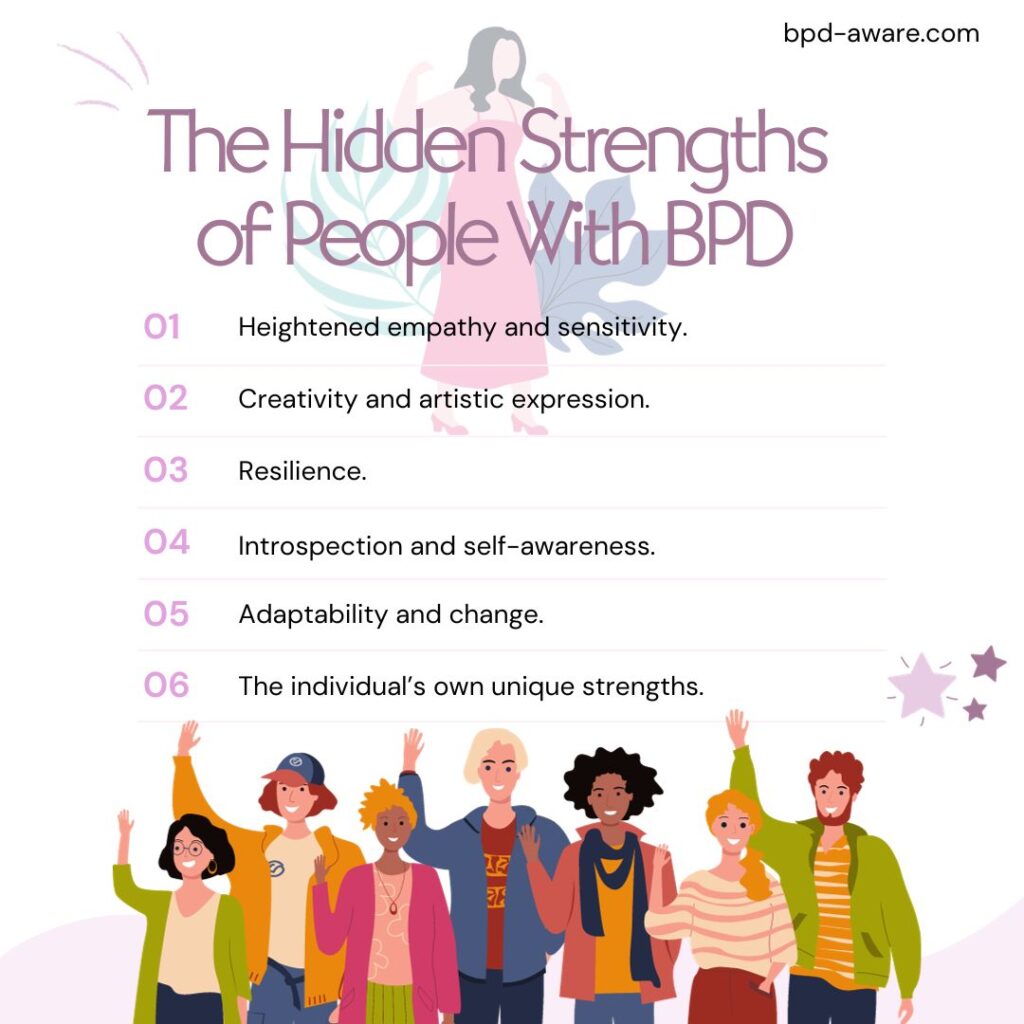
How Positive People Traits Reveal Hidden Strengths and Potential
Positive people traits serve as reliable indicators of underlying psychological capacities known as hidden strengths. These traits, such as optimism, empathy, and curiosity, are not merely surface-level behaviors; they represent functi...
Positive people traits serve as reliable indicators of underlying psychological capacities known as hidden strengths. These traits, such as optimism, empathy, and curiosity, are not merely surface-level behaviors; they represent functional cognitive and emotional frameworks that allow individuals to navigate complex environments, solve problems creatively, and maintain high levels of resilience in challenging circumstances.
Contents
The identification of hidden strengths through positive traits has moved from the periphery of psychology to the center of professional development and organizational strategy. As we navigate the landscape of 2026, the ability to decode these traits is essential for leadership, team building, and personal growth. By understanding that a "positive attitude" is often a symptom of high-level cognitive flexibility or strategic foresight, we can better align our innate talents with our external goals.
The Intersection of Personality Traits and Latent Capabilities
To understand how positive traits reveal hidden strengths, one must first distinguish between a trait and a strength. A trait is a consistent pattern of thought, feeling, or behavior. A strength is a pre-existing capacity for a particular way of behaving, thinking, or feeling that is authentic and energizing to the user.
In the context of positive psychology—a field significantly influenced by the work of Martin Seligman and Christopher Peterson—positive traits act as the "outward expression" of internal "character strengths." For example, someone who consistently exhibits the trait of humor often possesses the hidden strength of perspective. Their ability to find levity in stressful situations suggests an underlying cognitive capacity to reframe problems and view them from multiple angles, a vital skill in crisis management.
This connection is rooted in neurobiology. Positive traits often correlate with higher levels of neuroplasticity and executive function. When an individual displays curiosity, they are not just "interested" in a topic; they are demonstrating a high-functioning reward system that prioritizes information seeking. This hidden strength, known as cognitive agility, allows them to synthesize disparate pieces of information more effectively than those who lack that specific trait.
Mapping Common Positive Traits to Hidden Core Strengths
Understanding the specific mapping between an observable trait and its hidden counterpart allows for more precise personal development. Below are several primary positive traits and the specific, high-value strengths they frequently conceal.
Optimism as Strategic Foresight
Optimism is frequently misunderstood as a naive belief that things will simply "work out." However, psychological research indicates that authentic optimism is a manifestation of strategic foresight and agency. Optimistic individuals possess a "learned optimism" that allows them to view setbacks as temporary and specific rather than permanent and pervasive.
This hidden strength enables them to engage in more effective risk assessment. Because they believe a positive outcome is possible, they are more likely to invest the effort required to identify the specific path to that outcome. In a professional setting, this reveals a capacity for long-term planning and the ability to maintain momentum during market volatility or project delays.
Empathy as Relational Intelligence and Systems Thinking
While empathy is often categorized solely as an emotional trait, it reveals a deep hidden strength in relational intelligence and social systems thinking. An empathetic person is essentially running a high-level simulation of another person’s internal state. This requires significant cognitive resources and an ability to process complex, non-verbal data.
The hidden strength here is the ability to navigate complex social hierarchies and mediate conflict. Empathetic individuals can often sense the "ripples" in a team’s dynamic before they become overt problems. This makes them exceptional at organizational design and stakeholder management, as they naturally account for the human variable in any strategic equation.
Curiosity as Rapid Adaptability
Curiosity is the outward signal of intellectual humility and rapid adaptability. A person who is constantly asking "why" or "how" is revealing that their ego is not tied to "knowing the answer" but rather to the process of learning.
In the fast-paced technological environment of 2026, curiosity is perhaps the most critical hidden strength. It reveals an individual's capacity for continuous upskilling. While others may resist change due to a fear of the unknown, the curious individual is energized by it. This trait indicates a hidden talent for identifying emerging trends and pivoting strategies before they become obsolete.
Patience as Analytical Depth
Patience is often mistaken for passivity. In reality, the trait of patience reveals a hidden strength of analytical depth and impulse control. Patient individuals are capable of "holding the tension" of an unsolved problem without rushing to a premature or suboptimal conclusion.
This strength is vital in fields requiring high-precision decision-making, such as data science, legal strategy, or engineering. A patient person is often performing a more thorough internal audit of possibilities, ensuring that when they finally act, the action is backed by comprehensive reasoning.
The Science of Strength Identification in 2026
The methodology for identifying these strengths has evolved. We no longer rely solely on self-reporting. Modern psychometric assessments, such as the updated VIA Survey of Character Strengths, provide a data-driven framework for connecting behavior to capability.
In 2026, the "Strength-Based Approach" has become the standard in executive coaching. Instead of focusing on "fixing weaknesses," which often yields only marginal improvements, coaches focus on "amplifying hidden strengths." Research from the Gallup Organization continues to show that individuals who use their strengths every day are six times more likely to be engaged in their jobs and three times more likely to report having an excellent quality of life.
Comparison Table: Outward Traits vs. Internal Strengths
| Observable Positive Trait | Revealed Hidden Strength | Practical Professional Application |
|---|---|---|
| Enthusiasm/Zest | Energy Management | Driving team morale during high-intensity "sprint" cycles. |
| Fairness | Objective Evaluation | Unbiased auditing of processes and equitable resource allocation. |
| Gratitude | Contextual Awareness | Identifying non-obvious resources and building strong loyalty. |
| Humility | Authentic Leadership | Creating "psychological safety" within teams to foster innovation. |
| Prudence | Risk Mitigation | Preventing "groupthink" and identifying fatal flaws in logic. |
| Self-Regulation | Emotional Stability | Maintaining operational integrity under extreme environmental pressure. |
Identification Framework: How to Uncover Your Own Hidden Strengths
Uncovering hidden strengths requires a shift from observing what you do to analyzing why and how you do it. The following framework can help bridge the gap between your positive traits and your latent capabilities.
- Identify "Flow" States: Look for activities where you lose track of time. The positive traits you exhibit during these periods—such as intense focus or creative playfulness—are direct windows into your hidden strengths.
- Analyze Peer Feedback: Often, our strengths are "hidden" from us because they come so naturally we assume everyone can do them. Ask colleagues which specific "positive" qualities they rely on you for. If they say you are "always calm," your hidden strength is likely emotional regulation or de-escalation.
- The "Energy Test": Distinguish between a skill and a strength. You might be good at accounting (a skill), but it drains you. You might be good at storytelling (a trait), and it energizes you. The activities that leave you feeling empowered rather than depleted are where your hidden strengths lie.
- Examine Your Reactions to Adversity: How do you act when a plan fails? If your immediate reaction is to look for a "silver lining," you aren't just being "nice"—you are utilizing a hidden strength in resilience engineering.
Challenges in Strength Identification: The Shadow Side
It is important to note that any strength, when overused or applied in the wrong context, can become a liability. This is often referred to as the "shadow side" of a strength.
- Overused Empathy: Can lead to emotional burnout or an inability to make tough, necessary decisions (compassion fatigue).
- Overused Optimism: Can result in "toxic positivity," where genuine risks are ignored or silenced.
- Overused Curiosity: May lead to a lack of focus, where an individual "chases squirrels" instead of finishing a primary task.
Effective strength management involves "tuning" these traits. The goal is not to maximize every positive trait but to optimize them for the specific demands of your environment. In 2026, the concept of Optimal Strength Use is taught as a form of "situational intelligence," where individuals learn to dial their strengths up or down based on the context.
Frequently Asked Questions
How do I distinguish between a temporary mood and a core positive trait?
A core trait is consistent across different environments (work, home, social) and persists over time. A mood is reactive to specific external stimuli. To identify a core trait, look for patterns that have existed for at least six months and appear in varied situations.
Can a "negative" trait hide a positive strength?
Yes. This is known as "strength misapplication." For example, someone who is perceived as "stubborn" (negative) might actually possess a hidden strength of unwavering perseverance. The key is to redirect the energy of the trait into a more productive outlet.
Why is there a focus on "hidden" strengths rather than obvious ones?
Obvious strengths are usually skills we have been trained in. Hidden strengths are innate psychological capacities. Because they are innate, they have a much higher "ceiling" for growth and provide a more sustainable competitive advantage in the workplace.
Is it possible to develop a new hidden strength?
While core strengths are largely stable, you can develop the "traits" associated with them through intentional practice, which eventually strengthens the underlying neural pathways. This is the core principle of neuroplasticity: your brain physically changes in response to repeated behavior.
How often should I reassess my character strengths?
A formal reassessment every 12 to 18 months is recommended. While your core identity remains relatively stable, major life transitions—such as a career change, moving to a new country, or taking on a leadership role—can cause different latent strengths to move to the foreground.
Moving Forward: Activating Your Strengths
Once you have identified the hidden strengths revealed by your positive traits, the next step is intentional activation. Knowledge of a strength is useless without an environment that allows for its application.
If you have identified strategic foresight (revealed by your optimism), seek out roles in long-range planning or research and development. If you have identified systems thinking (revealed by your empathy), volunteer for cross-departmental committees where understanding different perspectives is a requirement for success.
The ultimate goal of revealing hidden strengths is to achieve "congruence"—a state where your external actions are a perfect reflection of your internal capabilities. In the complex world of 2026, authenticity is the highest form of professional currency. By decoding your positive traits, you unlock the specific tools you need to contribute at your highest possible level.
Image Gallery