Is Mortgage Life Insurance Worth It in Canada?
For most Canadians in 2026, mortgage life insurance is generally not worth the cost when compared to individual term life insurance. While it offers convenience and "no-medical" options, its declining payout, lack of portability, and t...
For most Canadians in 2026, mortgage life insurance is generally not worth the cost when compared to individual term life insurance. While it offers convenience and "no-medical" options, its declining payout, lack of portability, and the fact that the lender—not your family—is the beneficiary make it a less flexible and often more expensive financial product.
Contents
Mortgage life insurance (MLI) is a specialized product offered by Canadian banks and credit unions at the time of your mortgage approval. Its primary function is simple: if you or a co-borrower passes away, the insurance company pays the remaining balance of your mortgage directly to the lender. On the surface, this provides a safety net that ensures your family can remain in their home. However, as financial literacy in Canada has evolved, more homeowners are questioning whether this "point-of-sale" convenience outweighs the long-term benefits of more traditional insurance products.
To determine if mortgage life insurance is worth it for your specific situation in 2026, you must understand how the product is structured, how it differs from term life insurance, and the specific risks associated with "post-claim underwriting."
How Mortgage Life Insurance Works in Canada
When you sign your mortgage documents at a major Canadian institution like RBC, TD, BMO, or Scotiabank, you are almost always offered mortgage protection. This is often bundled with disability or critical illness insurance. If you opt-in, the premium is added directly to your monthly mortgage payment.
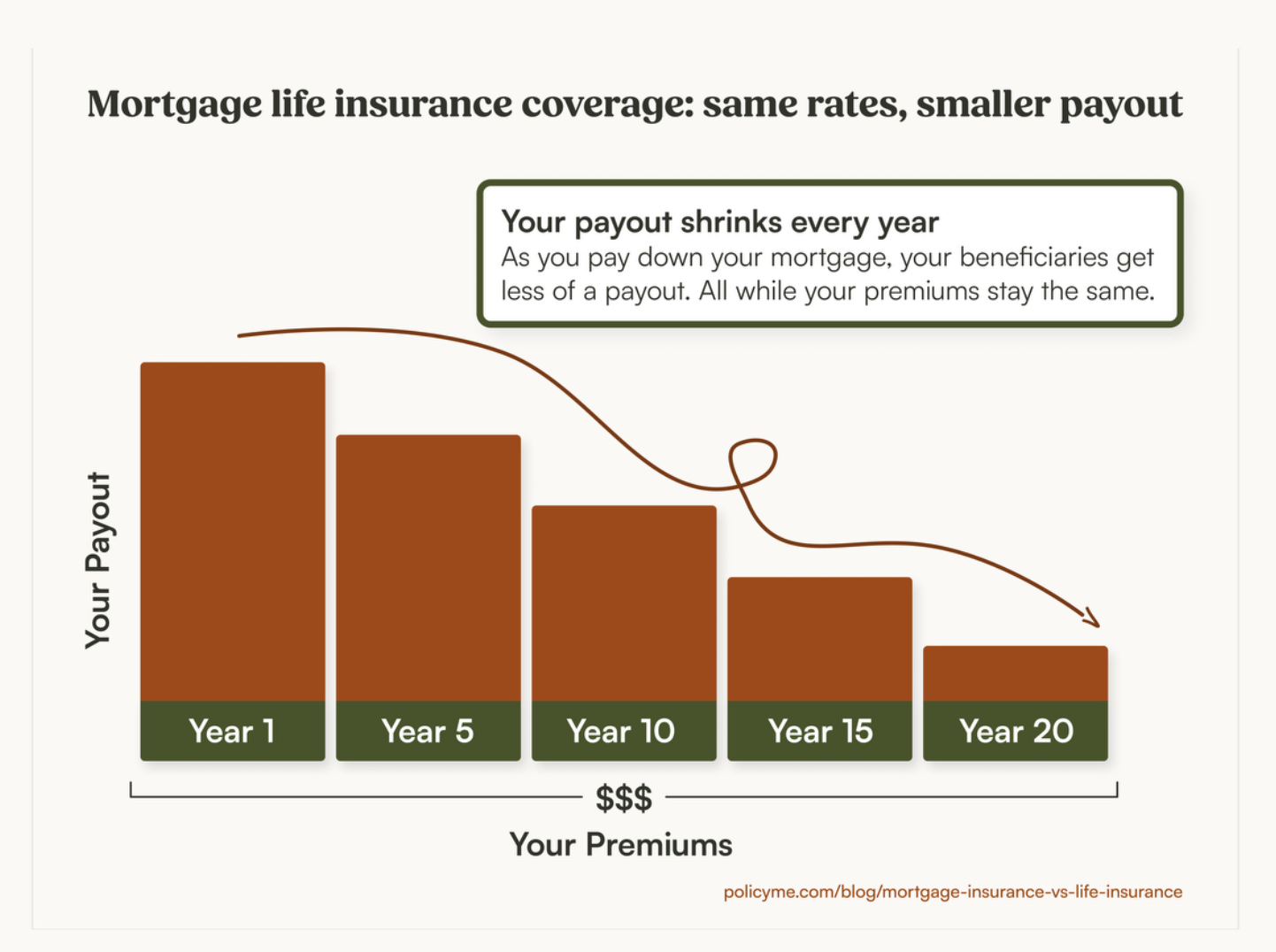
The mechanism of MLI is unique. The "face value" of the policy is tied directly to your mortgage balance. As you make payments and your mortgage principal decreases, the potential insurance payout also decreases. Despite this shrinking benefit, your monthly premium typically remains the same throughout the term of the mortgage. This creates a scenario where you are paying the same price for less coverage every single year.
Furthermore, mortgage life insurance is a group policy. The bank is the policyholder, and you are simply an insured member of that group. This distinction is legally significant because it limits your control over the policy. Because the bank owns the policy, they are also the sole beneficiary. The money never touches the hands of your heirs; it goes straight to the bank's coffers to clear the debt.
Mortgage Life Insurance vs. Term Life Insurance
To understand the value proposition, a direct comparison with term life insurance is necessary. Term life insurance is an individual policy you purchase through an insurance broker or directly from a provider like Canada Life, Sun Life, or Manulife.
Beneficiary Control
In a mortgage life insurance policy, the lender is the beneficiary. If you die, the mortgage is paid off, and that is the end of the transaction. With term life insurance, you name your own beneficiaries (such as a spouse or children). They receive the full death benefit in cash and can decide how to use it. While they might choose to pay off the mortgage, they might also need that money for property taxes, renovations, tuition, or daily living expenses. This flexibility is a cornerstone of modern Canadian financial planning.
Portability and Flexibility
One of the most significant drawbacks of MLI is its lack of portability. In the competitive Canadian mortgage market of 2026, it is common for homeowners to switch lenders at the end of a five-year term to secure a lower interest rate. If you have mortgage life insurance and you switch lenders, your coverage ends. You must re-apply with the new lender at your current age, which will likely result in higher premiums. If you have developed a health condition in those five years, you may even be denied coverage.
Conversely, a term life insurance policy is yours to keep regardless of who holds your mortgage. You can switch banks, sell your house, or move across the country, and your coverage remains intact as long as you pay the premiums.
Coverage Payout Structure
As mentioned, MLI coverage declines as your mortgage balance goes down. Term life insurance provides a "level" death benefit. If you buy a $500,000 term policy, the payout is $500,000 on day one and remains $500,000 on the last day of the term, regardless of how much you owe on your home.
| Feature | Mortgage Life Insurance (MLI) | Term Life Insurance |
|---|---|---|
| Beneficiary | The Lender (Bank) | Your chosen heirs |
| Payout Amount | Declines as mortgage is paid | Remains level/fixed |
| Portability | Ends if you switch lenders | Follows you regardless of lender |
| Premiums | Usually fixed for the term | Fixed for the term |
| Underwriting | Often "Post-Claim" (at death) | "At Application" (upfront) |
| Medical Exam | Usually not required (simple questions) | Often required (depending on age/amount) |
The Danger of Post-Claim Underwriting
A critical technical detail that many Canadians overlook is how MLI policies are underwritten. Most individual life insurance policies use "front-end underwriting." This means the insurance company evaluates your health, medical records, and lifestyle before they issue the policy. Once you are approved, you have the peace of mind that the policy is valid.
Many mortgage life insurance products sold at banks use "post-claim underwriting." When you apply at the bank, you may only be asked 3 to 5 simple health questions. The bank issues the coverage immediately. However, the insurance company does not actually investigate your medical history until after you die and a claim is filed.
If they discover that you inadvertently answered a question incorrectly or failed to disclose a seemingly minor pre-existing condition, they can deny the claim entirely. This leaves the grieving family with no payout and a mortgage they may not be able to afford. The Financial Consumer Agency of Canada (FCAC) has previously highlighted the importance of understanding these terms to avoid such devastating surprises. You can find more about your rights as a financial consumer on the official FCAC website.
When is Mortgage Life Insurance Worth It?
Despite the drawbacks, there are specific scenarios where MLI is the better, or only, option.
- Severe Health Issues: If you have chronic health conditions that make you uninsurable in the traditional market, the "simplified" questions of a mortgage life insurance application might be your only way to get coverage. Since there is often no full medical exam, those who would be rejected for term life insurance can sometimes find protection here.
- Interim Coverage: If you are in the process of buying a home and haven't had time to meet with a broker for a full life insurance policy, taking the bank's insurance for a few months provides immediate protection. You can cancel it once your individual policy is in place.
- Small Mortgages or Short Terms: For a very small mortgage balance or a homeowner who only intends to hold the debt for a year or two, the convenience of the bank’s product might outweigh the effort of a full medical underwriting process.
Cost Comparison in the 2026 Market
In 2026, the Canadian insurance market has become more segmented. Generally, if you are a non-smoker in relatively good health, term life insurance will be significantly cheaper than mortgage life insurance.
Banks charge "group rates" that are calculated to cover a wide range of risks. This means that healthy individuals essentially subsidize the cost for those with higher health risks. By getting an individual term policy, you are rated based on your own health, often resulting in premiums that are 30% to 50% lower than the bank's offering for the same amount of initial coverage.
Common Mistakes to Avoid
When navigating mortgage protection, Canadian homeowners often fall into these traps:
- Assuming it’s Mandatory: Banks cannot legally require you to buy their life insurance to get a mortgage. They can require that you have life insurance, but you are free to use an existing or new individual policy.
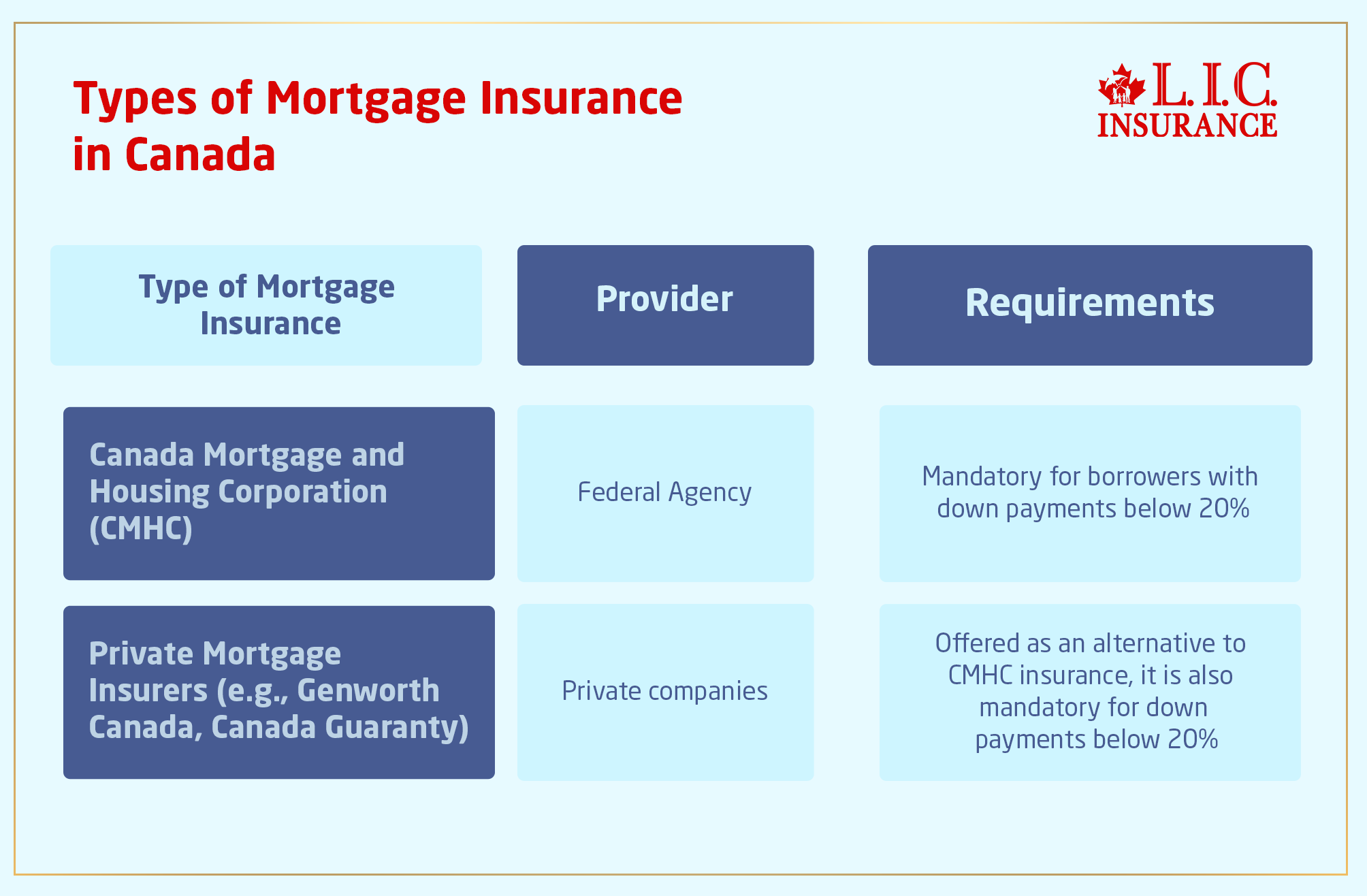
- Confusing it with CMHC Insurance: Mortgage life insurance is NOT the same as mortgage default insurance (CMHC/Sagen/Canada Guaranty). Default insurance protects the bank if you stop making payments; it does not pay off your house if you die.
- Neglecting the "Free Look" Period: Most insurance products in Canada come with a 10-to-30-day "free look" period. You can sign up for the bank's insurance to be safe, then cancel it within that window for a full refund once you have compared it with other quotes.
Frequently Asked Questions
Can I cancel my mortgage life insurance at any time?
Yes. You can cancel your mortgage life insurance policy at any time without penalty. Unlike the mortgage contract itself, the insurance is a secondary product. If you find a better term life insurance policy, you can simply notify your bank to stop the premiums.
Does mortgage life insurance cover both spouses?
Most bank policies offer "joint" coverage. However, it is usually "first-to-die" coverage. This means the policy pays off the mortgage when the first spouse passes away, and then the policy terminates. The surviving spouse is then left with no insurance coverage for themselves, which can be a problem if they still have other financial needs.
Is the payout from mortgage life insurance taxable in Canada?
No. In Canada, life insurance death benefits—including those from mortgage life insurance—are generally paid out tax-free to the beneficiary. However, since the beneficiary is the bank, you never see the cash; the "benefit" is simply the removal of the debt.
What happens if I pay off my mortgage early?
If you pay off your mortgage or reach the end of your amortization, the mortgage life insurance policy simply ends. There is no "cash value" or refund of premiums. This is another reason many prefer term life insurance, as you can choose to keep the coverage even after the house is paid off to provide a legacy for your family.
Are there any hidden fees with mortgage life insurance?
Usually, there are no hidden fees, but there is a "hidden cost" in the form of opportunity cost. Because the premiums stay level while the benefit drops, your "cost per $1,000 of coverage" increases every single month.
Final Recommendation: Next Steps for Homeowners
If you are currently looking at a mortgage approval in 2026, the most prudent course of action is to compare before you commit.
- Get a Quote: Ask your bank for the exact monthly cost of the mortgage life insurance they are offering.
- Consult a Broker: Contact an independent insurance broker to get a quote for a 20-year or 25-year term life insurance policy for the same amount.
- Evaluate Health: If you are in good health, the term policy will almost certainly offer better value, more control, and lower premiums.
- Check Portability: If you plan on shopping around for a new mortgage rate in five years, avoid the bank’s insurance to ensure you aren't trapped by your health status later.
For the vast majority of Canadians, term life insurance is the superior choice, providing comprehensive protection that stays with the family rather than the financial institution.
Image Gallery