Buccaneers Stadium Capacity Unveiled: A Comprehensive Analysis of Raymond James Stadium
Raymond James Stadium, the iconic home of the Tampa Bay Buccaneers, has maintained a flexible seating capacity that generally fluctuates between 65,000 and 75,000 spectators depending on the specific configuration of the event. While o...
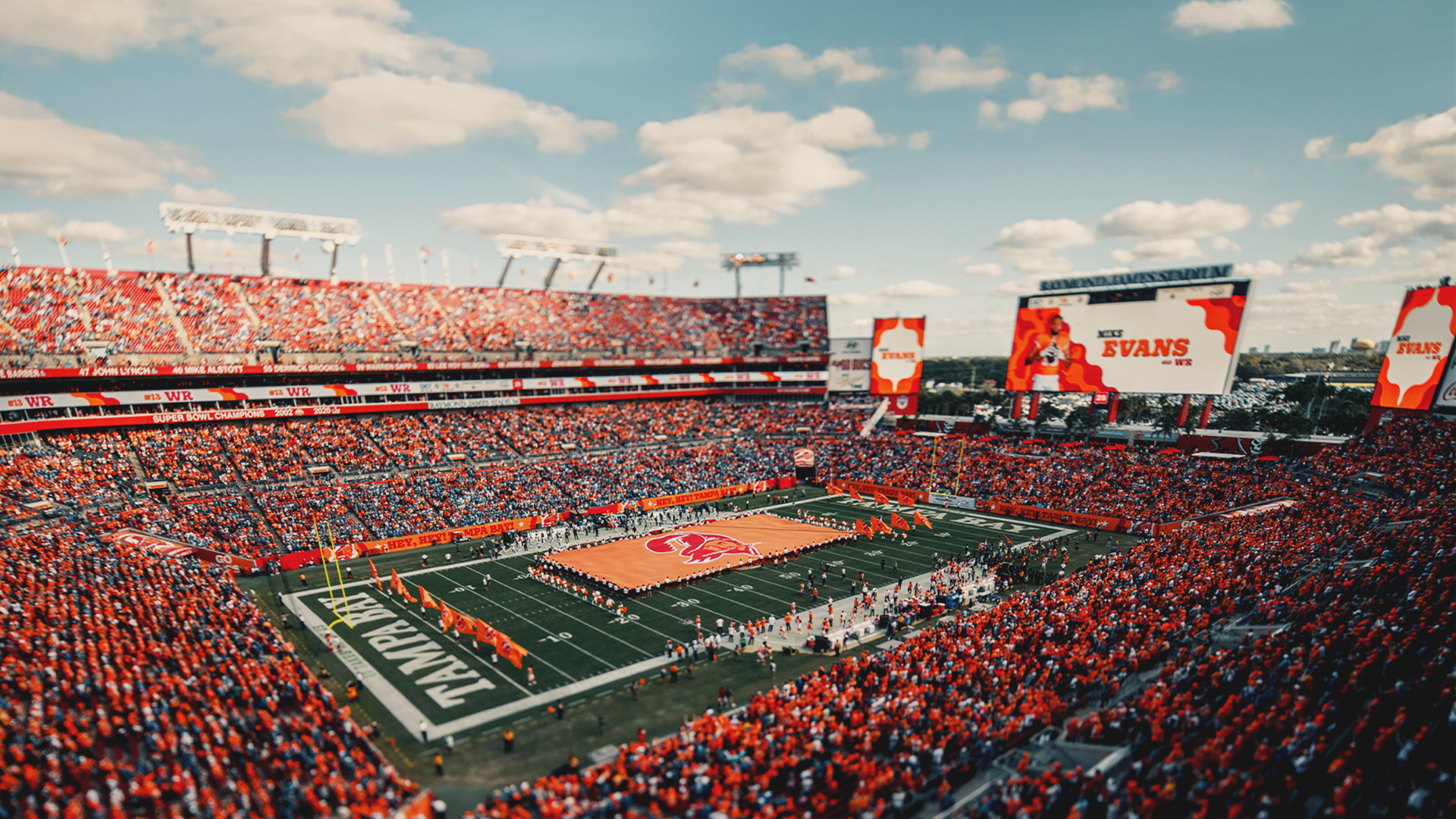
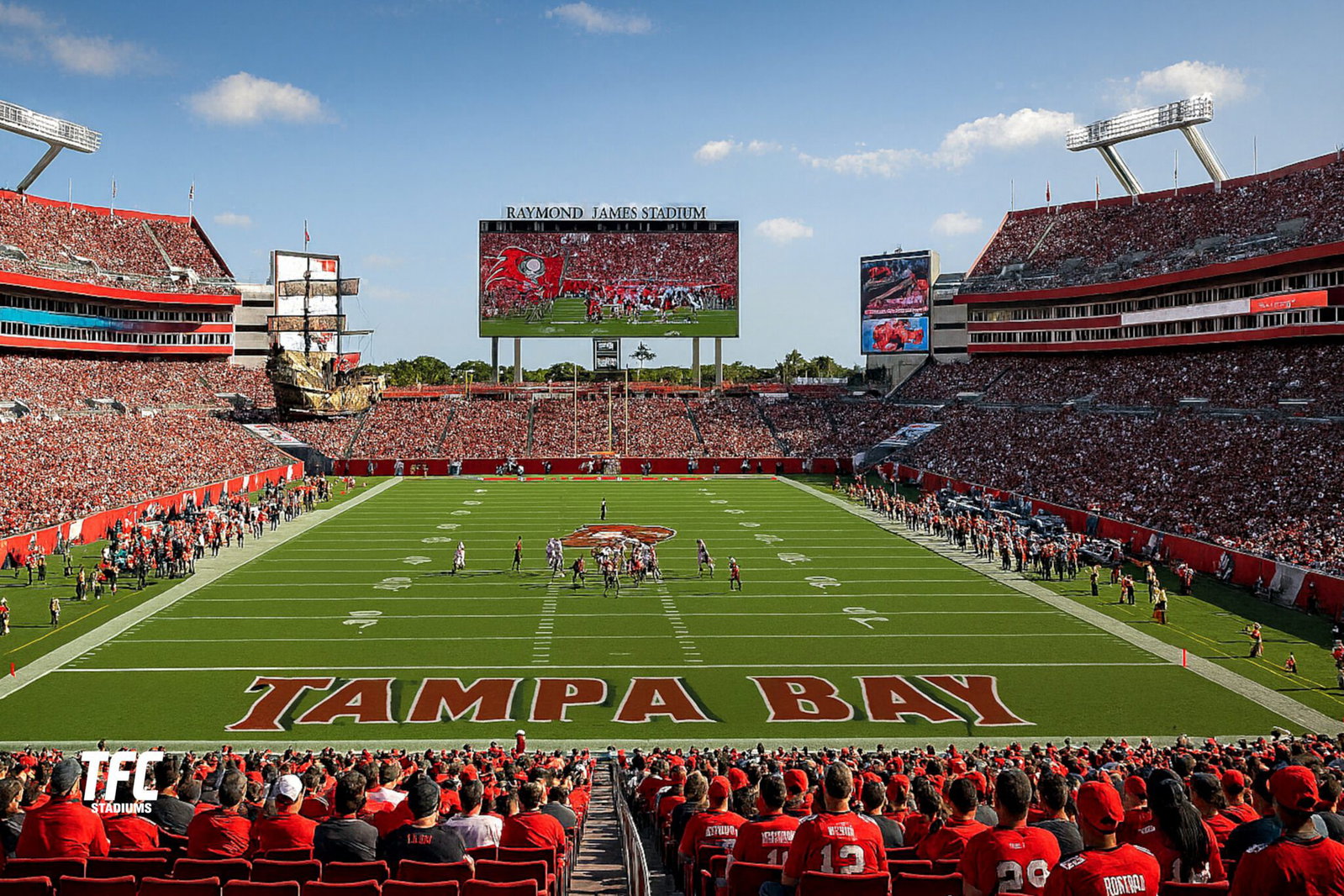
Raymond James Stadium, the iconic home of the Tampa Bay Buccaneers, has maintained a flexible seating capacity that generally fluctuates between 65,000 and 75,000 spectators depending on the specific configuration of the event. While often discussed in round numbers, the stadium’s operational capacity is a dynamic figure adjusted for NFL games, concerts, and major collegiate events like the ReliaQuest Bowl.
Contents
Understanding the Dynamics of Stadium Capacity
The term "capacity" in the context of professional sports venues is rarely a single, static integer. For the Tampa Bay Buccaneers, the official capacity of Raymond James Stadium is engineered to be modular, shifting based on seating requirements for specific events. In its standard configuration for National Football League (NFL) games, the venue is officially listed with a base capacity of approximately 65,890. However, this figure is subject to expansion through the use of temporary seating and the modification of premium areas.
When the stadium hosts high-demand events—such as the Super Bowl or marquee playoff games—the capacity can be expanded to upwards of 75,000. This is achieved by installing additional seating units in the end zones and maximizing the utilization of club-level standing room and luxury suite capacities. Understanding these fluctuations requires a look at how venue managers categorize seating: permanent fixed seating, premium suite allotments, and flexible event-specific configurations.
Historical Context and Structural Evolution
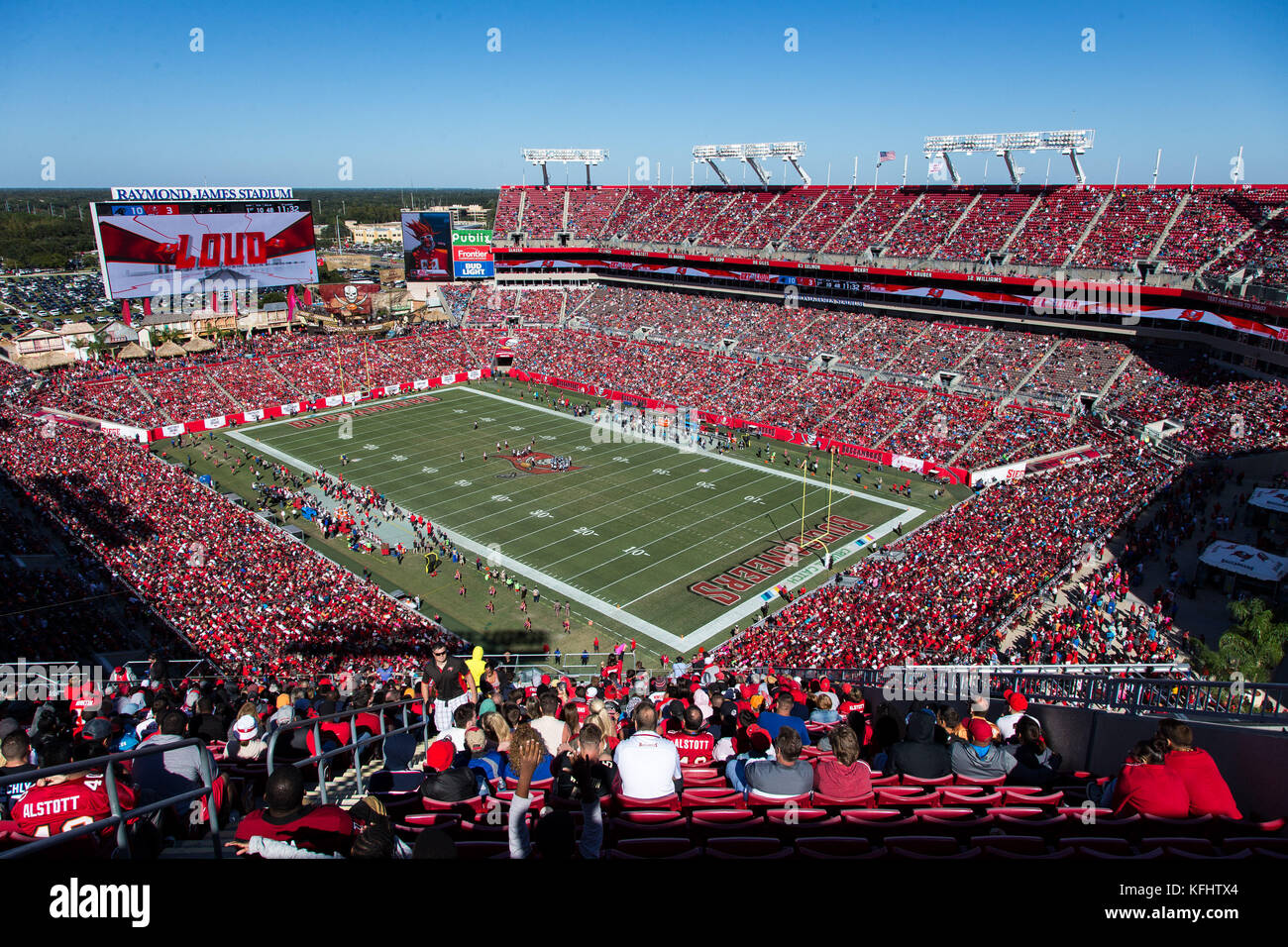
Since its opening in 1998, replacing the older Tampa Stadium, Raymond James Stadium has undergone several significant renovations. The original design prioritized sightlines and the integration of the now-famous 103-foot-long pirate ship located in the north end zone. Over the years, ownership and stadium management have invested in technological upgrades, including high-definition videoboards that have occasionally displaced limited seating sections, while simultaneously upgrading the quality of premium seating areas.
The most notable recent transformations occurred in the lead-up to the 2021 season, as the team prepared to host Super Bowl LV. These renovations focused on the "fan experience," which often involves a trade-off between total seat count and the square footage allocated to fan comfort. As luxury amenities and social gathering spaces increase in footprint, the total count of individual seats can sometimes decrease, even as the "total capacity" (including standing-room-only tickets) remains robust.
Capacity Breakdown by Seating Tier
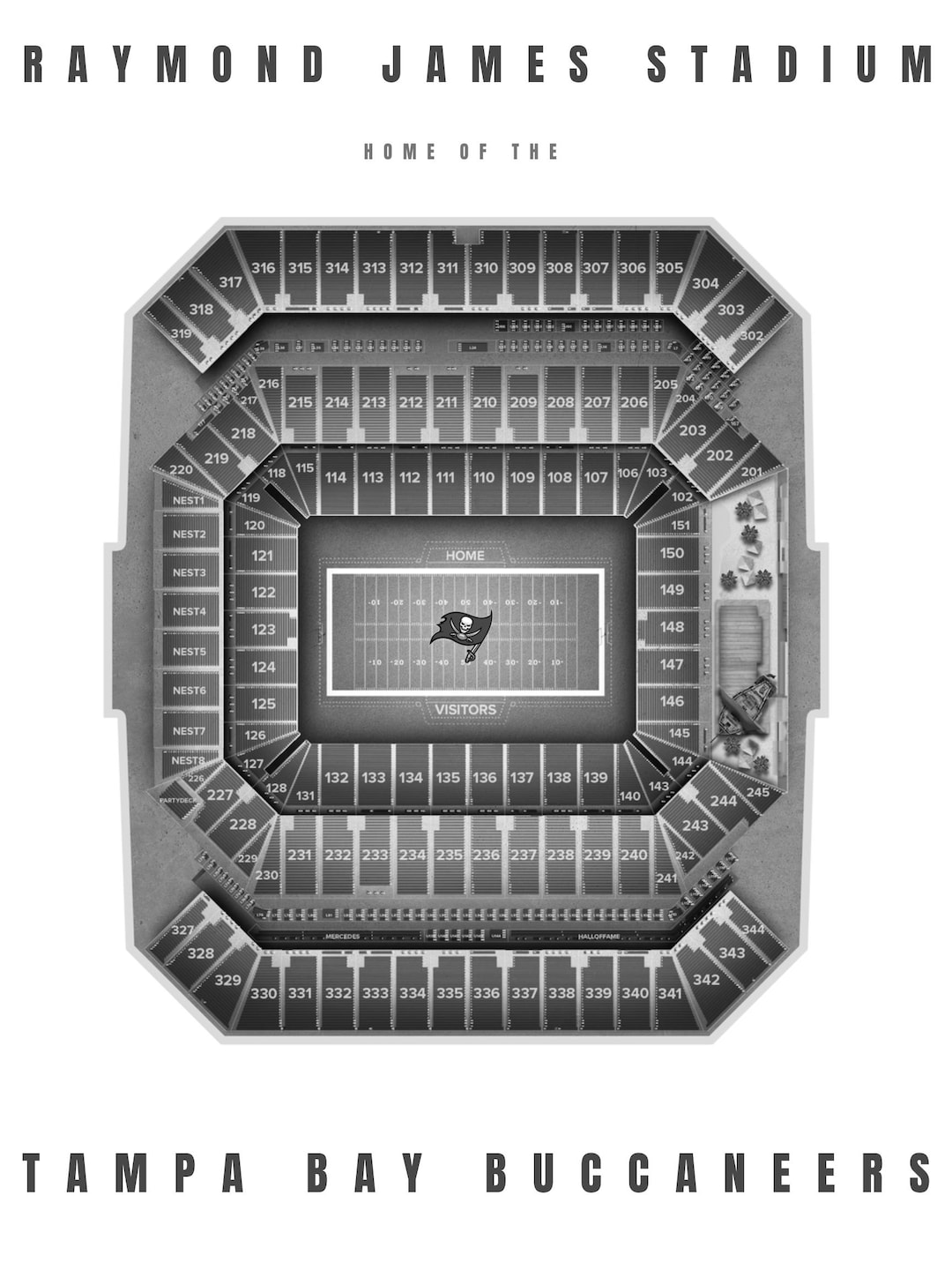
To grasp the complexity of the stadium's capacity, one must look at how the tiers are distributed. The venue is divided into several distinct levels, each serving a different commercial and functional purpose.
| Seating Tier | Estimated Capacity Range | Primary Function |
|---|---|---|
| Lower Bowl | 30,000 – 35,000 | General Admission / Premium Lower |
| Club/Suite Level | 8,000 – 12,000 | High-end Hospitality / VIP |
| Upper Bowl | 20,000 – 25,000 | General Admission |
| Standing Room/Misc | 2,000 – 5,000 | Event-Specific Flexibility |
The Role of Premium Seating
Premium seating serves as a critical revenue stream for the Buccaneers. This includes the luxury suites, the Hall of Fame clubs, and the specialized lounges introduced during recent renovations. These areas are not just about seat count; they are about square footage. When an event requires maximum attendance, management can convert certain hospitality lounges into semi-restricted seating or standing-room zones, which helps push the total capacity toward the upper limits of the facility’s fire code occupancy ratings.
Standing Room and Future Flexibility
In 2026, the trend in stadium design continues to lean toward "social areas" rather than traditional rows of fixed seating. The Buccaneers have embraced this shift by creating areas where fans can congregate rather than remain confined to a single seat. While this may lower the number of individual chairs bolted to the concrete, it often keeps the total capacity stable, as a larger number of spectators can occupy these communal spaces than could fit in traditional stadium seating rows.
Factors Influencing Official Attendance Figures
Beyond the physical limitations of the concrete and steel, several operational factors dictate the final attendance figure for any given Buccaneers game.
- Safety and Egress Regulations: Local fire marshals and safety inspectors set the absolute hard ceiling for how many people can safely occupy the stadium at once. This includes not just the ticketed fans, but also the staff, security, media, and stadium operations personnel.
- Media and Broadcasting Needs: For nationally televised games, the footprint required for camera platforms, production equipment, and broadcast crews can consume dozens of seats in high-value locations.
- League-Mandated Requirements: The NFL often requires specific seating zones to be cordoned off or dedicated to league partners and traveling teams, which reduces the number of seats available for general public sale.
- Demand-Based Configuration: If ticket sales for a non-premium event are lower than anticipated, sections in the upper decks may be tarped off to create a more intimate atmosphere, effectively lowering the "operational" capacity for that specific day.
Comparing Raymond James to NFL Standards
When compared to other NFL venues, Raymond James Stadium sits comfortably in the middle of the pack. Modern "megastadiums" like SoFi Stadium in Los Angeles or Allegiant Stadium in Las Vegas are built with expansive footprints that allow for higher capacities than older facilities. However, Raymond James remains highly effective because of its design efficiency. The "unveiled" nature of its capacity—meaning the clarity with which it is communicated to the public—helps fans understand the scarcity of tickets for high-profile games.
For those planning to attend a game in 2026, it is vital to recognize that the advertised capacity is a theoretical maximum. A sold-out game is rarely at the absolute physical limit of the stadium’s code-based capacity due to the aforementioned operational and production requirements.
FAQ: Buccaneers Stadium Capacity
How does the capacity change for events like the Super Bowl? The capacity increases primarily through the addition of temporary seating in the end zones and the utilization of every available standing-room-only space, often pushing the attendance closer to the 75,000 mark.
Are the "pirate ship" areas counted toward capacity? The pirate ship and its surrounding areas are largely experiential zones. While fans may occupy these spaces, they are generally not considered part of the traditional "fixed seat" capacity, though they do count toward the venue’s total fire code occupancy.
Does a "sold-out" game mean the stadium is at maximum capacity? Not necessarily. A "sell-out" indicates that all tickets designated for public sale have been purchased. However, due to blocked-off seats for media, broadcast infrastructure, and private club operations, the actual attendance may be slightly lower than the theoretical maximum capacity of the stadium.
Can I expect changes to capacity in the future? Stadiums undergo periodic updates. As of 2026, the focus for the Buccaneers remains on optimizing the existing footprint. Any future significant changes to capacity would likely involve structural modifications to the upper levels or the expansion of premium, high-density social areas.
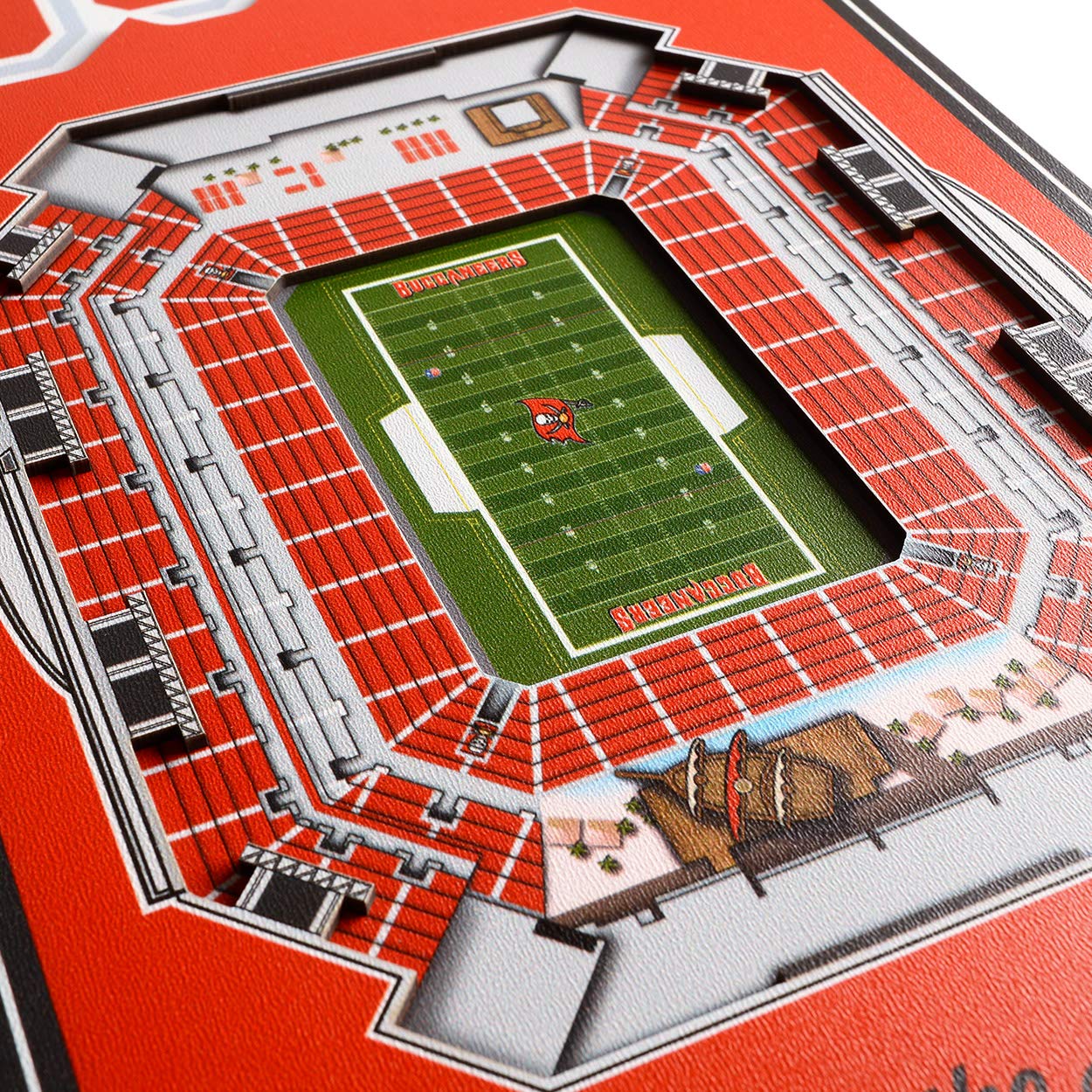
How do I verify the capacity of a specific seat before purchasing? Fans should consult the official Buccaneers ticket portal or the stadium's interactive seating map. These tools provide the most accurate visual representation of where a seat is located relative to the field, helping to differentiate between premium seating, general bowl seating, and restricted-view areas.
Final Recommendation for Attendees
If you are planning to attend a Buccaneers game, focus less on the absolute capacity number and more on the configuration of the ticket you are purchasing. Because the stadium relies on a variety of seating tiers, the best way to secure your spot is to utilize the team’s official ticketing platform early in the season. For the most comfortable experience, target the lower-level sidelines; for a higher-energy experience, the lower-bowl sections near the end zones provide proximity to the team’s signature North End Zone pirate ship. Always check for specific gate entry instructions on your mobile ticket, as these are tailored to the section of the stadium in which you are seated, regardless of the venue's overall capacity.
Image Gallery