How to Pay Property Taxes in Denton County: 2026 Complete Guide
Property owners in Denton County, Texas, must navigate specific deadlines, payment methods, and fee structures managed by the Denton County Tax Assessor-Collector's office to maintain tax compliance and avoid severe statutory penalties...
Property owners in Denton County, Texas, must navigate specific deadlines, payment methods, and fee structures managed by the Denton County Tax Assessor-Collector's office to maintain tax compliance and avoid severe statutory penalties.
Contents
Property tax administration in Denton County is governed by the Texas Property Tax Code. The Denton County Tax Assessor-Collector operates out of the main office in Denton, alongside several branch offices to serve residents across municipalities like Lewisville, Flower Mound, and The Colony. Understanding how assessments are processed, when payments are due, and which processing channels incur the lowest transaction fees will ensure a smooth tax payment experience.
Understanding the Denton County Property Tax Timeline and Deadlines
The annual property tax cycle in Texas follows a strict statutory schedule. Knowing these key milestones helps property owners avoid late fees, interest charges, and potential tax liens on their real or personal property.
- October: Tax statements are typically mailed out by the Denton County Tax Assessor-Collector, reflecting the assessed values provided by the Denton Central Appraisal District (DCAD) combined with local taxing unit tax rates.
- January 31: The standard deadline to pay your property taxes in full without incurring penalties or interest.
- February 1: Penalties and interest begin to accrue immediately for any unpaid accounts, starting at a statutory 7% combined penalty and interest rate for the first month.
- July 1: For accounts still delinquent, additional collection fees or attorney fees (often up to 15-20% under Texas Tax Code Section 33.07 or 33.08) may be added to cover the cost of delinquent tax collection law firms.
Important Delinquency Warning
Never wait until the final hours of January 31 to initiate online or electronic payments. Processing delays, banking holidays, or website traffic surges can push your transaction past midnight, triggering automatic penalties that the county tax office legally cannot waive unless proof of a timely postal cancellation exists.
Available Payment Methods and Processing Fees
Denton County provides multiple secure channels to remit property tax payments. However, payment processors apply distinct convenience fees depending on the selected method. Reviewing these options allows you to choose the most cost-effective route.
| Payment Method | Processing Time | Convenience / Service Fee | Best Used For |
|---|---|---|---|
| E-Check (ACH) | 2 to 3 Business Days | Flat fee (typically $1.00 - $1.50) | Large payments where minimizing transaction fees is a priority. |
| Credit / Debit Card | Instant / Same Day | Percentage-based fee (approx. 2.15% - 2.5% for cards; flat fee for debit) | Last-minute payments or earning credit card rewards. |
| Mail (Check / Money Order) | Received by USPS | Cost of postage | Traditional payers relying on USPS postmark dates. |
| In-Person (Cash / Check) | Immediate | None (Standard payment only) | Cash payers or those requiring immediate receipt validation. |
Step-by-Step Guide to Paying Your Denton County Property Taxes Online
Paying online is the most popular method for Denton County residents. Follow this structured workflow to complete your transaction securely.
- Locate Your Account Information: Retrieve your property tax statement or visit the official Denton County Tax Assessor-Collector property search portal. Have your Property Account Number (e.g., R########) or property address ready.
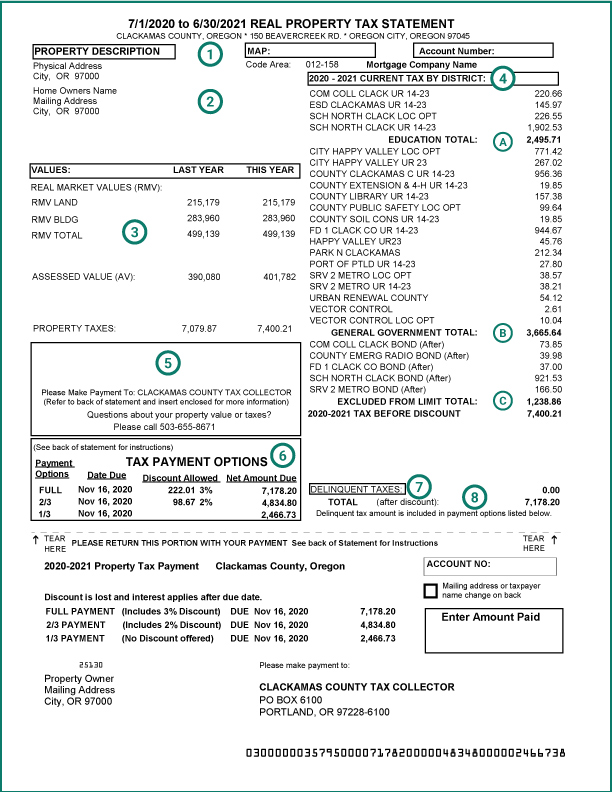
- Verify Assessment Details: Review the current year assessed value, exemptions applied (such as Homestead, Over-65, or Disabled Veteran exemptions), and the breakdown of levies for your specific taxing entities (county, city, school district, emergency services district).
- Select the Payment Amount: Choose whether to pay the full balance, select a partial payment if eligible under a split-payment plan, or verify if you are utilizing a licensed mortgage escrow service.
- Choose Payment Gateway and Enter Details: Select either electronic check (ACH) routing/account numbers or credit/debit card credentials. Double-check all inputs to avoid returned payment fees.
- Authorize and Save Confirmation: Complete the transaction and immediately save or print the payment confirmation receipt containing the transaction ID for your financial records and tax filing verification.
Physical Office Locations and In-Person Payment Options
If you prefer to pay in person or need to submit physical documentation such as tax deferral applications, address changes, or exemption paperwork, you can visit the primary Denton office or one of the regional branch locations.
- Main Denton Office:
- Address: 1503 E. McKinney St., Denton, TX 76209
- Services: Full-service property tax collection, motor vehicle registration, and title services.
- Southwest Branch Office (Lewisville):
- Address: 1025 W. Main St., Lewisville, TX 75067
- Services: Property tax payments and regional vehicle services.
- Colony Branch Office:
- Address: 6801 Main St., The Colony, TX 75056
- Services: Express property tax collection and select county services.
- Flower Mound Office:
- Address: 3951 Long Prairie Rd., Flower Mound, TX 75028
- Services: Property tax processing and county administration.
Ensure you bring a valid government-issued photo ID, your tax statement or account number, and an accepted form of payment (cash, check, cashier's check, or debit/credit card).
Comparing Payment Options: Pros and Cons
Choosing the right payment avenue involves weighing convenience against processing overhead.
- Online Portal Payments
- Pros: Accessible 24/7 from any device; instant electronic confirmation; eliminates travel time.
- Cons: Third-party credit card processing fees can be high for high-value commercial or residential properties.
- Mailed Payments
- Pros: No online convenience fees; allows payment via personal check.
- Cons: Vulnerable to postal delays; the physical postmark date dictates timeliness under Texas law, creating risks if mailed close to the deadline.
- In-Person Payments
- Pros: Direct interaction with county staff; immediate paper receipt; cash acceptance.
- Cons: Requires travel during operating hours; potential wait times during peak deadlines in late January.
Managing Escrow Accounts and Mortgage Companies
Many homeowners utilize mortgage escrow accounts where lenders collect a portion of estimated property taxes monthly through their mortgage payment and disburse the lump sum directly to Denton County before January 31.
- Verify Tax Statement Distribution: Even if your mortgage company pays your taxes, Denton County mails the tax bill to the property owner of record (or directly to the mortgage company if an explicit tax service request is on file). Review your bill to ensure it reflects "Paid by Escrow" or verify directly through your mortgage servicer's online portal.
- Address Discrepancies Early: If your mortgage has been recently sold, refinanced, or transferred, contact both your new loan servicer and the Denton County Tax Office immediately to ensure the tax payment is directed to the correct account and prevent accidental double-payments or missed deadlines.
Frequently Asked Questions About Denton County Property Taxes
What happens if I miss the January 31 property tax deadline?
If payment is not postmarked or electronically submitted by January 31, a 7% penalty and interest charge is applied on February 1. This penalty increases by 2% each month until July 1, when collection attorney fees may also be added to the outstanding balance.
Can I set up a payment plan for my Denton County property taxes?
Yes, certain taxpayers—such as those with over-65, disabled, or disabled veteran exemptions—may qualify for statutory installment payment plans. Standard property owners experiencing financial hardship should contact the tax office immediately to discuss available deferral or installment options under Texas law.
How do I update my mailing address for property tax bills?
Mailing address changes must be submitted in writing to the Denton Central Appraisal District (DCAD), which supplies the official ownership and address rolls to the Denton County Tax Assessor-Collector.
Are partial payments accepted if I cannot pay the full balance at once?
While the tax office encourages full payment to avoid compounding interest, partial payments can be made. However, any remaining unpaid balance after January 31 will continue to accumulate statutory penalties and interest until fully satisfied.
How do I claim a homestead exemption to lower my property taxes?
Homestead exemptions must be filed directly through the Denton Central Appraisal District (DCAD) rather than the Tax Assessor-Collector office. Applications require proof of residency, such as a valid Texas driver's license matching the property address.
Where can I find official lookup tools for property tax records?
You can access official tax ledgers, historical payment records, and current balances through the Denton County Tax Assessor-Collector public property search portal hosted on the official county website.
Practical Recommendations for Timely Payment
To safeguard your financial standing and prevent unnecessary penalties, adopt a proactive approach to managing your Denton County property taxes. Set calendar alerts for early January to verify that your assessment details are accurate and that your online portal login or escrow status is active. Whenever possible, utilize electronic check (ACH) processing well in advance of the January 31 cutoff to minimize transaction costs while ensuring your account is marked paid in full.
Image Gallery