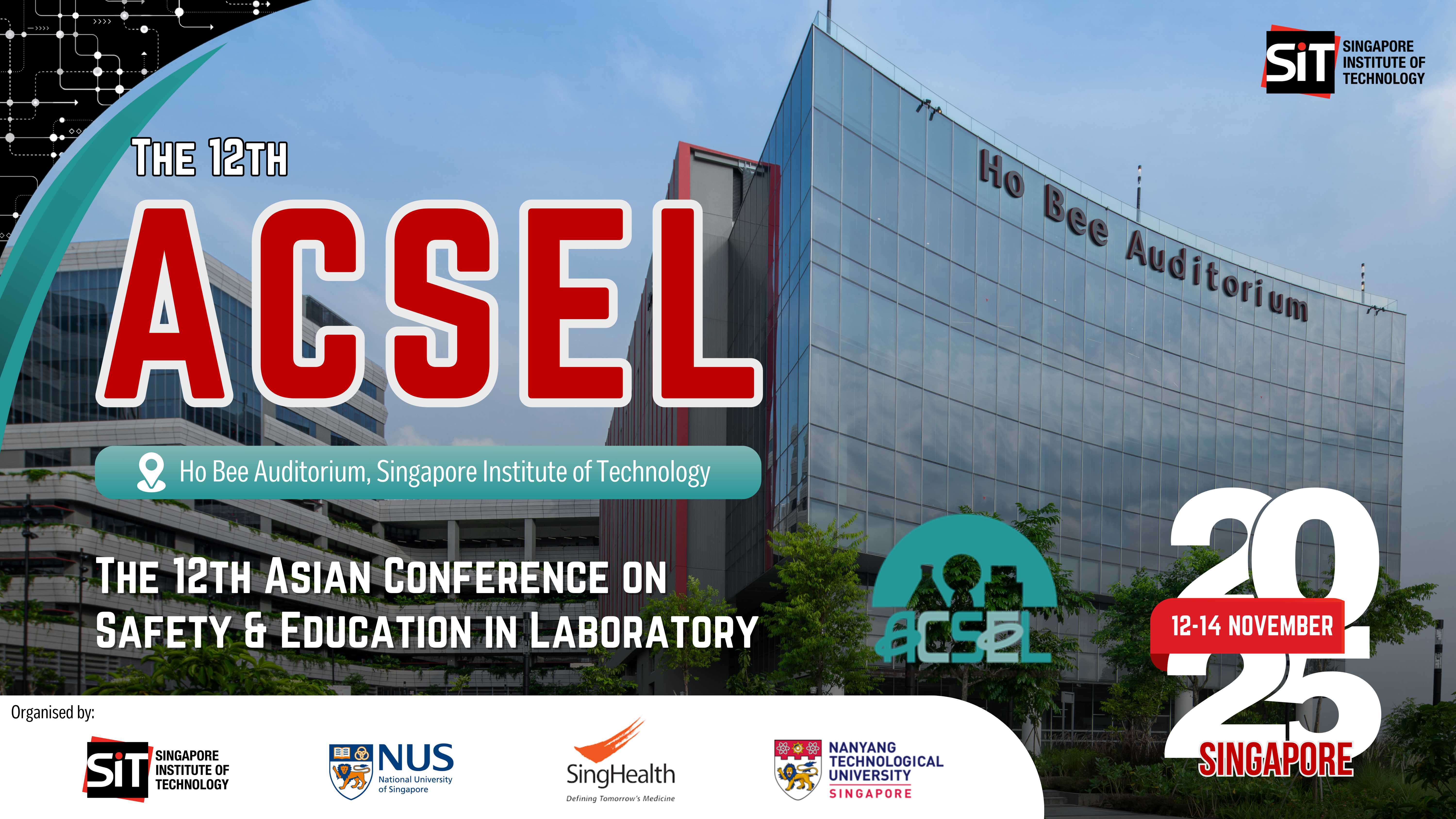
Singapore Institute of Technology: Applied Learning and Industry Integration Guide
The Singapore Institute of Technology (SIT) is Singapore's premier university of applied learning, offering specialized degree programs focused on industry integration, applied research, and work-study pathways. Established to cater to...
The Singapore Institute of Technology (SIT) is Singapore's premier university of applied learning, offering specialized degree programs focused on industry integration, applied research, and work-study pathways. Established to cater to the evolving demands of the economy, SIT collaborates closely with globally recognized overseas universities and local industry partners to equip students with deep professional competencies.
Contents
Navigating higher education options requires a clear understanding of institutional frameworks, admission criteria, and academic pathways. SIT occupies a distinct niche in Singapore's landscape of higher education, shifting away from traditional academic theory toward practical, application-driven pedagogy. This comprehensive guide outlines the academic structure, admissions processes, degree offerings, and institutional benefits of pursuing higher education at the Singapore Institute of Technology.
Core Educational Philosophy and Applied Learning Framework
SIT anchors its educational model in the philosophy of applied learning. Unlike conventional universities that emphasize theoretical research, SIT focuses on bridging classroom concepts with real-world industrial application. This framework relies on a distinct pedagogy that merges rigorous academic instruction with hands-on problem-solving, ensuring graduates are immediately productive upon entering the workforce.
The institution integrates multiple components to maintain its applied focus:
- Applied Degree Programs: Curricula are co-developed and co-taught with industry partners to reflect contemporary market realities.
- Faculty Expertise: A significant portion of the teaching staff possesses extensive industry experience alongside academic credentials.
- Applied Research Centers: Students participate in translational research projects that solve operational challenges faced by corporate partners.
- Interdisciplinary Training: Programs break down traditional academic silos, encouraging collaborative problem-solving across engineering, health sciences, infocomm technology, and design.
Integrated Work-Study Programme (IWSP)
The cornerstone of the SIT educational experience is the Integrated Work-Study Programme (IWSP). Distinct from standard short-term internships, the IWSP is an extended, immersive work attachment that ranges from 8 to 12 months, depending on the degree program. This structure allows students to fully integrate into host organizations, take on meaningful responsibilities, and often complete a capstone project directly applicable to the company's operations.
IWSP Professional Impact: The extended duration of the IWSP ensures that students move beyond observational learning to execute complex tasks, manage projects, and understand corporate culture deeply. Host companies frequently leverage the IWSP as an extended recruitment pipeline, resulting in high rates of graduate job offers prior to commencement.
Key Operational Benefits of IWSP
- Deep Skill Validation: Students apply technical frameworks learned in lectures to live corporate environments, testing the viability of theoretical models.
- Professional Networking: Participants build robust career networks, interacting directly with industry leaders, mentors, and prospective employers.
- Transition Acceleration: Graduates bypass the steep learning curve typically associated with entry-level corporate transitions, reducing onboarding periods.
Academic Clusters and Degree Offerings
SIT organizes its comprehensive program offerings into distinct academic clusters. These clusters align with Singapore's strategic economic pillars, ensuring that academic enrollment matches national workforce demand.
| Academic Cluster | Focus Areas & Industries | Representative Degree Programs |
|---|---|---|
| Engineering (ENG) | Aerospace, mechanical, electrical, and systems engineering | B.Eng. with Honours in Aerospace Engineering, B.Eng. with Honours in Sustainable Infrastructure Engineering |
| Infocomm Technology (ICT) | Cybersecurity, software engineering, digital supply chain | B.Sc. with Honours in Information Security, B.Sc. with Honours in Software Engineering |
| Health and Social Sciences (HSS) | Allied health, nursing, occupational therapy, diagnostic radiography | B.Sc. with Honours in Physiotherapy, B.Sc. with Honours in Diagnostic Radiography |
| Design and Specialized Businesses (DSB) | Hospitality business, air transport management, digital communications | B.A. with Honours in Hospitality Business, B.S.oc.Sc. with Honours in Applied Computing |
| Chemical Engineering and Food Technology (CEFT) | Chemical engineering, food science, biopharmaceutical engineering | B.Eng. with Honours in Chemical Engineering, B.Sc. with Honours in Food Technology |
Admissions Criteria and Application Pathways
Admission to SIT is competitive and holistic, evaluating applicants beyond traditional academic grades. The university assesses cognitive aptitude, domain interest, and relevant practical experiences.
General Eligibility Requirements
- Local Qualifications: Holders of Singapore-Cambridge GCE 'A' Levels, local Polytechnic diplomas, or International Baccalaureate (IB) diplomas are eligible to apply.
- Alternative Qualifications: International qualifications equivalent to local standards are assessed on a case-by-case basis.
- Relevant Work Experience: For specific mid-career or specialized pathways, demonstrated professional experience in a related sector strengthens the application.
The Holistic Admissions Process
- Academic Evaluation: Initial screening based on qualifying examination results or diploma grade point averages (GPA).
- Portfolio and Interviews: Shortlisted candidates undergo multiple-mini interviews (MMI), panel interviews, or practical assessments depending on the program (e.g., healthcare programs require stringent behavioral evaluations).
- Discretionary Admissions: Candidates with exceptional achievements in non-academic domains—such as entrepreneurship, arts, sports, or relevant industry certifications—may be considered through discretionary criteria.
Campus Infrastructure and the Punggol Digital District Evolution
SIT operates across multiple satellite campuses distributed among Singapore's polytechnics, but its central identity anchors on its primary, state-of-the-art campus located within the Punggol Digital District (PDD).
The Punggol campus represents a milestone in smart-campus design. Integrated directly with JTC Corporation's business park, the campus facilitates immediate physical proximity between academia and enterprise. Students and faculty study alongside research and development teams from global tech firms, cybersecurity agencies, and smart-city innovators. Facilities feature smart-building management systems, advanced robotics laboratories, immersive simulation suites for healthcare training, and collaborative maker spaces designed to foster rapid prototyping.
Financial Support, Scholarships, and Bursaries
SIT ensures that financial constraints do not impede access to higher education. A wide array of financial assistance mechanisms exists to support matriculated students.
- Government Subsidies: Singapore Citizens and Permanent Residents benefit from Ministry of Education (MOE) tuition grants, which significantly subsidize baseline program costs.
- Institutional Scholarships: Merit-based scholarships recognize exceptional academic performance, leadership potential, and community engagement.
- Industry-Sponsored Scholarships: Many corporate partners provide full-tuition coverage coupled with guaranteed post-graduation employment bonds.
- Bursaries and Financial Aid: Need-based grants, study loans, and emergency financial assistance schemes support lower-income student demographics.
Comparing SIT with Traditional Autonomous Universities
Understanding the structural differences between SIT and conventional research-intensive universities in Singapore helps prospective students select the most appropriate learning environment.
| Evaluation Metric | Singapore Institute of Technology (SIT) | Traditional Research-Intensive Universities |
|---|---|---|
| Primary Focus | Applied learning, industry-ready skills, professional practice | Academic theory, scientific research, foundational inquiry |
| Mandatory Work Attachment | Integrated Work-Study Programme (IWSP, 8–12 months) | Optional, shorter internships (typically 10–12 weeks) |
| Curriculum Development | Co-designed and co-delivered with industrial sector leaders | Designed primarily by faculty and academic boards |
| Campus Environment | Industry-integrated hubs (e.g., Punggol Digital District) | Self-contained academic campus environments |
| Capstone Projects | Industry-derived problems and commercial operational bottlenecks | Academic research papers and laboratory experiments |
Common Mistakes to Avoid During the SIT Application Process
Applicants often jeopardize their admission prospects by treating SIT applications identically to traditional university submissions. Avoiding common pitfalls ensures a more competitive candidacy.
- Neglecting Relevant Practical Experience: Failing to highlight co-curricular activities, internships, or personal projects that demonstrate hands-on aptitude in the chosen field.
- Underpreparing for Interviews: Treating institutional interviews as mere formalities rather than rigorous assessments of professional motivation and communication skills.
- Misunderstanding Program Prerequisites: Applying for specialized engineering or health science degrees without fulfilling foundational mathematics or science subject requirements.
- Generic Personal Statements: Writing generalized essays that do not articulate why an applied learning pedagogy suits the applicant's specific career trajectory.
Frequently Asked Questions
What makes the Singapore Institute of Technology different from other universities?
SIT specializes in applied learning, focusing on industry integration, practical problem-solving, and extended work attachments rather than purely theoretical research. The curriculum is heavily shaped by corporate partners to ensure immediate workforce relevance.
Is the Integrated Work-Study Programme (IWSP) compulsory for all students?
Yes, the IWSP is a mandatory graduation requirement for almost all undergraduate degree programs offered at SIT. It provides deep, immersive workplace experience that bridges academic theory with professional practice.
Does SIT offer joint degrees with overseas universities?
SIT offers both its own distinctive applied degree programs and specialized joint degree programs in collaboration with reputable overseas university partners, particularly in specialized niche sectors.
How are admissions evaluated for polytechnic diploma holders?
Admissions decisions for polytechnic graduates rely heavily on cumulative Grade Point Averages (GPA), relevant diploma discipline alignment, portfolio assessments, and performance during institutional interviews.
What career support services are available to SIT students?
SIT provides dedicated career guidance through its Center for Immersive Learning and Career Services, offering resume workshops, mock interviews, career fairs, and direct networking sessions with IWSP host companies.
How can prospective students apply for financial aid at SIT?
Students can apply for government tuition grants automatically upon admission, while institutional scholarships, bursaries, and financial assistance schemes can be applied for via the centralized student portal during designated application windows.
Strategic Next Steps for Prospective Applicants
To initiate your journey toward an applied professional career, review the specific admission requirements for your preferred degree cluster on the official SIT admissions portal. Prepare your academic transcripts, draft a targeted personal statement emphasizing practical problem-solving experiences, and monitor application windows to secure your place in Singapore's premier university of applied learning.
Image Gallery