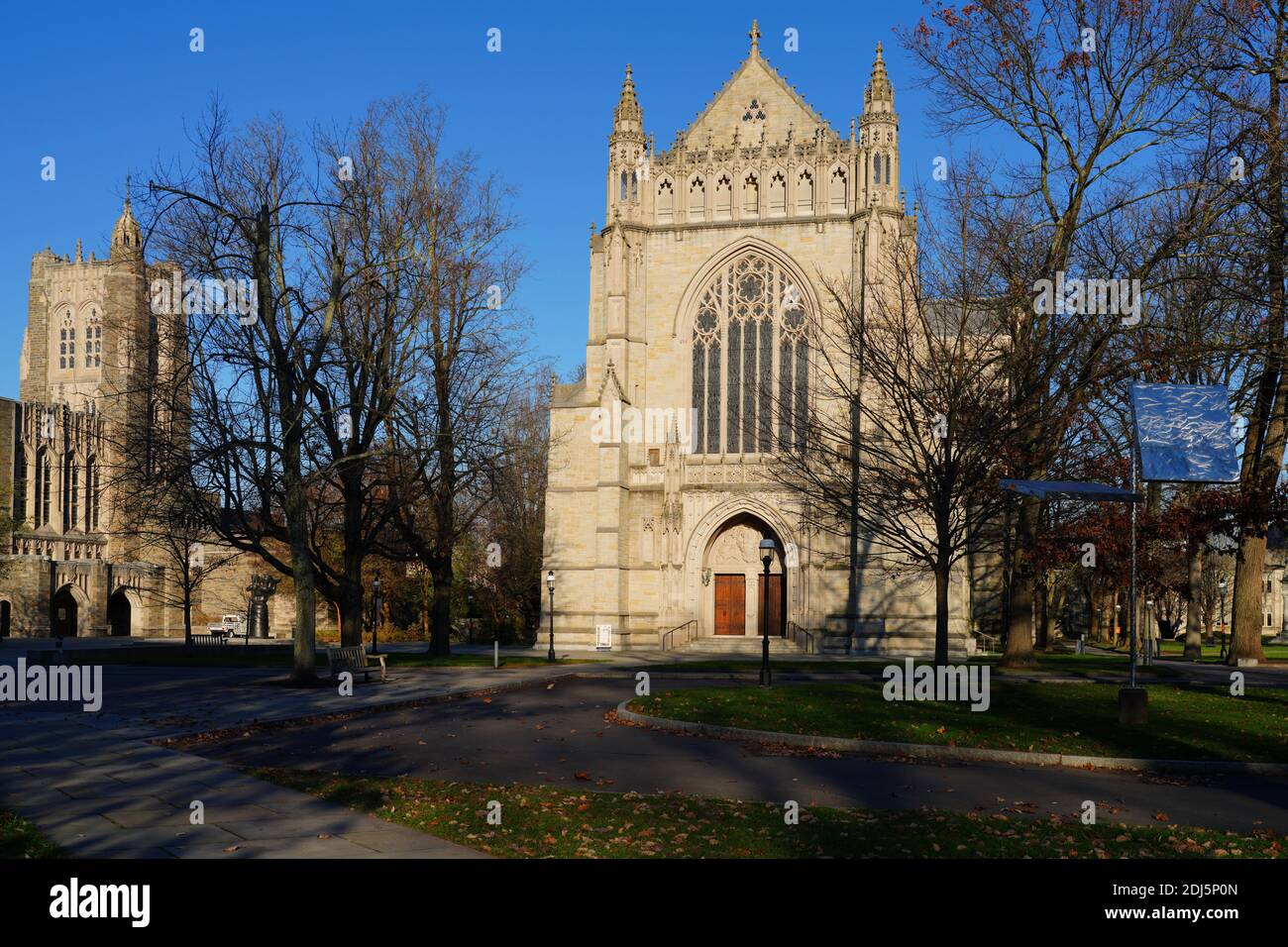
Understanding Princeton: A Private University and Its Institutional Framework
Princeton University is a private Ivy League research institution located in Princeton, New Jersey. As a private entity, it operates independently of state government control, relying on a significant endowment, private philanthropy, a...
Princeton University is a private Ivy League research institution located in Princeton, New Jersey. As a private entity, it operates independently of state government control, relying on a significant endowment, private philanthropy, and tuition revenue to fund its academic, research, and operational activities rather than taxpayer-funded state appropriations.
Contents
The Institutional Classification of Princeton University
To understand why Princeton is classified as a private university, it is necessary to examine the legal and operational structure that distinguishes it from public institutions. In the United States, higher education is categorized primarily by the source of funding and the governing body. A private university, such as Princeton, is an independent, non-governmental corporation. It is governed by a Board of Trustees—an autonomous body responsible for the institution's fiduciary health, academic standards, and long-term strategic direction.
Unlike public universities, which are established by state constitutions or legislatures and receive direct annual subsidies from the state government, Princeton operates under a charter. Founded in 1746 as the College of New Jersey, the institution has evolved over nearly three centuries as a self-governing entity. Its legal independence allows it to establish its own admissions policies, academic curriculum, and administrative procedures without the requirement of oversight from state legislators or public commissions.
Funding Models: Endowment and Revenue Streams
The financial independence of Princeton is perhaps its most defining characteristic as a private institution. The university’s primary financial engine is its endowment, a massive collection of invested financial assets. This fund is managed to generate perpetual income, which provides a significant portion of the university's annual operating budget. Because the university does not depend on state tax revenue, it has greater autonomy in how it allocates resources toward research initiatives, scholarship programs, and campus infrastructure.
This reliance on private funds creates a different operational environment compared to public counterparts. While public universities often face fluctuations in funding due to state political cycles or budget deficits, private research universities like Princeton utilize their endowments to maintain stability. This financial model directly influences the university’s ability to offer expansive financial aid. In 2026, Princeton continues to maintain a "no-loan" financial aid policy, where admitted students receive aid packages composed entirely of grants, provided they qualify based on financial need. This model is only sustainable because of the university’s status as a private, endowment-backed institution.
Governance and Academic Autonomy
Governance at a private university functions as a corporate and academic partnership. The Princeton Board of Trustees holds the ultimate authority for the university, focusing on the preservation of the institution's mission. Because the university is not beholden to state public-record mandates or political appointment processes in the same way public schools are, the board maintains control over key strategic decisions.
This autonomy extends to academic freedom and the pursuit of research. Princeton is classified by the Carnegie Classification of Institutions of Higher Education as an R1 doctoral university, denoting "very high research activity." The ability to set an independent research agenda allows the university to pursue specialized long-term studies that might not align with the immediate policy goals of a state government. The private status ensures that the university’s administration remains focused on its historical mandate: the advancement of learning through rigorous inquiry.
Comparative Characteristics of University Classifications
To clarify the distinction between institutional types, the following table outlines the structural differences that define Princeton’s status as a private, non-profit university.
| Feature | Private (e.g., Princeton) | Public (State University) |
|---|---|---|
| Funding Source | Endowment, Tuition, Private Grants | State Appropriations, Tuition, Taxes |
| Governance | Private Board of Trustees | State-Appointed Regents or Trustees |
| Admissions | Independent, Institutional Policy | Regulated by State Policy/Quotas |
| Legal Basis | Private Charter | State Constitutional Provision |
| Accountability | Donor and Board Oversight | Legislative and Taxpayer Oversight |
Admission Standards and Student Life
As a private university, Princeton maintains complete discretion over its admissions process. This includes the selection of students, the determination of class sizes, and the establishment of admission criteria. Being a private institution allows Princeton to curate its student body through a holistic review process that evaluates candidates based on institutional priorities, academic achievement, and potential for contribution to the campus community.
Student life at a private, residential university is often characterized by a high degree of integration between academic and social life. Because Princeton functions as an independent, closed community, it manages its own housing, dining, and campus services. This independence enables the university to invest in specialized facilities—such as research laboratories, libraries, and athletic centers—designed to enhance the experience of its specific student population, which is limited by the university's own capacity-based planning rather than legislative mandates for enrollment growth.
The Role of Private Research Institutions in 2026
In the modern landscape of 2026, the distinction between private and public institutions remains critical for understanding access, cost, and mission. Private universities like Princeton serve as hubs for concentrated academic inquiry. Their status as private organizations ensures that they remain shielded from the shifting priorities of state governments, allowing them to focus on foundational research and undergraduate education.
Furthermore, being private does not mean being exclusionary in terms of social mission. Many private research universities, Princeton included, use their independent financial standing to implement aggressive socioeconomic diversity initiatives. By managing their own financial aid budgets, they can proactively recruit students from diverse backgrounds without waiting for state-funded programs to catch up. The private nature of the university is therefore not just an administrative categorization, but a tool that enables specific, targeted institutional outcomes.
Frequently Asked Questions
Is Princeton part of the state university system of New Jersey? No. Princeton is a completely independent, private university. It is not affiliated with the New Jersey state university system, which is centered at Rutgers University. Princeton is not governed by state education agencies and does not receive state funding for its core operations.
Does being a private university mean Princeton is for-profit? No. Princeton is a private, non-profit institution. This means that all revenue generated through tuition, research grants, and endowment earnings is reinvested into the university’s educational and research mission. No profits are distributed to shareholders or owners.
How does private status affect tuition costs? Private universities often set high "sticker prices" for tuition, but these figures do not reflect the actual cost for most students. Because Princeton is private and has a large endowment, it is able to provide extensive need-based financial aid that effectively reduces the cost for families who do not have the financial means to pay the full tuition.
Does the state government have any say in Princeton’s admissions? No. As a private institution, Princeton sets its own admissions standards and policies. It is not subject to state-mandated admission quotas, residency requirements, or legislative oversight regarding the selection of its student body.
How is the university governed if it isn’t managed by the state? Princeton is governed by a Board of Trustees. These individuals are responsible for the financial, legal, and educational integrity of the institution. They oversee the university's president and make long-term strategic decisions to ensure the university remains a leading academic center.
Are there differences in research grants compared to public schools? While both public and private universities compete for the same federal research grants (such as those from the NSF or NIH), private universities have the advantage of being able to supplement these grants with internal funds. Their independent status provides them with more agility to launch internal research initiatives that might be more difficult to fund in the state-budget cycle.
Conclusion and Next Actions
Understanding that Princeton is a private university is the first step in recognizing how its institutional structure facilitates its specific research-focused mission. For prospective students and researchers, this means interacting with a body that is self-contained and governed by its own charter. Those interested in further verifying these details for administrative or academic purposes should consult the official Princeton University website or the U.S. Department of Education’s College Navigator for the most current, verified data regarding endowment management and institutional governance.
Image Gallery