Workers Compensation for Contractors in NYC: The 2026 Essential Compliance Guide
In 2026, all contractors operating within New York City are legally required to carry workers' compensation insurance if they have at least one employee, including part-time or seasonal workers. This state-mandated coverage provides me...
In 2026, all contractors operating within New York City are legally required to carry workers' compensation insurance if they have at least one employee, including part-time or seasonal workers. This state-mandated coverage provides medical benefits and wage replacement to employees injured on the job while protecting employers from direct lawsuits related to workplace injuries.
Contents
The landscape for construction and contracting in the five boroughs—Manhattan, Brooklyn, Queens, the Bronx, and Staten Island—is governed by a complex intersection of New York State law and New York City Department of Buildings (DOB) regulations. For a contractor, "workers' comp" is not merely a line item for protection; it is a prerequisite for licensing, permitting, and entering any legitimate job site. Failure to maintain active coverage can result in significant stop-work orders, massive fines, and the permanent revocation of trade licenses.
The Legal Framework for NYC Contractors
New York State's Workers’ Compensation Law is among the strictest in the United States. In 2026, the New York State Workers’ Compensation Board (WCB) continues to enforce the rule that virtually every employer in the state must provide workers' compensation for its employees.
For contractors, the definition of an "employee" is broad. It includes anyone providing services to the business, regardless of their title or how they are paid. This includes family members, "cash" laborers, and even some subcontractors who do not meet the legal criteria for independent contractor status. In the eyes of the WCB, if you direct the work, provide the tools, and set the schedule, the individual is likely an employee who must be covered under your policy.
The Consequences of Non-Compliance
The penalties for operating without insurance in NYC are severe. If the WCB determines a contractor is uninsured, they may issue a "Stop Work Order," effectively shutting down all operations immediately. Financial penalties can reach $2,000 for every 10 days of non-compliance. In a city where project timelines are tight and liquidated damages are common in contracts, a ten-day shutdown can be financially ruinous. Furthermore, if an injury occurs while a contractor is uninsured, the employer is personally liable for all medical costs and lost wages, and they lose the "exclusive remedy" protection, meaning the injured worker can sue the contractor for unlimited damages in civil court.
Understanding the NYC Department of Buildings (DOB) Requirements
While the state mandates the insurance, the NYC Department of Buildings (DOB) acts as the primary gatekeeper for contractors. To obtain or renew a permit for any construction, demolition, or renovation project in NYC, you must submit proof of workers' compensation insurance.
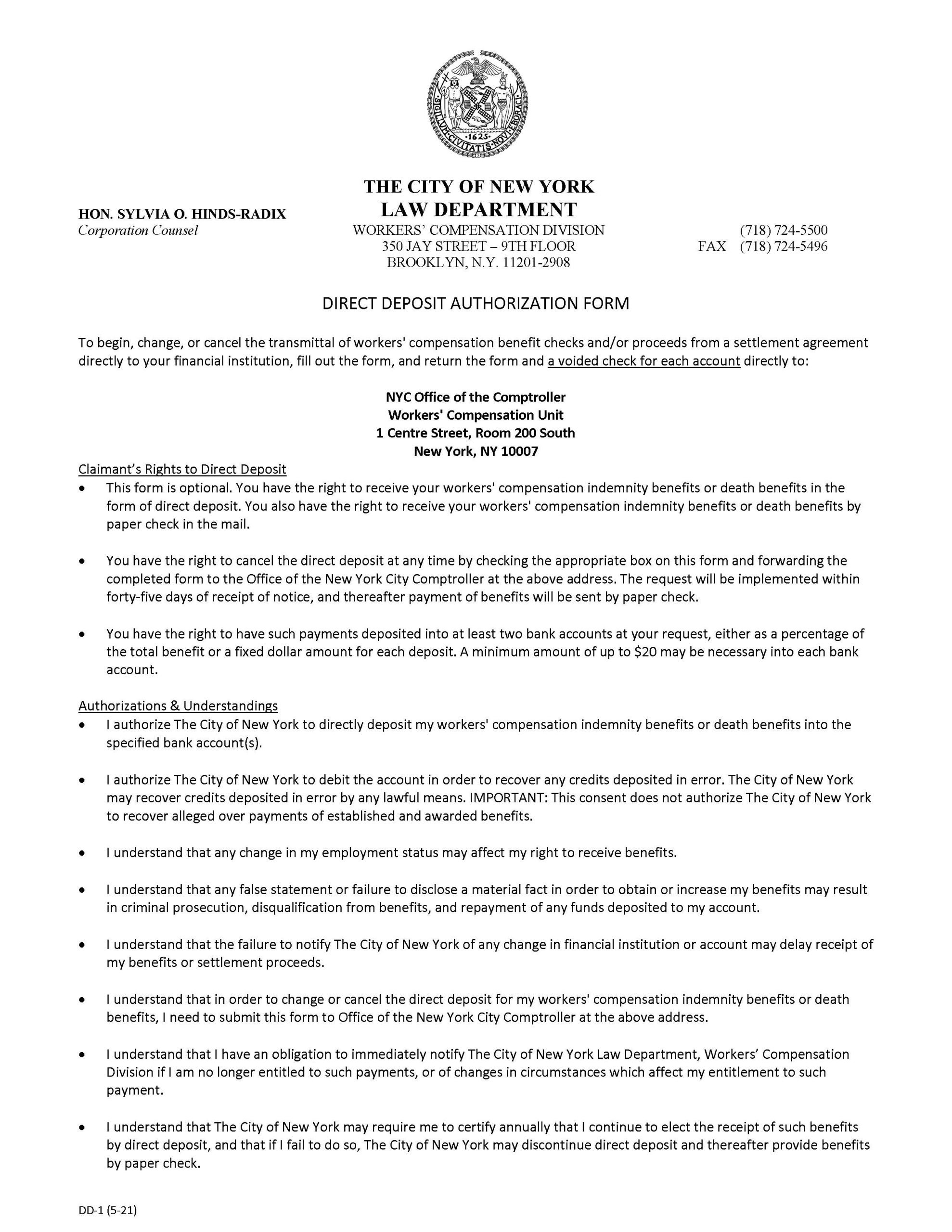
The DOB does not accept the insurance policy itself as proof. Instead, they require specific forms verified by the WCB or the insurance carrier. In 2026, the standard accepted documents remain:
- Form C-105.2: Certificate of Workers' Compensation Insurance (issued by private carriers).
- Form U-26.3: Certificate of Workers' Compensation Insurance (issued by the NYSIF).
- Form SI-12: For self-insured employers.
- Form GSI-105.2: For employers in a group self-insurance trust.
Contractors must ensure that the name and address on their insurance certificate exactly match the name and address on their DOB license and permit applications. Any discrepancy, even a minor typo in the "Doing Business As" (DBA) name, can result in the rejection of a permit application, delaying projects for weeks.
Classification Codes and Cost Determinants
The cost of workers' compensation for NYC contractors is primarily determined by their NCCI (National Council on Compensation Insurance) classification codes. These codes categorize work based on the level of risk associated with the trade. For example, a roofing contractor (Code 5545) will pay significantly higher premiums than a finish carpenter (Code 5437) because the statistical likelihood of a high-gravity fall is much greater for the roofer.
How Premiums Are Calculated
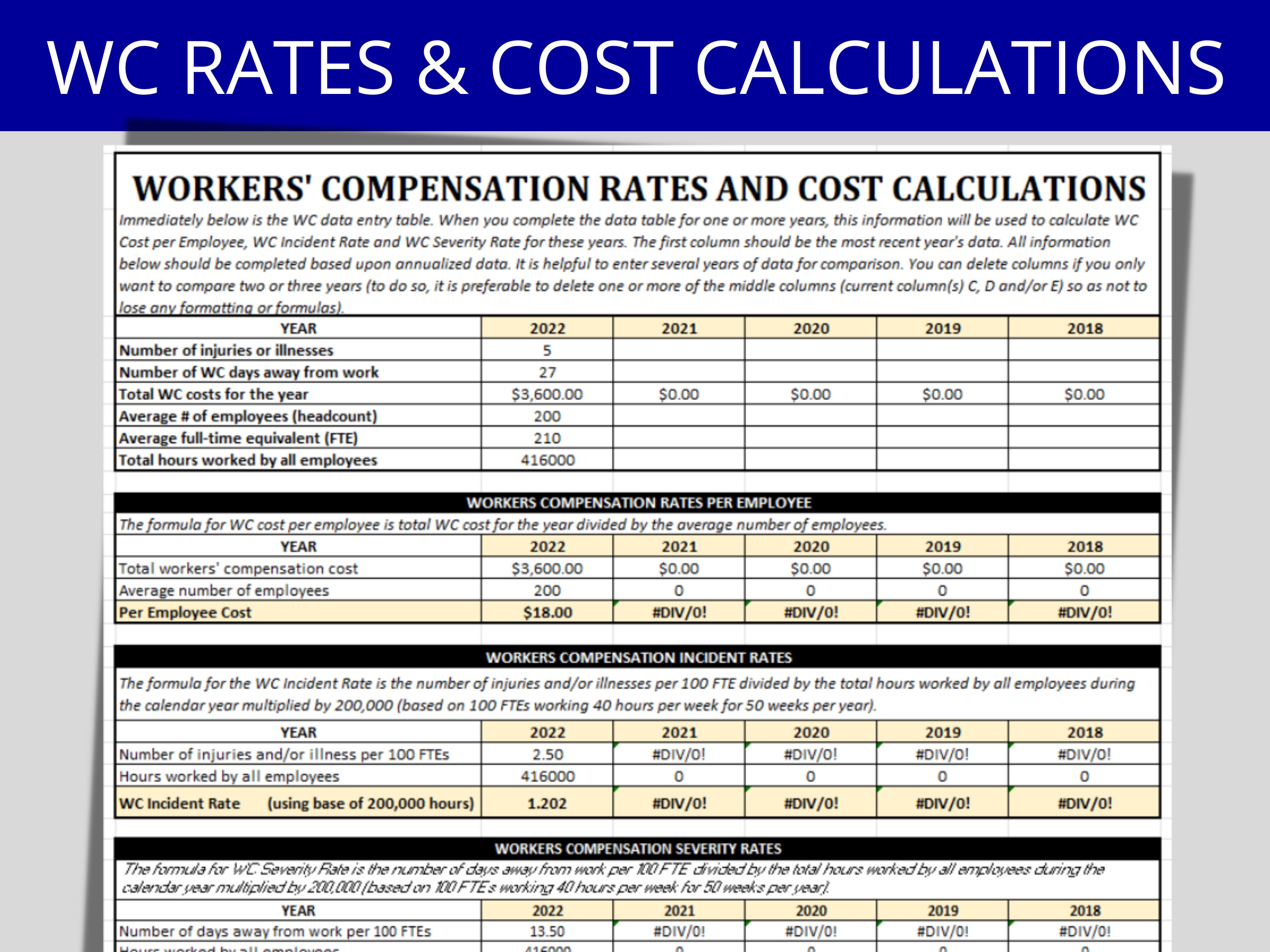
The basic formula for a workers' comp premium is: (Payroll / 100) x Class Code Rate x Experience Modification Rate (MOD) = Base Premium
- Payroll: This is the total gross pay for all covered employees. In NYC, the WCB often sets a "payroll cap" for construction trades, which limits the amount of an individual's salary that is subject to the premium calculation. This helps keep costs manageable for high-wage union shops.
- Class Code Rate: Set by the New York Compensation Insurance Rating Board (NYCIRB), these rates reflect the historical loss data for each trade.
- Experience Modification Rate (MOD): This is a multiplier based on your company’s individual claims history. If your business has fewer accidents than average for your industry, your MOD will be below 1.0 (a credit). If you have a high claim frequency, your MOD will rise above 1.0 (a debit), potentially doubling your costs.
In 2026, NYC contractors also face "territorial differentials." Because medical costs and litigation are higher in the five boroughs compared to upstate New York, rates for NYC-based contractors are often higher than those in other parts of the state.
The Role of the New York State Insurance Fund (NYSIF)
The New York State Insurance Fund (NYSIF) is a competitive state fund that acts as the "carrier of last resort." By law, NYSIF must provide workers' compensation insurance to any employer that requests it, regardless of the company's risk profile or claim history.
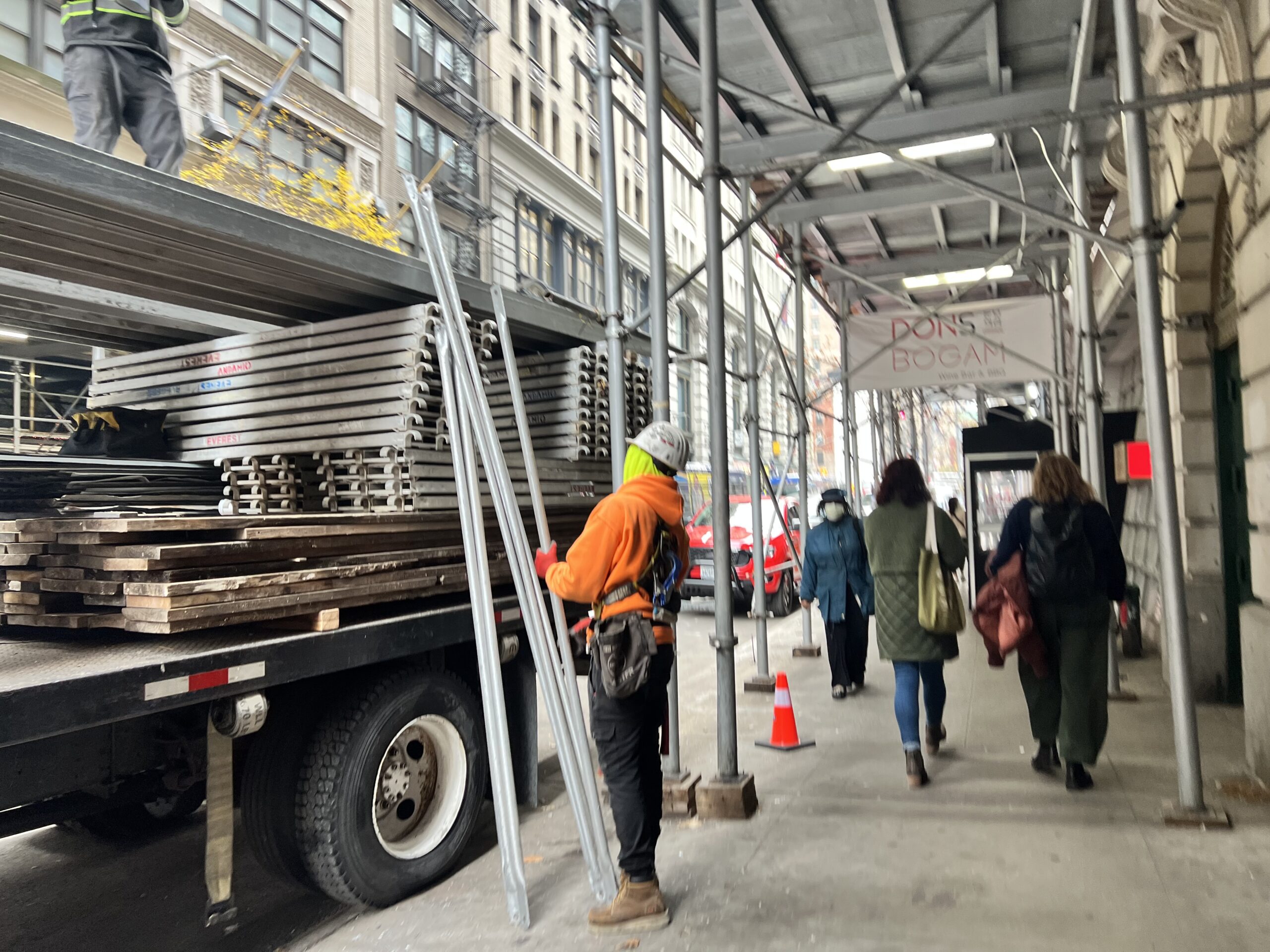
Many NYC contractors, particularly those in high-risk trades like scaffolding, demolition, or excavation, find that private carriers are unwilling to write their policies. In these cases, NYSIF is the primary option. While NYSIF is often perceived as more expensive, it offers several safety groups for contractors that can provide substantial upfront discounts and year-end dividends for businesses with clean safety records.
Independent Contractors vs. Employees: The Misclassification Risk
The single greatest source of fines and audit surprises for NYC contractors is the misclassification of workers. Many general contractors (GCs) attempt to hire "1099 workers" or "independent contractors" to avoid paying workers' comp premiums. However, New York’s "Construction Industry Fair Play Act" creates a heavy presumption that any person performing services for a contractor is an employee.
To be considered a true independent contractor in 2026, a worker must:
- Be free from direction and control over the performance of the work.
- Perform work that is outside the usual course of the hiring contractor's business.
- Be engaged in an independently established trade or profession.
If you hire a "subcontractor" who does not have their own workers' compensation policy, your own insurance carrier will likely charge you a premium for that worker during your annual audit. You must collect a valid certificate of insurance from every subcontractor before they step onto an NYC job site.
Obtaining an Exemption (Form CE-200)
If you are a sole proprietor, a partner in a partnership, or a member of an LLC with no employees, you may be eligible for an exemption from carrying workers' compensation insurance. To prove this to the NYC DOB or a general contractor, you must obtain Form CE-200 (Certificate of Attestation of Exemption) from the WCB.
It is important to note that many NYC general contractors will not hire "exempt" subcontractors. The risk that an exempt owner might bring an assistant or an "under-the-table" helper is too high for the GC’s insurance carrier to ignore. Therefore, even if you are legally eligible for an exemption, you may still need to purchase a "minimum premium" policy to secure work on larger NYC projects.
| Entity Type | Insurance Requirement | Typical Proof Required |
|---|---|---|
| Sole Proprietor (No Employees) | Legally Exempt (Optional) | Form CE-200 |
| General Contractor (With Staff) | Mandatory | C-105.2 or U-26.3 |
| Subcontractor (With Staff) | Mandatory | C-105.2 or U-26.3 |
| Out-of-State Contractor | Mandatory (NY-Specific) | C-105.2 (Showing NY coverage) |
| Corporate Officers | Mandatory (Unless excluding themselves) | C-105.2 |
Frequently Asked Questions
Do I need workers' comp if I only hire family members?
Yes. In New York City, there is no automatic exclusion for family members. If a family member is working for your contracting business, they are considered employees under the law and must be covered by a workers' compensation policy. The only exception is if the business is a corporation where the only employees are one or two officers who own all the stock; in that specific case, they may opt out of coverage for themselves, but not for other staff.
Can I use my out-of-state workers' compensation policy in NYC?
Usually, no. Most out-of-state policies do not meet the specific requirements of the New York State Workers’ Compensation Board. If an out-of-state contractor is performing work in NYC, they must generally have a New York-authorized carrier listed on their policy, and "New York" must be specifically listed under Section 3A of the policy information page.
What happens during a workers' compensation audit?
At the end of each policy year, your insurance carrier will conduct an audit to verify your actual payroll. They will examine your tax filings (941s), payroll records, and 1099 forms. If your payroll was higher than you estimated at the start of the year, or if you used subcontractors who lacked their own insurance, you will be billed for the additional premium. Keeping meticulous records of subcontractor insurance certificates is the only way to avoid these "audit shocks."
Does workers' compensation cover the contractor themselves?
If you are a sole proprietor or a partner, you are not automatically covered by your own policy, though you can choose to "elect" coverage for yourself. If your business is a corporation or an LLC, you are generally considered an employee of the company and are covered by the policy unless you specifically file an exclusion with the WCB.
How do I check if a subcontractor's insurance is valid?
You can use the WCB Employer Coverage Search tool online. By entering the subcontractor’s legal name or Federal Employer Identification Number (FEIN), you can verify if they have an active policy and which carrier is providing the coverage. Always do this before signing a contract.
What is the difference between General Liability and Workers' Comp?
General Liability insurance covers property damage and injuries to third parties (like a passerby hit by falling debris). Workers' Compensation specifically covers injuries to your own workers. In NYC, you need both. The DOB requires General Liability, Workers' Comp, and Disability insurance for almost all construction permits.
Practical Recommendation for 2026
To maintain a compliant and profitable contracting business in NYC, you should adopt a "safety-first" administrative protocol. Before bidding on a project, verify the current class code rates with your broker to ensure your estimates include the true cost of labor. Once a project begins, never allow a subcontractor on-site without a verified C-105.2 or U-26.3 form in your files. Finally, implement a robust safety program; in the 2026 insurance market, your Experience Modification Rate (MOD) is one of the few variables you can control to lower your overhead and stay competitive in the New York City market.
Image Gallery