The Best Winter City Breaks in Europe for Travelers
Europe transforms significantly during the winter months, offering travelers a stark contrast between festive, snow-dusted northern capitals and mild, cultural hubs in the south. Selecting the ideal destination depends on whether you s...
Europe transforms significantly during the winter months, offering travelers a stark contrast between festive, snow-dusted northern capitals and mild, cultural hubs in the south. Selecting the ideal destination depends on whether you seek the quintessential atmosphere of traditional Christmas markets, world-class museum seasons free from summer crowds, or a retreat into warmer, Mediterranean climates. As of 2026, the continent remains highly accessible through interconnected rail networks and established regional flight corridors, making winter an opportune time to explore major metropolitan areas with lower accommodation costs and shorter queues.
Contents
Factors to Consider for European Winter Travel
When planning a winter getaway in Europe, the primary variable is climate, which creates a sharp divide between the Northern and Central European "festive" experience and the Southern European "mild" experience.
Climate and Daylight
In Northern and Central Europe—cities like Tallinn, Vienna, or Prague—daylight hours are significantly shorter, often fading by 4:00 PM. While this creates a cozy atmosphere perfect for evening lighting and indoor culture, it limits outdoor exploration time. Conversely, Southern Europe (Seville, Lisbon, Athens) offers more sunlight and temperatures that rarely dip to freezing, making these locations better suited for walking tours and outdoor architectural photography.
The "Shoulder" Advantage
Beyond the December holiday surge, January and February are considered low season. Travelers choosing these months benefit from reduced hotel rates and the ability to visit high-demand sites—such as the Uffizi Gallery in Florence or the Louvre in Paris—without the intense congestion of the summer months. However, be aware that many outdoor-focused attractions in seaside or rural areas may have reduced hours or temporary closures during these months.
Top European Cities for Winter Travel
Vienna, Austria: The Imperial Classic
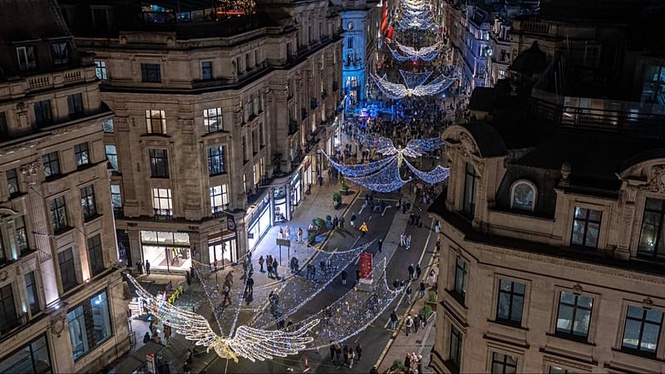
Vienna is defined by its coffee house culture and imperial architecture. During the winter, the city prioritizes its historic coffee houses as refuges from the cold. The Christmas season in Vienna is globally recognized, but the city’s appeal remains strong into the new year, offering the world-famous State Opera season and numerous indoor exhibitions at the Kunsthistorisches Museum.
Lisbon, Portugal: Mild Winters and Coastal Light
For those wishing to avoid freezing temperatures, Lisbon provides a Mediterranean winter. Even in January, temperatures average 10–15°C (50–59°F). The city’s hilly landscape, lined with historic tram lines, is far more manageable in cooler weather than in the intense heat of summer. Winter is also the ideal time to explore the city’s renowned seafood scene, which is less crowded at this time of year.
Tallinn, Estonia: The Medieval Winter Wonderland
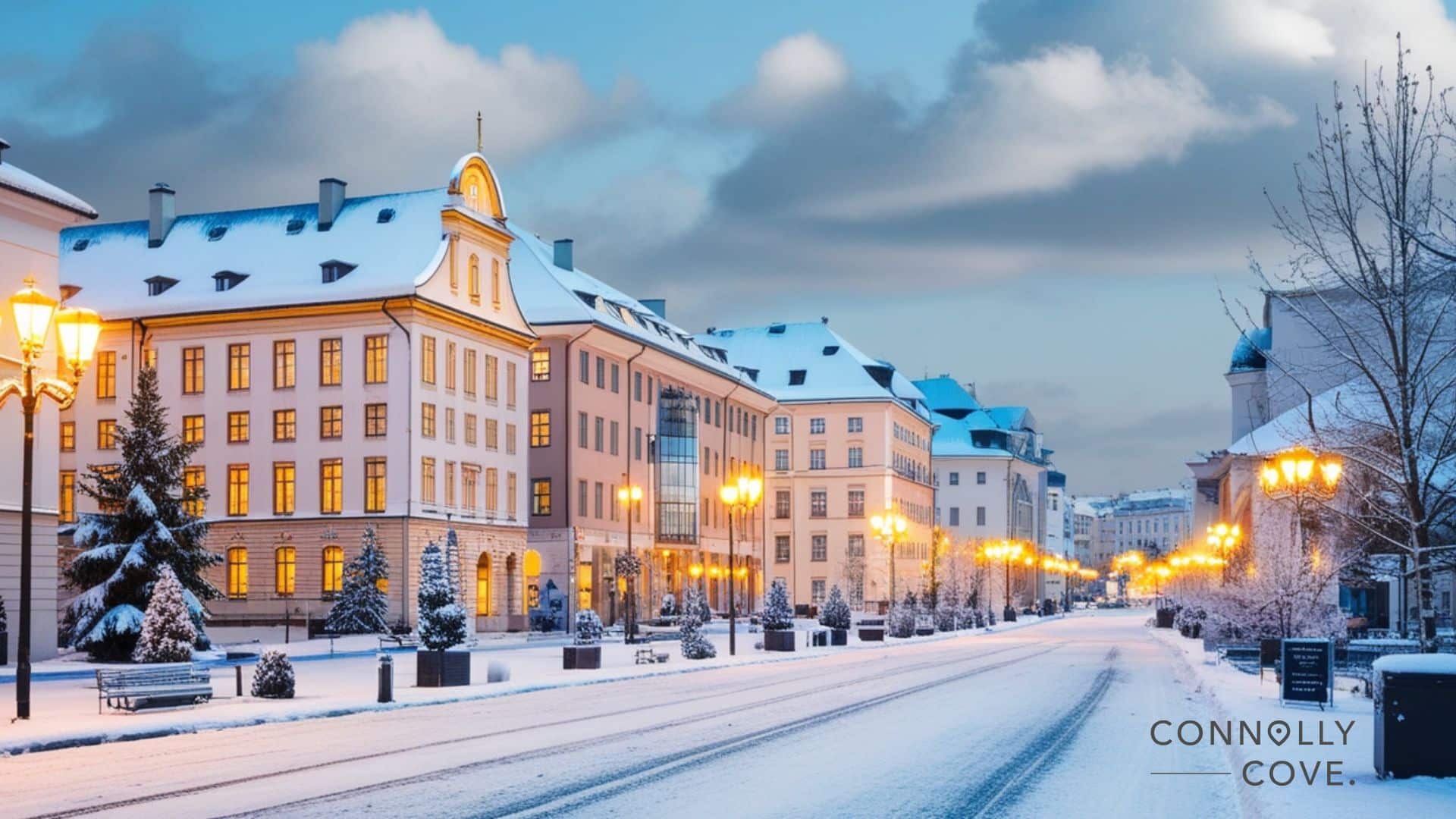
If the goal is to experience a traditional, snow-guaranteed winter, Tallinn is a premier choice. Its medieval Old Town, a UNESCO World Heritage site, is illuminated by warm lights against snow-covered cobblestones. As a tech-forward capital, the city offers seamless digital infrastructure for travelers, including robust public Wi-Fi and efficient transport systems, even in adverse weather conditions.
Seville, Spain: Culture Without the Crowds
Seville is perhaps the best choice for travelers seeking to escape the "dark" winter. The city maintains a vibrant, outdoor-oriented social life throughout the year. Winter visitors can experience the Alcázar and the Seville Cathedral with manageable wait times. While evenings are crisp, the daytime sunshine makes this one of the most pleasant urban experiences in Europe during the colder months.
Comparison of Winter Travel Destinations
| City | Average High (Jan) | Primary Appeal | Winter Vibe |
|---|---|---|---|
| Vienna | 4°C | Museums, Coffee, History | Festive & Classical |
| Lisbon | 15°C | Coastline, Gastronomy | Mild & Cultural |
| Tallinn | -1°C | Medieval, Snow, Markets | Atmospheric & Cold |
| Seville | 16°C | Architecture, Outdoor life | Sunny & Vibrant |
| Prague | 3°C | Gothic Architecture | Romantic & Historic |
Logistics and Operational Requirements
Transportation Reliability
European air and rail travel are generally resilient to winter conditions, but travelers should anticipate localized delays during heavy snow events. In countries like Germany, Switzerland, and Austria, the rail systems (such as DB and ÖBB) are highly efficient in winter. Always check official transport websites 24 hours prior to departure for any seasonal schedule shifts or weather-related notices.
Clothing Strategy
The key to comfort in Europe during winter is a layered approach. Regardless of the city, waterproof footwear is essential, as city streets can become wet and slushy. For Northern cities, thermal base layers, a wind-resistant wool coat, and reliable gloves are mandatory. In Southern cities, a medium-weight jacket is typically sufficient, though the temperature drop at sunset is significant, making scarves and sweaters necessary for evening dining.
Health and Safety
European cities maintain high standards of public safety and healthcare access. Travelers from outside the European Union should verify their travel health insurance coverage. Within the EU, citizens of member states should ensure their European Health Insurance Card (EHIC) or the newer Global Health Insurance Card (GHIC) is valid. Public pharmacies are ubiquitous and provide basic medical advice for common minor ailments such as colds or seasonal fatigue.
Frequently Asked Questions
Are tourist attractions open in winter?
Yes, most major museums and historical sites remain open throughout the year. However, some smaller regional sites or seasonal outdoor tours may reduce their operating hours or operate on a skeleton crew schedule from January through March. Always verify specific site hours via official websites before finalizing your itinerary.
Is it cheaper to travel to Europe in winter?
Generally, yes. Excluding the peak period around Christmas and New Year's, flight costs and hotel rates are often significantly lower between January and March. This period offers the highest value for travelers looking to experience luxury accommodations at lower price points.
What is the biggest challenge when traveling in winter?
The primary challenge is the limited daylight, particularly in northern latitudes. This requires careful planning of outdoor activities to ensure you visit historical monuments or parks before sunset, leaving museums, shopping, and dining for the evening hours.
Do I need special equipment for city breaks?
For city breaks, you do not need specialized outdoor gear unless you plan on participating in winter sports. A comfortable, waterproof pair of walking shoes is the most important item, as you will likely be walking on cobblestones or slick surfaces.
Is it too cold to enjoy walking tours?
Walking tours remain popular in winter, especially in cities like Seville or Rome. In colder climates, many operators offer "indoor-to-indoor" architectural tours or shorter, themed walks that incorporate visits to heated historic buildings or cafes.
Recommendations for Your Next Steps
To ensure a successful winter trip, prioritize booking your long-distance transport—such as high-speed trains between capitals—well in advance, as these routes often experience high demand even in the off-season. If you intend to visit popular sites like the Sagrada Família in Barcelona or the Anne Frank House in Amsterdam, book your entry tickets online at least two weeks before your departure. For those undecided, start by choosing between a "Winter Festive" experience in Central Europe or a "Mild Heritage" experience in the South, then align your transport hubs with the most accessible international airports.
Image Gallery