Cheapest Auto Insurance for a Suspended License in California (2026 Guide)
Finding the cheapest auto insurance for a suspended license in California requires securing an SR-22 certificate from a high-risk carrier. As of 2026, the most affordable options typically come from non-standard insurers like Progressi...
Finding the cheapest auto insurance for a suspended license in California requires securing an SR-22 certificate from a high-risk carrier. As of 2026, the most affordable options typically come from non-standard insurers like Progressive, Mercury, or the state-sponsored California Low Cost Automobile Insurance Program (CLCA), especially when paired with a non-owner policy if you do not own a vehicle.
Contents
Navigating the California insurance market with a suspended license is a complex task because the state’s regulatory environment and the individual's driving record create a "high-risk" profile that many standard carriers avoid. However, maintaining insurance is often a prerequisite for license reinstatement. This guide explores the mechanisms of high-risk coverage, the specific filings required by the California Department of Motor Vehicles (DMV), and the strategies to minimize premiums in a year where insurance costs have seen significant adjustments.
The Suspension-Insurance Paradox in California
A license suspension in California generally occurs due to a DUI conviction, accumulating too many points on a driving record (Negligent Operator Treatment System), failure to provide proof of insurance during an accident, or failure to pay child support. The paradox many drivers face is that while they are legally prohibited from driving, the California DMV requires proof of financial responsibility—in the form of insurance—before they will even consider reinstating driving privileges.
In 2026, California remains a "prior approval" state under Proposition 103, meaning the Insurance Commissioner must approve rate changes. Despite this, high-risk drivers have seen premiums climb as insurers account for increased repair costs and litigation. To find the "cheapest" rate, you must first identify which insurers are currently active in the California high-risk market, as some national brands have limited their exposure in the state over the last several years.
The Role of the SR-22 Certificate
The most critical component of insuring a suspended license is the SR-22 Financial Responsibility Certificate. It is important to clarify that an SR-22 is not an insurance policy itself; rather, it is a document issued by an insurance company that is filed electronically with the California DMV in Sacramento.
This filing serves as a guarantee to the state that you are carrying at least the minimum liability coverage required by law. If the policy lapses for any reason, the insurer is legally mandated to notify the DMV immediately, which will result in an immediate re-suspension of your driving privileges.
How Much Does an SR-22 Cost?
The filing fee for an SR-22 is relatively low, typically ranging from $15 to $50 as a one-time processing fee. However, the "cost" of the SR-22 is reflected in the increased insurance premiums. Because you require this filing, you are categorized as a high-risk driver, which can increase your base premium by 40% to 150%, depending on the reason for the suspension.
Top Insurance Companies for Suspended Licenses in California (2026)
While the insurance landscape in California has shifted, several key players continue to offer competitive rates for drivers needing an SR-22.
1. Progressive
Progressive has long been a leader in the non-standard insurance market. In 2026, they remain one of the most accessible options for California drivers with DUIs or multiple speeding tickets. Their systems are highly integrated with the California DMV, allowing for near-instant electronic filing of SR-22 forms.
2. Mercury Insurance
As a California-based company, Mercury often provides more localized pricing structures. They frequently offer lower rates for drivers who have had their licenses suspended for non-driving related issues (such as failure to appear in court or unpaid child support) compared to those with major moving violations.
3. Dairyland and Bristol West
These are "specialty" or "non-standard" insurers. They cater specifically to drivers who have been rejected by major carriers like State Farm or Allstate. While their customer service interfaces may be simpler, their underwriting is designed specifically for the high-risk niche, often making them the cheapest option for drivers with a "Negligent Operator" status.
4. California Low Cost Automobile Insurance Program (CLCA)
For drivers who meet specific income requirements and own a vehicle valued at $25,000 or less, the California Low Cost Auto program is a state-sponsored initiative designed to provide affordable liability coverage. This is often the absolute cheapest path for low-income residents to satisfy the DMV's requirements.
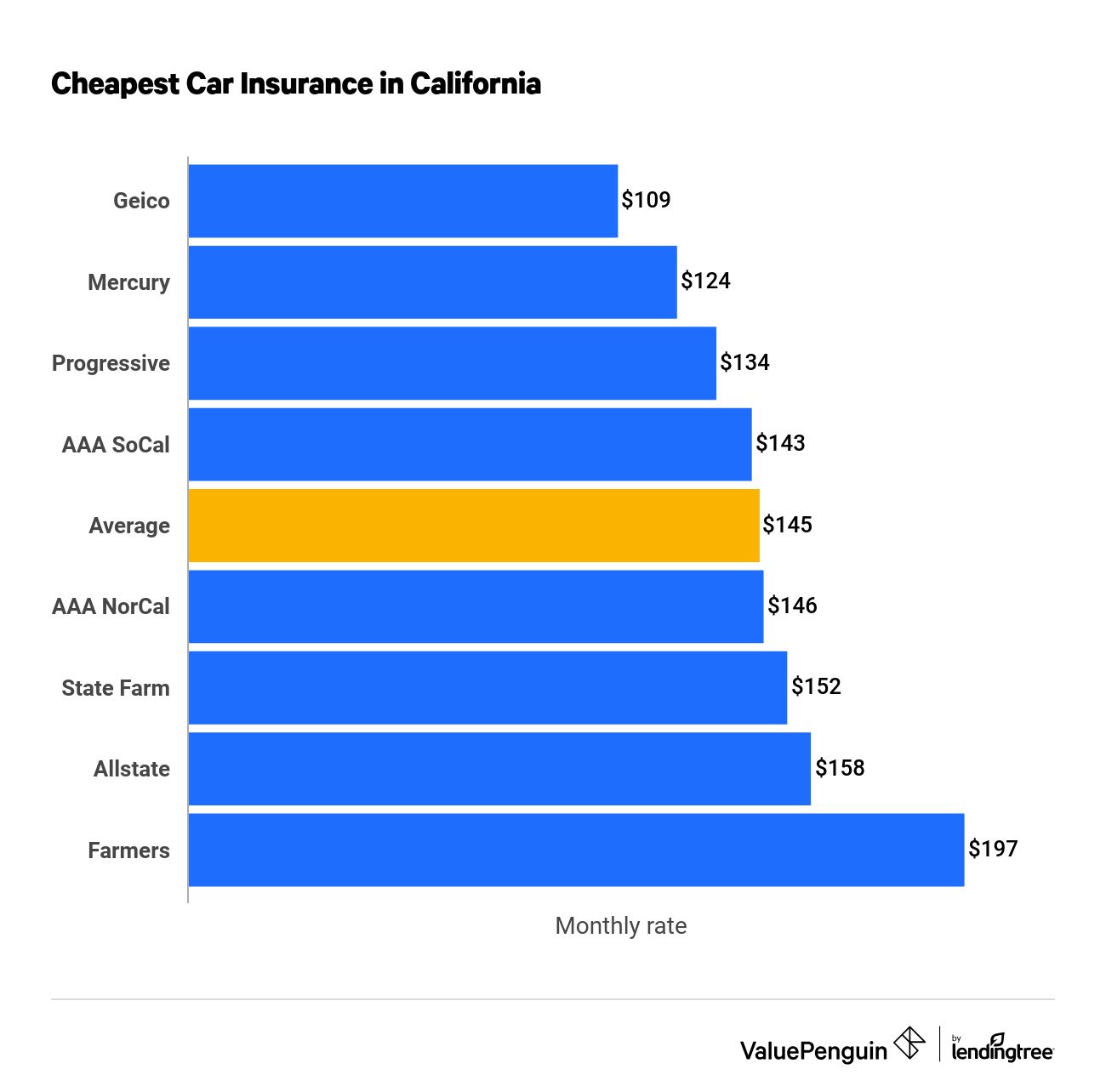
Comparison of Estimated Annual Premiums (2026 Estimates)
The following table compares estimated annual premiums for a 30-year-old driver in Los Angeles requiring an SR-22 due to a single DUI. Note that these are estimates; actual quotes depend on zip code, vehicle type, and exact driving history.
| Insurer | Estimated Annual Premium (High Risk) | Ease of SR-22 Filing | Best For |
|---|---|---|---|
| Progressive | $2,100 - $2,800 | High (Instant) | Quick reinstatement |
| Mercury | $1,950 - $2,600 | Moderate | Long-term CA residents |
| CLCA (State Program) | $400 - $600 | High | Low-income eligibility |
| Bristol West | $2,300 - $3,100 | High | Multiple violations |
| Dairyland | $2,050 - $2,750 | High | Non-owner policies |
Strategies for Reducing Costs During Suspension
When your license is suspended, you have two primary paths to obtaining insurance, depending on whether you own a car.
The Non-Owner Policy: The "Secret" to Savings
If you do not own a vehicle but need an SR-22 to get your license back, a Non-Owner Auto Insurance policy is almost always the cheapest route. This policy provides liability coverage when you drive a vehicle you do not own. Because the insurer assumes you will drive less frequently, the premiums are significantly lower than a standard owner's policy. This satisfies the DMV’s requirement for "proof of financial responsibility" at a fraction of the cost.
Usage-Based Insurance (UBI) and Telematics
In 2026, many California insurers have expanded their telematics programs. While the California Department of Insurance has historically limited how much "driving behavior" can influence rates compared to other states, some programs allow for discounts based on verified mileage. If your license is suspended and you are only driving on a restricted permit (e.g., to and from work), a low-mileage discount can be substantial.
Increasing Deductibles and Minimum Limits
While it increases your financial exposure in the event of an accident, opting for the state minimum liability limits (15/30/5) and high deductibles for any optional physical damage coverage (comprehensive and collision) will lower your monthly premium. However, be cautious: California's minimum limits are notoriously low and may not fully protect your assets in a major 2026-era accident.
Step-by-Step Guide to Getting Insured and Reinstated
- Contact the DMV: Determine the exact requirements for your reinstatement. Ask for your "Action Code" and confirm if you specifically need an SR-22 or an SR-1P.
- Shop High-Risk Carriers: Do not waste time with carriers that advertise "perfect drivers." Focus on Progressive, Mercury, and specialty brokers.
- Disclose Everything: Be honest about your suspension. Insurers run a Motor Vehicle Report (MVR) and will find the suspension regardless; hidden details can lead to policy cancellation later.
- Request the SR-22 Filing: Ensure the company can file the form electronically. Ask for a copy of the "SR-22 ID Card" for your records.
- Pay the Reinstatement Fee: In addition to insurance, you must pay the DMV a reinstatement fee (typically around $125 for a DUI or $55 for other suspensions).
- Maintain Continuous Coverage: Even a one-day lapse in high-risk insurance will trigger a notification to the DMV and a new license suspension.
Common Mistakes to Avoid
- Waiting Until the Suspension Ends: Many drivers wait until the day their suspension is supposed to end to look for insurance. This can delay reinstatement by weeks. Start the process at least 14 days before your eligibility date.
- Assuming All Companies Offer SR-22s: Some insurers, particularly "preferred" carriers, may refuse to issue an SR-22 or may even cancel your existing policy if they discover your license has been suspended.
- Neglecting the CLCA Option: Many drivers assume they won't qualify for the state’s low-cost program, but the income limits are higher than many realize (e.g., approximately $33,975 for a single person in 2026).
Frequently Asked Questions
How long do I need to carry an SR-22 in California?
Typically, the California DMV requires you to maintain an SR-22 on file for three years from the date your license is reinstated. If the suspension involved a serious felony or multiple DUIs, this period could be extended to ten years.
Can I get insurance with a suspended license if I don't own a car?
Yes. You can purchase a Non-Owner SR-22 policy. This is a common solution for individuals who need to satisfy DMV requirements to regain their driving privileges but do not currently have a vehicle registered in their name.
Does a suspended license stay on my insurance record forever?
No. In California, most violations that lead to a suspension stay on your DMV record for 3 to 10 years. DUIs specifically impact your insurance rates for 10 years under California law, though their "weight" in premium calculation generally decreases after the first three to five years.
What happens if my insurance company cancels my policy while I have an SR-22?
The insurance company is required by law to file an SR-26 form with the DMV. This form cancels the SR-22. Once the DMV receives an SR-26 without a replacement SR-22 on file, they will issue a notice of suspension, and your driving privileges will be revoked again.
Is the California Low Cost Auto (CLCA) program available for DUI offenders?
Yes, as long as you meet the income and vehicle value requirements. However, the CLCA provides only the minimum legal liability limits, which may be insufficient for drivers with significant personal assets to protect.
Practical Recommendation
If you are currently facing a suspension in California, your first step should be to obtain a quote for a non-owner SR-22 policy from a high-risk specialist. This is generally the most cost-effective way to bridge the gap between a suspended status and a valid license. Simultaneously, check your eligibility for the California Low Cost Automobile Insurance Program. By focusing on these two avenues, you can satisfy the legal mandates of the 2026 California DMV at the lowest possible price point while you work toward a clean driving record.
Disclaimer: This information is for educational purposes and does not constitute legal or financial advice. Insurance laws and DMV regulations in California are subject to change. Consult with a licensed insurance agent or legal professional for your specific situation.
Image Gallery