Young Sheldon and the BTS Phenomenon: The Unlikely Intersection of Global Fandoms
The intersection of Young Sheldon and the BTS phenomenon is a digital subculture trend where the CBS sitcom and the global K-pop group share a massive, overlapping audience on social media platforms. Driven by TikTok "edit" culture and...
The intersection of Young Sheldon and the BTS phenomenon is a digital subculture trend where the CBS sitcom and the global K-pop group share a massive, overlapping audience on social media platforms. Driven by TikTok "edit" culture and the concept of "comfort media," this phenomenon highlights how disparate intellectual properties can converge through algorithmic recommendations and shared fan behaviors.
Contents
In the media landscape of 2026, the traditional boundaries between Western television and Eastern pop music have largely dissolved, replaced by a fluid "stan culture" that prioritizes relatability and meme-ability over genre consistency. At first glance, a period-piece sitcom about a child prodigy in East Texas and a record-breaking South Korean septet have nothing in common. However, the "Young Sheldon and BTS phenomenon" represents a significant case study in how modern audiences consume content. To understand this crossover, one must look at the psychological drivers of the "ARMY" (the BTS fandom), the "Netflix effect" that revitalized Young Sheldon, and the visual language of short-form video content.
The Cultural Landscape of 2026: Streaming Meets Stan Culture
By 2026, Young Sheldon has transitioned from a high-rated broadcast sitcom to a permanent fixture in the global streaming pantheon. Its conclusion in 2024 did not mark the end of its relevance; instead, it entered a "second life" on platforms like Netflix and Max, reaching international audiences who were previously more aligned with global music icons like BTS. Simultaneously, BTS has completed its transition back to full-group activities following their mandatory military service era, reasserting their dominance over digital discourse.
The "phenomenon" is characterized by the massive volume of fan-made content that pairs Young Sheldon clips with BTS tracks or applies the "K-pop edit" aesthetic—fast cuts, color grading, and emotional music—to the character of Sheldon Cooper. This isn't merely a coincidence; it is the result of a specific demographic (primarily Gen Z and Gen Alpha) who view media through a lens of "vibes" and "comfort." For many, the social awkwardness and intellectual isolation of Sheldon Cooper mirror the themes of self-love and "finding your voice" championed by BTS in their Love Yourself and Proof eras.
The TikTok Edit: How Sheldon Cooper Became a Stan Icon
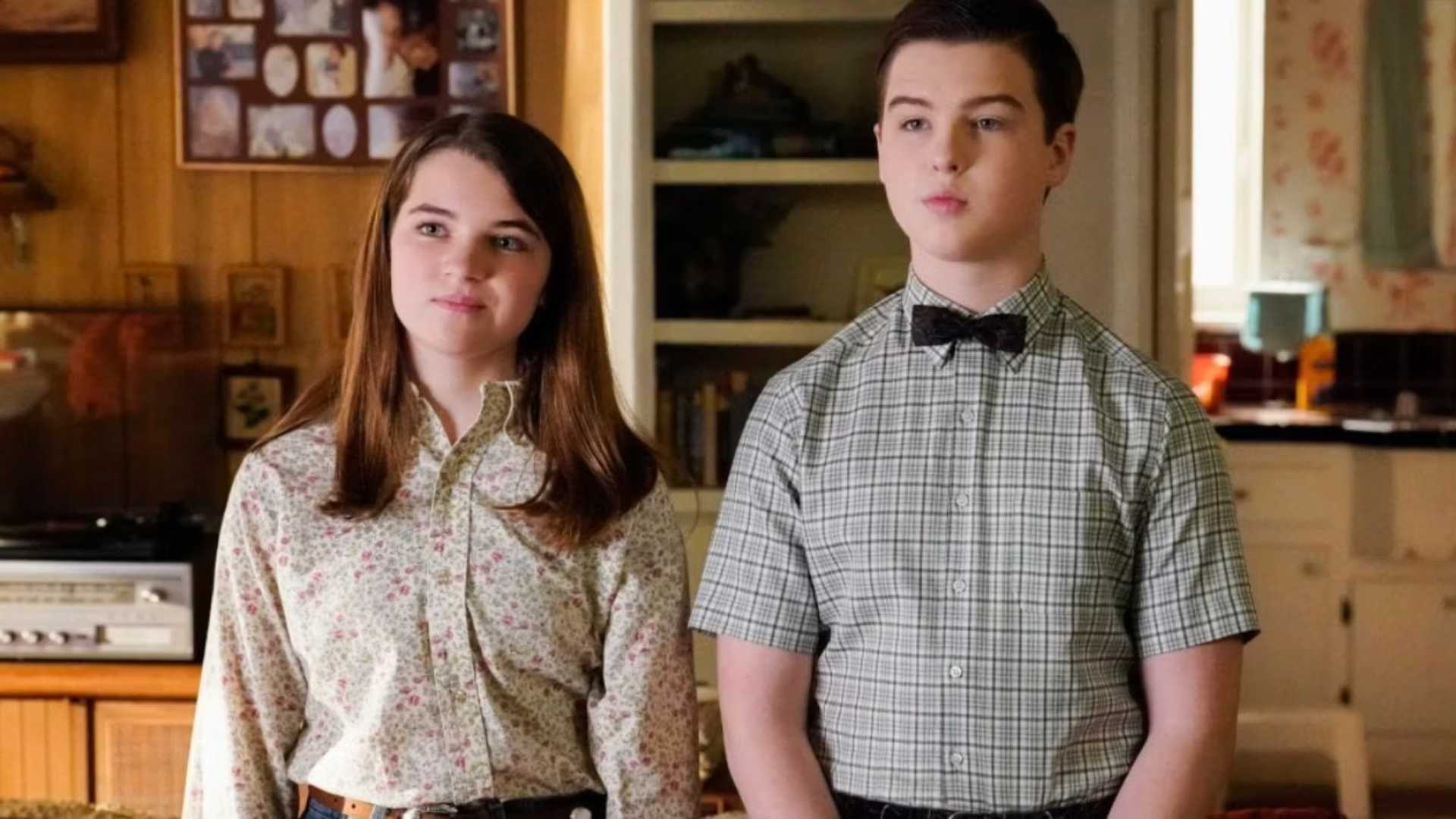
The primary engine of the Young Sheldon/BTS phenomenon is the TikTok algorithm. In the early 2020s, "core" aesthetics (such as Sheldon-core) began to emerge. Users started creating highly polished "fancams" of Sheldon Cooper, using the same editing techniques usually reserved for K-pop idols. These edits often use BTS songs as background tracks, creating a cognitive dissonance that caught the attention of millions.
This phenomenon is more than just a joke. It represents a shift in how "stanning" works. A "stan" (an obsessive fan) doesn't just support a musician; they apply their devotion to any media that provides a sense of safety or entertainment. The "BTS Phenomenon" refers to the group's ability to mobilize a global workforce of creators who can make anything trend. When that creative energy was directed toward Young Sheldon, it transformed the show from a "dad sitcom" into a "comfort show" for millions of teenagers worldwide.
Why the ARMY Embraced Sheldon
The BTS ARMY is known for its organizational power and its focus on narrative. BTS's lyrics often deal with the struggles of being an outsider and the pressure to succeed. Sheldon Cooper, though a fictional character in a 1980s setting, embodies the "gifted kid burnout" and the feeling of being misunderstood by a society that doesn't share your wavelength. This resonance created a bridge between the two fanbases.
Furthermore, the "soft-coded" nature of the show—its lack of high-stakes violence and its focus on family dynamics—makes it a perfect companion to the "soft" aesthetic often found in K-pop fandoms. In 2026, we see this manifest in digital spaces where "Sheldon Cooper" is frequently trended alongside BTS members during major streaming milestones.
The "Netflix Effect" Meets the "Hallyu Wave"
The globalization of Young Sheldon was accelerated by its arrival on Netflix. Much like BTS benefited from the "Hallyu Wave" (the global spread of South Korean culture), Young Sheldon benefited from the "Netflix Effect," where an older show suddenly becomes a global hit due to accessibility.
When Young Sheldon hit the top of the Netflix charts in multiple countries simultaneously, it entered the same digital ecosystem as BTS. Data from 2024 and 2025 indicated that the highest-consuming demographic for Young Sheldon streaming was the same demographic that drove BTS’s YouTube views. This shared audience led to a cross-pollination of hashtags, sounds, and memes.
| Feature | Young Sheldon Phenomenon | BTS Phenomenon |
|---|---|---|
| Primary Medium | Streaming TV (Netflix/Max) | Digital Music & Social Media |
| Key Demographic | Gen Z, Gen Alpha, Families | Gen Z, Millennials, Global ARMY |
| Core Theme | Intellectual isolation, Family | Self-love, Social commentary |
| Viral Catalyst | TikTok "Edits" & Fancams | High-production MV & Choreography |
| Global Reach | High (Top charts in 50+ countries) | Massive (Universal global presence) |
| Longevity Status | Legacy Hit (Ended 2024) | Active Group (Reunited 2025/2026) |
The Role of Neurodiversity and Relatability
A significant, though often unquantified, aspect of this phenomenon is the appeal of neurodivergent traits. While the creators of Young Sheldon have never officially labeled Sheldon as autistic, the character is widely embraced by the neurodivergent community. BTS, similarly, has been praised for their vulnerability regarding mental health and the "otherness" of being a foreign artist in the Western industry.
The "Young Sheldon and BTS phenomenon" is, at its heart, a celebration of the "outsider." Fans who feel out of place in their daily lives find a sense of belonging in the hyper-competence of BTS and the hyper-intelligence of Sheldon Cooper. The intersection occurs when these fans use BTS’s music—which often speaks to the "lonely journey" of growth—to score the scenes of Sheldon’s childhood struggles.
Algorithmic Symbiosis: The Technical Side of the Trend
From a technical SEO and social media perspective, the "Young Sheldon and BTS" link is a result of keyword clustering. Because fans often mention both in the same "comfort show/group" lists, search engines and social media algorithms have begun to associate the two entities.
In 2026, if a user interacts with BTS content, the algorithm is significantly more likely to serve them Young Sheldon clips. This is known as algorithmic symbiosis, where two unrelated topics become linked because their consumption patterns are nearly identical. For creators, using "Young Sheldon" tags on a BTS edit (or vice versa) is a proven strategy to increase reach, further fueling the phenomenon.
Frequently Asked Questions
Is there an official collaboration between Young Sheldon and BTS?
No, there is no official collaboration, cameo, or soundtrack link between the show Young Sheldon and the group BTS. The connection is entirely fan-driven and exists through social media trends, "edits," and shared audience demographics. It is a cultural phenomenon rather than a corporate partnership.
Why is Young Sheldon so popular on TikTok in 2026?
The show’s popularity on TikTok is due to its "meme-able" dialogue and the "fancam" culture. Short, episodic clips of Sheldon’s witty remarks or emotional family moments are perfectly suited for the 60-second video format. The "comfort media" aspect of the show makes it a staple for background viewing and creative re-editing.
What does "Sheldon-core" mean in the context of BTS fans?
"Sheldon-core" refers to an aesthetic or "vibe" that celebrates the character's quirks, 80s fashion, and intellectual intensity. Within BTS fandom, "core" videos are common ways to celebrate an idol's personality. Applying this to Sheldon Cooper is a way for fans to express their affection for the character using the same "stan" vocabulary they use for K-pop.
How did the BTS ARMY influence the success of Young Sheldon?
While the ARMY did not directly produce the show, their cultural influence on how media is consumed—specifically through high-volume streaming and the creation of viral fan edits—created a template for Young Sheldon’s resurgence. Many BTS fans are also fans of the show, and they apply their "fandom power" to keep the show trending on global streaming charts.
Did the end of Young Sheldon in 2024 stop the phenomenon?
Actually, the end of the show in 2024 accelerated the phenomenon. With the full series available for binge-watching, fans had more material to work with for edits and retrospectives. In 2026, the show is viewed as a "modern classic," and its association with BTS continues to keep it relevant among younger audiences who may not have watched it during its original broadcast run.
Recommendations for Navigating the Trend
For brands, creators, and fans looking to engage with this phenomenon, the key is authenticity. The overlap between Young Sheldon and BTS is built on a foundation of genuine emotional connection and "comfort."
- For Creators: Focus on high-quality editing and "vibe-based" storytelling. Using BTS tracks for television edits requires a deep understanding of the lyrics to ensure the "mood" matches the scene.
- For Marketers: Recognize that the "stan" audience is not a monolith. They value media that respects their intelligence and their need for emotional relatability.
- For Fans: Continue to explore the intersections of your favorite media. The "Young Sheldon and BTS phenomenon" proves that you don't need permission from a studio or a label to create a new cultural movement.
Image Gallery