Chase Fraud Phone Number and Comprehensive Security Guide for 2026
If you suspect unauthorized activity on your Chase account, immediately call the official Chase fraud phone number at 1-877-691-8086 to secure your funds, report unauthorized transactions, and freeze compromised cards. This line operat...
If you suspect unauthorized activity on your Chase account, immediately call the official Chase fraud phone number at 1-877-691-8086 to secure your funds, report unauthorized transactions, and freeze compromised cards. This line operates around the clock to assist customers with emergency account protection, stolen debit or credit cards, and suspicious login attempts.
Contents
Navigating financial fraud requires immediate action, precise terminology, and a clear understanding of institutional security frameworks. When dealing with unexpected text messages, unfamiliar transactions, or compromised login credentials, knowing the exact protocols established by financial institutions like JPMorgan Chase can prevent significant financial loss. This guide details official contact channels, verified security workflows, and preventative strategies to safeguard your assets.
Official Chase Fraud Contact Channels and Communication Protocols
Reaching the correct department quickly is critical when mitigating financial fraud. Chase maintains multiple specialized contact numbers depending on whether you are dealing with a personal checking account, a business credit card, or digital banking access issues.
Utilizing official channels ensures that your sensitive information is handled through secure institutional networks rather than intercepted by bad actors utilizing spoofed telephone numbers or phishing emails.
- Primary Personal Fraud Hotline: Call 1-877-691-8086 for general consumer fraud inquiries, unauthorized card usage, and immediate account freezes.
- Chase Credit Card Customer Service: Reach the number printed on the back of your physical card, or call 1-800-432-3117 for dedicated credit-related security concerns.
- Business Banking Security: Commercial and small business account holders should dial 1-800-242-7338 to report corporate account takeover attempts or suspicious wire transfers.
- Lost or Stolen Card Reporting: Available 24/7 globally to instantly deactivate plastic cards and expedite replacement shipments.
Security Verification Warning: Chase representatives will never ask you for your full account password, your complete Personal Identification Number (PIN), or the one-time passcode (OTP) sent to your mobile device via text message. If an incoming caller asks for these credentials, hang up immediately and dial the number listed on the back of your card.
Anatomy of Financial Scams: Recognizing Modern Fraud Tactics
Understanding how fraudsters attempt to extract sensitive data helps you identify attacks before they succeed. Financial crimes have evolved significantly, moving beyond simple phishing emails to sophisticated, multi-channel social engineering campaigns.
Fraudsters frequently employ tactics designed to induce panic, leveraging urgency to bypass rational decision-making. Recognizing these patterns is your first line of defense against account compromise.
Common Fraud Vectors Targeting Bank Customers
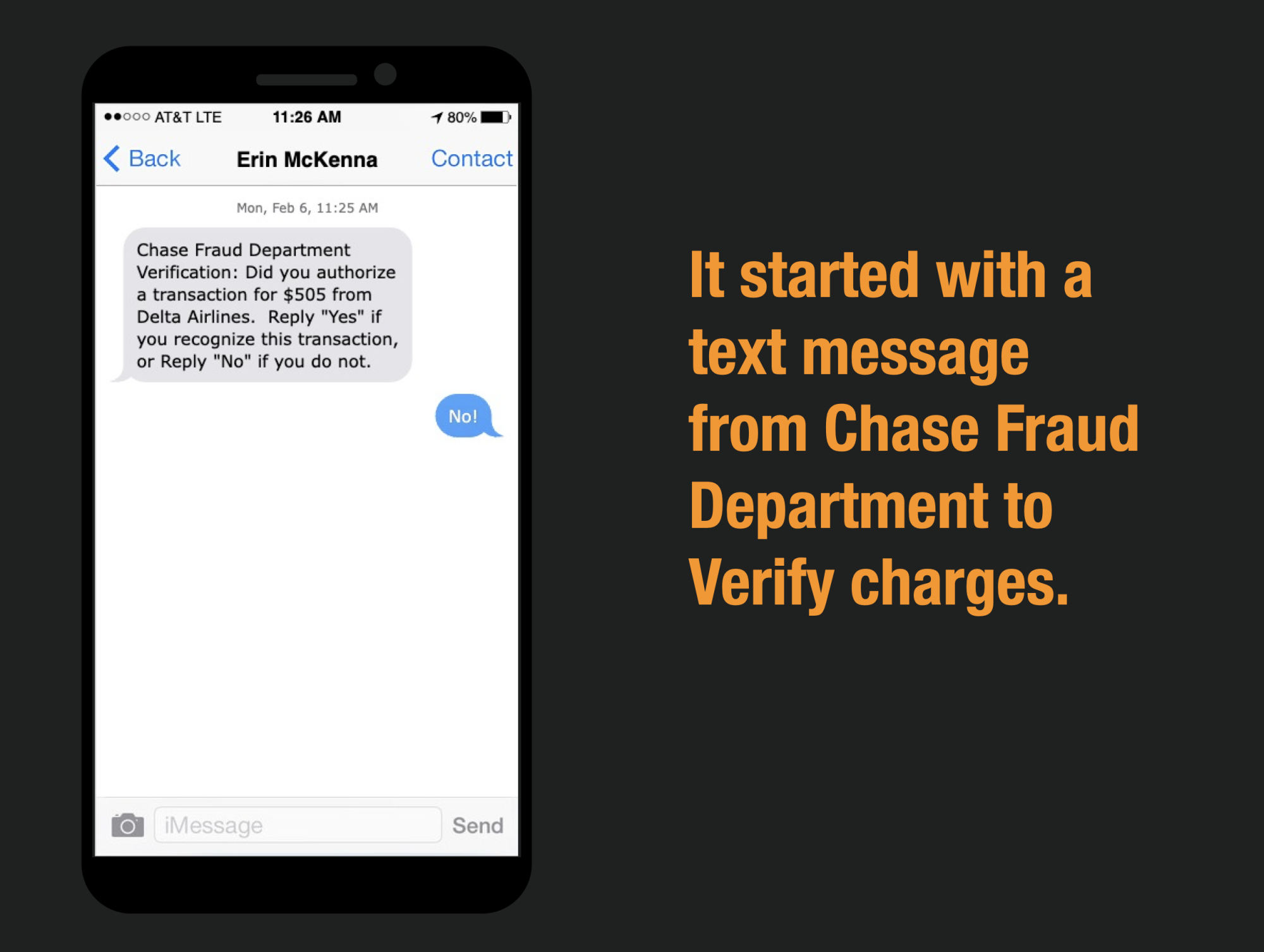
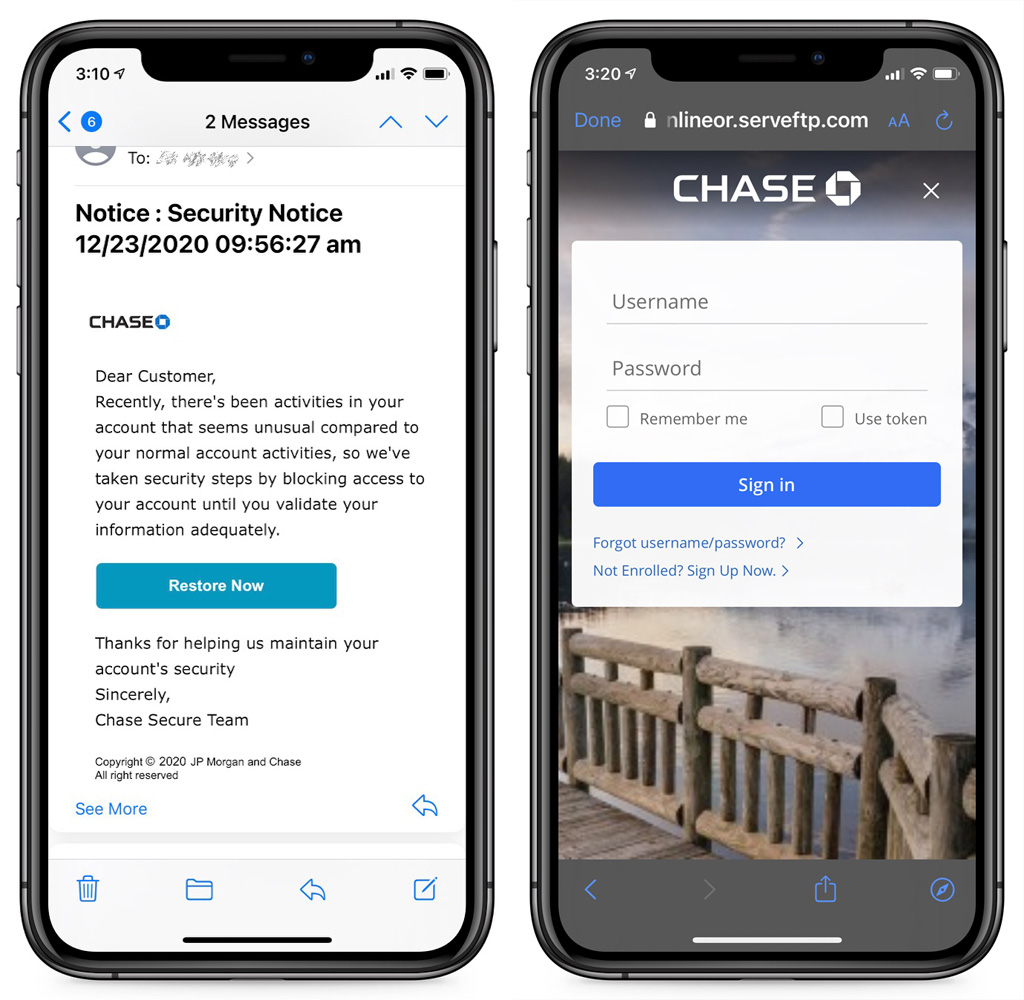
- SMS Spoofing and Fraud Alerts: Attackers send automated text messages mimicking official Chase fraud alerts, claiming a suspicious transaction occurred. They provide a fraudulent callback number or a malicious link designed to capture login credentials.
- Imposter Phone Calls: Scammers spoof official bank telephone numbers on caller ID systems, claiming to be from the Chase Fraud Prevention Department and instructing you to transfer funds to a "safe account."
- Credential Stuffing: Automated bots test username and password combinations stolen from data breaches at unrelated third-party websites, attempting to gain unauthorized entry into your online banking profile.
- SIM Swapping: Criminals manipulate mobile carriers into transferring your phone number to a device under their control, allowing them to intercept SMS-based two-factor authentication codes.
Step-by-Step Response Plan for Compromised Accounts
When you discover unauthorized activity, executing a structured, methodical response minimizes damage and establishes a formal record for reimbursement investigations. Every minute counts when stopping fraudulent transactions or unauthorized wire transfers.
Following an established protocol ensures you do not miss critical containment steps that could leave your secondary accounts exposed.
| Step | Action Required | Technical Objective |
|---|---|---|
| 1. Secure Access | Change your online banking password and PIN immediately. | Revoke active session tokens and lock out unauthorized users. |
| 2. Freeze Cards | Use the Chase Mobile App to lock debit and credit cards instantly. | Prevent physical or digital point-of-sale skimming and unauthorized charges. |
| 3. Contact Support | Call the official Chase fraud phone number (1-877-691-8086). | File formal unauthorized transaction claims and order replacement cards. |
| 4. Review Statements | Perform a line-by-line audit of your last 90 days of transaction history. | Identify the exact starting point of the breach and secondary fraudulent charges. |
| 5. File Reports | Notify credit bureaus (Equifax, Experian, TransUnion) and local law enforcement if identity theft occurred. | Create legal documentation required for financial institution dispute resolution. |
Institutional Security Standards and Consumer Protection Frameworks
Understanding your legal rights under federal banking regulations provides clarity on liability when unauthorized transactions occur. In the United States, consumer protections are primarily governed by federal laws that limit your financial exposure depending on how quickly you report the incident.
Under Regulation E (Electronic Fund Transfers), consumer liability for unauthorized debit card or electronic fund transactions depends on the reporting timeline:
- Immediate Reporting: If you report an unauthorized transfer before any unauthorized charges occur, your financial liability is zero dollars ($0).
- Two-Day Window: If you notify the bank within two business days after learning of the loss or theft of your debit card, your maximum liability is capped at fifty dollars ($50).
- Extended Window (Up to 60 Days): If you fail to notify the bank within two business days following the transmittal of the periodic statement showing unauthorized transfers, your liability could increase up to five hundred dollars ($500).
- Beyond 60 Days: Failure to report unauthorized electronic fund transfers within 60 days of transmittal of the periodic statement may result in the loss of all money stolen from your account.
For credit cards governed by the Truth in Lending Act (Fair Credit Billing Act), consumer liability for unauthorized credit card use is strictly capped at a maximum of fifty dollars ($50), though most major issuers, including Chase, maintain zero-liability policies for reported unauthorized charges.
Comparing Account Protection Features and Dispute Resolution Timelines
Different types of financial products carry distinct dispute resolution mechanisms, processing speeds, and security features. Evaluating these differences helps you utilize the most secure financial instruments for specific transactions.
- Debit Cards: Direct access to checking account funds. Fraud claims require provisional credit issuance while the bank investigates under Regulation E timelines, typically taking up to 10 business days for temporary relief.
- Credit Cards: Utilizes a revolving line of credit backed by the issuing bank's money rather than your cash reserves. Disputes involve withholding payment on disputed charges during the investigation under Fair Credit Billing Act guidelines.
- Zelie and Wire Transfers: Instantaneous peer-to-peer or bank-to-bank transfers. These transactions carry significantly higher recovery hurdles because funds clear immediately, making fraud recovery dependent on the receiving institution's cooperation.
Proactive Defense Measures for Secure Digital Banking
Preventing fraud is vastly superior to recovering stolen funds after an incident occurs. Implementing robust digital hygiene practices drastically reduces your risk profile in modern online banking environments.
- Enable Multi-Factor Authentication (MFA): Utilize biometric verification (Face ID or fingerprint recognition) alongside hardware security keys or authenticator apps rather than relying solely on SMS-based verification codes.
- Set Up Real-Time Transaction Alerts: Configure push notifications and text alerts within the Chase Mobile App for all card purchases, ATM withdrawals, and transfers exceeding specified dollar thresholds.
- Avoid Public Wi-Fi for Banking: Refrain from accessing financial accounts on unsecured public networks unless routing your internet traffic through a trusted Virtual Private Network (VPN).
- Regularly Audit Connected Apps: Periodically review third-party budgeting or investment applications that maintain API access to your Chase accounts and revoke permissions for services you no longer use.
Frequently Asked Questions Regarding Chase Security
What is the official Chase fraud phone number?
The primary consumer fraud hotline for Chase is 1-877-691-8086. This dedicated security line is available to help customers report unauthorized transactions, freeze compromised accounts, and dispute fraudulent charges around the clock.
Can Chase recover money sent via Zelle to a scammer?
Recovering funds sent via Zelle to a fraudulent party is extremely difficult because these peer-to-peer transfers process instantaneously. While you should report the scam immediately to Chase and request an investigation, Zelle transactions function similarly to cash transfers, meaning funds are rarely recovered once accepted by the recipient.
How long does a Chase fraud investigation take?
Chase typically investigates unauthorized debit card transactions within 10 business days under federal Regulation E guidelines, though complex investigations can take up to 45 to 90 days. For credit card disputes, provisional credits are generally applied within a few business days while the dispute resolution process runs its course.
What should I do if I receive a suspicious text claiming to be from Chase?
Do not click any links or reply to suspicious text messages claiming to be fraud alerts. Instead, log directly into the official Chase Mobile App or type the verified website address into your browser to check your account status, or call the number printed on the back of your debit or credit card.
Does Chase have a zero-liability protection policy?
Yes, Chase provides zero-liability protection for unauthorized credit and debit card transactions, provided you report the unauthorized activity promptly. This policy ensures you are not held financially responsible for fraudulent charges made with your card or account information.
Securing Your Financial Future
Safeguarding your financial assets requires constant vigilance, strict adherence to digital security best practices, and immediate action when potential threats arise. By utilizing the official Chase fraud phone number 1-877-691-8086 at the first sign of trouble and maintaining disciplined account monitoring habits, you protect your hard-earned money against emerging cyber threats. Take a moment today to review your account alerts, update your digital credentials, and ensure your contact information is current within your banking profile.
Image Gallery