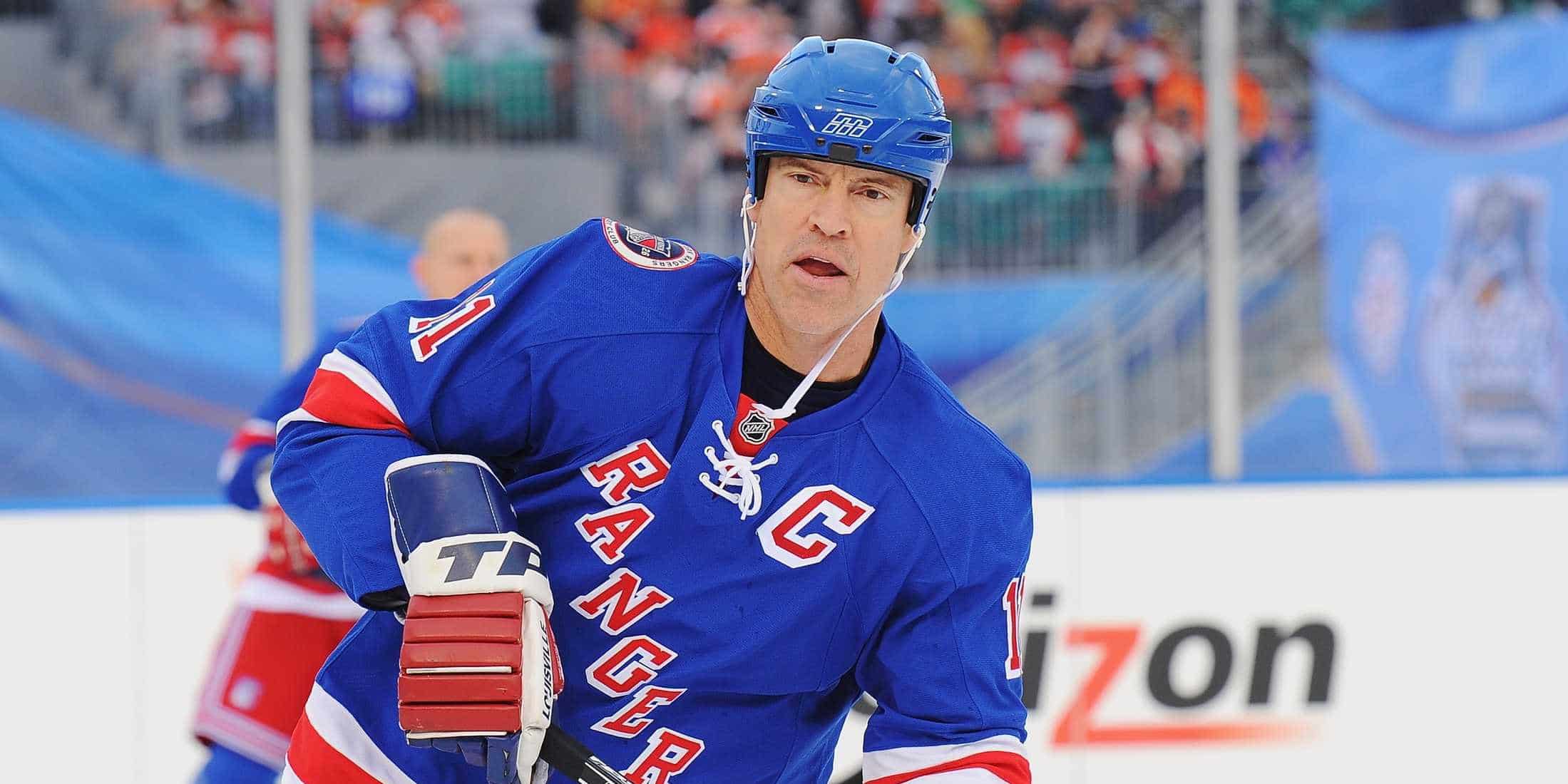
Mark Messier Net Worth Explained in Context
As of 2026, Mark Messier’s net worth is estimated to be approximately $70 million. This valuation is built upon a foundation of nearly $68 million in career NHL salaries, decades of high-tier corporate endorsements, and strategic inves...
As of 2026, Mark Messier’s net worth is estimated to be approximately $70 million. This valuation is built upon a foundation of nearly $68 million in career NHL salaries, decades of high-tier corporate endorsements, and strategic investments in international real estate and sports technology that have sustained his wealth long after his 2004 retirement.
Contents
The Foundation of Wealth: A 25-Season NHL Career
To understand Mark Messier’s net worth in 2026, one must first analyze the unique era in which he played. Messier’s career spanned from 1979 to 2004, a period that saw professional hockey transition from a modest regional sport into a multi-billion-dollar global enterprise. Unlike players in the modern salary-cap era, Messier operated in a market where elite "franchise" players could command significant leverage during contract negotiations.
The Edmonton and New York Eras
During the Edmonton Oilers’ dynasty in the 1980s, Messier’s salary was substantial for the time but paled in comparison to modern figures. However, his move to the New York Rangers in 1991 marked a significant shift in his earning potential. Playing in the world’s largest media market, Messier became the face of the franchise. By the mid-1990s, his annual salary climbed toward the $6 million mark, making him one of the highest-paid athletes in the league.
The Vancouver Contract and Final Years
Perhaps the most significant boost to his career earnings came from his three-year stint with the Vancouver Canucks starting in 1997. Messier signed a deal worth approximately $20 million over three years, an astronomical sum at the time. Despite the controversy surrounding his performance in Vancouver, the contract solidified his financial standing. Upon returning to the Rangers to finish his career, he continued to earn top-tier veteran salaries, retiring just before the 2004-05 lockout fundamentally changed the NHL’s economic structure.
Beyond the Rink: Endorsements and the "Leadership" Brand
Mark Messier did not merely retire from hockey; he transitioned into a professional "leader." This branding has been the primary driver of his post-career financial growth. While many athletes see their endorsement value crater after retirement, Messier’s reputation as "The Captain"—the only player to captain two different franchises to Stanley Cups—has made him a perennial favorite for blue-chip corporations.
Long-Term Partnerships
Messier’s net worth has been bolstered by long-standing relationships with major brands. His partnership with Rogers Communications in Canada is a prime example. As a brand ambassador and spokesperson, Messier has remained a visible fixture during national broadcasts for over a decade. These types of "legacy" endorsements are often more lucrative over time than the short-term performance-based deals active players receive.
Corporate Speaking and Leadership Consulting
Messier has successfully monetized his reputation for leadership through high-fee corporate speaking engagements. Large organizations frequently hire him to deliver keynote addresses on team building and peak performance. In the 2020s, he further expanded this niche with the release of his memoir and subsequent media tours, which served to revitalize his brand for a younger generation of corporate executives and sports fans.
Strategic Investments and Business Ventures
A significant portion of Messier’s $70 million net worth is tied up in diversified investments that go beyond typical stocks and bonds. He has shown a particular interest in real estate and specialized technology.
Hospitality and International Real Estate
One of Messier’s most notable investments is his involvement in the hospitality sector in the Bahamas. He is a co-owner of a boutique resort on Harbour Island. Real estate in this region has seen significant appreciation over the last two decades, and the high-end tourism market provides a steady stream of passive income. Unlike domestic residential real estate, these international commercial holdings offer tax efficiencies and high-barrier-to-entry protection for his capital.
The Messier Project and Sports Tech
Messier’s foray into business also includes "The Messier Project," a collaboration aimed at improving hockey helmet safety. By partnering with companies like Cascade, he moved into the manufacturing and intellectual property space. While the financial specifics of private equity deals are often shielded from the public, these ventures represent a shift from being a "paid face" to being an "equity owner," which is a hallmark of athletes who successfully cross the $50 million net worth threshold.
Comparative Financial Analysis
To provide context for Messier’s wealth in 2026, it is useful to compare his standing with other legends of his era. While he does not reach the billionaire status of individuals like Michael Jordan—who benefited from the massive scale of the NBA and the Jordan Brand—he sits comfortably in the upper echelon of NHL alumni.
| Player | Estimated Net Worth (2026) | Primary Wealth Driver |
|---|---|---|
| Wayne Gretzky | $250 Million | Brand Equity, Team Ownership, Real Estate |
| Mark Messier | $70 Million | Legacy Endorsements, Real Estate, Salaries |
| Mario Lemieux | $200 Million | Team Ownership (Pittsburgh Penguins Sale) |
| Steve Yzerman | $50 Million | Executive Salaries, NHL Career Earnings |
The disparity between Messier and Gretzky or Lemieux largely stems from team ownership equity. Gretzky’s various roles and Lemieux’s pivotal decision to convert deferred salary into ownership of the Penguins created "generational wealth" that exceeds Messier’s. However, Messier’s $70 million puts him significantly ahead of the average Hall of Fame player, largely due to his longevity and his dominance in the New York media market.
Factors Influencing Net Worth Stability in 2026
Several variables ensure that Messier’s wealth remains stable or continues to grow as he enters his mid-60s.
- Inflation and Asset Growth: By holding physical assets like Caribbean real estate, Messier’s portfolio acts as a hedge against currency devaluation.
- Pension and Benefits: As a veteran of 25 seasons, Messier receives the maximum possible NHL pension, which, while not a primary driver of a $70 million net worth, covers significant lifestyle expenses.
- The "New York Factor": Messier’s continued involvement with the Rangers organization as an advisor and community figure ensures his relevance in the world's most concentrated pocket of high-net-worth donors and business leaders.
Challenges and Risks to the Valuation
It is important to note that "net worth" is an estimation of total assets minus liabilities. For a figure like Messier, several factors could influence the accuracy of this $70 million estimate:
- Liquidity: Much of his wealth is tied up in private equity and real estate, which cannot be instantly converted to cash without significant fees.
- Taxation: Having played in multiple jurisdictions (Alberta, New York, British Columbia), Messier’s estate management involves navigating complex cross-border tax laws that can impact net take-home wealth.
- Market Volatility: Like any investor, his private holdings are subject to the health of the global economy, particularly the luxury travel market in the Bahamas.
Frequently Asked Questions
Did Mark Messier make more money from hockey or endorsements?
Messier earned approximately $68 million in gross NHL salary. After taxes and agent fees, his net take-home from hockey was likely around $35–$40 million. Since his retirement in 2004, his earnings from endorsements, investments, and business ventures have likely matched or exceeded his initial hockey earnings, making his total wealth a near-even split between on-ice and off-ice sources.
How does Mark Messier's net worth compare to current NHL stars?
In 2026, current stars like Connor McDavid earn upwards of $12 million per year in salary alone. While McDavid’s career earnings will eventually surpass Messier’s, Messier’s "brand longevity" is the gold standard. Current players have higher nominal salaries, but Messier’s wealth has benefited from decades of compound interest and the higher purchasing power of the dollar during his prime years.
What is the Messier Project?
The Messier Project was a safety-focused initiative aimed at reducing concussions in hockey through better helmet technology. Financially, this involved a partnership with Cascade Sports. While the brand was later integrated into other entities, it represented Messier's transition from an athlete to a sports technology entrepreneur.
Does Mark Messier own a professional sports team?
No, Mark Messier does not currently own a majority stake in a professional sports team. Unlike Mario Lemieux, who famously owned the Pittsburgh Penguins, Messier has focused his capital on real estate and corporate partnerships. He has, however, held various advisory roles within the New York Rangers organization.
How much did Messier earn for his famous Lay's commercials?
While specific contract details for the "Betcha can't eat just one" campaign were never disclosed, industry experts estimate that multi-year national ad campaigns for a player of Messier’s stature in the 1990s were valued in the low seven figures ($1 million to $2 million).
Practical Recommendation for Fans and Analysts
When evaluating the net worth of a sports icon like Mark Messier, it is essential to look beyond the "headline number." His financial success is a blueprint for brand diversification. For those interested in sports management or personal finance, Messier’s career demonstrates that the ability to articulate a specific value proposition—in his case, "leadership"—is more valuable for long-term wealth than the athletic performance itself. To follow his trajectory, one should monitor his ongoing involvement in New York-based philanthropic and business ventures, as these are the current indicators of his brand's health.
Image Gallery