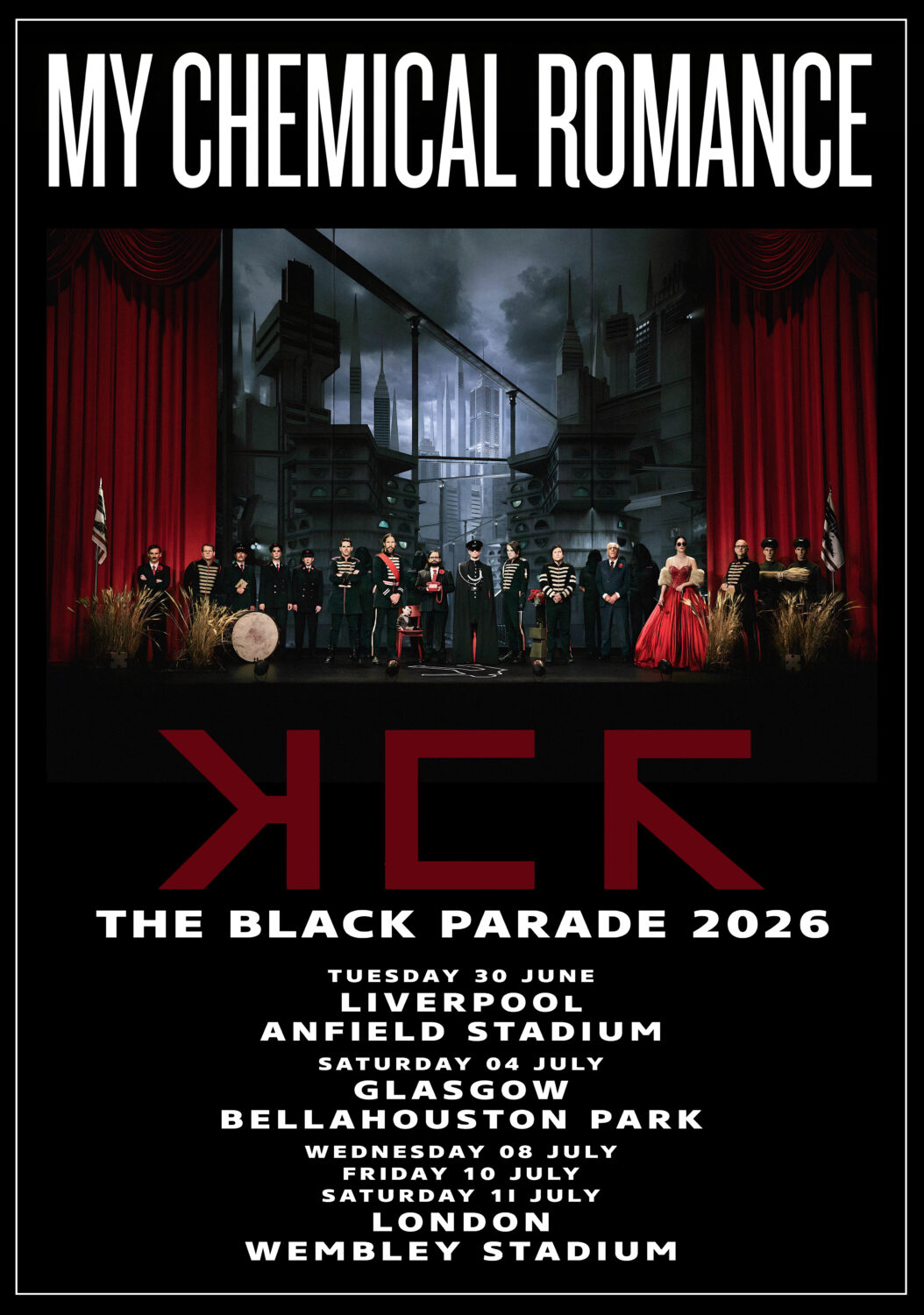
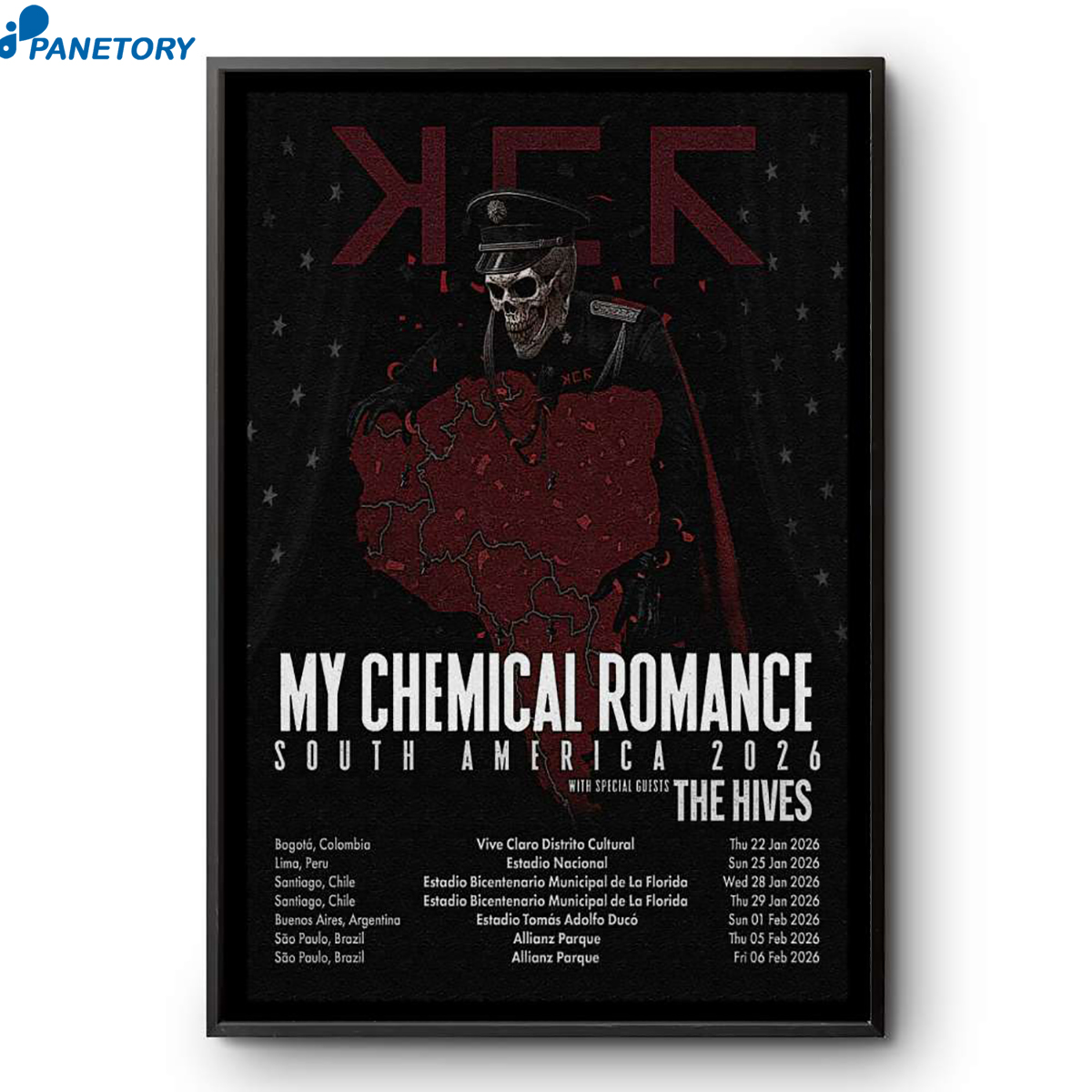
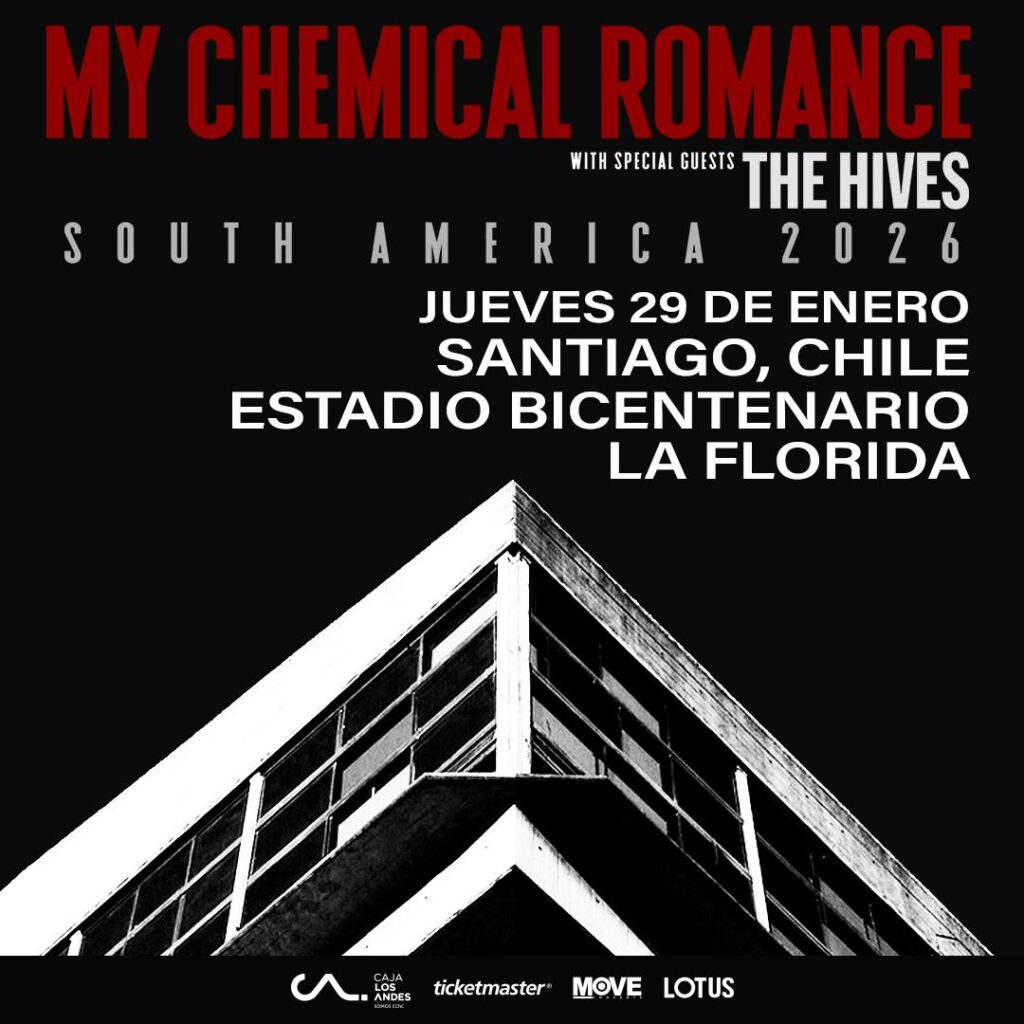
My Chemical Romance Tour 2026 with Openers: What Fans Need to Know
Planning for a major concert tour involves understanding routing, ticketing strategies, and the supporting acts that shape the live experience. For My Chemical Romance (MCR), tour lineups and supporting bands have historically been cur...
Planning for a major concert tour involves understanding routing, ticketing strategies, and the supporting acts that shape the live experience. For My Chemical Romance (MCR), tour lineups and supporting bands have historically been curated to reflect the diverse musical lineage of the band, drawing from post-hardcore, indie rock, punk, and alternative genres. Evaluating a tour announcement requires examining how these supporting acts complement the headlining performance, what ticket purchasers can expect logistically, and how historical context informs current routing.
Contents
Understanding the My Chemical Romance Live Experience
Attending a My Chemical Romance tour offers an immersive look into a band whose theatrical stagecraft and emotionally charged catalog have defined alternative rock for decades. Formed in Newark, New Jersey, in 2001, the group—fronted by Gerard Way, alongside lead guitarist Ray Toro, rhythm guitarist Frank Iero, and bassist Mikey Way—built a reputation for high-energy performances that blend gothic aesthetics with driving, arena-scale punk rock.
When evaluating a major tour routing, fans must look beyond the headliner to understand the entire evening's pacing. A typical MCR concert is structured to build narrative tension, often utilizing striking visual production, deliberate lighting cues, and a setlist that spans their studio albums—from the raw aggression of I Brought You My Bullets, You Brought Me Your Love and the breakthrough angst of Three Cheers for Sweet Revenge to the operatic grandeur of The Black Parade and the dystopian pop-punk of Danger Days: The True Lives of the Fabulous Killjoys. Understanding this framework helps concertgoers contextualize why certain supporting acts are chosen to open the stage.
The Role and Selection of Opening Acts
Supporting acts on a major alternative rock tour serve a dual purpose: they warm up the audience and establish a cohesive sonic atmosphere for the headliner. MCR is well-known for handpicking tour openers that span a wide spectrum of the underground and alternative scenes, frequently elevating bands that share their penchant for theatricality, raw emotional delivery, or sonic experimentation.
Historically, MCR tours have featured a diverse roster of support, ranging from legendary punk pioneers and contemporary post-punk acts to emerging indie and experimental artists. This curation ensures that the audience is exposed to a dynamic cross-section of modern guitar-driven music. When assessing a tour lineup with openers, ticket buyers should research the specific musical style of the supporting bands to gauge how the evening's genre blend will unfold.
Factors Influencing Tour Openers and Lineups
- Sonic Compatibility: Bands that share stylistic touchstones—such as driving basslines, dramatic vocal delivery, or aggressive guitar work—are frequently selected to maintain energy continuity.
- Geographic and Leg Variations: Large-scale tours often rotate supporting acts depending on the leg, city, or festival appearance, meaning ticket holders must check the specific billing for their local date.
- Legacy and Influence: MCR has occasionally brought out musical inspirations and peers from the early 2000s underground scene, bridging generational gaps within the alternative community.
- Emerging Talent: The band regularly provides a major platform for newer, critically acclaimed underground acts, introducing them to arena-sized audiences.
Ticketing Strategies and Venue Logistics
Securing admission to a high-demand alternative rock tour requires navigating complex ticketing platforms, dynamic pricing models, and strict venue policies. Major arena and stadium tours typically utilize tiered ticketing systems ranging from general admission floor access to reserved bowl seating and VIP packages.
Purchasers should prepare well in advance by registering for verified fan presales when applicable, understanding ticket transfer restrictions, and purchasing exclusively through authorized primary vendors to avoid fraudulent scalper sites. Venue logistics—such as door times, bag policies, and parking availability—also demand careful review prior to the event date to ensure a smooth entry process.
Tour Attendance Comparison: General Admission vs. Reserved Seating
| Feature | General Admission (Floor) | Reserved Seating (Lower/Upper Bowls) | VIP & Premium Packages |
|---|---|---|---|
| Viewing Experience | Close proximity to the stage; high physical energy. | Elevated, unobstructed sightlines of the full stage production. | Premium seating or early floor entry with exclusive merchandise. |
| Arrival Strategy | Requires early arrival to secure barricade or close spots. | Flexible arrival time closer to show or opener set times. | Designated VIP check-in lines and dedicated entry gates. |
| Physical Demands | Standing for several hours in a dense crowd; potential for mosh pits. | Seated environment with personal space and cup holders. | Varies by package; may include lounge access and priority merchandise shopping. |
| Pricing Tier | Typically standard base floor pricing. | Varies by proximity to the stage and tier level. | Premium pricing reflecting added perks and exclusive items. |
Frequently Asked Questions
Who typically selects the opening acts for My Chemical Romance tours?
The band members themselves are actively involved in curating their tour lineups, often inviting bands they personally admire, feel a kinship with, or want to championing on a larger stage. This hands-on approach ensures that the supporting acts align with the artistic vision of the tour.
Do the opening acts remain the same for every date of the tour?
Not always. While some tours feature a consistent support act for an entire leg, many large-scale runs rotate openers depending on the geographic region, country, or whether the date is a standalone arena show or a festival appearance. Always verify the specific bill for your exact date.
What time do doors open relative to the opening acts?
Venues typically open their doors between 60 to 90 minutes before the first opening act takes the stage. Timelines are usually published by the venue or tour promoter via social media and ticketing accounts on the day of the show, allowing attendees to plan their arrival accordingly.
Are professional cameras allowed during the opening acts' sets?
Most major arenas and amphitheaters enforce a strict policy prohibiting professional cameras with detachable lenses, audio recording equipment, and video recording devices for both the openers and the headliner. Standard smartphones are generally permitted for casual photography and short video clips.
How can I verify if a ticket vendor is authorized?
Always purchase tickets directly through the official My Chemical Romance website, the designated primary ticketing platform listed by the venue (such as Ticketmaster or AXS), or verified box office outlets. Avoid secondary marketplaces unless they offer robust buyer guarantees and transparent transfer protocols.
Practical Next Actions for Concertgoers
To ensure a seamless concert experience, attendees should take proactive steps well in advance of the event date. First, confirm your specific tour date, venue location, and the announced supporting acts through official band channels. Second, review the venue's entry requirements, clear bag policies, and digital ticketing instructions to avoid delays at the security gates. Finally, plan your transit and parking logistics early, as arena-scale events frequently generate heavy traffic congestion and elevated parking rates in surrounding districts.
Image Gallery