How to Access the Los Angeles Superior Court Calendar in 2026
The Los Angeles Superior Court calendar is a centralized public database managed by the Los Angeles County judicial system, providing real-time scheduling information for civil, criminal, family, and probate matters. To view upcoming p...
The Los Angeles Superior Court calendar is a centralized public database managed by the Los Angeles County judicial system, providing real-time scheduling information for civil, criminal, family, and probate matters. To view upcoming proceedings, users must utilize the official court website's search portal by entering a valid case number, party name, or attorney information to retrieve specific hearing dates, times, and courtroom locations.
Contents
Navigating the Los Angeles County Superior Court Case Access Portal
The Superior Court of California, County of Los Angeles, operates as the largest trial court system in the United States. In 2026, the court continues to prioritize digital access through its unified Case Access system. Understanding how to interact with this portal is essential for attorneys, litigants, and the general public to stay informed about active legal proceedings.
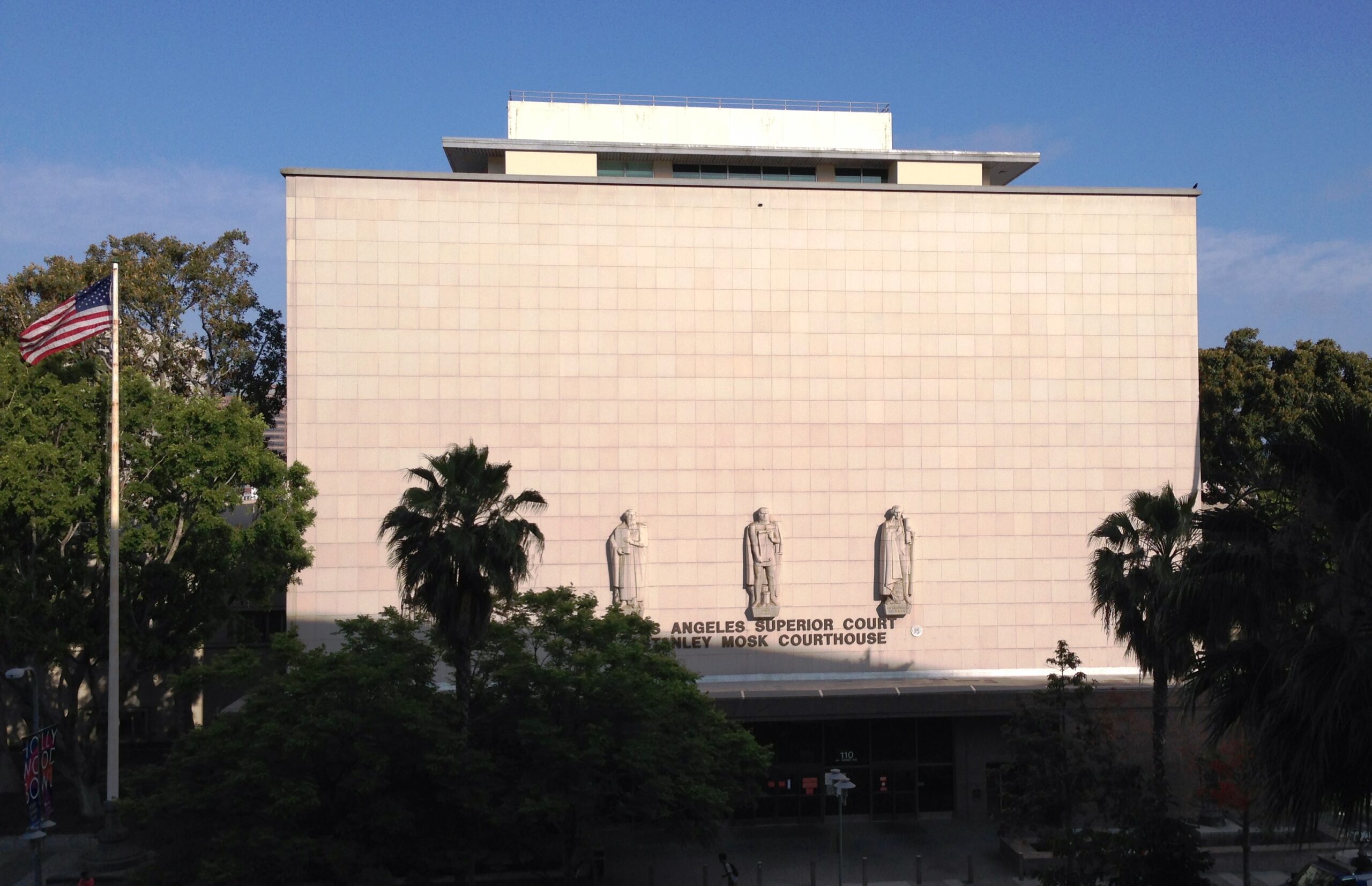
The system is categorized into distinct access points based on the nature of the litigation. Because Los Angeles County spans dozens of courthouses—from the Stanley Mosk Courthouse in downtown LA to the Michael D. Antonovich Antelope Valley Courthouse in Lancaster—identifying the correct venue through the calendar is the first step in physical or virtual attendance.
Digital Search Requirements and Limitations
To successfully retrieve a court calendar entry, you generally need more than just a name. While party name searches are available, they often return multiple results if a common name is used. For the most accurate results, the following identifiers are recommended:
- Case Number: This is the primary key. A standard LA Superior Court case number (e.g., 26STCV12345) uniquely identifies the matter.
- Courtroom Number: If you already know where the case is heard, you can narrow your search by filtering for specific judicial departments.
- Case Type: Distinguishing between Civil, Criminal, Family Law, Juvenile, and Probate is mandatory, as these databases operate on different internal servers within the court infrastructure.
Privacy and Redaction Standards
Public Access Policy: While the court calendar provides scheduling information such as hearing dates and times, sensitive data within case files remains protected under California Rules of Court. Certain juvenile matters, mental health proceedings, and sealed records are entirely excluded from public online search portals. Accessing these requires a formal motion filed with the court clerk.
Breakdown of Court Calendar Data Categories
The information displayed on the calendar is updated throughout the business day. When you pull up a docket or a calendar view, you will typically encounter specific terminology that dictates how the proceeding will be handled.
| Calendar Entry Status | Description | Action Required |
|---|---|---|
| On Calendar | The hearing is confirmed and scheduled. | Appear at the assigned time and department. |
| Off Calendar | The hearing has been vacated or cancelled. | Contact the clerk to confirm if a new date is set. |
| Continued | The hearing has been postponed to a future date. | Note the new date and time provided. |
| Submitted | The judge has taken the matter under advisement. | Await a written order or clerk's notice. |
Procedures for Virtual and In-Person Appearances in 2026
As of 2026, the Los Angeles Superior Court utilizes a hybrid model for appearances. Depending on the department and the type of hearing, you may be required to appear in person or allowed to appear via LACourtConnect.
Preparing for Physical Courtroom Attendance
If the calendar indicates that an in-person appearance is required, ensure you are familiar with the specific courthouse location. Security screening at LA courthouses is rigorous. Prohibited items include recording devices (without prior authorization), sharp objects, and certain electronic devices.
- Verify the Courthouse: Double-check the address. Many cases for the same region are moved between satellite courthouses.
- Arrival Time: Aim to arrive at least 30 minutes before the scheduled hearing to clear security.
- Check-in: Once you arrive at the designated courtroom, check in with the courtroom clerk. Do not assume the judge sees you simply by entering the room.
Utilizing LACourtConnect for Remote Hearings
For civil, family, and probate matters where remote appearances are permitted, the court uses the LACourtConnect platform. You must register your appearance at least one day in advance. Failure to register properly in the portal before the deadline often results in the system marking you as absent, which may lead to adverse rulings.
Troubleshooting Common Search Failures
Users frequently encounter "No Records Found" errors when searching the Los Angeles court calendar. This is rarely a sign that a case does not exist, but rather a reflection of the precision required by the search algorithm.
- Spelling Variations: The search engine is sensitive to exact matches. If a business name is misspelled or a suffix (e.g., Inc., LLC) is missing, the system may return zero results. Try searching by the lead party's last name only.
- Data Latency: While the system is near-real-time, large volume days can cause a slight delay in updates appearing on the public portal. If a hearing was scheduled within the last 24 hours, check back the following business day.
- Incorrect Portal: Ensure you are not searching the Federal Court (Central District of California) when you intended to search the Superior Court (County of Los Angeles). These are separate legal systems with entirely different databases.
Frequently Asked Questions Regarding LA Court Schedules
How can I find the hearing time for a specific judge?
You can search the daily calendar by courthouse and department number. By selecting the specific department, you will see a list of all cases scheduled for that day in that courtroom.
Are all court documents available on the calendar?
No. The calendar only displays scheduling information. Viewing actual case filings, such as motions or complaints, requires access to the Case Document Images portal, which often requires a paid subscription or an in-person visit to a courthouse kiosk.
Does the court calendar update on weekends?
The Los Angeles Superior Court is closed on weekends and court-observed holidays. Updates to the calendar typically occur during business hours, Monday through Friday, 8:30 AM to 4:30 PM Pacific Time.
What should I do if my name is wrong on the calendar?
If there is a clerical error on the court calendar regarding a party name, contact the clerk of the court for the specific department where the case is assigned. They are responsible for updating the metadata associated with the case record.
Can I request a calendar change online?
General scheduling changes, such as continuances, cannot be requested via the search portal. You must file a formal request or stipulation with the court clerk in accordance with the California Code of Civil Procedure.
Recommendations for Legal Practitioners and Litigants
For those actively involved in litigation within Los Angeles County, relying solely on manual calendar searches is inefficient. It is standard practice in 2026 for attorneys to utilize legal calendaring software that syncs with the Los Angeles Superior Court’s API or uses screen-scraping technology to provide automated updates. If you are a self-represented litigant, establish a habit of checking the portal every Monday morning and 48 hours before any anticipated deadline to ensure no last-minute changes have been made to the court’s availability or the judge's schedule.
Image Gallery