Navigating Your Driving Test Result: Understanding Outcomes and Next Steps
Securing your driving test result marks a pivotal moment in your journey toward independent mobility, whether you pass on your first attempt or need to address specific feedback from your examiner. Understanding the grading criteria, d...
Securing your driving test result marks a pivotal moment in your journey toward independent mobility, whether you pass on your first attempt or need to address specific feedback from your examiner. Understanding the grading criteria, deciphering minor versus major faults, and knowing the immediate procedural steps for license issuance or retesting ensure a smooth transition to the road.
Contents
Anatomy of a Driving Test Scoring Sheet
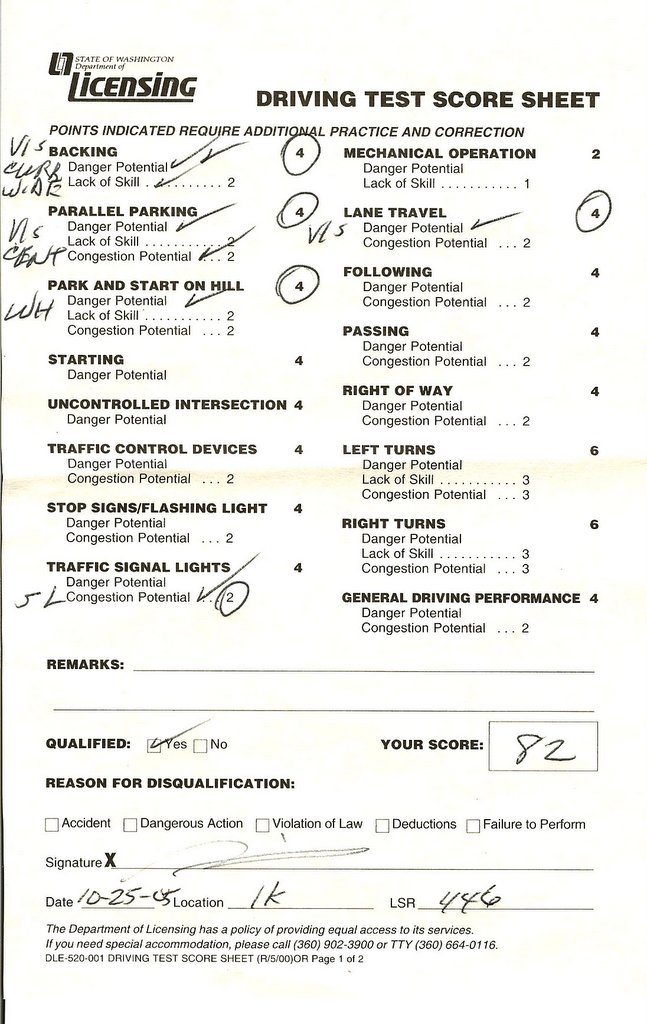
Examiners evaluate candidates using a standardized marking system designed to assess road safety awareness, vehicle control, and adherence to traffic laws. Every action behind the wheel is categorized into specific fault types that ultimately determine the driving test result.
- Driving Faults (Minors): These represent minor errors that are not dangerous in isolation. Accumulating more than 15 driving faults results in a failure.
- Serious Faults: These involve potential danger to other road users, pedestrians, or property, resulting in an automatic failure of the assessment.
- Dangerous Faults: These involve actual danger occurring during the test, requiring immediate intervention by the examiner or safety driver, resulting in an immediate fail.
| Fault Category | Severity Level | Impact on Driving Test Result | Permitted Threshold |
|---|---|---|---|
| Minor Fault | Low | None individually; tracked for patterns | Up to 15 allowed |
| Serious Fault | High | Immediate test failure | Zero tolerance (1 triggers fail) |
| Dangerous Fault | Critical | Immediate test failure and test termination | Zero tolerance (1 triggers fail) |
What Happens Immediately After the Test
Once the vehicle is parked back at the test center and the engine is switched off, the examiner processes the paperwork and delivers the driving test result. Modern jurisdictions often provide digital results alongside a physical feedback sheet, detailing exact locations and scenarios where faults occurred.
If you pass, the examiner will typically ask if you want your full license processed automatically. Provided you surrender your provisional or learner permit and meet all identity verification requirements, the licensing authority will mail your full driver's license. If you fail, the examiner dedicates the remaining time to debriefing the specific maneuvers and observational lapses that led to the unsuccessful outcome. This feedback session is vital for structuring your subsequent practice lessons.
Comparing Pass and Fail Pathways
Navigating the aftermath of a driving test result requires contrasting strategies depending on whether you received a pass notification or an advisory to retest.
| Feature / Action | Passing the Test | Failing the Test |
|---|---|---|
| Immediate Status | Authorized to drive independently | Must continue driving under supervision |
| Documentation | Pass certificate and digital/physical license application | Feedback sheet detailing minor, serious, and dangerous faults |
| Mandatory Waiting Period | None (license active upon issuance) | Statutory waiting period (typically 10 working days minimum) |
| Insurance Impact | Premium adjustments required for policy upgrade | No change in provisional insurance status |
Preparing for a Retest After an Unsuccessful Result
Receiving a failing driving test result is a common experience shared by many competent drivers and should be viewed as a diagnostic tool rather than a permanent roadblock. Structuring your recovery plan involves targeted remediation of the exact weaknesses highlighted on your feedback sheet.
- Analyze the Feedback Sheet: Review every recorded fault with a professional instructor to identify behavioral patterns, such as mirror checks before signaling or positioning errors at roundabout junctions.
- Book the Statutory Retest: Respect the mandatory cooling-off period enforced by licensing agencies, which allows candidates adequate time for remedial training.
- Targeted Practical Lessons: Focus lessons exclusively on the weak areas identified during the test rather than repeating maneuvers you executed successfully.
- Mock Testing: Conduct simulated test conditions with a different instructor to build emotional resilience and test-day composure.
Frequently Asked Questions About Driving Test Results
How soon will I receive my full license after passing?
Most licensing authorities dispatch the full physical license within 5 to 10 working days following a successful driving test result. Digital confirmation is often available immediately, allowing you to drive legally while awaiting the physical card, depending on regional regulations.
Can I appeal a driving test result if I disagree with the examiner?
You cannot appeal a driving test result based solely on the subjective opinion of the examiner regarding your driving standard. An appeal can only be lodged through formal legal channels if you can prove that the test was not conducted in accordance with statutory regulations and procedures.
How many times can I retake the driving test if I fail?
There is no legal limit to the number of times you can attempt the driving test. However, failing multiple times often triggers a mandatory review or recommendation for intensive professional driver training before booking another slot.
Does my driving test result expire if I do not apply for my license immediately?
Pass certificates typically feature a strict validity window—usually two years—within which you must claim your full driver's license. Failing to do so invalidates the test result, requiring you to pass both the theory and practical examinations again.
What should I do if I lose my feedback sheet?
Contact your local test center or access your secure online driver portal immediately to retrieve a digital copy of your driving test result and fault analysis. Retaining this document is crucial for your supervising instructor to correct lingering driving habits.
Ensure you review your feedback thoroughly, address every identified deficiency with precision, and utilize professional instruction to guarantee long-term road safety success.
Image Gallery