Understanding Mass State Employee Payroll: Systems, Schedules, and Administration in 2026
The Massachusetts state employee payroll system manages compensation, tax withholdings, deductions, and direct deposits for tens of thousands of public servants across executive agencies, higher education, and judicial branches. Operat...
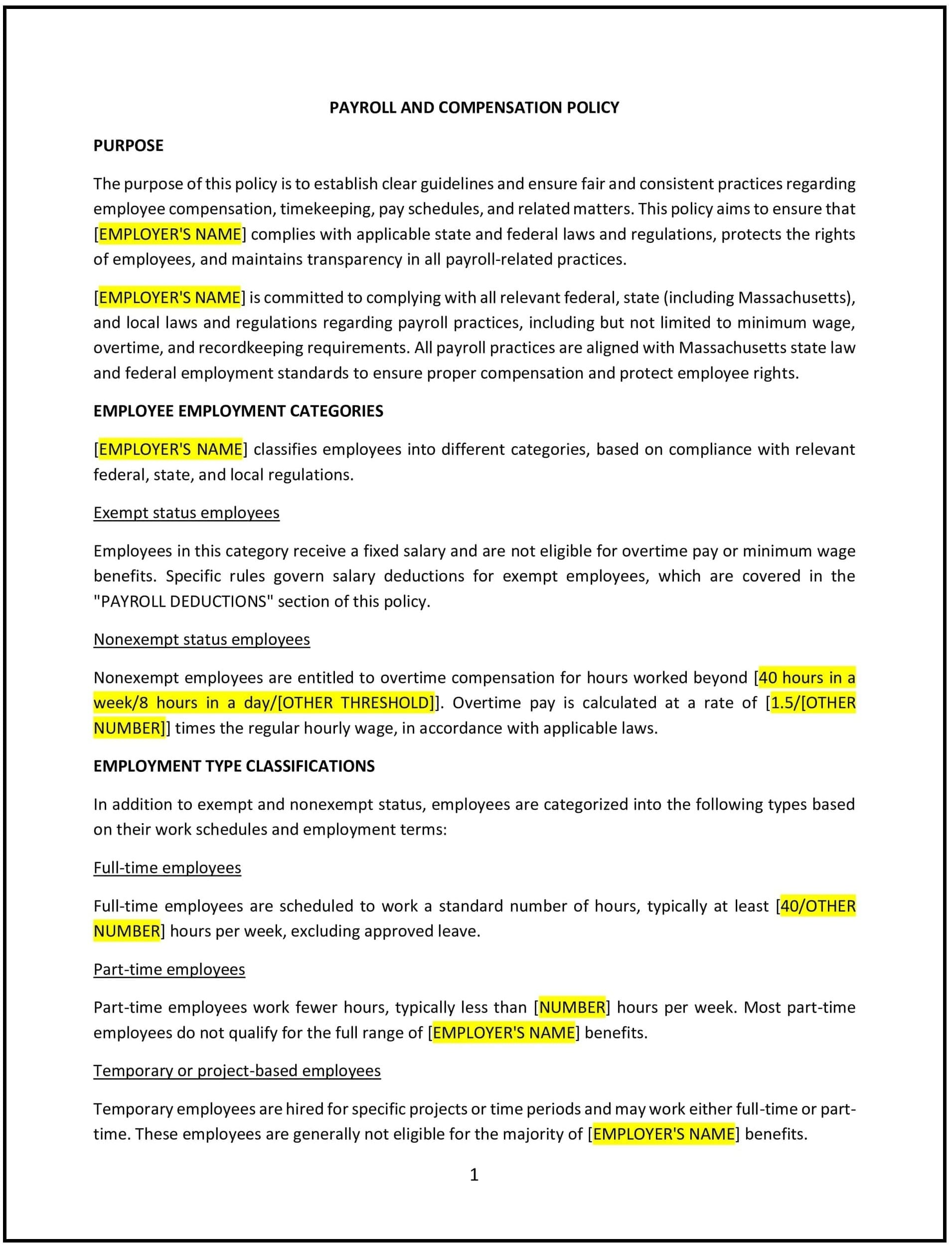
The Massachusetts state employee payroll system manages compensation, tax withholdings, deductions, and direct deposits for tens of thousands of public servants across executive agencies, higher education, and judicial branches. Operating primarily through the Massachusetts Human Resources Division (HRD) and the Massachusetts Management Accounting and Reporting System (MMARS), the state ensures biweekly and semi-monthly wage disbursements under strict adherence to state and federal labor laws.
Contents
The Architecture of Massachusetts State Government Payroll
State compensation in Massachusetts relies on a centralized administrative framework designed to handle a diverse workforce ranging from administrative staff to specialized healthcare providers and transportation workers. The Commonwealth manages payroll processing through integrated software solutions that link personnel records with financial ledgers.
The Office of the State Comptroller (OSC) oversees MMARS, which serves as the backbone for accounting and payroll distribution. Concurrently, HRD establishes job classifications, salary ranges, and bargaining unit agreements. Most state employees are paid on a biweekly schedule, though certain academic institutions and specific executive appointments may follow alternative cycles.
Core Components of the State Payroll Infrastructure
- Human Resources Division (HRD): Maintains position controls, civil service lists, and statewide compensation plans.
- Office of the State Comptroller (OSC): Processes warrants, executes electronic funds transfers (EFT), and manages year-end tax reporting.
- Departmental Payroll Offices: Individual secretariat human resources departments handle day-to-day time and attendance tracking, leave balances, and localized exception processing.
- Enterprise Learning and Management System (ELMS): Integrates with personnel tracking to ensure training-related stipends or differentials are applied correctly.
Payroll Schedules, Pay Periods, and Timekeeping Protocols
Understanding the operational calendar is essential for accurate compensation tracking. Massachusetts state employees generally operate on a two-week pay period. Timekeeping is managed via electronic portals where employees log hours, overtime, and leave usage.
Supervisors and payroll officers review these submissions against collective bargaining agreements. Standard overtime rules apply to eligible staff under the Fair Labor Standards Act (FLSA) and respective union contracts, requiring precise documentation of hours worked beyond the standard 37.5 or 40-hour workweek.
Key Milestones in the Biweekly Payroll Cycle
| Cycle Phase | Standard Timeline | Operational Responsibility |
|---|---|---|
| Time Entry | Monday through Sunday (Previous Week) | Employee records hours and leave |
| Supervisory Approval | Monday by 10:00 AM following pay period close | Department manager verifies attendance |
| Payroll Processing | Tuesday through Thursday | OSC and HRD execute calculations and tax runs |
| Payday | Friday (Biweekly) | Direct deposit funds available to employee accounts |
Deductions, Taxes, and Statutory Withholdings
Net pay for Massachusetts state employees reflects mandatory statutory deductions alongside voluntary benefits. Because public sector employment in Massachusetts often intersects with specific pension structures, calculations require careful coordination between state agencies and retirement boards.
Mandatory vs. Voluntary Payroll Withholdings
- Statutory Withholdings: Federal income tax, Massachusetts state income tax (flat rate governed by state statute), Medicare, and Social Security (dependent on specific retirement system coverage).
- State Retirement Systems: Contributions to either the Massachusetts State Employees' Retirement System (MSERS) or the Optional Retirement Program (ORP) for higher education faculty. Note that most MSERS members do not contribute to Social Security for state-earned wages, participating instead in the state pension plan.
- Health and Insurance Benefits: Premium deductions for the Group Insurance Commission (GIC), which administers health, life, and long-term disability insurance.
- Voluntary Deductions: Contributions to deferred compensation plans (such as the Massachusetts SMART Plan 457b), union dues, charitable contributions, and flexible spending accounts (FSAs).
Accessing and Managing Your Earnings Statements
Active state employees utilize self-service online portals to view earnings statements, update direct deposit information, and retrieve W-2 tax forms. The commonwealth utilizes secure web platforms to ensure personal identifiable information (PII) remains protected against unauthorized access.
Step-by-Step Guide to Updating Direct Deposit Information
- Access the Secure Portal: Log into the designated state employee self-service portal using multi-factor authentication (MFA).
- Navigate to Payroll and Compensation: Select the banking and direct deposit management section from the main dashboard.
- Verify Identity: Complete any secondary security prompts required by state IT security protocols.
- Enter New Account Details: Input the correct 9-digit routing number and bank account number. Ensure you select the appropriate account type (checking or savings).
- Submit and Confirm: Save the changes. Note that direct deposit changes often require a pre-note period, meaning a physical paycheck may be issued for a single pay cycle while the new routing details are verified by the banking institution.
Common Payroll Discrepancies and Resolution Workflows
Errors in state payroll can stem from delayed timecard approvals, incorrect shift differential applications, or miscalculated GIC deductions following a life event. Addressing these issues requires a structured escalation path.
- Review the Earnings Statement: Compare current hours worked, pay rates, and deductions against your collective bargaining agreement or employment contract.
- Contact Department HR/Payroll Liaison: Submit a formal inquiry to your agency's internal payroll office with supporting documentation, such as approved overtime slips or timecard logs.
- Off-Cycle Payroll Requests: In cases of severe underpayment or administrative error resulting in financial hardship, agencies can request an off-cycle manual warrant through the Office of the State Comptroller, subject to strict departmental approval thresholds.
Frequently Asked Questions About Massachusetts State Payroll
How often are Massachusetts state employees paid?
Most Massachusetts state employees are paid on a biweekly basis, resulting in 26 pay periods per calendar year, though specific schedules may vary depending on agency or collective bargaining unit rules. Biweekly paydays consistently land on Fridays.
Why does my state pay stub show no Social Security deduction?
Many Massachusetts state employees participate in the Massachusetts State Employees' Retirement System (MSERS) rather than Social Security, meaning state-earned wages are exempt from federal Social Security tax withholdings in lieu of mandatory state pension contributions.
How do I update my tax withholding elections (W-4 / M-4)?
You can update your federal W-4 and state M-4 tax withholding forms electronically through the employee self-service portal under the tax withholding management section, or by submitting physical forms directly to your agency's human resources department.
What should I do if my direct deposit does not arrive on payday?
First, verify with your financial institution whether a pending transaction or pre-note is on file. If the funds have not posted by standard banking hours, immediately contact your agency's payroll office to trace the electronic funds transfer through the Office of the State Comptroller.
Are state employee payroll records accessible to the public?
Yes, under the Massachusetts Public Records Law, certain state payroll data—including employee names, job titles, base salaries, and gross annual earnings—are considered public record and are regularly published via online transparency platforms managed by the state.
Navigating State Compensation Support
For ongoing assistance with your compensation, tax documents, or benefits adjustments, consult your agency's dedicated human resources representative or review published guidelines provided directly through the Massachusetts Office of the State Comptroller and the Human Resources Division portals.
Image Gallery