Understanding Country Crock Salt Content: Original Spreads and Plant Butter Variants
Most Country Crock products are salted to enhance flavor and shelf stability. The flagship "Original" spread and the "Churn Style" variety both contain approximately 100mg of sodium per tablespoon. However, the brand offers specific "P...
Most Country Crock products are salted to enhance flavor and shelf stability. The flagship "Original" spread and the "Churn Style" variety both contain approximately 100mg of sodium per tablespoon. However, the brand offers specific "Plant Butter" sticks in an unsalted version, designed for bakers who require precise control over the sodium content in their recipes.
Contents
Defining Country Crock: Butter or Vegetable Oil Spread?
To accurately answer whether Country Crock is salted, one must first understand what the product is. While often found in the dairy aisle next to traditional butter, Country Crock is technically a vegetable oil spread, not dairy butter. According to the U.S. Food and Drug Administration (FDA), for a product to be labeled as "butter," it must contain at least 80% milkfat. Country Crock consists primarily of a blend of plant-based oils and water, which classifies it as a spread or margarine depending on the specific oil percentage.
The distinction between butter and spread is critical because it dictates how salt interacts with the other ingredients. In traditional butter, salt is added to the cream during the churning process. In a vegetable oil spread like Country Crock, salt is dissolved in the aqueous (water) phase of the emulsion. This ensures a consistent salty flavor throughout the product, even though it contains significantly more water and less fat than traditional dairy butter.
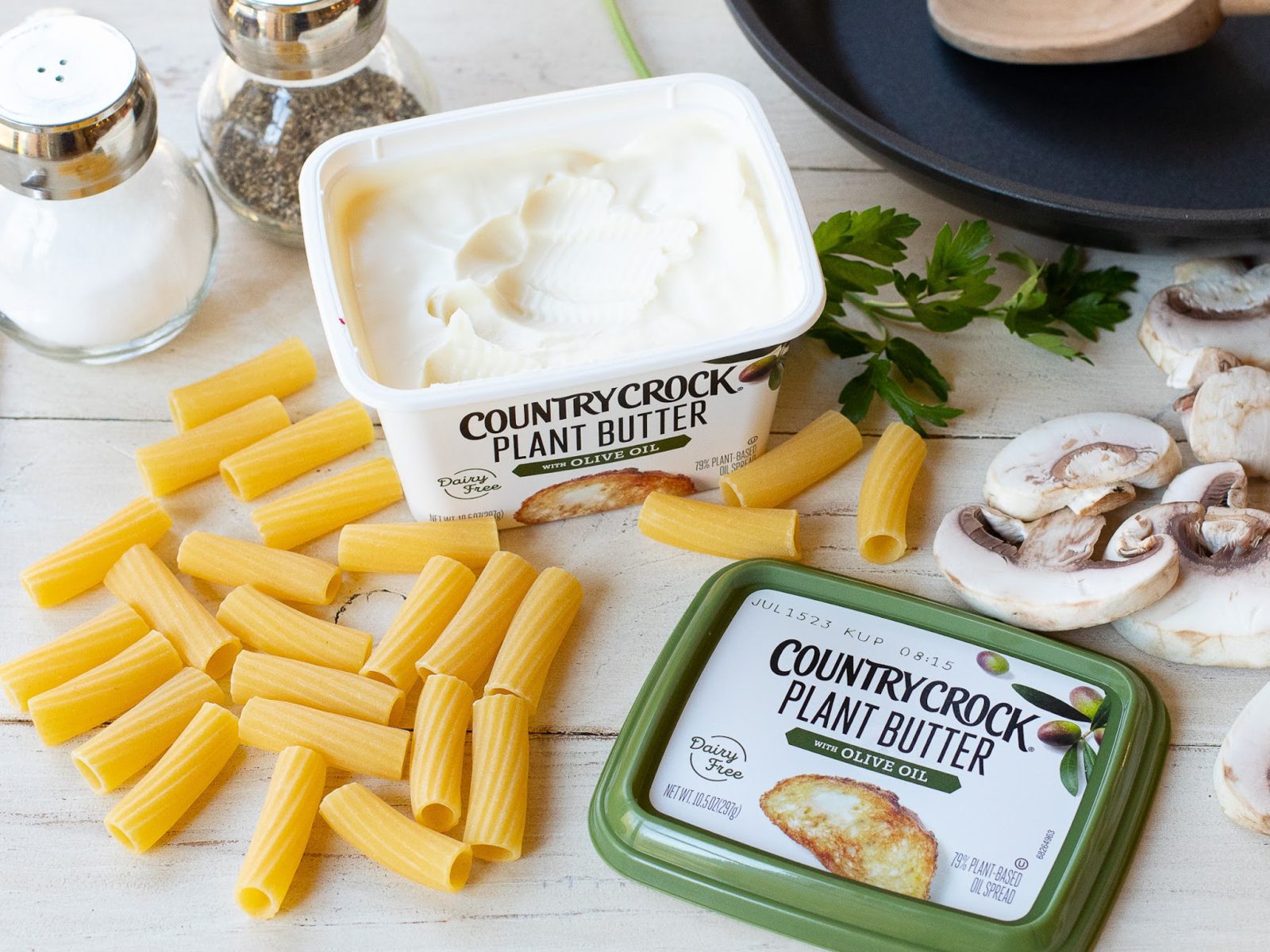
As of 2026, Country Crock has expanded its portfolio to include "Plant Butter," which mimics the flavor and performance of dairy butter more closely than their traditional spreads. This expansion has led to more variety in sodium levels, including the introduction of unsalted options that were previously rare in the brand's tub-based lineup.
Is Country Crock Salted? Examining the Product Lines
Whether your tub or stick of Country Crock is salted depends entirely on the specific sub-brand and packaging format you choose. The brand has diversified its offerings to cater to different dietary needs and culinary applications.
The Original Spread and Tub Varieties
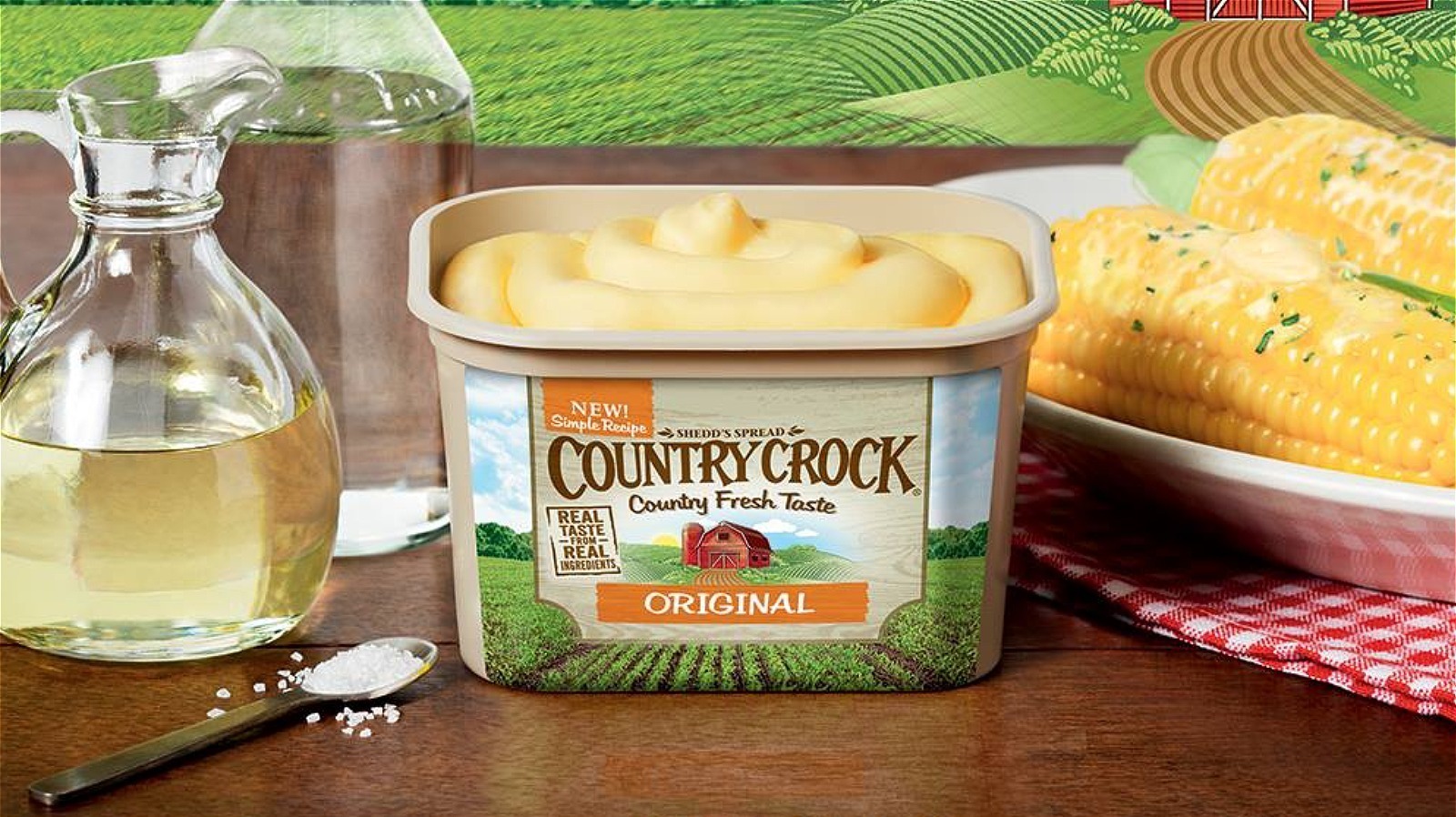
The classic Country Crock Original, usually sold in brown plastic tubs, is a salted product. This version is designed as a multipurpose spread for toast, vegetables, and general cooking. The salt content is a fundamental part of its flavor profile, intended to provide the "savory" hit that consumers expect from a butter alternative. Other tub-based variants, such as Country Crock Churn Style, Light, and Calcium-fortified versions, also follow this salted formula.
Country Crock Plant Butter Sticks
With the rise of plant-based diets, the "Plant Butter" line was introduced to compete directly with high-quality dairy butter sticks. Unlike the tub spreads, these sticks are often used for baking. Because of this, Country Crock produces both Salted and Unsalted Plant Butter sticks.
- Salted Plant Butter: Usually made with olive oil, almond oil, or avocado oil, these sticks contain sodium levels comparable to salted dairy butter.
- Unsalted Plant Butter: Specifically labeled as "Unsalted," these are typically the almond oil-based sticks. They contain 0mg of sodium, making them the only viable choice for recipes that specifically call for unsalted butter.
Country Crock Plant Cream and Liquid Spreads
While less common for direct spreading, Country Crock also produces liquid versions and heavy cream alternatives. The liquid spreads are salted for flavor, whereas the "Plant Cream" (a heavy whipping cream alternative) is generally unsalted to allow for use in both sweet desserts and savory sauces.
Nutritional Breakdown: Sodium Content per Serving
For consumers monitoring their cardiovascular health or following a low-sodium diet, understanding the exact milligrams of salt in a serving is essential. Most Country Crock products aim for a standardized flavor profile that matches the saltiness of traditional salted butter.
| Product Variety | Serving Size | Sodium Content | Salted or Unsalted |
|---|---|---|---|
| Country Crock Original Spread | 1 Tbsp (14g) | 100 mg | Salted |
| Country Crock Churn Style | 1 Tbsp (14g) | 100 mg | Salted |
| Country Crock Light | 1 Tbsp (14g) | 100 mg | Salted |
| Plant Butter Stick (with Olive Oil) | 1 Tbsp (14g) | 100 mg | Salted |
| Plant Butter Stick (with Almond Oil) | 1 Tbsp (14g) | 0 mg | Unsalted |
| Plant Butter Tub (with Avocado Oil) | 1 Tbsp (14g) | 105 mg | Salted |
Note: Data based on standard 2026 nutritional labeling. Always check the specific packaging for the most current regional variations.
As the table illustrates, the 100mg threshold is the standard for the brand. Compared to traditional salted dairy butter—which typically ranges from 90mg to 100mg per tablespoon—Country Crock is virtually identical in salt intensity. The primary outlier is the Unsalted Plant Butter stick, which is chemically formulated to omit sodium chloride entirely.
Using Country Crock in Baking and Cooking
The presence of salt in Country Crock significantly affects its performance in the kitchen. When a recipe calls for "butter," it usually assumes unsalted dairy butter unless specified otherwise. Substituting a salted spread can alter the chemistry and flavor of the final product.
The Role of Salt in Flavor Control
In professional baking, unsalted butter is preferred because it allows the chef to control the exact amount of seasoning. If you use Country Crock Original (salted) in a cookie recipe that already calls for a teaspoon of salt, the resulting cookies may taste overly savory or metallic. If you only have the salted spread on hand, a common "rule of thumb" is to reduce the added salt in the recipe by about 1/4 teaspoon for every half-cup (one stick) of Country Crock used.
Structural Integrity and Moisture
Country Crock spreads have a higher water content than butter. When you use the salted tub version in baking, you are not just adding salt; you are also adding water. This can cause cookies to spread more or cakes to become overly moist. For the best results in structured baking (like pie crusts or shortbread), the Unsalted Plant Butter Sticks are the superior choice because they are formulated with a lower water content and zero sodium, behaving much more like traditional baking butter.
Sautéing and Finishing
For stovetop cooking, the salt in Country Crock is often a benefit. When sautéing vegetables or searing a protein, the salt in the spread helps to draw out moisture and season the food as it cooks. The salt also raises the smoke point slightly compared to unsalted fats, although since Country Crock is an oil-based emulsion, it already handles moderate heat better than pure dairy butter, which contains milk solids that burn easily.
Health Implications of Salt in Spreads
The salt in Country Crock serves two main purposes: flavor and preservation. Sodium chloride acts as a mild preservative that inhibits the growth of certain molds and bacteria, which is particularly important in products with high water content.
From a health perspective, the 100mg of sodium per tablespoon represents about 4% to 5% of the recommended daily intake (RDI) for an average adult. While this seems low, it can accumulate quickly if the spread is used liberally across multiple meals. Individuals with hypertension or chronic kidney disease are often advised to opt for the unsalted Plant Butter variants to keep their sodium intake within strict limits.
It is also worth noting that the "Light" version of Country Crock, while lower in calories and fat, still contains the same 100mg of sodium. This is because salt is used to compensate for the flavor lost when fat is removed. Consumers looking to reduce both fat and salt should be cautious, as "light" does not equate to "low sodium" in this context.
Identifying Salted vs. Unsalted on the Packaging
Navigating the dairy case in 2026 requires a keen eye for labeling, as Country Crock has standardized much of its branding. To ensure you are purchasing the correct version, look for these specific cues:
- The Color of the "Plant Butter" Label: Generally, Country Crock uses color-coded bands on their sticks. Salted versions often feature a green or blue motif (depending on the oil base), while the Unsalted version is clearly marked with a prominent "Unsalted" banner, usually in a contrasting red or gold.
- Ingredient List: Flip the tub or box over. Salted Country Crock will list "Salt" or "Sodium Chloride" as one of the top five ingredients. If you see "Salt" listed after the water and oil blend, the product is salted.
- The "Original" Marker: If the tub says "Original," it is always salted. Country Crock does not currently produce an "Original Unsalted" tub spread.
- Nutrition Facts Panel: Check the "Sodium" line. A salted product will show 100mg or 105mg. An unsalted product will show 0mg.
Frequently Asked Questions
Is Country Crock Original always salted?
Yes, the Country Crock Original spread found in tubs is always salted. The salt is a core component of the "Original" recipe, providing the flavor profile that has defined the brand for decades. There is no unsalted version of the standard tub spread; those seeking an unsalted option must look specifically for the Plant Butter sticks.
Does Country Crock have more salt than real butter?
No, Country Crock contains roughly the same amount of salt as standard salted dairy butter. Both typically hover around 90mg to 100mg of sodium per 14-gram serving (one tablespoon). However, Country Crock is much higher in sodium than unsalted dairy butter, which contains near-zero sodium.
Can I use salted Country Crock for frosting?
You can use salted Country Crock for buttercream-style frostings, but it will result in a noticeably "salted caramel" or savory undertone. For traditional sweet frostings, it is highly recommended to use the Unsalted Plant Butter sticks. If you must use the salted version, avoid adding any extra salt that the recipe might call for.
Why does Country Crock use salt in its Plant Butter?
Salt is used in Plant Butter to replicate the complex flavor profile of dairy. Vegetable oils (like olive or canola) are relatively neutral in flavor. Without the addition of salt and natural flavors, the spread would taste like plain oil. Salt also helps the spread feel more "satisfying" on the palate by stimulating the taste buds.
Is the salt in Country Crock iodine-fortified?
Typically, the salt used in industrial food production, including Country Crock spreads, is non-iodized salt. If you rely on table salt for your dietary iodine, be aware that the salt in processed spreads generally does not contribute to your iodine intake.
Final Recommendation
When determining if your Country Crock is salted, the rule of thumb is simple: assume it is salted unless the package explicitly states "Unsalted." For daily use on toast, sandwiches, or sautéing vegetables, the standard salted Original spread or Salted Plant Butter provides a balanced flavor that mimics traditional butter. However, for precision baking—especially for delicate pastries, cookies, and cakes—you should specifically seek out the Country Crock Unsalted Plant Butter sticks. This choice ensures that your recipes maintain their intended flavor balance without the risk of over-salting.
Image Gallery