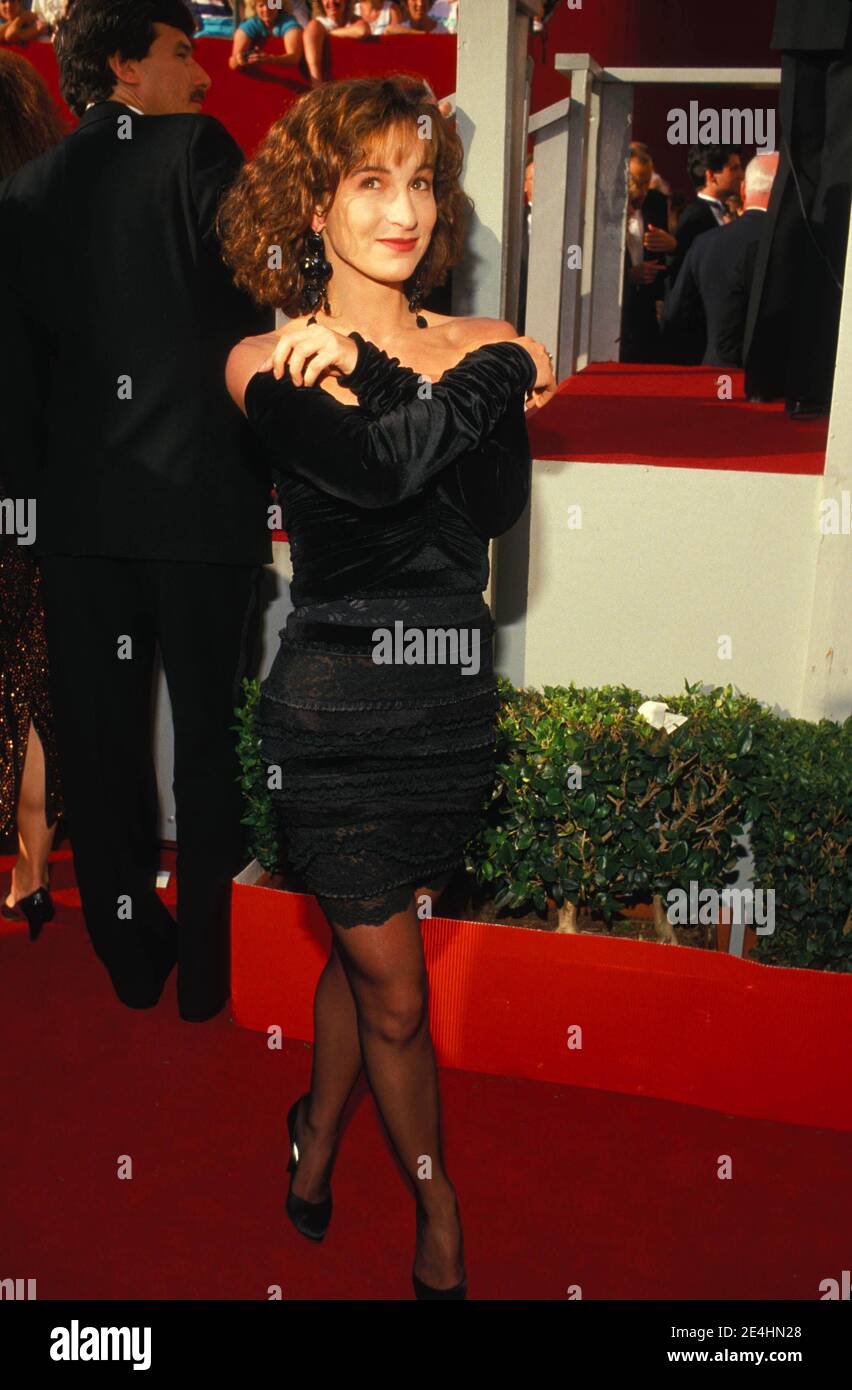
Jennifer Grey: The Enduring Cultural Appeal and Iconic Status of a Screen Legend
Jennifer Grey captured global attention through her defining cinematic roles, most notably in 1980s pop culture classics like Dirty Dancing and Ferris Bueller's Day Off, where her dynamic screen presence and distinct personal style cem...
Jennifer Grey captured global attention through her defining cinematic roles, most notably in 1980s pop culture classics like Dirty Dancing and Ferris Bueller's Day Off, where her dynamic screen presence and distinct personal style cemented her lasting appeal.
Contents
The phrase "Jennifer Grey sexy" reflects a long-standing public fascination with the actress's natural charisma, physical grace, and undeniable confidence on screen. Beyond standard Hollywood glamour, her enduring allure stems from a relatable, vibrant authenticity that redefined traditional beauty standards in cinema during the late 20th century.
The Cultural Impact of Jennifer Grey in 1980s Cinema
The 1980s represented a golden era for youth-oriented cinema, and Jennifer Grey stood at the absolute center of this cultural shift. Her performances resonated deeply with audiences because she projected a rare combination of vulnerability and strength. Rather than fitting the sterile mold of the traditional porcelain starlet, Grey brought an energetic, grounded vitality to her characters.
In Ferris Bueller's Day Off (1986), she played Jeanie Bueller, a frustrated sister whose exasperation with her brother's antics added comedic relief and a dose of gritty realism. Her comedic timing and expressive facial reactions showcased a raw, unpretentious charm that appealed directly to viewers. This effortless relatability laid the foundation for her transition from supporting player to absolute leading lady.
Key Takeaway on Screen Presence: Jennifer Grey's cinematic appeal relies heavily on kinetic energy and expressive delivery. Her ability to convey intense emotion through movement and eye contact elevated standard romantic and comedic tropes into memorable cultural touchstones.
The Definitive Role: Baby Houseman and Dirty Dancing
No discussion of Jennifer Grey's iconic status is complete without examining her career-defining turn as Frances "Baby" Houseman in the 1987 smash hit Dirty Dancing. Set at a Catskills resort in the summer of 1963, the film paired Grey with the late Patrick Swayze. Their palpable on-screen chemistry turned a low-budget dance drama into a multi-generational phenomenon.
Baby's transformation from an idealistic, bookish teenager to a confident, self-assured dancer is mirrored by Grey's own physical and emotional performance. The famous dance sequences—culminating in the gravity-defying lift during the final scene—require immense physical control and athletic grace. Grey's portrayal highlighted a different kind of screen appeal: one rooted in movement, rhythm, and emotional liberation rather than passive ornamentation.
Critical Elements of the Dirty Dancing Appeal
- Physical Authenticity: Grey performed many of her own dance routines, lending genuine struggle and triumph to Baby's learning curve.
- Costuming and Styling: The progression of Baby's wardrobe from modest adolescent cotton dresses to form-fitting, sophisticated dance attire visually signaled her coming-of-age.
- On-Screen Chemistry: The intense professional and personal dynamic between Grey and Swayze generated a level of romantic tension that remains a benchmark for the romance genre.
Evolution of Public Perception and Beauty Standards
Public fascination with Jennifer Grey's appearance has evolved significantly over the decades. In an industry historically prone to rigid aesthetic homogenization, Grey possessed distinct facial features—most notably her striking nose—that gave her a memorable, highly individual look. When she underwent rhinoplasty procedures in the early 1990s, the resulting shift in her facial structure unexpectedly altered her professional trajectory, making her momentarily unrecognizable to casting directors and audiences alike.
Media coverage surrounding these changes often focused narrowly on physical alteration, overlooking the depth of her talent. However, cultural assessments in subsequent decades have shifted toward a more nuanced appreciation of her resilience. Grey's journey serves as a prominent case study in the harsh realities of Hollywood beauty standards and the broader societal pressure placed on women in the public eye.
Comparative Analysis: Cinematic Archetypes of the 1980s
| Actress | Defining Film | Primary Appeal Archetype | Legacy in Modern Media |
|---|---|---|---|
| Jennifer Grey | Dirty Dancing (1987) | Relatable, energetic, expressive | Celebrated for raw authenticity and iconic dance choreography |
| Molly Ringwald | The Breakfast Club (1985) | Quintessential teen angst, stylish icon | Synonymous with John Hughes coming-of-age cinema |
| Phoebe Cates | Fast Times at Ridgemont High (1982) | Classic 1980s glamor and mystery | Enduring symbol of 1980s pop culture aesthetics |
| Winona Ryder | Heathers (1988) | Edgy, alternative youth icon | Continued prominence in contemporary prestige television |
Career Longevity and Later Achievements
While Dirty Dancing remains her most widely recognized vehicle, Jennifer Grey's career extended far beyond 1980s nostalgia. She demonstrated remarkable versatility across television, independent film, and competitive reality programming. In 2010, she competed on the eleventh season of the hit television series Dancing with the Stars, partnered with professional dancer Derek Hough.
Her victory on the show allowed viewers to see her return to the dance floor more than two decades after her initial cinematic success. Despite facing physical challenges, including chronic neck pain stemming from a severe car accident prior to Dirty Dancing, Grey exhibited the same discipline and captivating stage presence that originally won over audiences worldwide. Her subsequent return to feature film production and advocacy work demonstrates an enduring professional resilience.
Frequently Asked Questions About Jennifer Grey
What is Jennifer Grey's most famous role?
Jennifer Grey is most famous for playing Frances "Baby" Houseman in the 1987 romantic drama Dirty Dancing, opposite Patrick Swayze. Her performance in this film became a defining cultural touchstone of 1980s cinema.
How did Jennifer Grey's career change after the 1980s?
Following major success in the late 1980s, Grey experienced a career shift after undergoing rhinoplasty procedures that significantly altered her recognizable appearance. Despite this challenge, she continued working in television, independent films, and won the reality competition Dancing with the Stars in 2010.
Did Jennifer Grey do her own dancing in Dirty Dancing?
Yes, Jennifer Grey performed the vast majority of her own dance routines in Dirty Dancing, though professional stunt doubles were utilized for certain high-risk acrobatic maneuvers and lifts.
What made Jennifer Grey's screen presence unique?
Grey distinguished herself through an energetic, unpretentious acting style that prioritized emotional vulnerability and physical expression over traditional Hollywood glamour. This dynamic approach allowed her to connect deeply with audiences.
Is Jennifer Grey still active in the entertainment industry?
Yes, she continues to participate in acting projects, media appearances, and development initiatives, maintaining a steady presence within the entertainment industry.
Practical Insights on Appreciating Classic Cinema Performances
For media analysts, film students, and enthusiasts studying 1980s pop culture, examining performances like Jennifer Grey's offers valuable lessons in character development and physical acting. To fully appreciate this era of filmmaking, consider the following analytical approaches:
- Focus on Physicality: Observe how actors use body language, posture, and spatial awareness to communicate character growth rather than relying solely on dialogue.
- Contextualize Industry Pressures: Understand the socio-cultural environment of 1980s Hollywood to comprehend the specific challenges faced by actors navigating sudden, intense fame.
- Analyze Ensemble Dynamics: Evaluate how supporting performances enhance the central narrative, noting how actors like Grey elevated both comedic and dramatic scenes.
Engaging with classic cinema through a critical lens reveals the timeless mechanics of screen charisma, proving that genuine emotional resonance far outlasts transient trends.
Image Gallery