Fire Sweden Trends and the Ongoing Debate
Sweden’s fire landscape in 2026 is defined by a shift toward high-tech aerial suppression and a heated national debate over forestry practices. While the frequency of wildfires fluctuates annually, the core conflict centers on whether...
Sweden’s fire landscape in 2026 is defined by a shift toward high-tech aerial suppression and a heated national debate over forestry practices. While the frequency of wildfires fluctuates annually, the core conflict centers on whether Sweden’s industrial monoculture forests are inherently more flammable than natural, biodiverse woodlands, necessitating a fundamental change in land management.
Contents
The Evolution of Swedish Wildfire Trends (2014–2026)
The trajectory of fire management in Sweden changed forever following two landmark events: the 2014 Västmanland fire and the unprecedented 2018 fire season. Before these years, Sweden relied heavily on decentralized local fire brigades and a "wait and see" approach to forest fires, which were historically rare in their scale. However, climate shifts characterized by prolonged heatwaves and "blocking" high-pressure systems have made the Swedish landscape more vulnerable.
By 2026, statistical trends show that the "fire season" has expanded. Traditionally confined to June and July, high-risk periods now frequently begin in late April and extend into September. This expansion is primarily driven by the early melting of snowpacks in northern Sweden (Norrland), leaving the previous year’s dead grass—known as fjolårsgräs—highly flammable before the new greenery emerges.
Furthermore, the geographical distribution of fires has shifted. While southern Sweden historically faced the most risk due to higher population density and human activity, recent years have seen a surge in "lightning-strike" fires in remote northern regions. These areas are difficult to access by ground, which has necessitated the permanent establishment of aerial firefighting hubs in cities like Nyköping and Umeå.
The Role of the MSB and Modern Response Infrastructure
The Swedish Civil Contingencies Agency (Myndigheten för samhällsskydd och beredskap or MSB) has undergone a massive transformation in its operational capacity. In 2026, the national response is no longer just about putting out flames; it is about predictive modeling and international cooperation.
Sweden now maintains a standing fleet of Air Tractor AT-802F "Fire Boss" aircraft. These planes are capable of scooping water from Sweden’s numerous lakes, providing a rapid-response capability that was missing during the 2018 crisis. This fleet is integrated into the European Union's rescEU program, meaning Swedish planes often assist in Mediterranean fires during Sweden's low-risk periods, while receiving support from Southern Europe during Swedish emergencies.
Technical advancements in 2026 also include the widespread use of the FWI (Fire Weather Index) system, which provides hyper-local data on fuel moisture and ignition probability. This data is disseminated through the "Brandrisk Ute" mobile application, which has become a primary tool for the public to navigate the country’s strict fire bans (eldningsförbud).
The Ongoing Debate: Industrial Forestry vs. Fire Resilience
The most contentious issue in 2026 is the "Ongoing Debate" regarding the structure of the Swedish forest itself. Sweden is one of the world's largest exporters of pulp, paper, and sawn timber. Consequently, much of the landscape is dominated by even-aged monocultures, primarily Norway spruce and Scots pine.
The Case for Forestry Reform
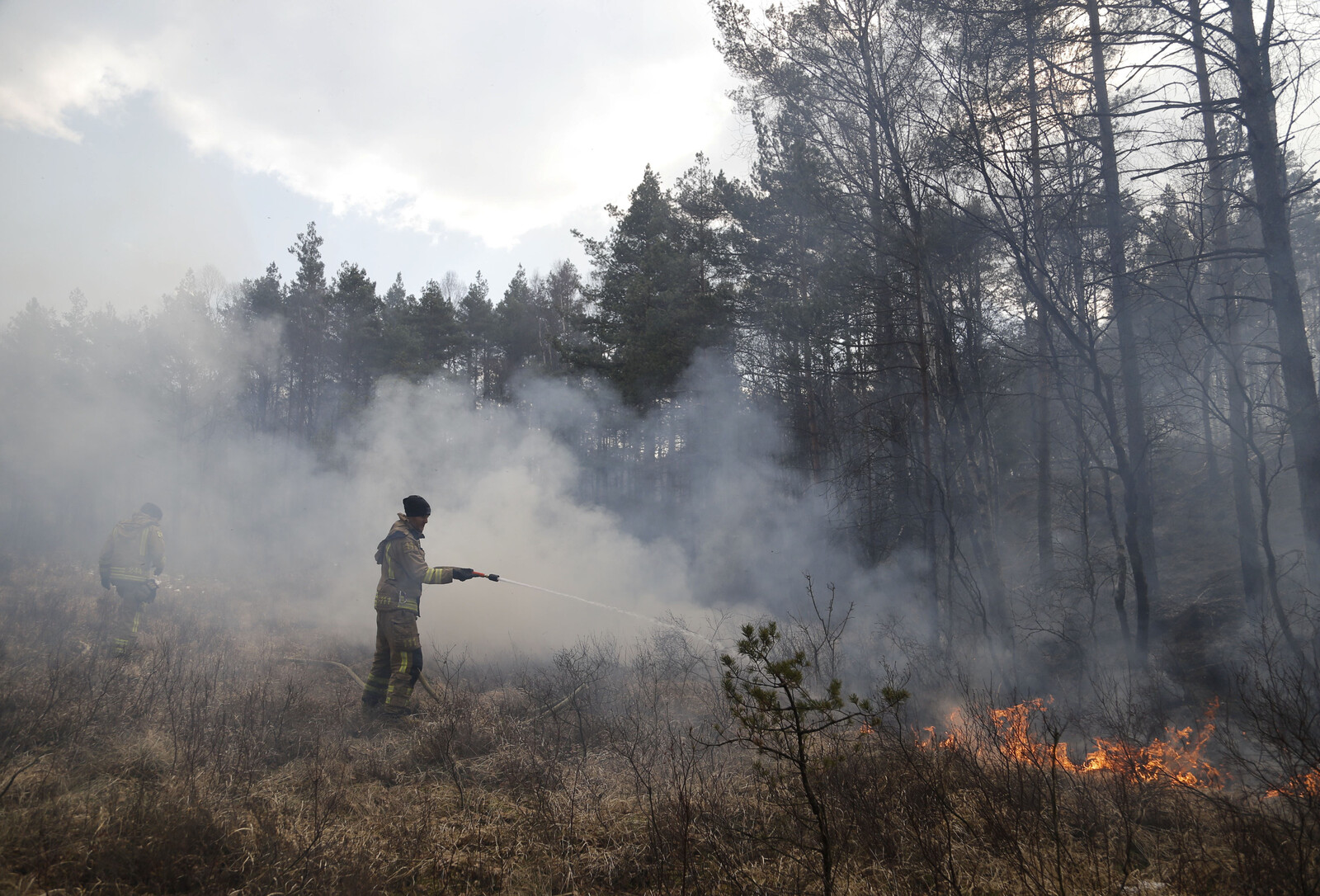
Critics of the current forestry model, including environmental NGOs and climate scientists, argue that these dense, uniform plantations act as "tinderboxes." Spruce trees, in particular, have branches that reach close to the ground, allowing ground fires to easily transition into devastating crown fires. These critics advocate for:
- Continuous-cover forestry: Avoiding clear-cutting to maintain higher humidity levels within the forest canopy.
- Species diversification: Planting deciduous trees like birch and aspen, which have higher moisture content and act as natural firebreaks.
- Restoration of wetlands: Re-wetting previously drained peatlands to slow the spread of fire and sequester carbon.
The Industrial Perspective
On the other side of the debate, the Swedish forestry industry (represented by major players like Sveaskog and SCA) argues that active management is the best defense against fire. They contend that:
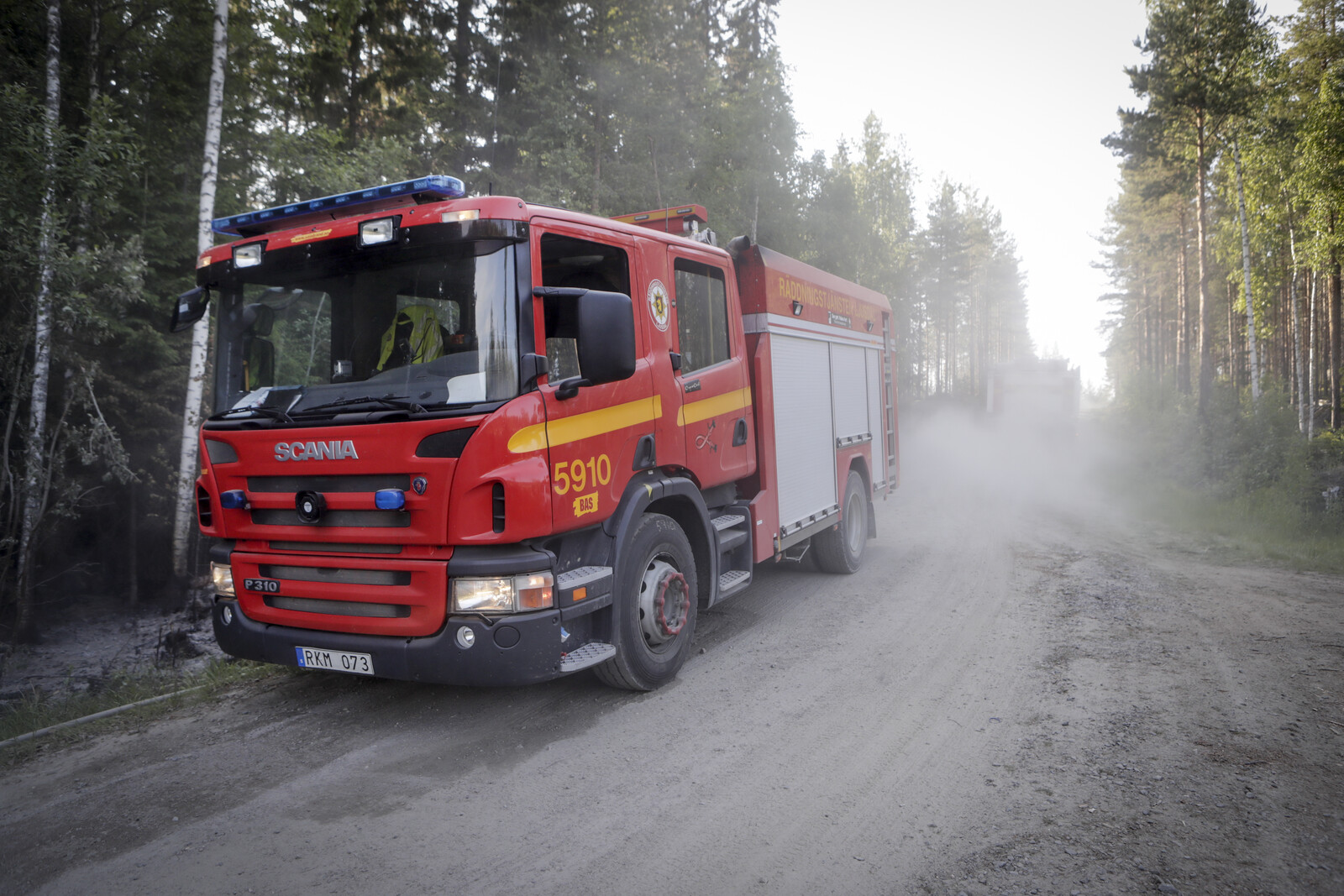
- Managed forests have better infrastructure: Logging roads provide essential access for fire trucks and heavy equipment.
- Economic viability: Transitioning away from profitable monocultures would threaten the bio-economy and thousands of rural jobs.
- Active thinning: Removing undergrowth and thinning stands reduces the "fuel load," potentially lowering fire intensity if a fire does start.
Comparative Overview of Fire Management Strategies
The following table outlines the differences between the traditional industrial approach and the emerging "resilience-based" approach being debated in 2026.
| Feature | Industrial Monoculture Model | Resilience-Based Model |
|---|---|---|
| Primary Species | Single-species (mostly Spruce/Pine) | Mixed (Deciduous and Coniferous) |
| Structure | Even-aged, dense rows | Uneven-aged, natural spacing |
| Fire Behavior | High risk of high-intensity crown fires | Mostly low-intensity ground fires |
| Access | Excellent due to logging roads | Variable; may require more aerial focus |
| Water Retention | Low; clear-cuts dry out quickly | High; shade and moss retain moisture |
| Economic Goal | Maximum fiber yield per hectare | Long-term stability and carbon storage |
Social and Legal Implications of the Fire Debate
The debate extends beyond ecology into the realm of Swedish law and social tradition. The Allemansrätten (Right of Public Access) allows anyone to roam freely in the forest, pick berries, and camp. However, as fire risks increase, the frequent imposition of total fire bans has led to friction between the public and authorities.
In 2026, there is ongoing legal discussion regarding liability. If a fire starts due to a spark from a forestry harvester, should the company be held liable for the millions of kronor in suppression costs? Conversely, if a fire starts at a designated campfire site, is the municipality responsible? These questions have led to stricter regulations on "hot work" in the forest during the summer months, often forcing logging operations to halt entirely during high-risk weeks, which further fuels the economic tension in the debate.
Technological Trends in Fire Detection
Early detection has become the "silver bullet" in preventing small ignitions from becoming landscape-scale disasters. By 2026, Sweden has implemented several key technologies:
- Satellite Monitoring: Using the European Space Agency's Copernicus program, MSB receives real-time thermal anomalies that can detect a fire smaller than a tennis court from orbit.
- AI-Integrated Watchtowers: While human "fire lookouts" are largely a thing of the past, automated camera systems equipped with AI smoke-detection algorithms have been installed on telecommunication towers across Dalarna and Västmanland.
- Drones (UAVs): Local fire departments now routinely deploy drones with thermal imaging to map the perimeter of a fire through thick smoke, allowing for more precise water drops from the Fire Boss planes.
FAQs: Fire Trends and Debates in Sweden
Why are forest fires becoming more common in Sweden?
While the total number of fires doesn't increase every year, the intensity and duration of "fire weather" (high heat, low humidity) have increased due to climate volatility. The landscape has also become more susceptible because of historical drainage of wetlands and the prevalence of dense spruce plantations that allow fires to spread quickly.
What is the "Fire Boss" and why is it important for Sweden?
The "Fire Boss" refers to the Air Tractor AT-802F, a specialized firefighting aircraft. It is crucial because it can land on and scoop water from the thousands of lakes in Sweden. This allows for a "cycle time" (the time between water drops) of just a few minutes, which is far more effective than larger planes that must return to an airport to refill.
How does the debate over forestry affect regular citizens?
The debate influences how forests are managed near residential areas. If the "resilience" model gains more traction, citizens might see more deciduous trees and wetter landscapes. However, the current "industrial" model ensures lower wood prices and high employment in rural sectors. The debate also impacts when and where people can light fires for recreation.
Is it safe to visit Swedish forests during the summer?
Yes, it is generally safe, but visitors must stay informed. In 2026, authorities frequently issue eldningsförbud (fire bans). During these times, even using a portable gas stove may be prohibited. Checking the "Brandrisk Ute" app is the standard procedure for anyone planning to spend time in the Swedish outdoors.
Who pays for the firefighting efforts in Sweden?
Local municipalities initially cover the costs of their fire departments. However, if a fire exceeds their capacity, the MSB steps in with national resources (like planes). In major disasters, the Swedish government can apply for financial aid from the EU Solidarity Fund to help cover the massive costs of suppression and restoration.
Strategic Recommendation for Stakeholders
For residents and landowners, the most effective path forward in 2026 is proactive adaptation. Landowners should consider diversifying their stands with at least 20% deciduous trees to act as natural firebreaks. For the general public, strict adherence to MSB guidelines and the "Brandrisk Ute" data is essential. The "Ongoing Debate" will likely continue for years, but the immediate solution lies in the synthesis of high-tech response and a return to more ecologically resilient forest structures.
As climate patterns continue to shift, the "Swedish model" of fire management must balance its historic timber-producing strengths with the modern necessity of landscape-scale safety.
Image Gallery