Exploring the Reality of Pink Sand at Navagio Beach: Geological Facts and Travel Realities
Navagio Beach, famously known as Shipwreck Beach on the Greek island of Zakynthos, features iconic brilliant white limestone cliffs and powdery white pebbles mixed with coarse sand, but it does not naturally possess pink sand. Traveler...
Navagio Beach, famously known as Shipwreck Beach on the Greek island of Zakynthos, features iconic brilliant white limestone cliffs and powdery white pebbles mixed with coarse sand, but it does not naturally possess pink sand. Travelers searching for pink sand Navagio Beach are often confusing Zakynthos with other famous Mediterranean and Greek destinations known for their rosy shorelines, such as Elafonisi or Balos Lagoon on the island of Crete.
Contents
Understanding Navagio Beach: Geography and Composition
To understand why Navagio Beach does not feature pink sand, it is helpful to examine its actual geological composition. Situated in a secluded cove on the northwestern coast of Zakynthos, the beach owes its striking appearance to the towering, sheer white limestone cliffs that cradle it. Over centuries, erosion of these cliffs has directly shaped the shoreline.
The sand and shore material at Navagio Beach consist primarily of eroded white limestone and crushed marine shells. This creates a monochromatic palette ranging from stark white to pale gray, depending on the wetness of the sand and the angle of the sunlight. The brilliant turquoise and electric-blue waters of the Ionian Sea surrounding the cove contrast sharply with this pale shore, creating the famous postcard aesthetic that draws millions of visitors annually.
Furthermore, dynamic coastal processes govern the movement of sediment in the cove. The presence of the MV Panagiotis—the rusted shipwreck that famously rests on the sand—interacts with local currents and winter storm surges, shifting the distribution of pebbles and sand grains year after year. However, none of these geological factors introduce the crushed red coral and foraminifera shells necessary to create natural pink sand.
Where Does Pink Sand Actually Come From?
Pink sand beaches are rare geological phenomena that require specific biological and environmental conditions. Understanding how these beaches form clarifies why Navagio Beach does not fit the description and helps travelers set accurate expectations.
Natural pink sand is almost always the result of microscopic single-celled marine organisms called Foraminifera, specifically those featuring bright red or pink calcium carbonate shells. When these organisms die, their tiny shells accumulate on the ocean floor and are eventually washed ashore by wave action. Over time, the pink shells mix with white quartz, eroded limestone, and crushed coral, creating a soft, rosy hue visible along the tide line.
Key conditions required for pink sand beaches include:
- Thriving Coral Reefs or Rocky Reef Ecosystems: Foraminifera require specific marine environments rich in coral and rocky debris to multiply and thrive.
- Favorable Local Currents: Wave action must be strong enough to grind and deposit the shells onto the shore, but gentle enough not to sweep them into the deep ocean.
- Proximity to Shallow Waters: Protected lagoons and shallow shelf waters often trap and concentrate the shell fragments more effectively than deep, high-energy coastlines like the open Ionian Sea.
Because the waters surrounding Zakynthos do not feature the specific micro-ecosystems and massive accumulations of red foraminifera found in certain regions of Crete or other parts of the world, pink sand does not form naturally on its shores.
Comparing Navagio Beach and Greek Pink Sand Beaches
Travelers planning a Greek itinerary frequently conflate the distinct geographical features of the Ionian Islands and the southern Aegean (Crete). The following comparison highlights the fundamental differences between Navagio Beach and authentic pink sand destinations in Greece.
| Feature | Navagio Beach (Zakynthos) | Elafonisi Beach (Crete) | Balos Lagoon (Crete) |
|---|---|---|---|
| Region | Ionian Islands | Western Crete | Northwestern Crete |
| Primary Sand Color | Pure white to pale gray | White mixed with bright pink | White with soft pink tinges |
| Geological Origin | Eroded white limestone cliffs and shells | Crushed foraminifera shells and white sand | Broken coral, shells, and limestone |
| Coastal Feature | Enclosed cove with towering cliffs | Shallow sandbar and protected islet | Wide, shallow turquoise lagoon |
| Prominent Landmark | MV Panagiotis shipwreck | Endangered flora and wading areas | Dramatic Venetian fortress nearby |
As this comparison illustrates, choosing between these destinations depends entirely on what a traveler hopes to experience—the dramatic, cliff-enclosed shipwreck cove of Zakynthos or the expansive, rosy-tinted lagoons of Crete.
Navigating Access and Current Regulations at Navagio Beach
While the sand color is a matter of geological clarification, visiting Navagio Beach involves strict administrative and safety rules that all travelers must understand before planning a trip. Local authorities have implemented rigorous regulations to protect tourists and preserve the natural environment.
Land Access Restrictions
For several seasons, access to the actual sand and shoreline of Navagio Beach from land has been strictly prohibited. Following major rockfalls caused by unstable limestone cliffs surrounding the cove, municipal and Greek civil protection authorities closed the viewpoint paths overlooking the immediate danger zones and barred boats from landing directly on the shore in certain restricted zones. Visitors can still view the shipwreck and the cove from designated observation platforms above or take authorized boat tours that maintain a safe distance from the shoreline, depending on the seasonal decrees issued by the port police.
Maritime Tour Guidelines
If you choose to visit the cove via sea-based excursions departing from ports like Porto Vromi or Agios Nikolaos, operators must adhere to strict maritime safety corridors. Boats are generally not permitted to anchor directly on the beach in restricted zones, ensuring that swimmers and the delicate coastal ecosystem remain protected from heavy maritime traffic. Always verify current local municipal notices before booking boat trips, as safety closures fluctuate based on seismic activity and weather conditions.
Common Misconceptions About Greek Beach Colors
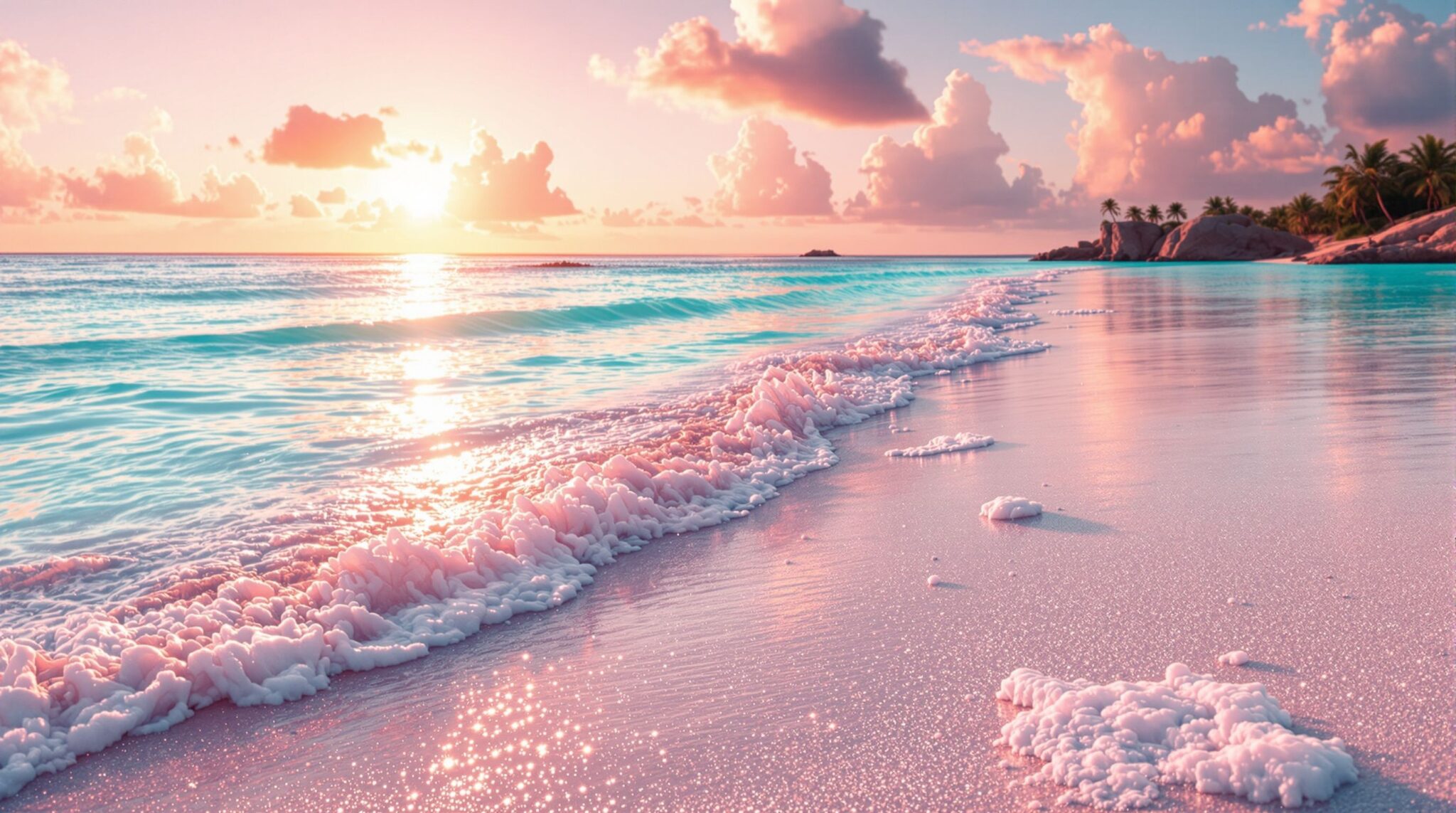
Internet photographs, heavily edited travel blogs, and social media filters frequently distort the natural colors of coastal destinations. Understanding common visual editing practices helps prevent travel disappointment.
- Digital Saturation Boosts: Many viral images of Navagio Beach or Greek shores undergo post-processing that artificially enhances red, pink, or blue tones. The actual sand at Navagio is brilliant white, while the water is a vivid cyan.
- Wet vs. Dry Sand Appearance: When sea water washes over fine white limestone pebbles and sand at Navagio, it can create a temporary translucent or reflective sheen that photographs differently depending on the midday light.
- Geographic Mix-Ups: Travel guides frequently lump all famous Greek beaches together under general banners like "best beaches in Greece," leading readers to assume that all top-tier beaches share identical features such as pink sand or shallow lagoons.
Frequently Asked Questions
Is there any pink sand at all on Navagio Beach?
No. The sand and pebbles at Navagio Beach are entirely composed of eroded white limestone, local rock fragments, and marine shells. There are no natural deposits of pink foraminifera shells on this Zakynthos coastline.
Where is the closest pink sand beach to Zakynthos?
There are no true pink sand beaches on Zakynthos. To experience natural pink sand in Greece, travelers must journey to the island of Crete to visit locations such as Elafonisi Beach, Balos Lagoon, or Falassarna Beach, which lie hundreds of kilometers to the southeast.
Can visitors currently walk on the sand at Navagio Beach?
Land access and boat-landing rules at Navagio Beach are subject to strict safety regulations enforced by the Greek port authorities due to ongoing risks of cliff erosion and rockfalls. Visitors should check real-time local municipal updates before visiting to confirm whether shoreline access is open or restricted.
Why does Navagio Beach water look so bright blue?
The striking color of the water results from light reflecting off the pure white limestone seabed and suspended fine calcium carbonate particles in the water column, combined with direct sunlight hitting the deep Ionian Sea cove.
Final Recommendations for Your Zakynthos Itinerary
If your primary goal is to witness natural pink sand, refocus your travel plans toward western Crete rather than the Ionian Islands. However, if you are visiting Zakynthos, approach Navagio Beach for what it truly is: one of the most dramatic and visually stunning coastal landforms in the Mediterranean. Prioritize safety by respecting all local cliff-side closures and maritime restrictions, rely on verified local tour operators, and enjoy the authentic white limestone and turquoise waters of Shipwreck Beach without expecting a rosy shoreline.
Image Gallery